

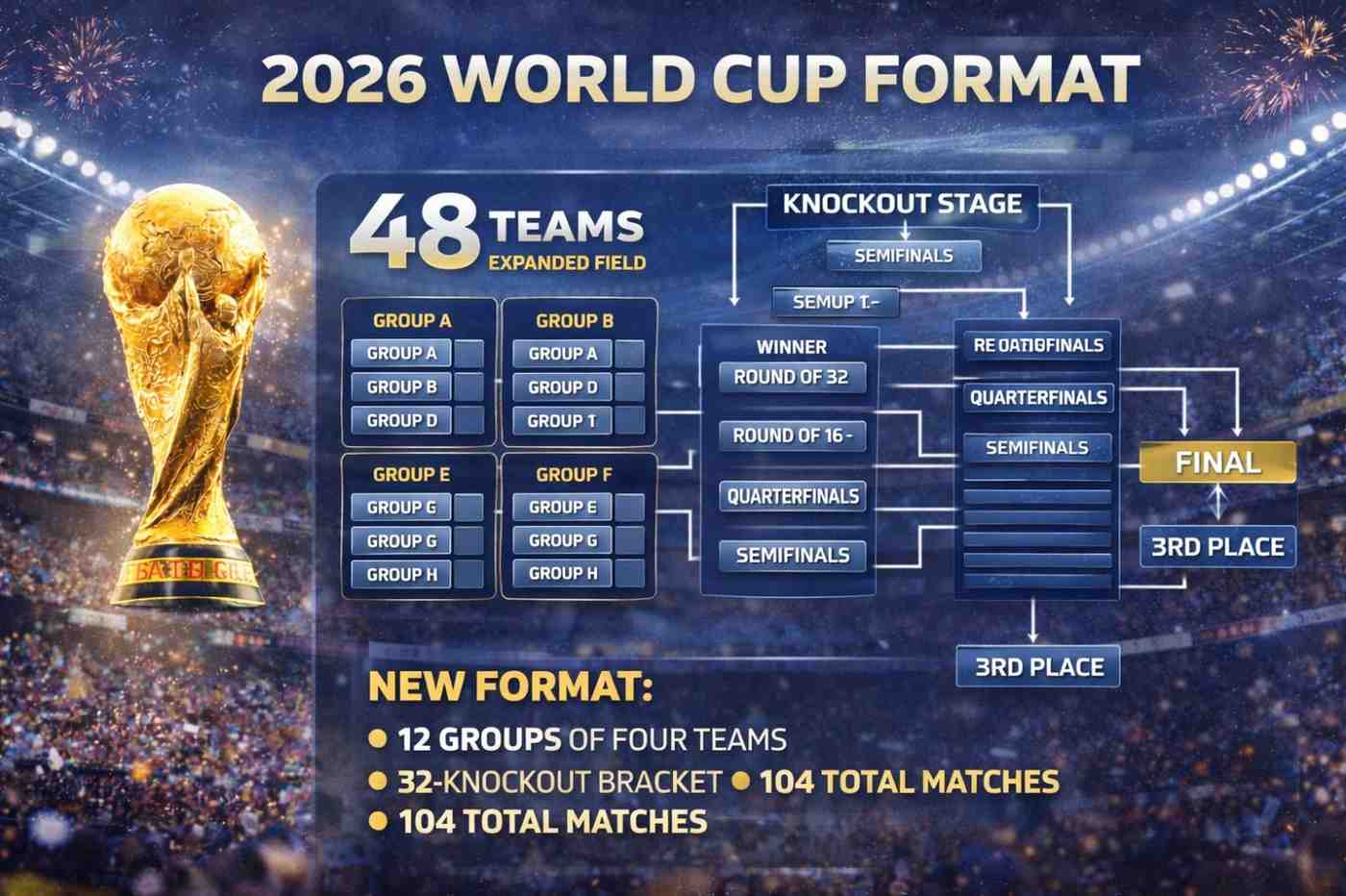
The tournament with the highest amount of total matches in World Cup history, consisting of 12 groups and a total of 4,104 matches, is the FIFA World Cup 2026.
Due to this increase in overall matches, there will be the ability for fans to have non-stop football action.
In addition, with so many matches available and being played throughout multiple cities in North America, fans will be able to enjoy all the different atmospheres and cultures that will take place in the stadiums of various host cities throughout the entire competition.
The 104-match model allows for underdog stories to develop naturally, starting with the group stages and working into the knockout stages, while providing fans with the opportunity to witness throughout the tournament dramatic moments that will shape World Cup history.
The enhanced match schedule of the tournament creates a continuous month-long celebration of all things football.
Tourism, Culture, and Economic Impact of the Tournament

Match excitement is one reason that fans want to travel to North America, but fans are also excited about the opportunity to explore the exciting and diverse cultures of North America.
Very significantly, each of the host cities is investing lots of money.
From these efforts, tourism boards, city councils, etc. are also able to support increased demand and higher revenues.
Financial implications from analysis and estimates by Financial Analysts from organizations like Deloitte transition into billions of direct and indirect impact.
One way is through infrastructure investment and job creation, which increases the long-term benefits after the tournament has completed.
Overall, The FIFA World Cup 2026 is a strong Commercial Enabler of Football, continuing to support the global business growth of Football, while bringing together various industries through a single Sporting Event.
Fan Experience – Stadium Environment and Host Cities
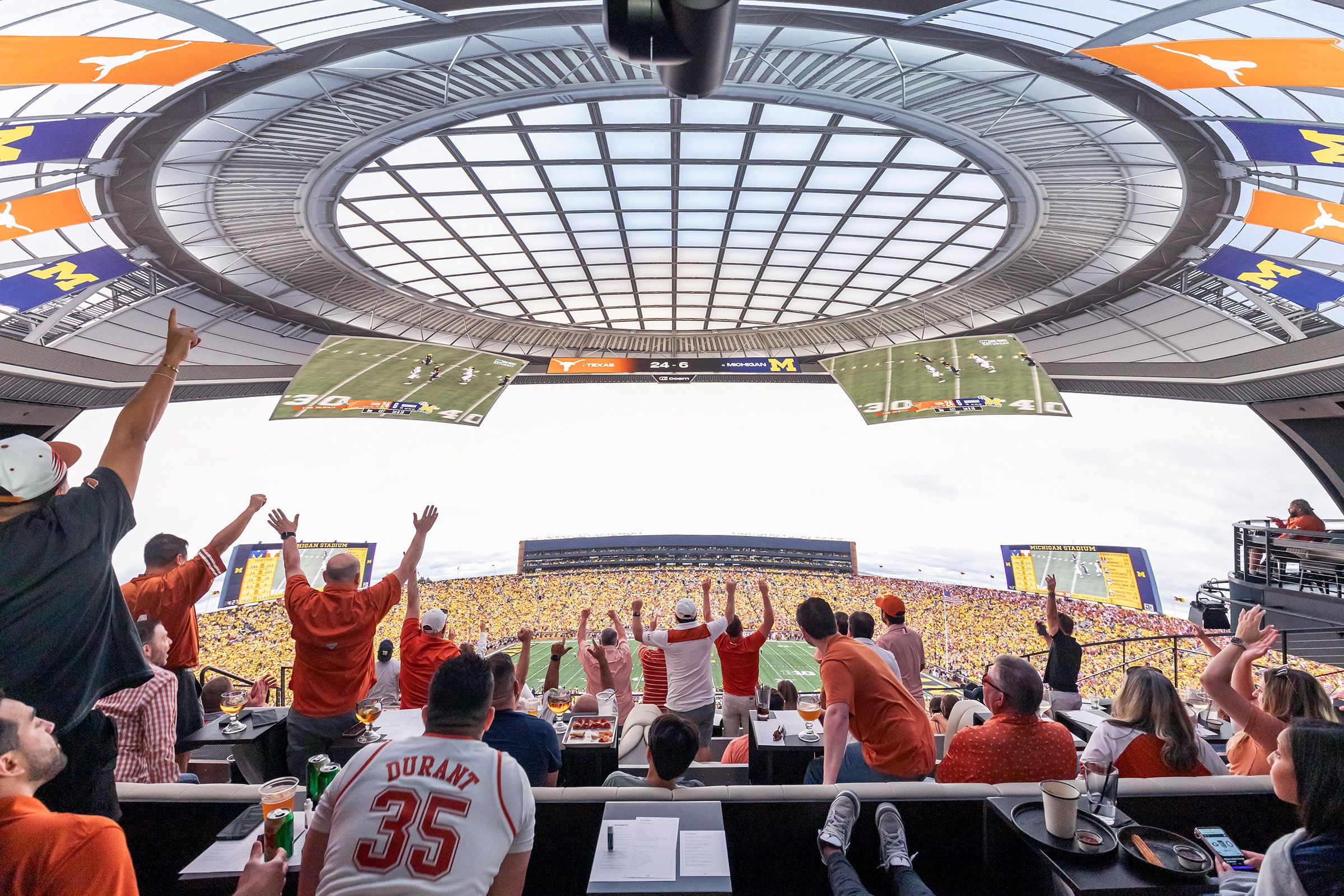
Fan Experience is the center of The FIFA World Cup 2026.
Each Host City places a large emphasis on creating a comfortable and inviting Stadium Environment as well as having an Unforgettable Stadium Atmosphere for all Fans visiting the Host City.
The modern stadiums, created throughout the United States, Canada, and Mexico, were built to improve the atmosphere of Fan Excitement during Match Time.
This type of Atmosphere is made possible in part by implementing two key Technologies: High-Definition Screens and High-Tech, Indoor Sound Systems.
The many Outdoor Stadiums (multiple purpose venues) are helping to improve the experience of Fans around the World when they attend the FIFA World Cup.
Fan Festivals and Shared Global Experiences
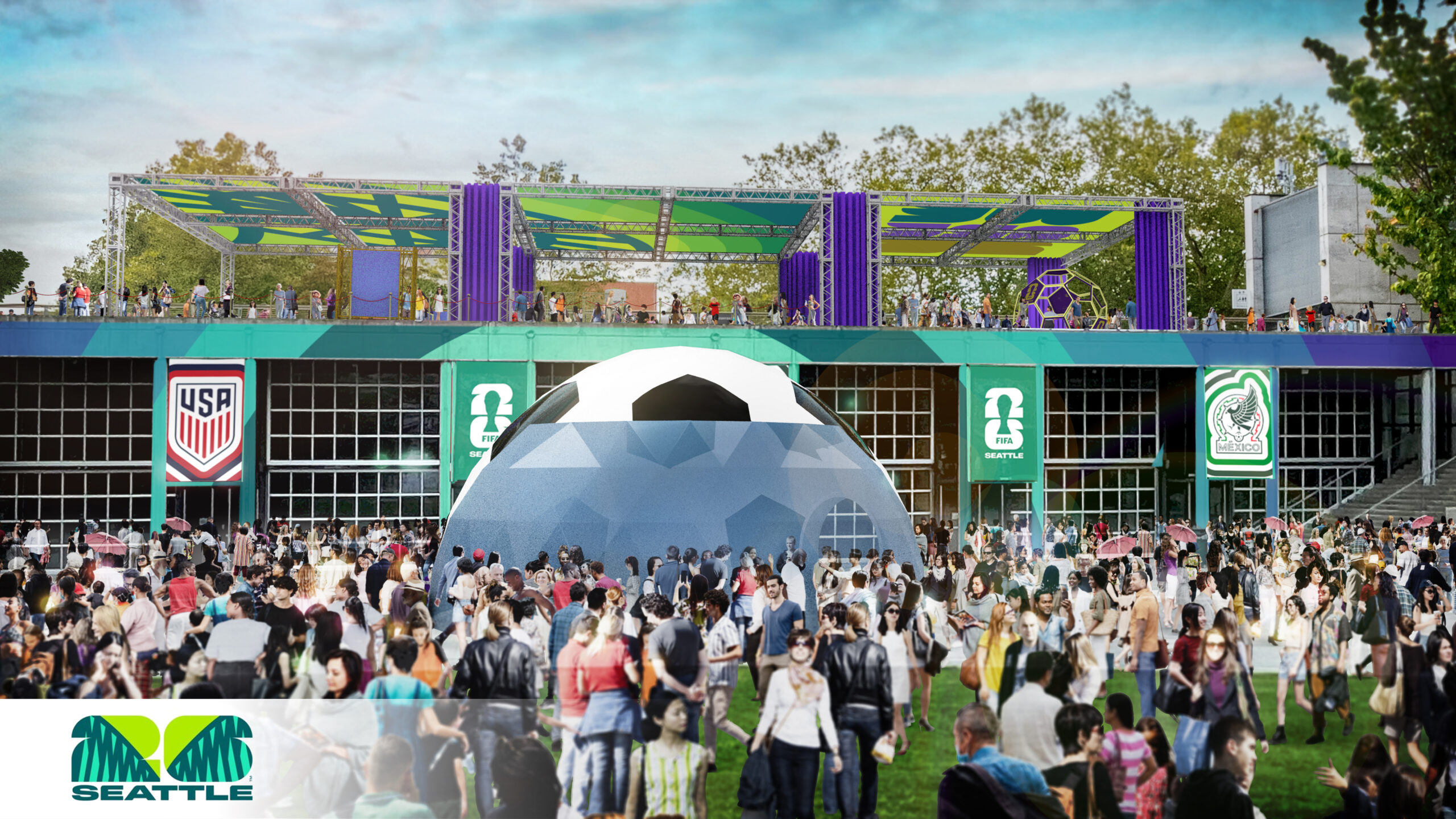
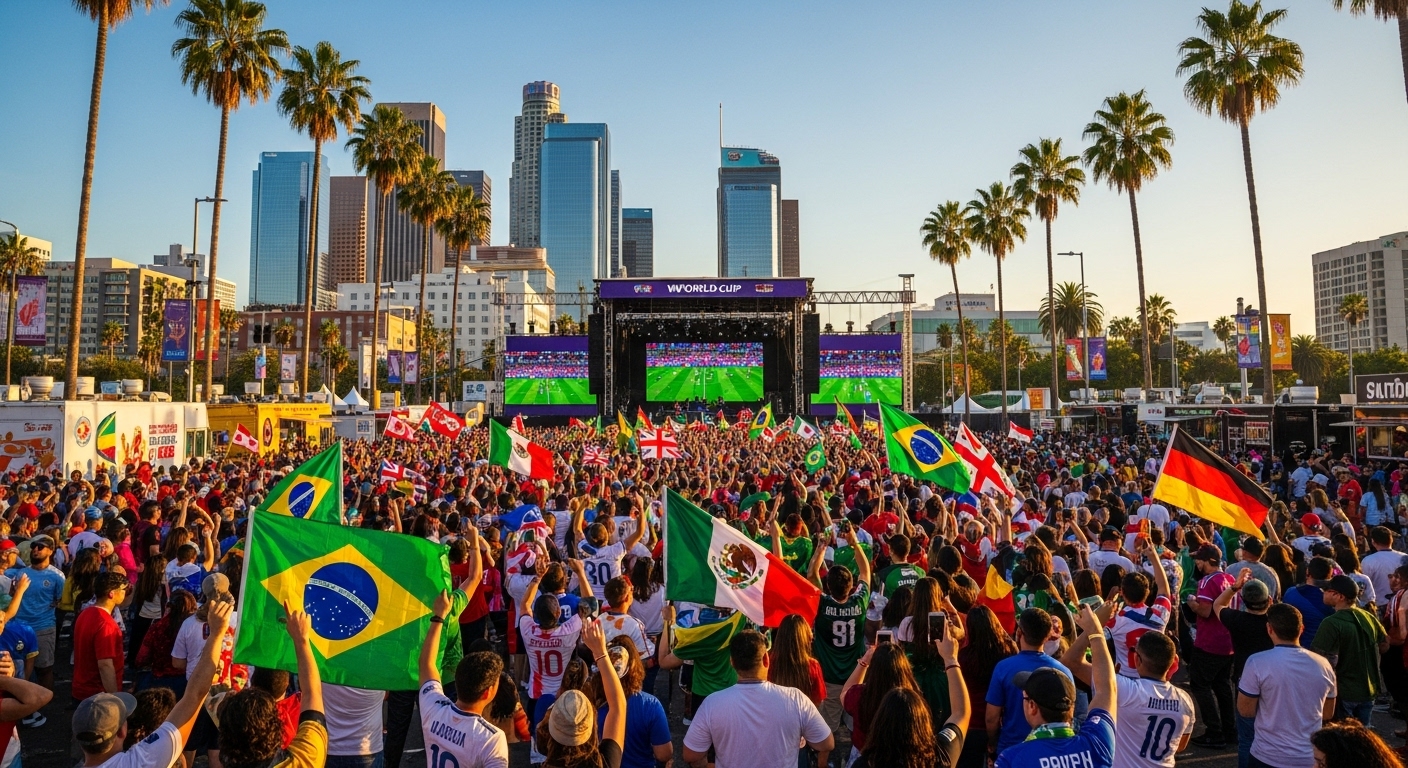
Outside of the stadiums, Host Cities have been investing in multiple large Fan Festivals.
The Festivals hold Live Screenings, Cultural Performances and Interactive Zones (Sponsor Fan Zones) allowing Fans that cannot be at the Stadium to be within the atmosphere of The FIFA World Cup.
Individuals such as David Beckham support the emphasis on inclusion of fans by reference to how shared experiences strengthen the emotional connection of a global audience of football fans.
The FIFA World Cup will provide opportunities for fans to experience the full range of emotions associated with World Football via incredible host cities and facilities.
Iconic Players and Marquee Matches

48 competing nations will provide an opportunity to see competing nations who have different levels of experience, drive, passion, and skill.
Fans around the world are already anticipating having two of the greatest football players in history — Lionel Messi and Kylian Mbappe — competing against each other in what may be the last opportunity many fans have to see both players in the same World Cup.
The excitement of having such iconic players taking part will generate excitement afresh each time a match is played.
It is also appropriate to point out that rising stars (such as Erling Haaland) are the next generation of world footballers.
Traditionally, World Cup Tournaments create breakout players with breakout performances, allowing those players to quickly develop into superstars.
Global Broadcasting, Digital Media, and Accessibility

These marquee matches will drive unprecedented levels of viewership as well as online engagement due primarily to the expanding number of platforms that are now available to fans through which to engage with the game and each other.
The Global Broadcast will allow billions of fans around the world to experience the excitement of the World Cup matches first-hand and will generate a significant amount of content.
As well as the Traditional Broadcast Platforms, fans will be given the opportunity to view highlights, behind-the-scenes activities, and to engage through Streaming and Digital Media.
Accessibility, Innovation, and the Future of the Tournament
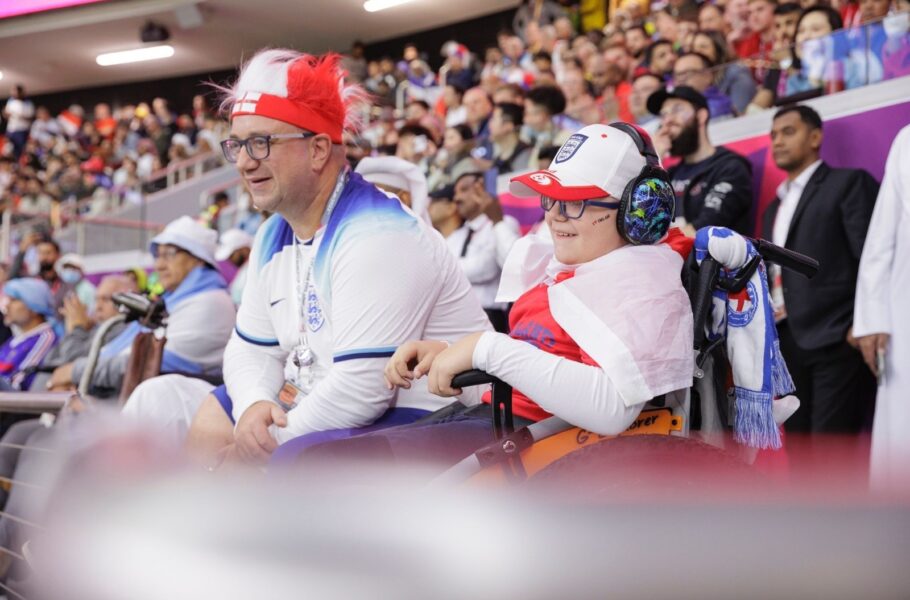
While FIFA has acknowledged the accessibility concerns of supporters, FIFA has committed to putting fans first.
FIFA has committed to a number of measures to address the accessibility issues associated with the FIFA World Cup 2026, including implementing a Phased Ticket Release Plan and working with Local Authorities in each of the three host nations to establish Local Host Work Groups to streamline Travel Logistics for fans attending the World Cup.
Addressing the issue of accessibility for supporters is critical for the World Cup 2026 as balanced accessibility for all supports the positive image of the World Cup and continues the FIFA World Cup’s history as a globally accessible football celebration for fans from all backgrounds.
The FIFA World Cup 2026 will be shaped by Innovation, mainly through advances in Technology that enhance Fairness and Safety while also increasing Match Excitement.
FIFA continues to develop and refine the systems that were introduced in recent tournaments in order to improve the way decisions are made and how much confidence fans have in those decisions.
Technology, Officiating, and the Future of Match Control

Technologies such as Semi-Automated Offside Detection and Advanced VAR Video Assistant Referee Systems remain central to the way that Games will be Refereed and will continue to rely on the support of Data Analytics companies as well as Broadcast Partners to minimize Human Error while keeping a smooth flow on the field for all Global Football Matches.
Player Welfare and Performance Management

Player welfare will also be a priority for the 2026 World Cup, with improvements to the way Player Cooling Breaks are optimized during play and how players monitor their Workloads.
As Leaders like Gianni Infantino are trying to balance the demands of Performance with the Health of Athletes on an Expanded Tournament Schedule.
Broadcast Innovation and Fan Engagement
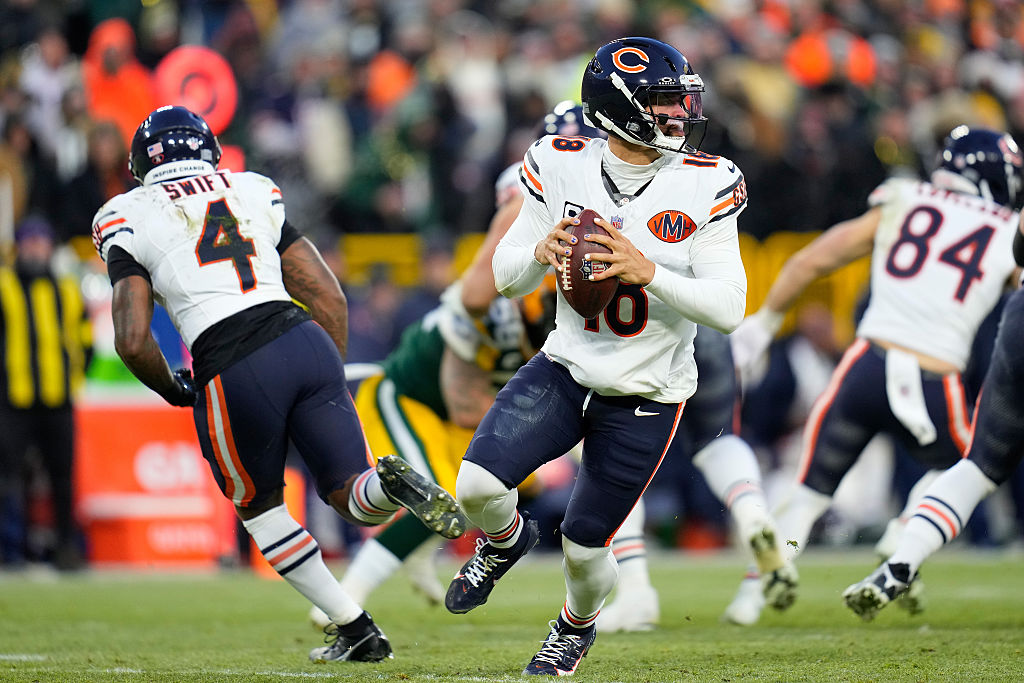
Broadcast technology continues to advance, with Networks like FOX Sports now providing not only Ultra-High Definition Feeds of the Games but also immersive and engaging Audio Experiences to increase Fan Engagement both at Home and in Stadiums.
It is through the combined effects of each of these Advances and Improvements that the 2026 FIFA World Cup will be positioned as a benchmark of Modern Sporting Events that blends Tradition and Technology to create a smarter, far more engaging Tournament Experience.
World Cup Qualification Expansion and Global Representation
The historic qualifiers and teams that participated in the 1950 FIFA World Cup set the path for all other teams, and they were the first official National Teams to qualify for the tournament.
As a result of the new qualification system, every continent now has at least one team that qualifies for the tournament that is represented at the World Cup.
Many more teams will be given the opportunity to be part of the World Cup tournament, as the number of participants will be able to increase to 48, meaning a larger percentage of teams are able to be represented than ever before.
The regional qualification tournaments will be very competitive and will also help to generate excitement and hope among many fans of participating countries.
Global Partnerships and Football Development
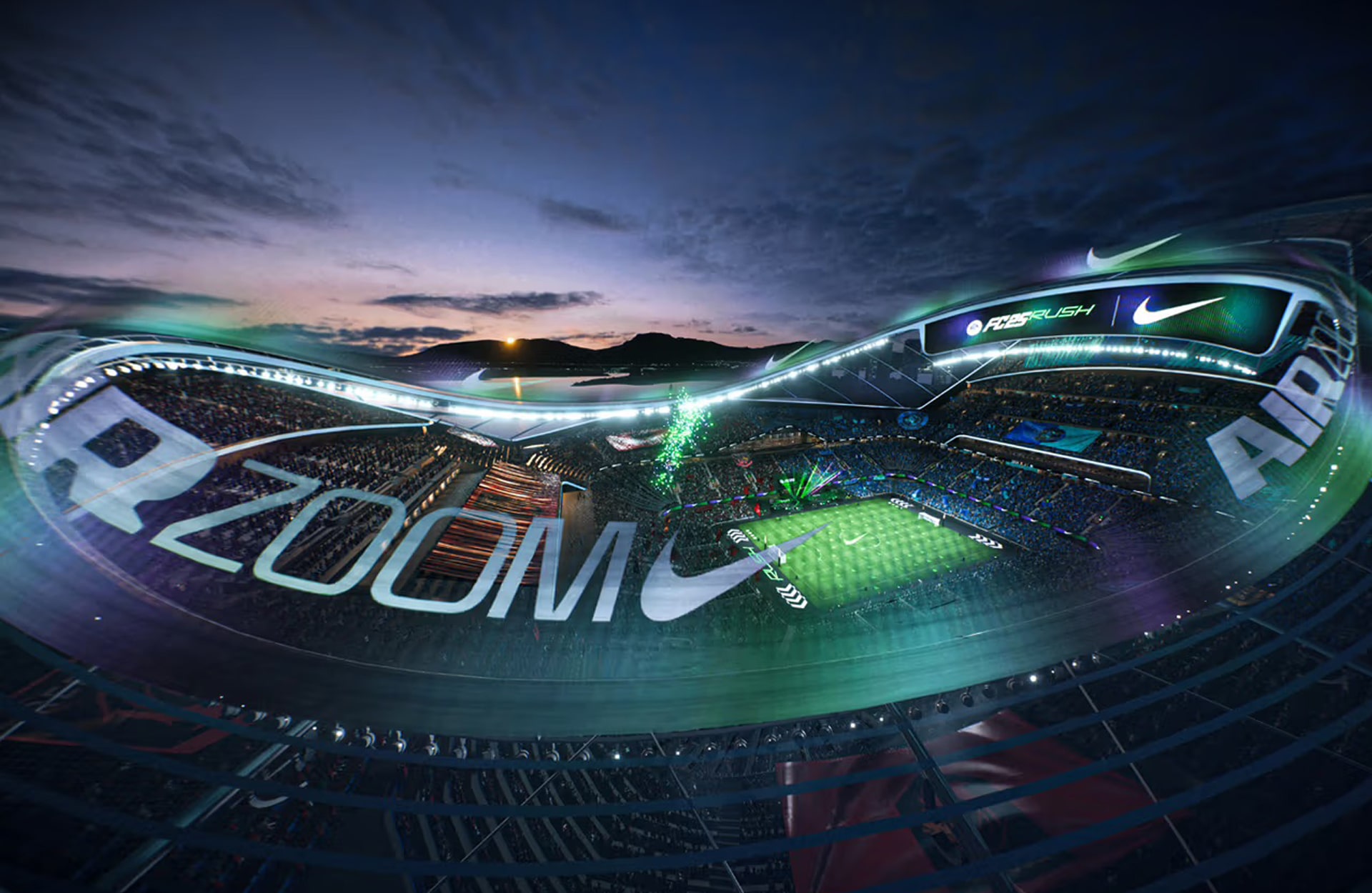
In addition to providing financial resources, FIFA is also partnering with many major global brands like Nike to support player development through sponsorship and other mechanisms.
Due to the rise of football and increased exposure to the game, some companies may now provide support for football, even though they typically would have not supported such a business.
The introduction of new teams and fans supporting these new teams will lead to increased excitement, and interest in World Cup matches.
Cultural Festivals, Fan Zones, and Global Unity

FIFA World Cup 2026 will celebrate culture, celebrate diversity of Music and Food, provide an opportunity to bring together the Global Identity of the World, and encompass Sporting Events.
The host cities will be creating experiences that extend beyond just the match day experience within the stadium setting.
Fan Zone Experiences will be organized through various sponsors (Coca Cola, and Visa) where Fan Zone Experiences will provide opportunities for Concerts, Cultural Exhibitions, and Interactive Entertainment, for Fans of Both Teams, whether or not they have purchased tickets to attend matches.
Cultural Exchange and Social Impact
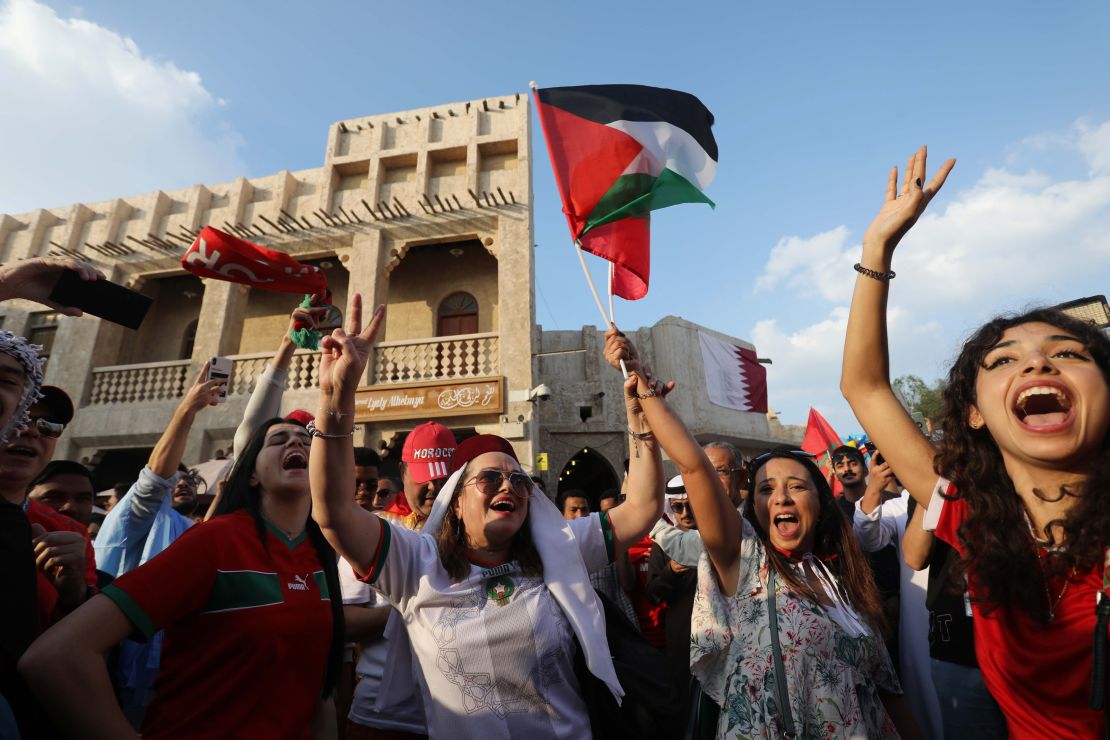
In addition to the above, this football event will also provide opportunities for Cultural Exchange, since fans of various countries will be able to simultaneously participate in the diverse multicultural traditions of their countries in one location.
City Tourism Bureaus and UNWTO will work together to develop Fan Experiences that provide a sustainable and inclusive Tourism & Travel opportunity for fans.
Other Public Figures besides David Beckham demonstrate that this community is not uniquely about competition.
Coming Together Through the FIFA World Cup 2026
The FIFA World Cup 2026 Is More Than Just About Sports.
It will be the date when all of the supporters of the World Unify as a Result of the FIFA World Cup and all of the Social and Emotional Advantages that come with it and its Impact on Future Generations.
Preparing for the Finals and Tournament Strategy
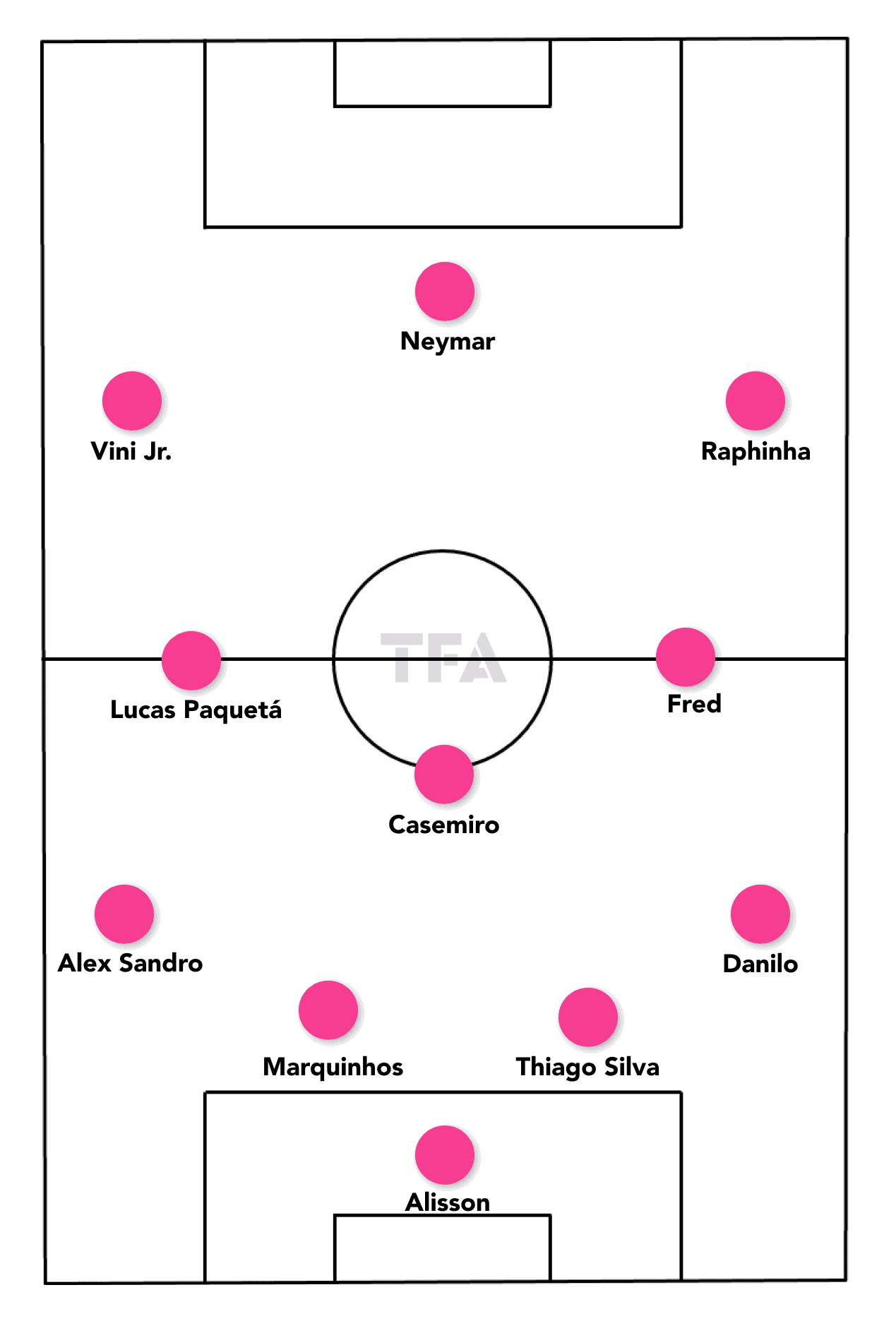
All Teams, Coaches and Analysts have now reached a high level of intensity in planning for FIFA World Cup 2026 as they put their strategies together to compete against an increased number of teams.
Teams will use various methods of tactical preparation including Training Camps, Data analysis and Friendly Matches prior to the start of the first match.
Coaching, Rotation, and Sports Science

The Coaches of each National Team such as Didier Deschamps and Gareth Southgate are preparing their teams including the rotation of players in their squads to ensure recovery.
Coaches use partnerships with sports science companies like Catapult to analyze player performance and manage cumulative fatigue across venues.
Forecasts, Analytics, and Tournament Anticipation
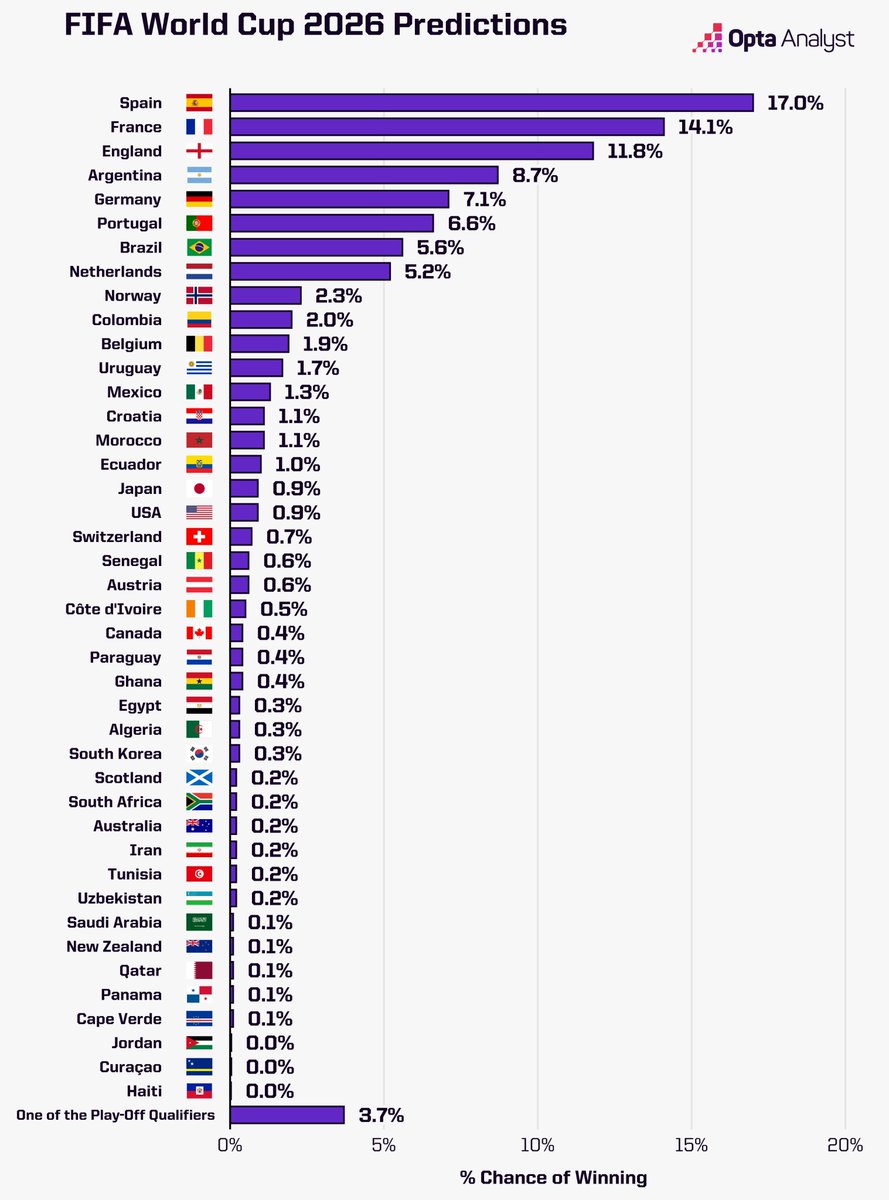
As a result of these analyses, organizations such as FIFA and UEFA have published reports containing projections on teams reaching the finals and potential sleeper selections.
This information creates dialogue and anticipation for both the knockout rounds and the broader future of international football.
Inclusion, Business Impact, and Long-Term Legacy
World of soccer will become more inclusive, provide greater opportunities for players from emerging countries, and introduce new competitive stories.
With the increase in the number of teams participating in this World Cup, we will see an increased level of competitive balance and increased levels of Fan Engagement throughout the tournament.
From a business perspective, the FIFA World Cup 2026 will combine Sports & Business on an Unprecedented Level. Business & Sports entities, Television Networks, and Municipal Host Cities will benefit due to the increased visibility provided to them, as well as through the improvement of Infrastructure, Growth of Tourism, and the lasting positive Economic and Societal impacts resulting to Host Communities.