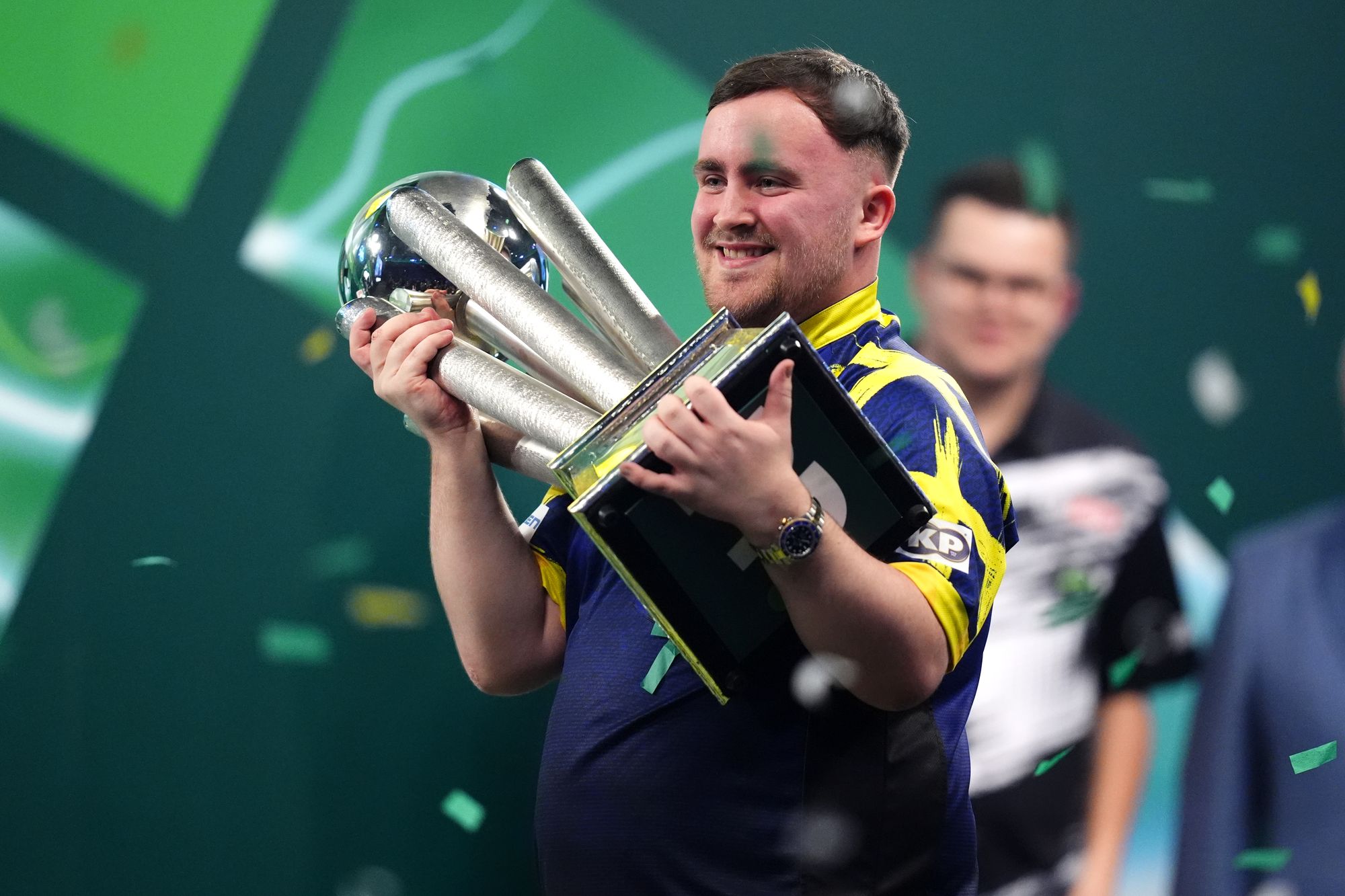
With his stylish form and the mentality to perform on the biggest stages of darts, Luke Littler has quickly become one of the most talked about names in professional darts, and has drawn worldwide attention.
As a result of Luke Littler’s dominance in the sport, people are curious not only about his natural talent, but also what goes into preparing him to perform at such high levels.
Whereas most traditional players are more ‘old school’ players of the game; Luke Littler represents the new generation who combines instinctive ability with a structured habit approach.
There has been a shift in how darts performance is supported from a fitness and focused approach and recovery process, along with a regular routine, rather than just spending countless hours at the board.
Purpose and Sources Behind This Analysis
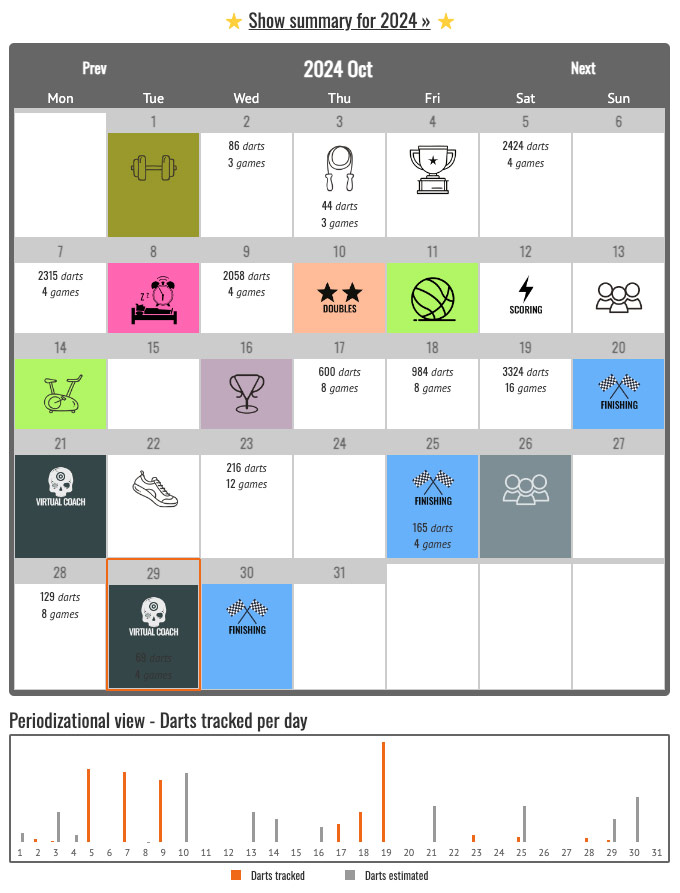
The fitness foundation and performance attributes of Luke Littler’s success will be discussed throughout this article.
The purpose of this article will be to help break down and explain a variety of different components that contribute to consistent placement of darts at an elite level through daily training, mental preparation, and a structured routine.
Data used for this article comes from reputable coverage from PDC, Sky Sports, The Guardian and commentary from several professionals in the sport.
The purpose of these sources is to differentiate ‘myth’ from ‘measurable preparation.’
Whether you are a competitive league player or someone looking to break into being the darts champion of the world, learning about these principles and applying them will help your game and give you achieve measurable results.
Luke Littler’s style illustrates how a well-structured approach and smart structures often lead to the biggest impact on long-term performance as opposed to extreme amounts of effort.
How He Throws Naturally and Utilises His Body Efficiently
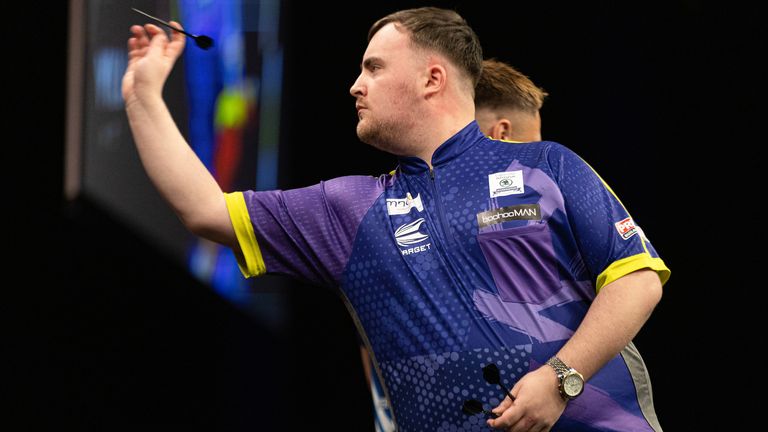
Commentators from Sky Sports have often been impressed by how little strain can be observed during his throwing motions, even throughout lengthy matches.
The way in which Littler throws darts is efficient and helps to minimize fatigue, allowing him to maintain consistency during high-volume tournament schedules typical on the PDC Tour.
From an energy conservation point of view, Littler’s throwing style aligns with the principles of conserving energy.
Littler’s throwing motion reduces the stress placed on the shoulder and forearm by allowing him to use the least amount of motion needed to perform the motion correctly, therefore, reducing the risk of overuse injuries that are commonly experienced by professional darts players.
Mental Calmness and Technical Simplicity
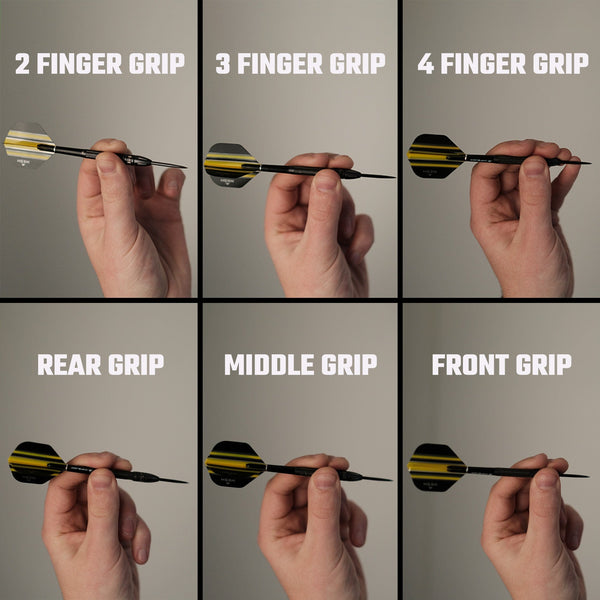
Being physically efficient when throwing darts helps players mentally stay calmer than they would if the throwing technique caused more strain on the body.
Because Littler’s throwing motion is simple and repetitive, the player experiences a lower cognitive load and is therefore able to focus on the scoring pattern rather than adjusting the mechanical aspects of the throw during critical moments in the match.
For developing dart players, Littler’s technique also teaches players that power is not as important as rhythm and control.
The player who throws a relaxed, efficient dart often has a higher level of performance than the player who forces the throw and tries to achieve speed or exaggerated follow-through techniques.
Training Plan That Emphasizes Consistency Over Duration

Littler’s training plan dispels the long-held notion that the more time a person spends practicing, the better they will become.
Littler has publicly stated that shorter, intense practice sessions improve performance without leading to mental or physical fatigue.
During his training, he focuses on the most effective drills (i.e., consistent hitting of the treble twenty, practising checkout combinations, simulating pressure) within this very efficient training format.
Sports Science and Practice Structure

As proven by sports science, the focus should be on having shorter, intense training sessions because they increase concentration and the ability to learn the skill naturally.
Excessively lengthy practice sessions normally produce diminishing returns or results, since at a certain point, the quality of motion will deteriorate due to over- practising the mechanics.
Littler combines solo drills and match-play in his training.
The combination of both types of practice allows for the repetition of technical elements while practising the cognitive decision-making skills necessary for competitive play on television.
Practice, Recovery, and Sustainable Improvement
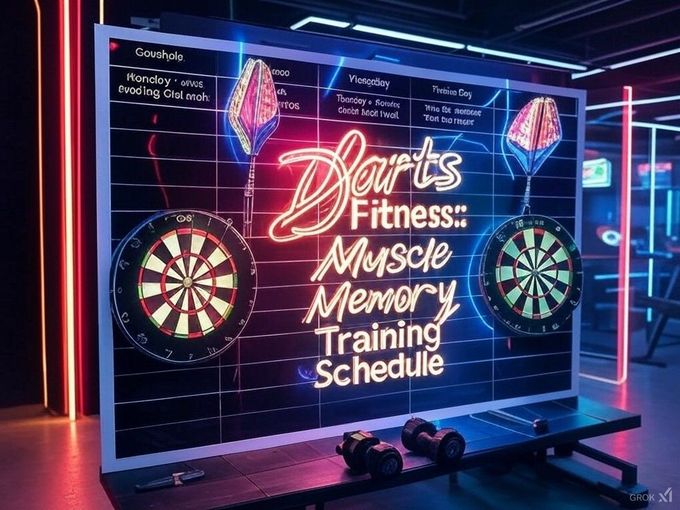
When compared to unstructured and lengthy training sessions, regular practice and recovery plans are a proven way to improve a dart player’s chance of success.
This is true especially when scheduled intervals are included to allow for adequate rest between regular practice blocks.
Preparation for a Match with Warm-Up Habits
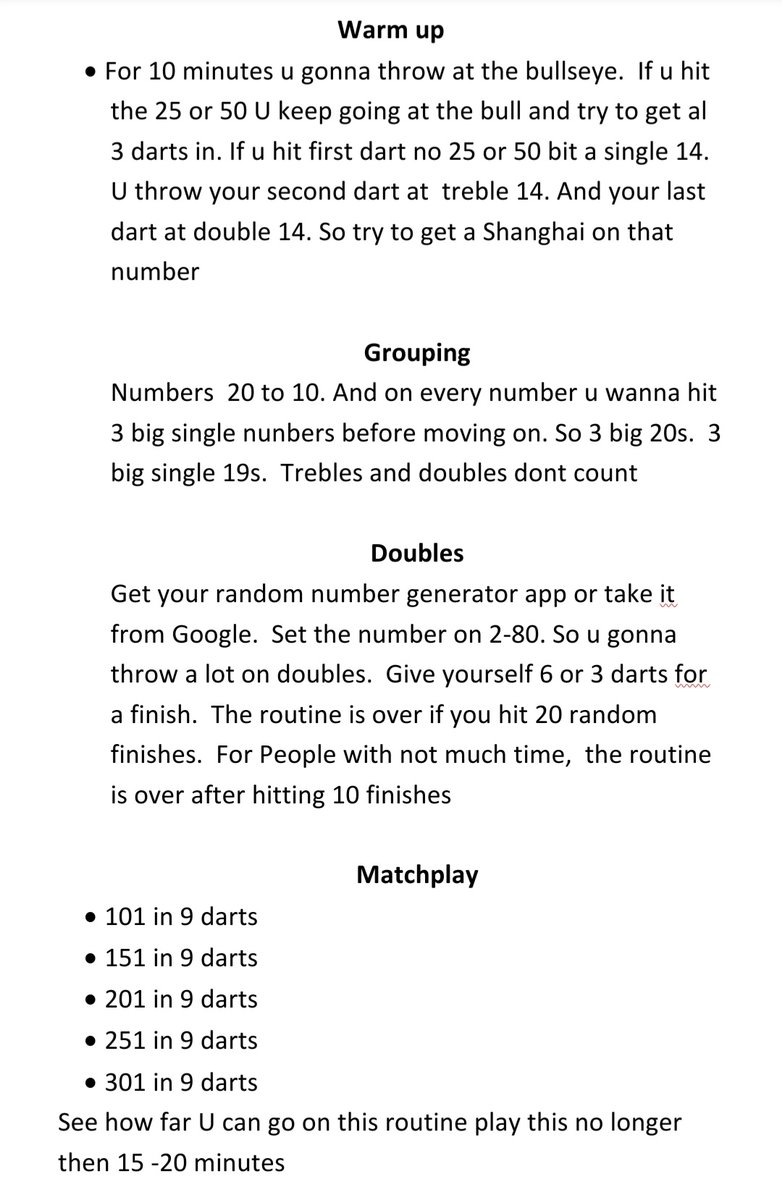
Luke Littler’s warm-up routine is very simple and consistent for each match he competes in.
As opposed to deteriorating his performance by doing many different warm-ups prior to the beginning of the competition, he has established an extremely light activation routine that consists of only activation throws.
This routine is designed specifically to help him settle down his rhythm and timing while preparing him for the competition.
Precision Sports and Mental Readiness
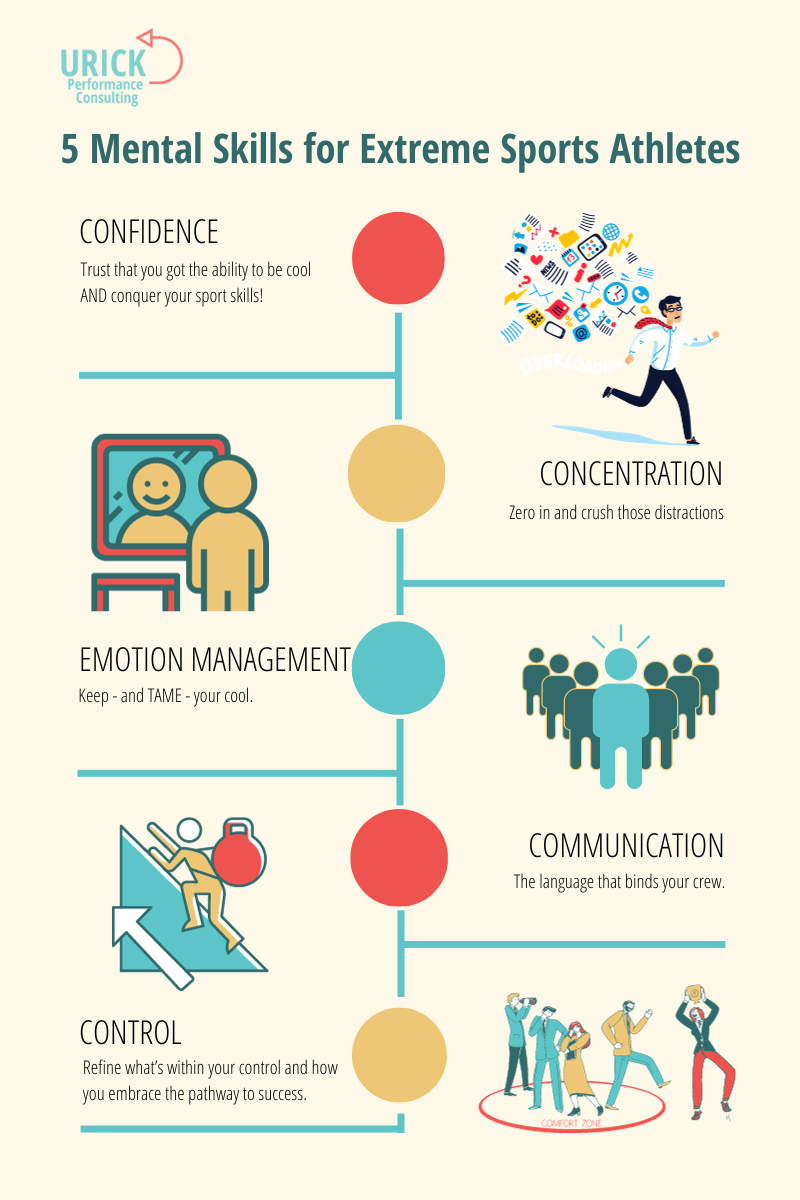
The warm-up consists of a few scoring sequences and one or two checkout options, which is designed to activate muscle memory without creating an unnecessary amount of nervous stimulation prior to and during tournament play.
In the field of sports science, there is a well-supported theory that a quick dynamic warm-up, similar to Luke Littler’s, is beneficial for competitors in the precision sports of darts.
If too much warm-up activity is performed prior to the start of a tournament, especially when a competitor is mentally fatigued, excessive thoughts regarding the upcoming competition may begin to impede the player’s optimal fine motor control.
The same degree of importance is attributed to the mental preparation of the competitor as it relates to the player’s ability to manage his arousal level in order to maintain focus and avoid becoming anxious prior to stepping on stage.
Nutrition, Sleep, and Tournament Recovery
As reported frequently in the BBC and The Guardian by various qualified Sports Nutritionists, consistent nutrition and meal timing are more important than the precise quality of food consumed for individuals that participate in precision-based sporting events.
This more realistic nutrition approach indicates that the best gains in performance come from small, sustainable lifestyle behavior.
For amateur players who regularly consume food and water, are mindful of what they eat and when they eat, and do not eat a heavy meal shortly before competing in a darts match, it has been shown to greatly improve their ability to regularly perform.
Sleep, Rest Recovery, and Darts Tournament Fatigue

As part of his preparation for playing the PDC schedule, Luke Littler places much emphasis on the importance of sleep and recovery.
Having a demanding schedule with multiple events, lots of travel, and media demands creates a lot of mental stress for the younger professional players who compete in the PDC.
Professional darts players attempt to achieve 7–9 hours of sleep per night especially during multiple-day events.
The primary methods of recovery from a PDC event include the use of light forms of mobility work, short walks, and limiting the amount of time using electronic devices in the hours leading up to bed-time.
Mental Conditioning and Coping with Competitive Pressure
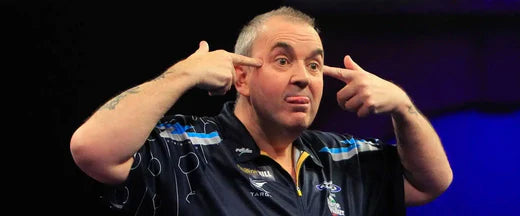
One of the most significant advantages of Luke Littler’s success on the professional stage of darts is the ability to remain mentally strong. Sky Sports and the PDC both regularly cite how well Littler has handled himself in high- pressure situations against world-class players.
Littler utilizes simple mental routines to stay calm, instead of becoming overly emotional, whenever he is under pressure.
Most Sports Psychologists will indicate that controlling the breath as well as using pre-shot prompts and resetting emotions very quickly whenever an athlete approaches a performance crisis are all basic elements used by many precision-based athletes.
Utilizing these techniques will assist in regulating the levels of adrenaline released, thus avoiding making impractical post-performance decisions and maintaining the throwing rhythm that will allow Littler to focus on the implementation of his playing procedures versus the results of each of his thrown darts.
Performance experts in all professional sports frequently endorse this practice.
Mental Resilience in High-Exposure Environments
As a result of very loud crowds and television coverage of darts, the requirement for mental resilience is becoming increasingly important for young players.
The PDC has also stated that the younger generation has had more exposure to Mental Conditioning than previous generations of PDC players.
Physical Preparation and Injury Prevention
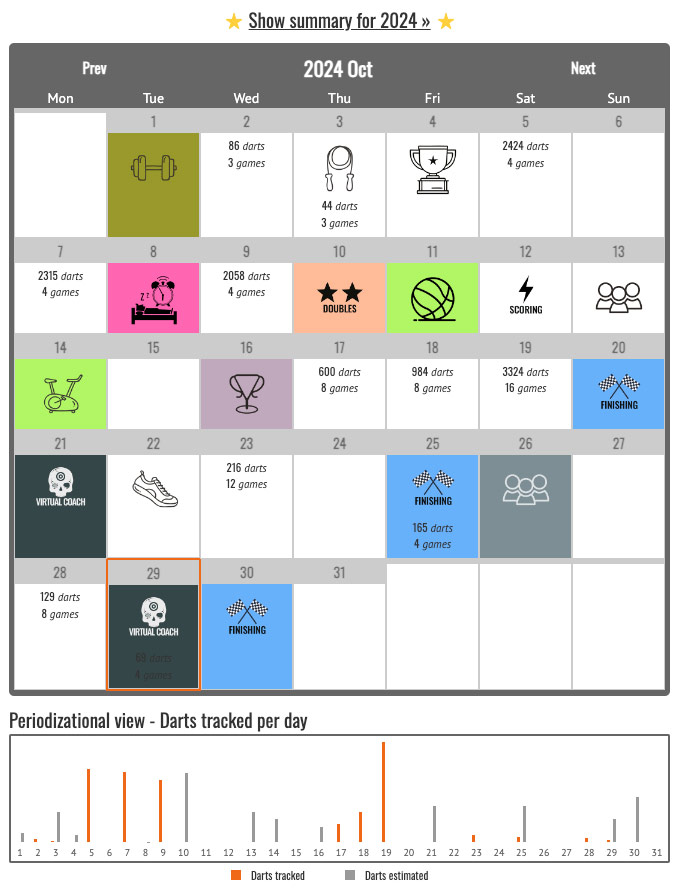
Most training drills consist of lower- or no-weight exercises due to the nature of the sport’s posture and repetitive nature.
Sports medicine professionals recommend utilization of resistance bands, light dumbbell and bodyweight exercises by players.
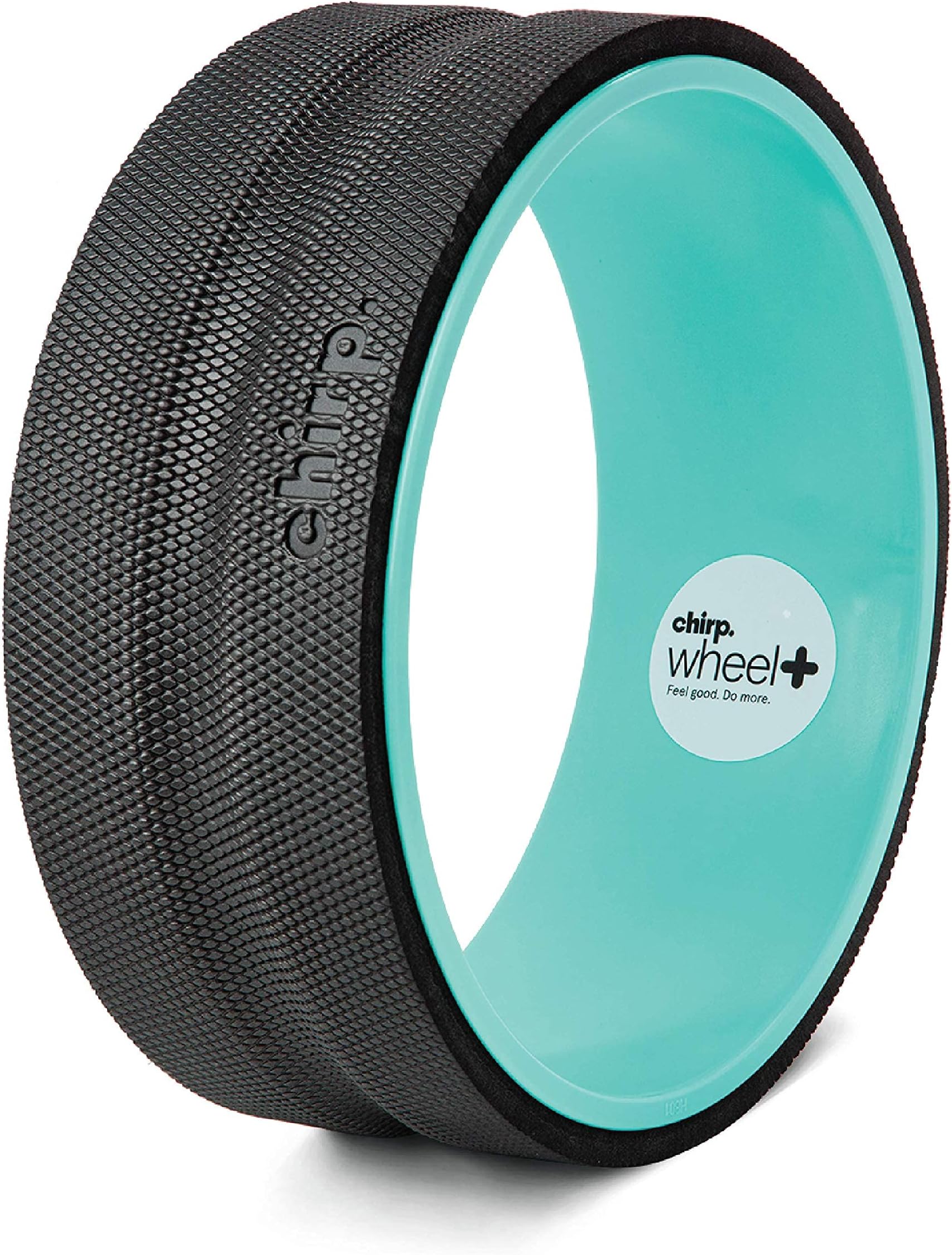
Maintaining mobility will improve endurance during multiple dart matches.
Cumulative stress is applied to a player’s joints because of the duration of matches and the frequency of throws.
Stretching and recovery programs are critical to maintaining the consistency of an individual throughout the entire tournament.
Modern Sports Science Approach to Consistency
The maintenance philosophy as applied to Luke Littler is a modern sports science approach and not a maximum- strength approach.
This allows him to stay as comfortable as possible physically, while reducing his risk of injury, and allowing him to remain consistent during the rigors of tournament play.
Equipment Stability and Performance Confidence
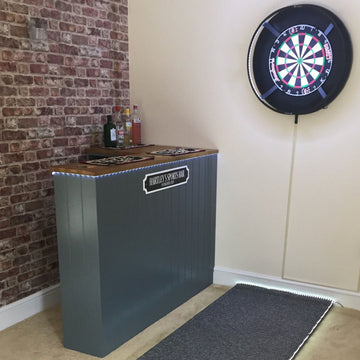
There are many subtle aspects to the choice of equipment when training for and competing in darts; such as creating an environment that allows for confidence, a stable feel when releasing a throw, and maximizing repeatability of a broad spectrum of throwing motions.
Players like Luke Littler have chosen to set their equipment up in a stable and familiar manner, which is similar to their training philosophy.
This has been reinforced by both the manufacturers and coaches on the professional tour.
Top-quality product manufacturers, like Winmau, Target, and Harrows create and manufacture products that have been designed for balance and durability, both of which are essential to a player’s success on the PDC tour.
Consistency of dart weight, shaft length, and flight size will create and maintain muscle memory when under pressure.
Ergonomics and Standardized Playing Conditions
In addition to the darts themselves, ergonomics also includes the way players train and have their equipment set up.
The setup of a player’s darts board, such as height, distance from the oche, lighting, and what type of shoes he wears, has a significant impact on that player’s posture and visual alignment.
Organizations like the Professional Darts Corporation (PDC) standardize the equipment players use, which reduces the environmental difference from country to country.
This assists with the establishment of the same competitive conditions globally for all players.
Match Simulation and Competitive Readiness
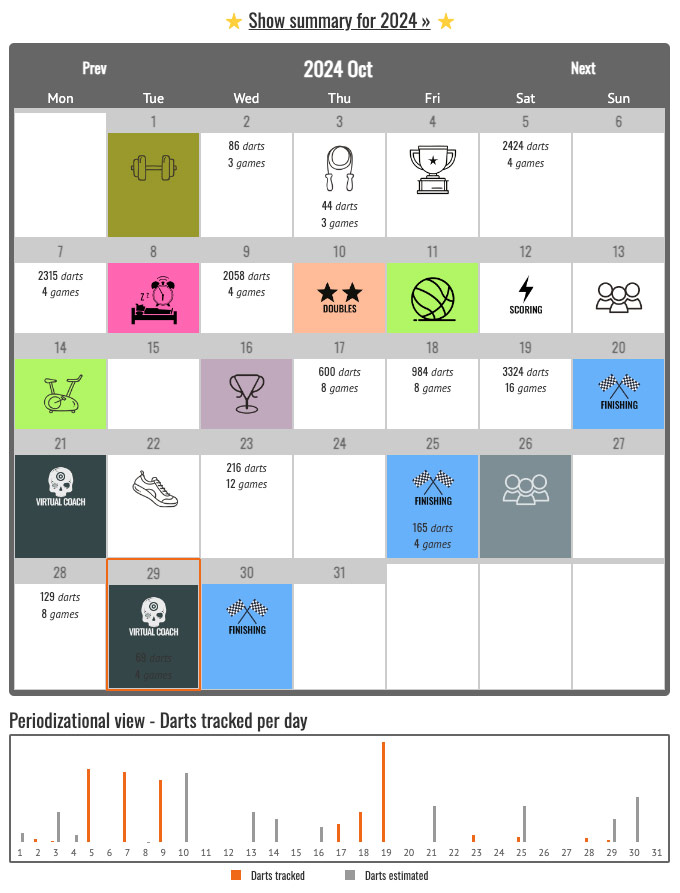
Littler’s advice about not over-adjusting equipment echoes what experienced players and coaches have told him throughout his career.
Once a player finds the right fit for their equipment, the less a player adjusts their equipment leads to less doubt.
Preparing for High-Pressure Match Environments
Match simulations are a significant component of Littler’s preparation for matches.
These simulations help current players transition from the practice environment to the live competition environment.
By using simulated legs, determining scoring targets, and establishing window time deadlines, players are better prepared to succeed in the televised match atmosphere.
Thus, learning to slow oneself down or speed up intentionally during high-pressure legs has been identified as an essential skill for all players during high-pressure legs in bearing on Breathing pace.
Recovery, Travel, and Long-Term Performance
Coaches throughout the PDC circuit provide their players with opportunities to practice with simulated crowd noise.
They also practice in scoring deadlines and compete alongside players who are at the same level of skill.
Studies indicate that familiarity reduces anxiety for most people.
Automatic habits will emerge from repeated experience and execution, which enables players to continue their performance at a high level with minimum thought involved during critical moments of matches.
Managing Travel Fatigue and Physical Recovery
Recovery tools, travel habits, and regular physical maintenance through recovery are essential for Luke Littler due to the rigours of the traveling lifestyle of a professional Darts player.
Athletes on the PDC circuit will often travel to compete in several different countries in a short space of time.
Portable Recovery Tools like those from Brands such as Therabody and Hyperice are commonly found on the circuit.
Many of the athletes are using short, constant routines for maintaining their mobility, including light stretches, resistance band routines, and walking sessions.
Professionalism and Recovery in Modern Darts: Luke Littler
Luke Littler is a good example of the professionalism associated with the sport of Darts. He has adopted a professional approach to recovery and includes it in his general training routine as part of his training so that he can continue to perform at high levels in tournament after tournament, and avoid excess injury through mental fatigue and high competition levels, throughout the Darts season.
Luke Littler’s success has stemmed from having a clear support structure in place. He has benefitted from the guidance of experienced Coaches early in his career, prior to entering the world of elite professional competition.
The UK has several professional darts bodies that support the youth of our country. They all provide a structured way into the professional game offering competitive match experience to young players while providing the highest standards at an early age. This provides a platform for technical development and also for mental toughness.
The experience of a professional player has a direct impact on the development of a young player through advice on pre-match preparation and travel management and ways to manage the demands of the media and help the younger competitor develop their own game faster when they enter the professional tour.
Support Structures and Elite Performance Sustainability
Luke Littler’s backroom staff show that he is not the first person to have achieved elite performance, but he has a balanced support structure with trusted mentors and consistent feedback that allow him to develop his talent without the added pressure of feeling that he could burn out.
Using Data, Video Analysis, and Technology to Improve
Modern darts players increasingly have access to technology-based tools and the player Luke Littler has benefited from this movement toward data-based performance information. The use of video footage allows all players to review their stance, timing of release and the subtle changes that may occur from the mental and emotional pressures they experience during competition.
The PDC and companies such as Sky Sports regularly analyse throw mechanics on the screen in front of an audience, reinforcing the value of visual feedback. When players can see their performance objectively, it helps them to identify problems in the routine that may otherwise be difficult to detect during competition.
Many players have access to mobile apps and other digital platforms that allow them to track their averages, checkout percentages and treble hit percentages. This allows players to know what is important to work on in practice sessions and identify areas of weakness first, before reinforcing strengths that have already been established.
The video recording of matches can also assist a player with the mental side of the game. Marking the successful finish will provide confidence to the current athlete and examining an athlete’s mistakes develops problem solving instead of frustration. Successfully completing a task provides confidence to the current player while understanding the mistakes of the past promotes problem-solving ability rather than increasing frustration. Many professionals use Performance Analysis to help their clients develop skills that are based on learning from mistakes.
Technology as an Assistive Training Tool
Littler and Developers Today look upon Technology as an assistive tool in the training process rather than a hindrance. Using Technology (i.e., Data and Video) will enhance an Athlete’s ability to prepare for events, improve their self-confidence and allow them to maintain Consistency throughout the rigors of a Professional Season.
Media Pressure, Public Exposure, and Athlete Well-Being

Many Celebrities today face increased Media Attention due to their Rapid Success, presenting additional problems for Luke Littler, a young Dart Player, as a result of increased interviews, sponsorships and public scrutiny. In addition, Failure to establish adequate Personal and Professional boundaries may escalate stress and anxiety for Professional Athletes.
Luke Littler is featured frequently on various BBC and Sky Sports programs, which raises Luke’s Exposure and Prominence; unfortunately, this may also add an extra layer of pressure to an Athlete.
Therefore, it is vitally important that all Professional Athletes develop skills in managing the pressures of these commitments so that they do not affect their Focus and Energy Levels during a key point in competition.
Professional Sports Organizations now put a high priority on Providing Media Training to All Emerging Athletes so that they understand how to behave during both Interviews and on various Social Media channels, and how to meet the Public’s Expectations of them. Learning these skills will ultimately enable the Athlete to Manage Stress and Avoid Distractions from their Training Routines.
The emotional and logistical support provided by Athletes’ families and trusted advisors creates the opportunity for athletes to Lead “Normal” Lives.
Youth Development, Long-Term Planning, and Career Sustainability
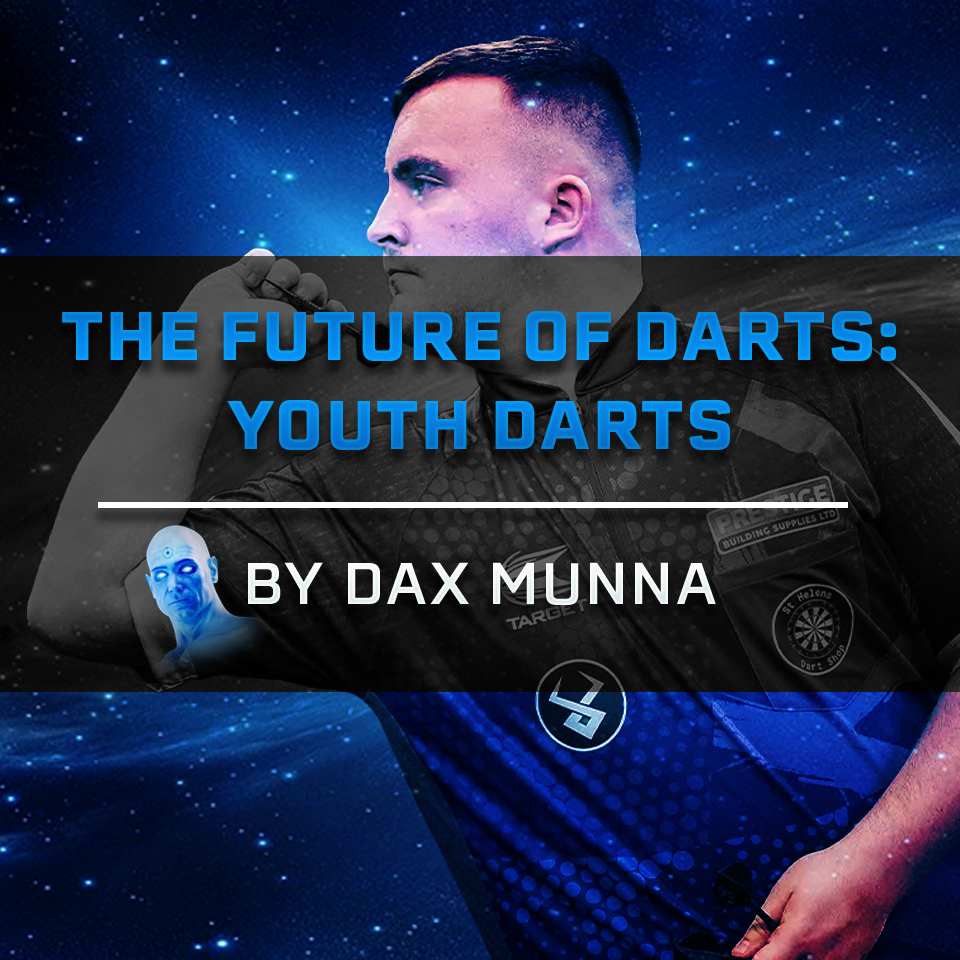
Luke Littler’s ascent further proves the effectiveness of a thoroughly defined youth development program in modern darts.
While there have been some successful young players, it is critical that they strategically plan for all aspects of their youth, including education, as well as health and well-being concerning travelling and competing. Coaches and families now work more closely together to ensure physical development, mental strength and enjoyment are always at the forefront of a player’s growth during their youth.
Many former professional dart players, commentators, and those in the industry, such as those affiliated with Sky Sports coverage, continue to communicate the importance of patience as it pertains to youth development.
Exposure to pressure progressively helps to curb potential for putting pressure on the player’s life outside of a dart board too soon, supporting an easier transition into full-time, professional competition later in their career.
Training Structure, Physical Conditioning, and Consistency
The methodical approach to development through a clearly defined structure, patience and support will equal a potential for creating a high-level performance on a consistent basis. For aspiring darts players, long-term planning is more beneficial than trying to get an immediate return on the investment of hard work today in their development of darts globally.
Elite preparation involves a significant amount of short, concentrated-session practice time that can be found by recreating what elite players do. Recreational players tend to achieve greater success by dedicating 30-40 minutes each week to unstructured, unfocused training than they do by spending two hours at the board weekly without planning or focus.
Maintaining a basic level of physical conditioning will keep you in shape throughout your career as a dart player. Even minor shoulder and back mobility routines, postural awareness training, and minor resistance exercises will decrease fatigue and soreness for those players who play darts on the road against their local dart leagues while still having work obligations during the week.
Conclusion: A Model for Sustainable Excellence
Luke Littler provides an example of how to improve without extreme methods or sacrifice. Sustained mental and physical dedication to consistent habits, reasonable goals, and fun while playing will ensure that all serious players will progress consistently and continuously.
The following conclusion summarizes why Luke Littler has successfully dominated the professional darting world: Luke Littler’s success comes from much more than just having the natural ability to throw darts. It also comes from a progressive performance mindset of incorporating focused training, efficient physical habits, and rigorous mental preparation into a system for success developed and supported by professional players and facilities.
In addition, it is important to note the support systems behind Luke Littler. Coaching relationships, support from family and friends, and access to modern coaching techniques such as video analysis and data collection can provide the coach and player with continuous opportunities for growth while limiting unnecessary distractions and pressure.