As there are now many more games and many more different types of opponents than before, players will be evaluated not just on their ability to play soccer, but also on their ability to develop their soccer skills and adapt to a new environment, manage their health/physical condition through stamina and recovery as well as demonstrate tactical acumen to compete consistently under extreme travel and compressed recovery time during the entire tournament.
Today, with the advent of advances in sports science, the use of sophisticated statistical and analytical methods to evaluate and assess players together with the comprehensive structures established by organizations like FIFA and top-flight professional clubs, analytical models now determine players capable of achieving the highest levels of output (e.g. Goal-Scoring) during the group stage and knockout rounds, amongst other performance metrics.
The tournament also creates the highest level of visibility and credibility for world soccer rankings, sponsorship support and club reputations.
This means that a player’s performance during the World Cup will have a major impact on a player’s career, potentially creating new opportunities for elite-level transfers and changing perceptions of entire national teams in front of a worldwide audience.
Key Factors That Define the Best Players in 2026

This article examines what factors combine to make up the best players at the World Cup in 2026: technical aptitude, physical readiness, mental strength, and tactical fit, which causes modern players to begin to distinguish themselves from the rest on the most demanding international stage (World Cup).
Players who can perform at high levels while conserving energy will be favoured in selection due to the increasingly systematic way that national coaches will manage rotations and recovery.
With the new format, tactical preparation will be much more thorough because teams will face the new playing styles of many new footballing nations.
As a result, the best players in the World Cup 2026 will have demonstrated that they are able to combine a consistent level of performance with both mental and physical adaptability.
They will have created a valid impact in numerous games within the confines of the new tournament structure, which has expanded and will be much more physically demanding.
Elite Psycho-Physical Footballing Skills for World Cup 2026

Although elite players at the World Cup continue to rely on outstanding football ability, success will now depend upon how fast they use those skills.
First-touch control, press-resistant passing and spatial awareness will determine who will operate at a high level in international matches in which many players will be involved.
Due to the increased intensity of defending, players will have significantly reduced time to receive and control the ball.
Accordingly, players trained at clubs such as Manchester City and Real Madrid will have a competitive advantage over their competitors.
This advantage exists primarily due to the fact that both clubs are focused on developing players by teaching them how to train so that they will make quick decisions when pressured within one or two touches.
Tactical Intelligence and Finishing Efficiency

Creative players create offence by moving without the ball and by employing decoy movements.
As they evolve, analysts employed by organisations affiliated with FIFA, will use phase-based methods to analyse progressive passes and line-breaking carries as well as chance creation rather than exclusively goals and assists.
The accuracy of finishing will separate elite level players from all others.
Tournament-style football creates fewer scoring opportunities.
This bonuses players who can remain calm while finishing off (converting) half-chances, especially when facing lower defensive blocks (the system of play is called “defending compact”), which is often seen across the knockout stages of a tournament.
Physical Conditioning, Fatigue, and Recovery
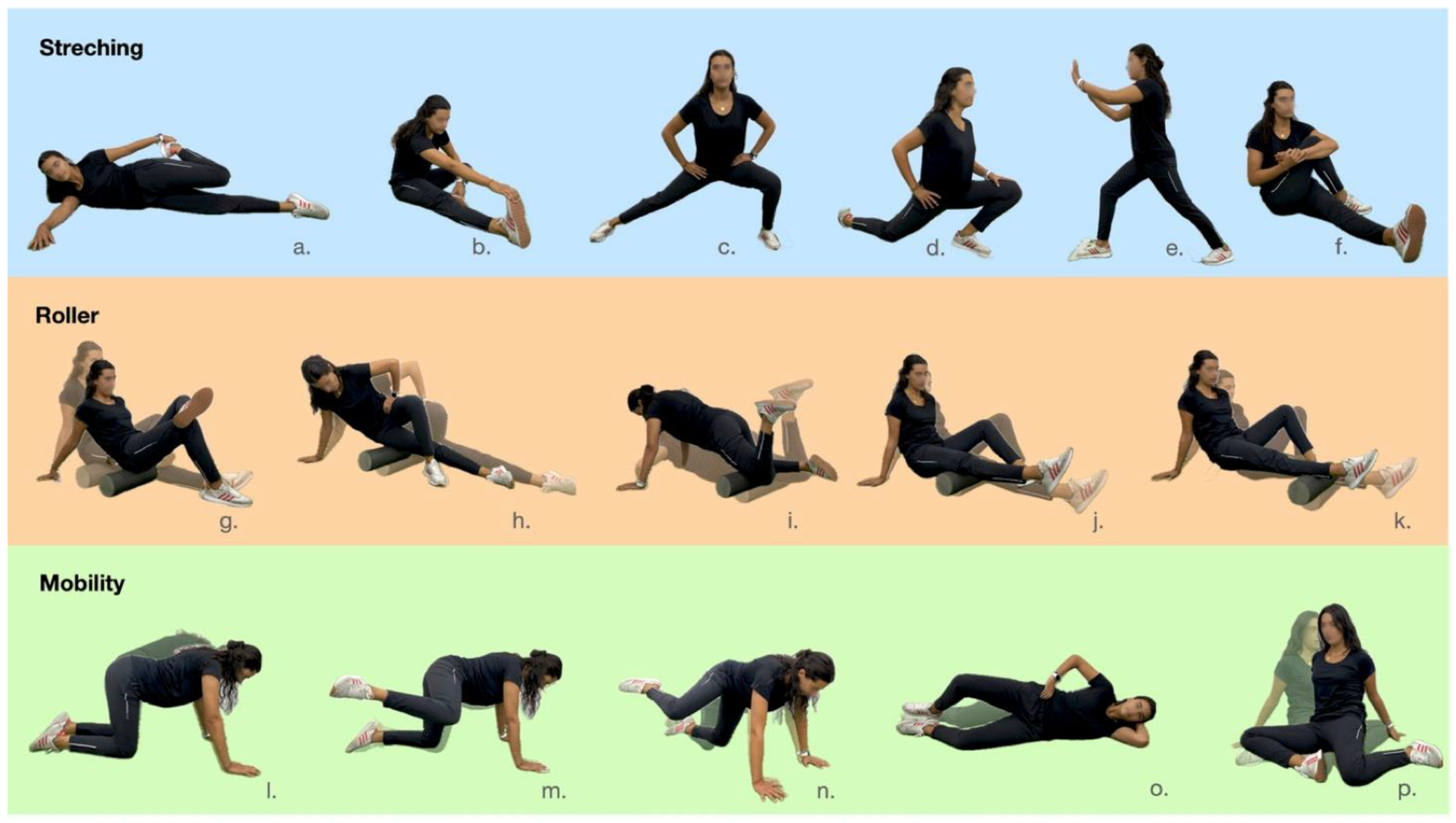
The key skill sets for excellent football in 2026 will include the following: a player’s ability to consistently demonstrate superior technical functioning under conditions of fatigue; speed of reaction and execution; and the ability to effect an outcome on the field of play repeatedly and consistently against well-prepared teams that will be organised defensively and tactically.
Players are expected to perform high-speed repetitive actions and maintain their technical accuracy from match to match.
They will do this through limited recovery opportunities between matches.
The majority of elite national teams and clubs have developed specific training programmes tailored to each individual player.
The aim is ensuring that the players reach their physical peak conditioning level regardless of whether or not they have played in multiple matches during the tournament.
Endurance, Injury Prevention, and Long-Term Performance
Wide players and midfielders are exposed to the greatest physical strain due to the amount of extremely high-intensity work they are expected to do during the course of a match.
Those players who possess superior aerobic fitness and sprint endurance will be able to maintain a high level of performance late in matches.
This becomes critical when the effects of fatigue dominate the decisive moments.
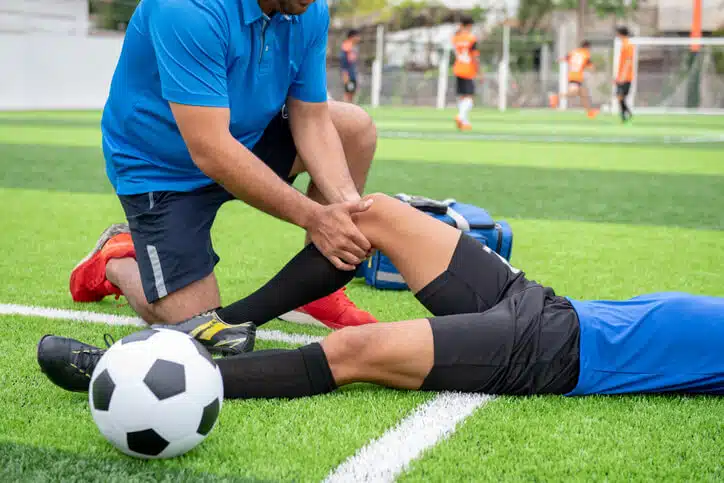
Injury prevention is equally critical.
Because the majority of clubs playing in the UEFA Champions League and at the highest level of international football have developed advanced medical systems and processes, players entering any tournament will have a reduced risk of sustaining a soft tissue injury.
They will also be more available to participate in the tournaments.
If the standards of physical excellence established by the previous World Cups are to be met in 2026, then physical excellence will require durability, recovery efficiency and sustained athletic performance over long periods of time.
This is opposed to relying solely on explosive speed and strength for isolated periods of time.
Tactical Versatility of Modern World Cup Teams
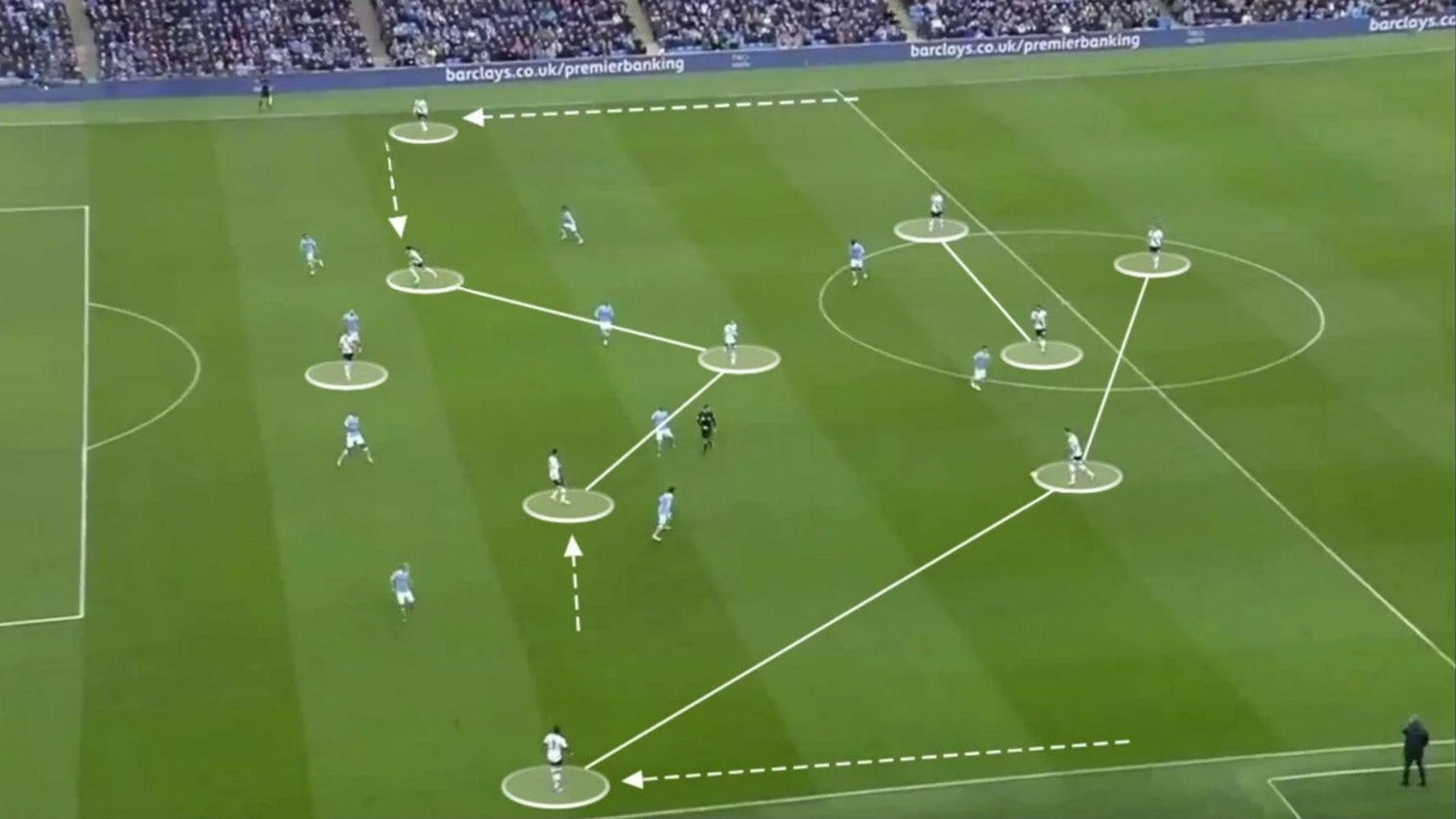
At the elite level of competition, tactical versatility will continue to be a fundamental requirement of any successful World Cup participant.
Each team will have assigned a specific tactical system that they will employ against various forms of tactical organisation from their opponents throughout the tournament period.
Players need to understand many formations and roles, and they will typically rotate roles during a game depending on the team they are competing against.
Hybrid Roles and Tactical Intelligence

Modern tacticians, like Guardiola or Ancelotti, influence how Managers view players in Hybrid Roles, where fullbacks play midfield, attackers play half-space, and defenders start the build-up with the ball under pressure from the opposition.
Players have high tactical intelligence and can read pressing triggers, defensive lines, and spacing without instruction.
This tactical intelligence is key, as it keeps players effective even when their teammates and/or formations change due to injury or strategic change.
Adaptable Player Profiles in National Teams
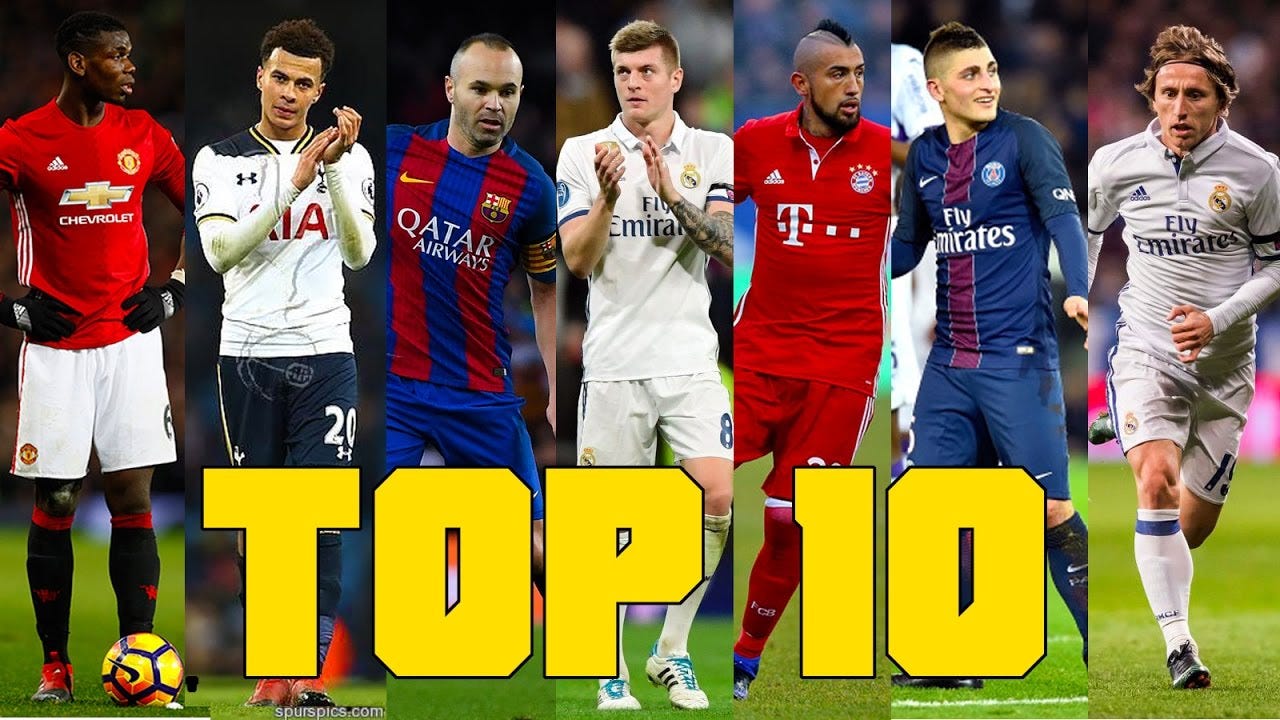
When selecting players for National Teams, teams are beginning to favour adaptable profiles rather than specialised players.
A midfielder who can play as either a Six or Eight will offer teams flexibility when they run a long tournament during the World Cup.
The best players at the 2026 World Cup will be players who are both technically sound and have tactical intelligence, so that they can be deployed confidently by their Coaches within a variety of playing systems.
Club Environments and Elite Competitive Exposure
Club environments influence a player’s readiness for the World Cup because the player who plays weekly in elite competitions enters with better tactical or mental readiness.
Players who have been exposed to elimination-style football, intense media scrutiny, and high levels of training have developed decision-making processes and habits earlier than those players who have not been.
Teams that participate in the UEFA Champions League and the Copa Libertadores provide players with similar conditions to those faced in the World Cup.
High-Pressure Club Experience and Player Reliability
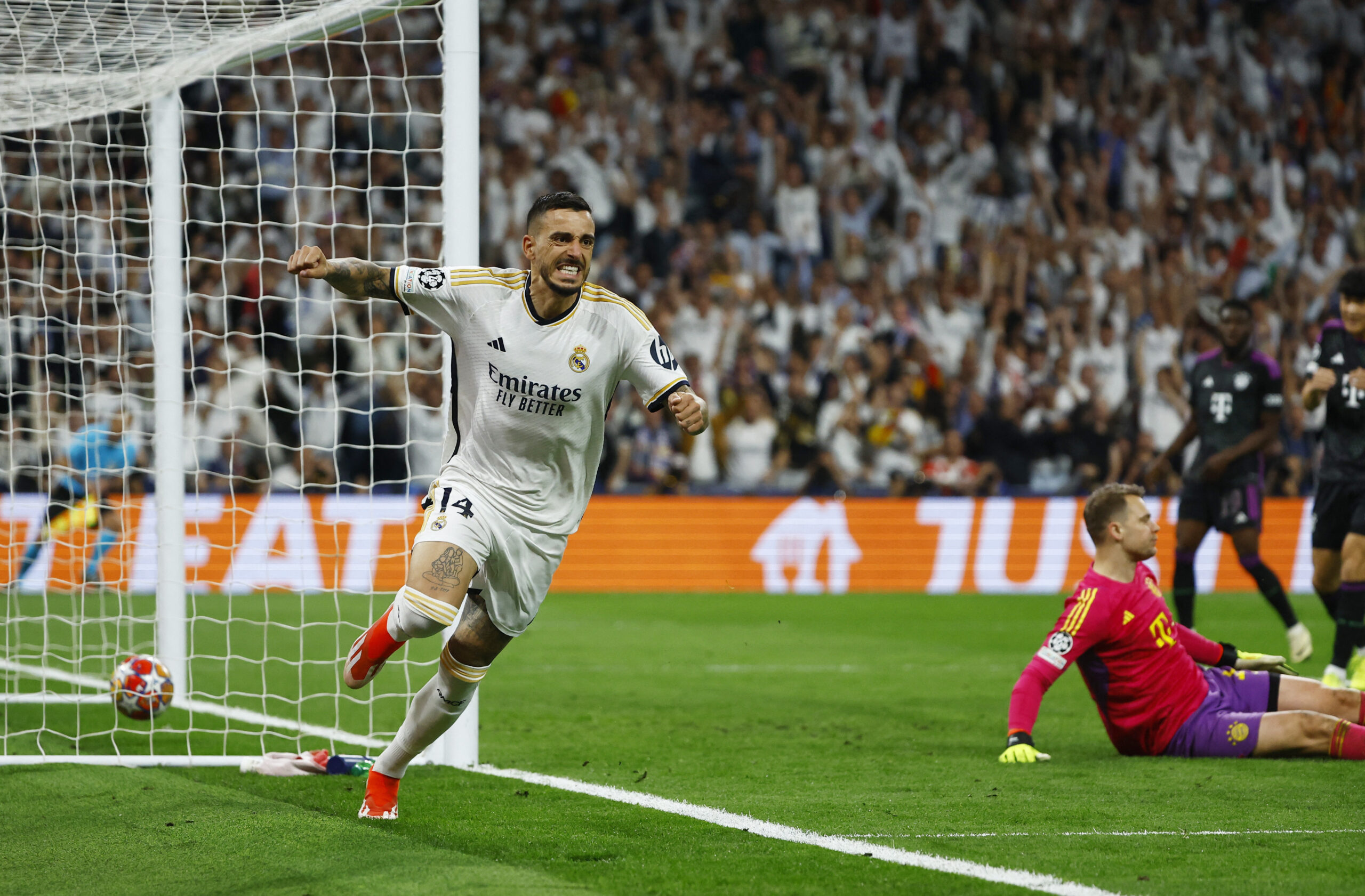
Teams such as Real Madrid and Bayern Munich develop players to have the same consistency of performance in pressure-filled situations.
Top clubs have invested heavily in sports science; nutrition; and recovery systems and infrastructure.
Injuries can often limit a player’s potential to represent their team at a major tournament like the FIFA World Cup.
Aligning Club Roles With National Team Systems
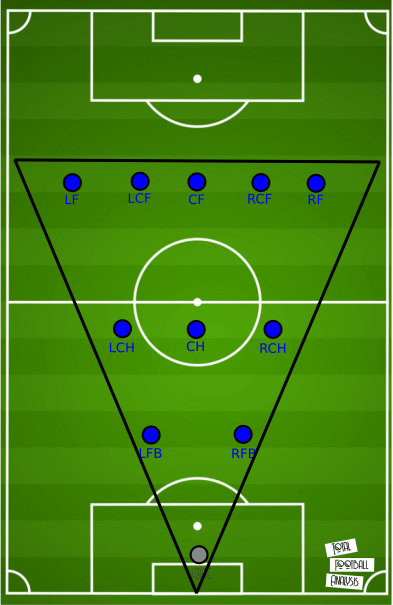
Prior to participating in international competitions, effective management of the domestic workload by team staff assures that players are optimally fit when participating in tournaments.
Having aligned club roles with national systems can improve performance significantly.
When a coach mirrors what is expected of the player on his national team, it enables that player to be placed on an international team with minimal transition time and greater tactical understanding of their role within that group.
Elite Club Development and World Cup Reliability
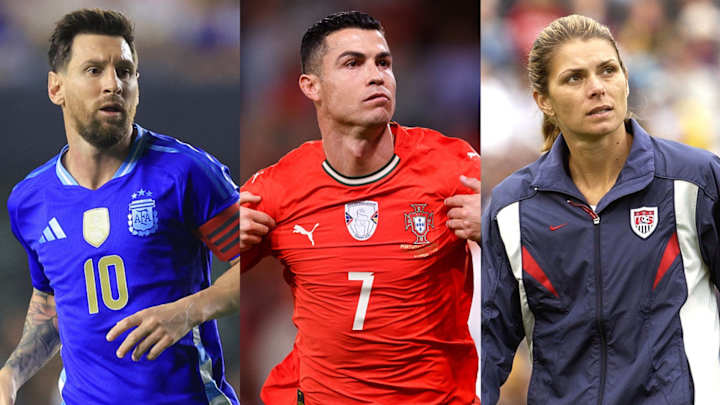
The players developed in elite clubs are often the most reliable members of a World Cup roster.
Due to their experience dealing with the high expectations of the fans, teams and coaches, as well as their expertise in managing their tactical and physical expectations, they can help a national team maintain strong performances in the later rounds of World Cups.
Intelligence and Performance Under Pressure

Sports psychologists play an important role within most national teams.
They provide support for players in developing routines for focusing and regulating their emotions and assisting them in creating visualizations that allow them to practice how to deal with penalties, setbacks, momentum loss through error, and, in some cases, winning matches due to the pendulum swing.
Leadership, Trust, and Mental Toughness
Players who have a history of performing well during the finals or derby matches typically earn trust from coaches quickly.
It is not always provided through motivating speeches.
Captains and veteran leaders work with referees and younger players, as well as maintaining their collective belief during times of unexpected swings in momentum in high-pressure tournament situations.
Mental Toughness in Closely Matched Games
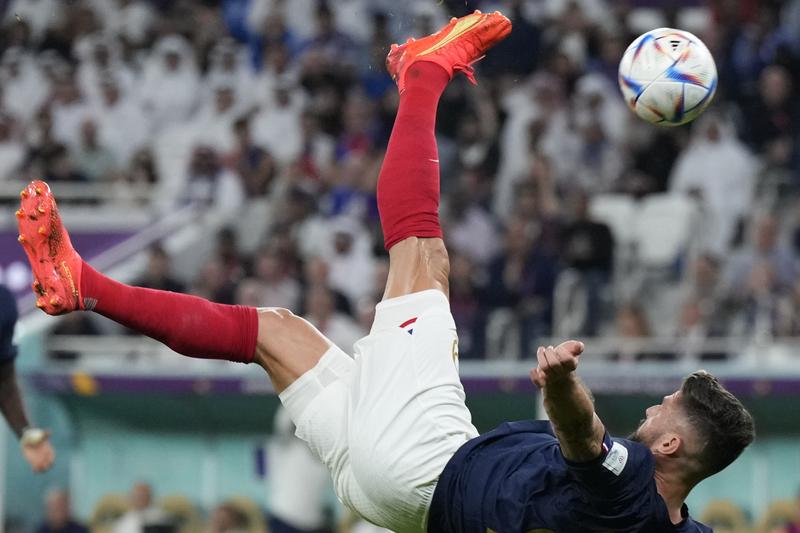
As evident by the margins that often separate evenly matched teams during the 2026 tournament, mental toughness is critical to the outcome of matches played between teams of similar ability.
Players who remain calm and collected after making mistakes and perform exactly as expected under pressure create a much greater impact on match outcomes than technically superior but emotionally unstable players on a global stage.
Data and Analytics in Player Analysis
Through performance analysis providers such as Opta and StatsBomb, coaches have a new set of advanced performance metrics that include Expected Goals, progressive carries and pressing efficiency.
These metrics identify players who contribute most effectively off the ball to improve the overall performance of their team during international tournaments.
Analytics, Injury Risk, and Squad Management
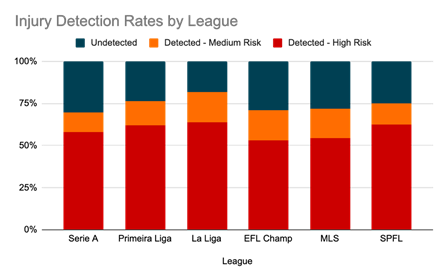
Analytics are also used to adjust performance outputs to account for the strength of the league and the quality of the opposition.
Player availability and risk profiles are developed based on a combination of players’ injury history, minutes played and recovery profiles.
All of this data is utilized by the medical and performance staff of the national teams to minimize injury risk and support the maintenance of a balanced roster throughout a necessarily compact tournament schedule created by FIFA and coordinated through the member federations.
Analytics as a Support Tool for Coaches
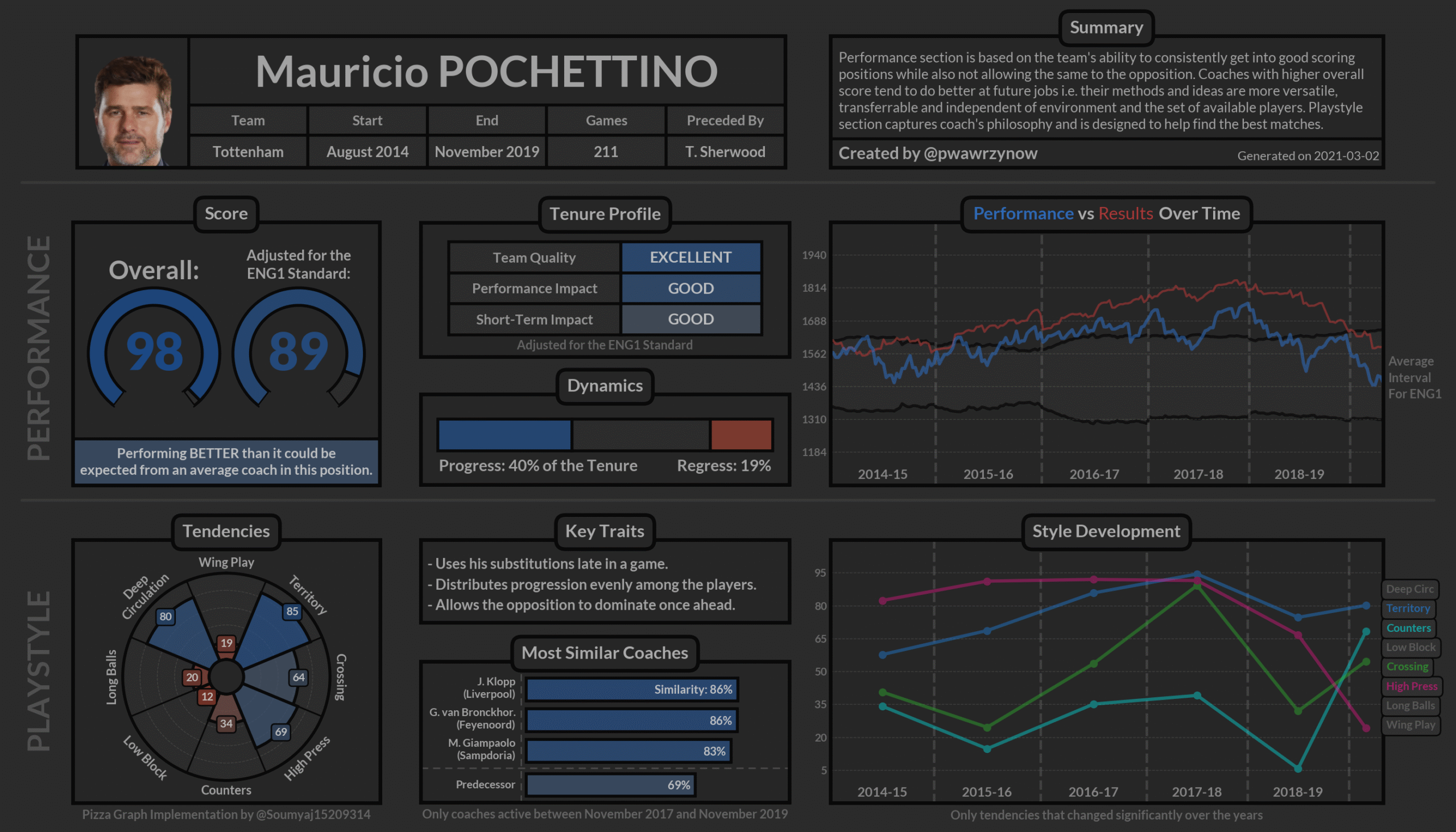
Overall, analytics will complement but never replace the coach’s decision-making process.
Combined with the experience and performance evaluation provided by coaches, analytics provide support to national teams regarding the maximum potential of their players when competing in the 2026 World Cup in diverse competitive environments.
National Team Cohesion and Coaching Philosophy

The cohesion of national teams is a strong determinant of how well players perform in a World Cup tournament.
Players will have limited amounts of time to prepare with their teammates; therefore, it is important that players understand each other quickly once they begin playing together.
Coaching Influence on Tactical Clarity
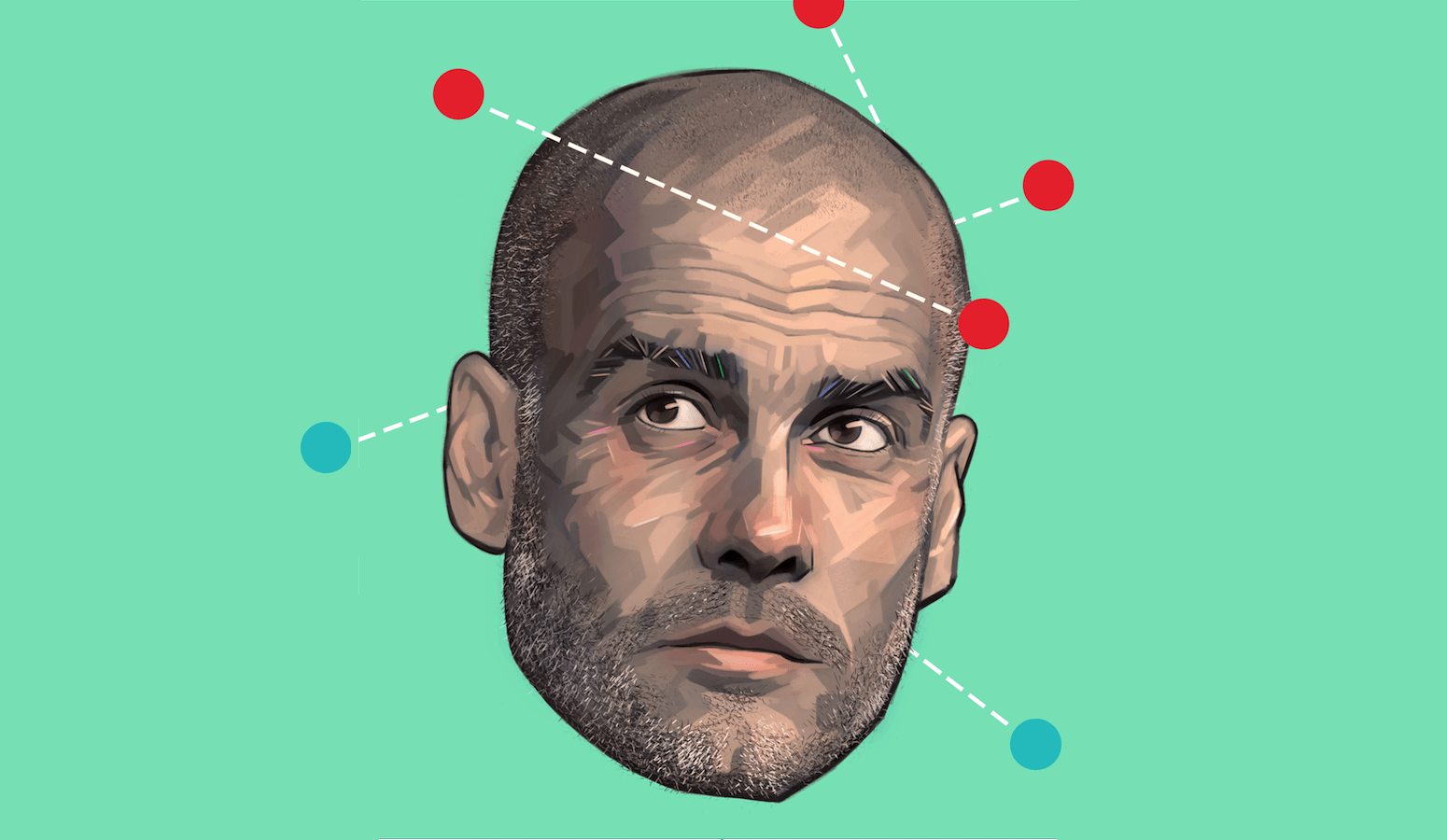
Coaches with established coaching philosophies provide clarity for their players.
For example, a coach with a Pep Guardiola or Didier Deschamps influence will emphasise maintaining positional discipline and maximising the width of the pitch.
The use of common vocabulary, video analysis, and practice scenarios creates cohesion between teams.
World Cup Performance and Player Legacy
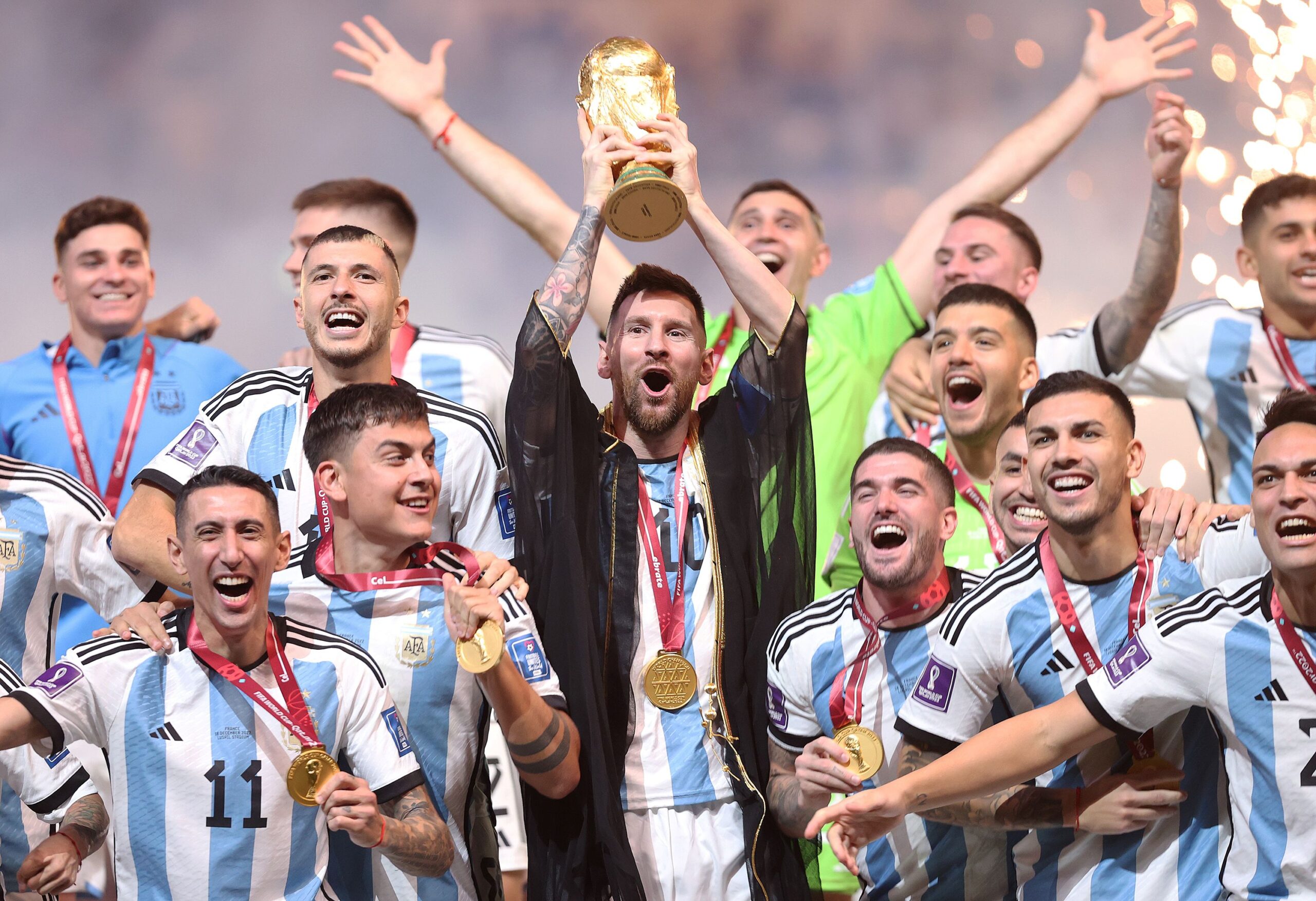
Clubs evaluate players through their scouters and scouting departments during this period.
The player’s legacies will be based on moments rather than statistics.
Conclusion
Advancements in analytics, sports science, youth development, FIFA, and elite clubs will provide the tools for organisations to perform player evaluations based on a combination of data-driven and contextual analysis of performance history.
The World Cup reaches a global audience, allowing players to produce both positive and negative results much more than any other tournament in professional football.
The impact that an athlete’s performance in the World Cup has on their league positions, transfer market value, endorsement and sponsorship opportunities remains significant.