Rise of Racket Sports Across the World Ahead of 2026
Badminton is experiencing the largest growth in Asia and Europe, whereas tennis has shown an emergence of interest from developing nations.
Additionally, padel has changed the view of social and recreational sports within urban settings, and as a result, there are more urban areas that are becoming increasingly focused upon the growth of this new sport.
As the number of international events, professional tours and grassroots programs continues to provide the foundation for the future growth of racquet sports, the development of an infrastructure for global racquet sports is being aided by Badminton World Federation and the International Tennis Federation.
Increased awareness of physical fitness and the growth of sports infrastructure across the globe have also contributed immensely to the attractiveness of racquet sports as a choice of sport for individuals of all ages.
By 2026, Racquet Sports will no longer simply be niche sports, but will become an essential component of the global sports ecosystem.
Entry-level programmes developed by schools, clubs, and community center programs will expand participation from a basketball-only focus on elite athletes to entry-level competitive programs for all levels.
As a result of the explosion of participation opportunities, racket sports are expected to continue to rise as an exciting trend worldwide leading to 2026, with both professional and recreational interest.
Badminton: Driven by Players in Asia and Europe
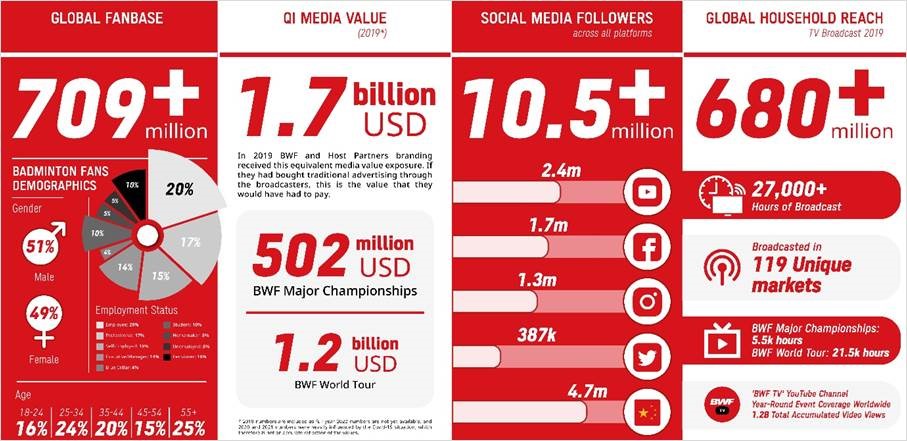
Badminton is the most popular of all racket sports in Asia.
Badminton has deep roots in many countries and is part of the culture and social structure of Asian countries.
China, India, Indonesia, and Malaysia consistently produce high-quality players and have large followings of fans.
Badminton continue to grow throughout Europe as it has in recent years as a recreation sport and competitive sport in Europe.
Positive changes have resulted from the leadership of Badminton World Federation as the organisation begins to develop a standard pathway for badminton programs throughout the world.
Factors Supporting Continued Badminton Growth
-
The increase of affordable product and easy access to courts at schools/community centers
-
Growing numbers of role models from international tournaments/leagues
-
The increase of all types of badminton products available via digital platforms and through regional media resources
Badminton is a fast-paced Sport that can provide positive cardio/energy benefits.
As the world moves to 2026, there is anticipated continued growth in globalisation of badminton.
Tennis: Expanding Beyond Traditional Markets
Tennis is growing at a rate equal to that of badminton in Europe and North America.
However, it is no longer just a “traditional market” for tennis.
Their popularity and large fan following both in countries where tennis is played and outside those countries continues to inspire participation.
Tennis clubs are also evolving by developing flexible membership program options and shorter match formats to attract working adults and young people to the game.
Padel: Urban, Social, and Rapidly Expanding
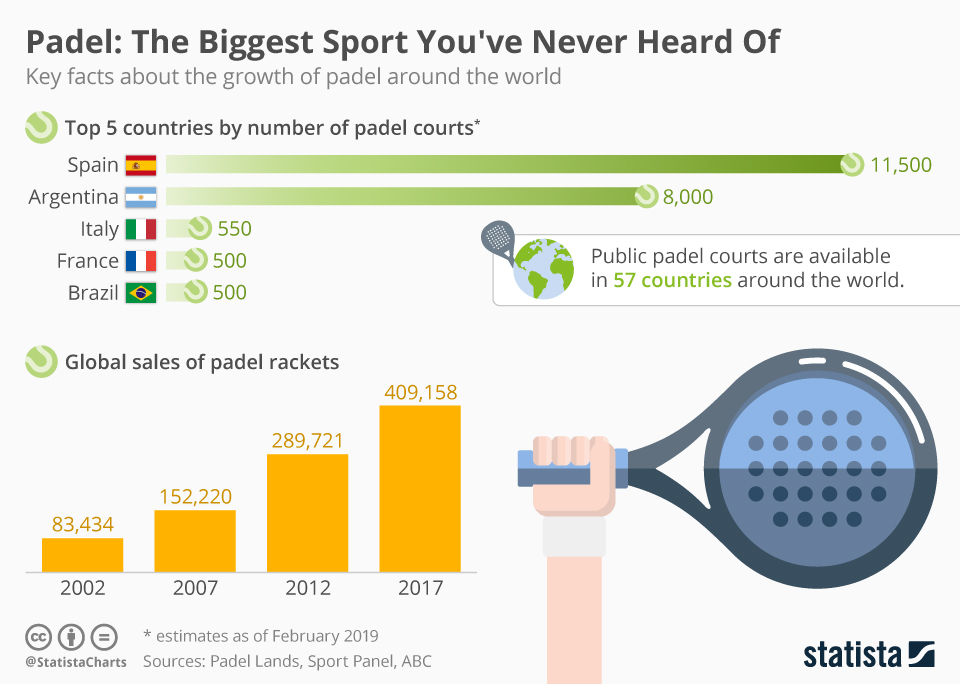
This sport is known for its simplistic form of play, social dynamics and accessibility.
Padel courts are smaller, the rules are easier to understand, making it very appealing to those just starting to play racket sports.
Countries such as Spain have been pivotal in establishing professional Padel tournaments and bringing very successful international Tours.
These Tours allow players to have the opportunity to play on international Tour events.
Drivers Behind Padel Growth
-
Private Sports Clubs and Developers investing heavily in constructing new Padel courts and facilities
-
Participation by Adults who are relatively new to the racket sports
-
The format for Padel is built around groups or “community” format, which is a social format, and therefore very appealing to players socially
Growth of Padel courts and facilities will continue to expand globally.
Padel will become the norm as a mainstream sport world-wide by 2026.
Squash Moving to Align with Future Generations
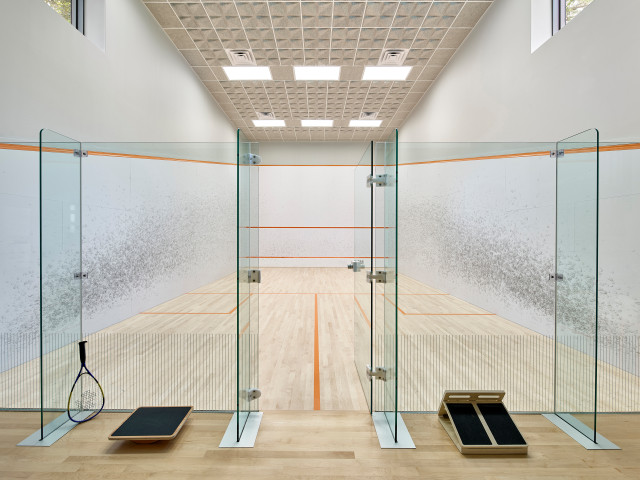
Squash has undergone a dramatic change.
Once thought of as an association sport for the upper class, now squash is focusing on young and diverse segments.
As a result of a focus on fitness, the ‘Health’ Industry, and combining social spaces/fitness with the development of modern squash facilities, the Squash Industry has shifted to the ‘Wellness’ industry.
World Squash’s activities to promote more participation and visibility in the sport of Squash have been centered on:
-
Shorter MATCH FORMATS MORE suitable for the way people view sports today
-
More focus on developing Junior programs in Schools
-
More digital coverage for Professional Squash Events
By implementing these changes, squash remains relevant as a result of the broader increase in racket sport participation and growth leading to 2026.
Olympic Impact on High Visibility for Racket Sports
The Olympic Games help create interest in Racket Sports through Olympic Exposure due to global accessibility.
Badminton and Tennis are two great examples of how Olympic Television Benefits these Sports.
Olympians have become National Heroes for many athletes, which elevates participation levels at the local levels in many countries.
The new mixed formats and newer individual Event Olympic formats are geared toward creating Interest and Participation Levels among younger viewers.
This is in accordance with Global Trends in Sports.
Three Ways Olympic Impact Drives Growth
-
Increased government funding for Olympic Athlete training programs
-
Increased participation rates in Schools after each Olympic Cycle
-
Increased sponsorship dollars associated with medal performance
The Olympic Experience has a major impact on Racket Sports’ Global Importance for Countries developing Olympic Programs during the upcoming 2024 Olympics.
Governing Bodies and the Future of Racket Sports

Governing Bodies, around the world, play an important role in the growth of Racket Sports.
These Bodies set International Standards and develop Competition Opportunities for Countries with Developing Racket Sports.
International Racket Sport Governing bodies, such as the International Tennis Federation and Badminton World Federation, provide a Structured Development model for Developing Countries.
The Focus areas for the International Bodies are Coach Education, Youth Competitions and Facility Development.
Additionally, the Long-Term Strategies established by these Organizations ensure the Sustainability of Racket Sports.
Working with National Federations to support Regional development helps Governed Bodies Adapt and Customise their Programmes to best meet the Local needs of Developing Countries.
With Successful Governance Models, Racket Sports have additional Opportunity to grow globally with sustainable Competitive Integrity ahead of 2026.
Commercial Interest, Technology, and the Next Phase of Growth

By using digital technology such as sensor-based devices attached to racquets that monitor players’ swing performance, video tools that break down a player’s footwork and shot selections, and online booking applications, new players experience little friction with regards to using the game.
Courts and clubs will be used more extensively as community features and social leagues expand.
Many leading brands and emerging startups have invested heavily into this technology, providing consumers as well as clubs with tools to increase engagement through smarter training methods.
With increased visibility of progress and motivation for players, the future looks promising.
Access to inexpensive, easy-to-use technology will ensure that data-driven training is standardisation across all racquet sports: badminton; tennis; padel; squash.
The Media’s Influence On Streaming Platforms
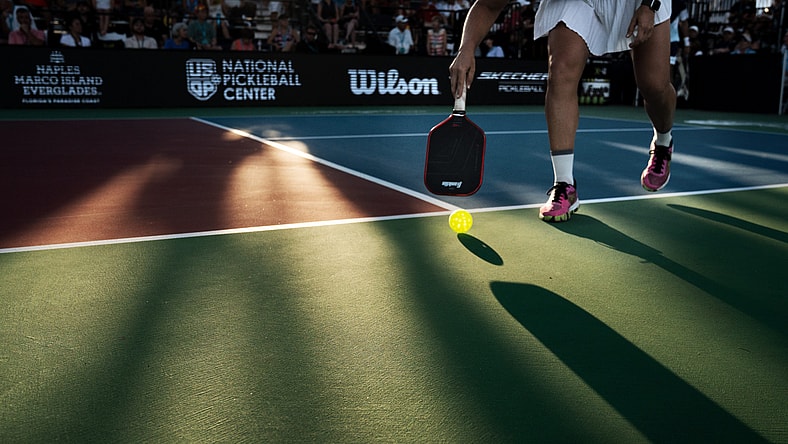
The availability through both media outlets and streaming services to view racquet sport matches has allowed many to have access to racquet sport.
This includes on-demand access and short clips from a match being shared on social media, therefore creating many touchpoints between fans of the game and new players looking to be introduced to a sport that interest them.
Small exhibitions and tours across the globe are utilising free streaming services to provide their product to a wide audience.
New formats such as team-style competitions and mixed gender formats have been created to share and reach many, therefore providing sponsors with greater engagement than traditional sponsorships.
Media Content, Credibility, and Grassroots Growth
By partnering with mainstream channels that provide media coverage and streaming for sports, clubs and federations gain increased credibility that allows new players to feel comfortable trying the sport for themselves.
Overall, there is a positive effect from media exposure towards the playing of elite and grassroots racquet sports.
Players who identify with celebrities as role models or local heroes are more inclined to try the sport and progress to playing at a competitive level.
Commercial Investment and Professional Pathways
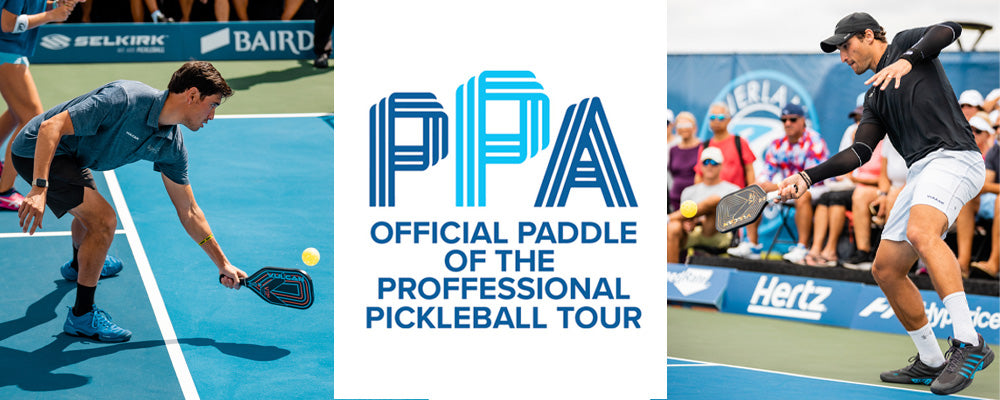
An example of this would be that many tour events now include a “Fan Zone” to increase the opportunity for family-friendly events and mixed audience participation.
Increased investment by sponsors such as Yonex and Wilson, as well as global broadcasting companies, has led to higher-quality and better-produced events.
This investment has also supported more extensive athlete development initiatives within the sport.
As a result, professional growth within the sport is creating a stronger national pathway for all players, as well as more significant opportunities for increased market growth potential through the creation of stronger league structures.
With the ability of tour organizers to diversify and increase the amount of money offered to players, younger athletes are seeing a more defined pathway to professional-level play.
This supports the overall long-term health of racket sports.
Women’s Participation and Market Expansion

Women’s participation in racket sports is driving the market growth.
There is an increase in the number of women participating at all levels of racket sports, whether recreational, social play, or professional competitions.
With this growth, there is now an increase in demand for female coaching and female-specific leagues and marketing efforts around women’s events.
Organisations that have embraced inclusion and safety for females, regardless of their skill level, have shown an increase in female membership numbers at a faster rate than organisations that do not offer this.
Women participating at the professional level have become role models for many amateur players.
The interest created by their success has led to increased media coverage and sponsorship for women’s professional events.
Commercial and Social Impacts of Women’s Growth
-
Increased demand for women-only beginner clinics and women-only coaching
-
Social media platforms such as Facebook and Twitter now represent a large portion of the profitability of women’s tournaments and events
-
Increased awareness through social media has led to additional revenues through advertising, sponsorship, ticket sales, and merchandise sales
Social Interaction, Fitness, and Well-Being Trends in Racket Sports
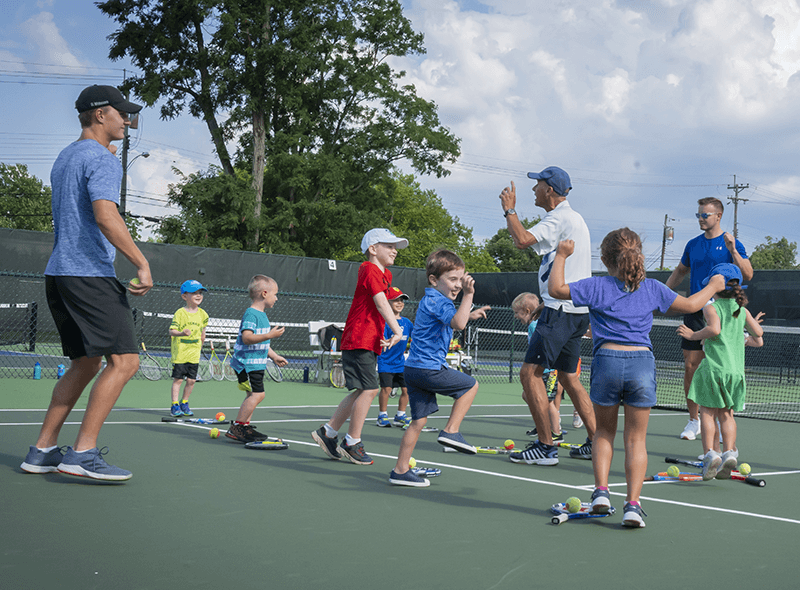
It’s where fitness meets social interaction and is often used to define racket sports.
Racket clubs have opened their doors to new adults via corporate leagues and workplace wellness initiatives.
Most clinics advertise that they are a “fun and fitness” solution and attract individuals who do not enjoy working out alone in a conventional gym environment.
The organization of clinics into groups and the social interaction of being in a group format allows for structure and community support.
Racket Sports as a Major Global Sport Trend
The continued growth of racket sports is supported by grassroots programs, commercial investment, increased media attention, and the construction of more participation facilities.