How Multi-Sport Events Are Driving Racket Sports Popularity
An increasing number of modern sports calendars have begun using multi-sport and global sporting events as an integral part of today’s global sporting environment.
This type of sporting event attracts the attention of a broad audience around the world, while providing the opportunity for many lesser-known sports to have the same amount of visibility as well-established global sporting events.
To be able to provide the opportunity for more people to see and attract attention to a variety of sports, the Olympic Games, Asian Games and Commonwealth Games all allow for a large number of different sports to be hosted together on one stage.
Many times this type of structure allows for individuals who are even casually following the headline sports to also discover new sports on their own, thereby providing greater positive exposure for racket sport disciplines.
Expansion of Global Viewership
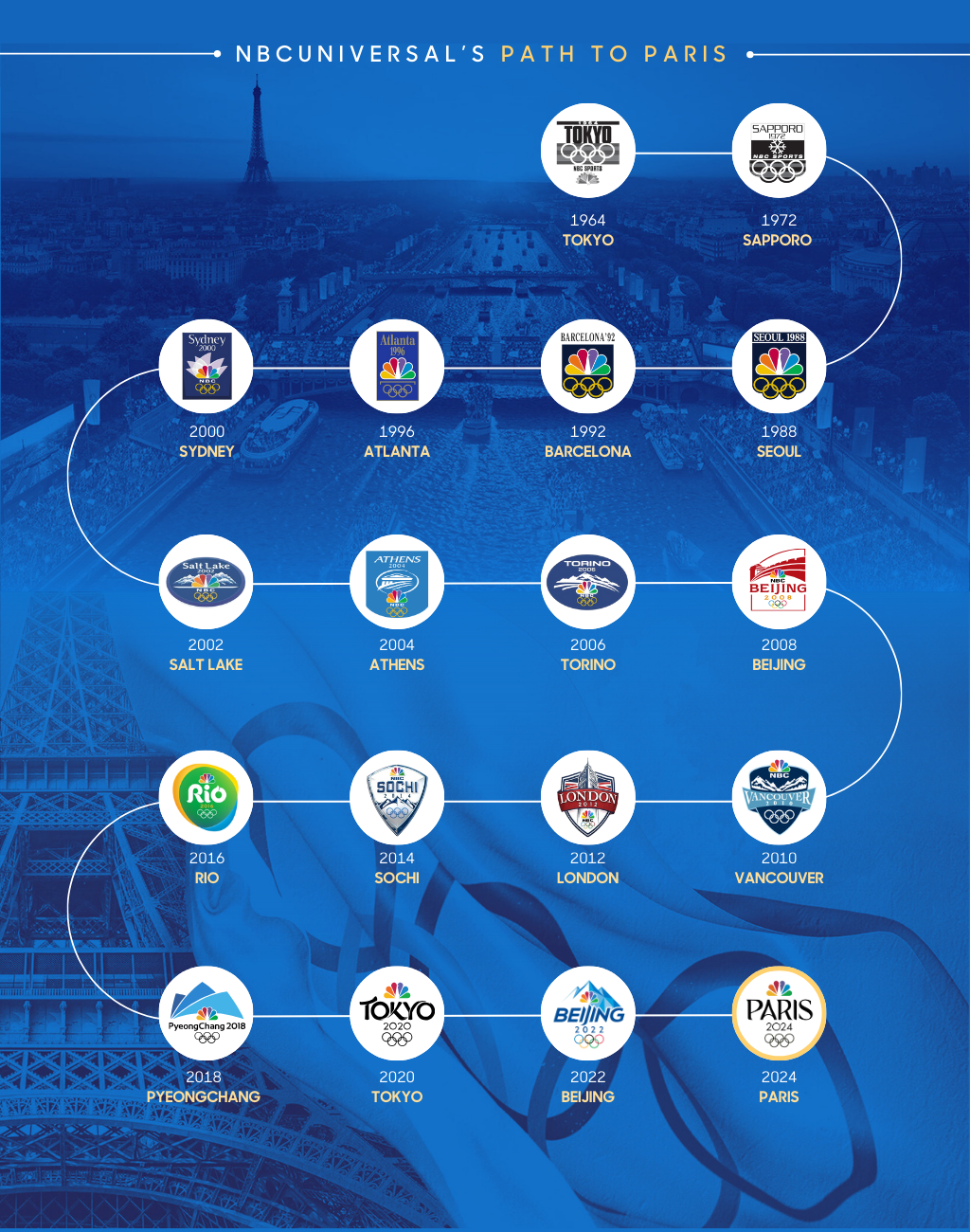
Multi-sport events typically have extensive broadcast coverage from broadcast partners (television networks, internet streaming services, etc.), enabling them to provide many viewers who would not ordinarily watch standalone tournaments with access to racket sports.
Many viewers are introduced to tennis, badminton and squash as a result of being exposed to the sport by the viewership of multi-sport events.
Structural Advantages of Multi-Sport Events
-
Because of the consolidation of sports into one broadcast schedule, there is a large crossover of viewership between sports.
-
Centralized venue locations provide more opportunities for live audiences to discover new sports.
-
Centralized marketing strategies allow for greater promotion of multiple sports.
This type of exposure greatly enhances the visibility of racket sports compared to the visibility achieved through an individual sport championships.
Shared Audiences and Prime-Time Exposure
The sport disciplines of tennis, badminton, and squash benefit from a shared audience online due to the viewing habits of many people who are primarily interested in the major sports.
As a result of the viewership of the major sporting events, some of these audiences will be exposed to the sport disciplines of racket sports who otherwise may not have been interested in them before.
Athletes and sports disciplines recognized through multi-sport tournaments receive substantial exposure through high-visibility, prime-time viewing opportunities.
Audience Learning and Awareness
-
More People Find Out About These Sports
-
More casual fans will understand the rules and formats of racket sports
-
Emerging players are being recognized internationally as a result of televised events
-
There is typically an increase in viewership during the medal rounds and finals
The International Olympic Committee and similar organizations have implemented standardization of event presentation and competition formats that facilitate growing interest in racket sports because of their international appeal and sustained popularity over time.
Olympic Legitimacy and Institutional Support
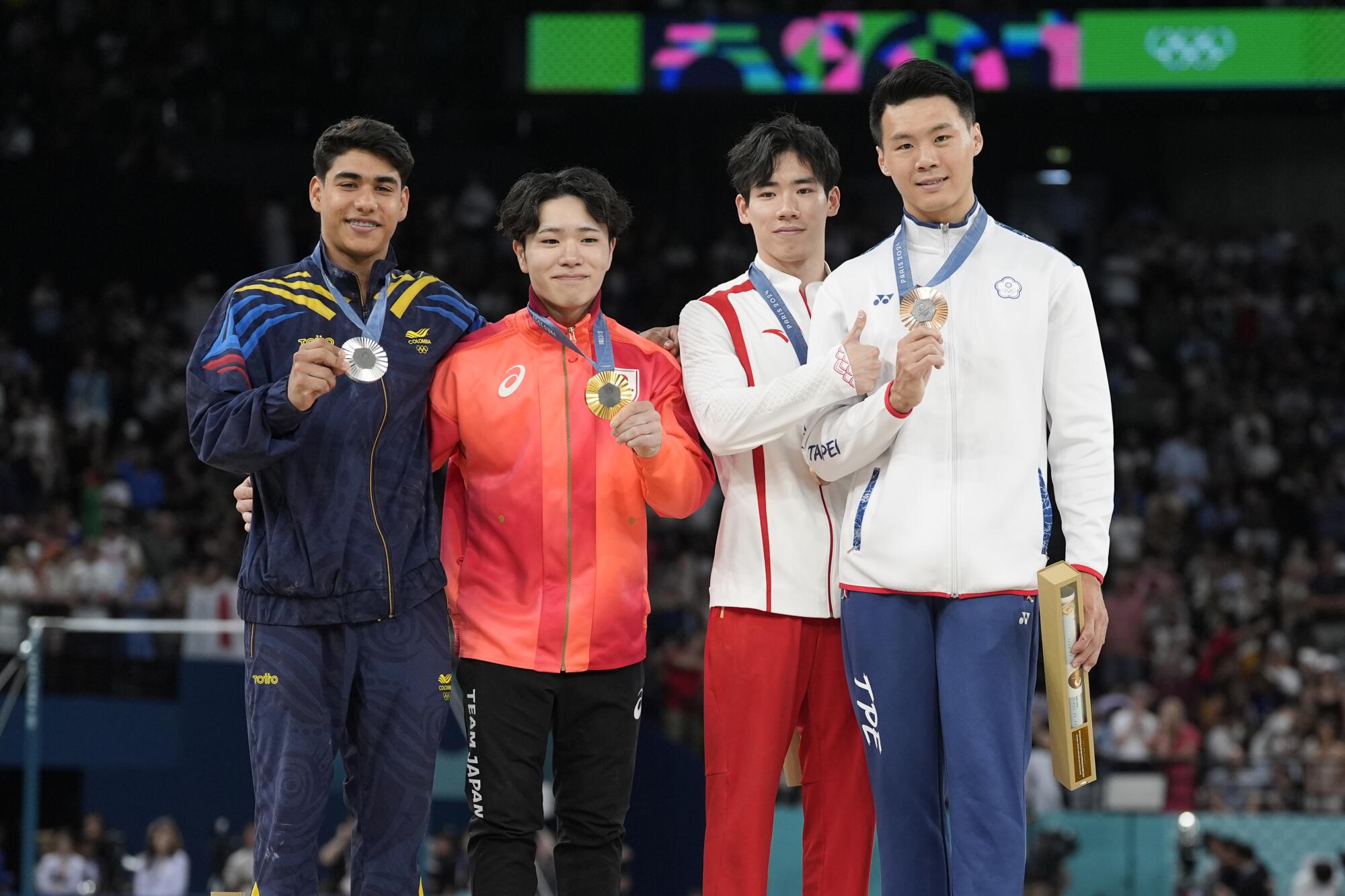
As part of the Olympic Family, racket sports are now considered by many to be among the top tier of global sports.
In addition, the involvement of many countries in the Olympics provides legitimacy to the investment of funds to develop this athletic discipline.
Not only do governments allocate money, they also create facilities and provide support for athletes.
Following medal success, increased funding opportunities for youth programs due to the international exposure of their athletes has helped to further support growth in this area.
Youth Engagement and Participation Growth
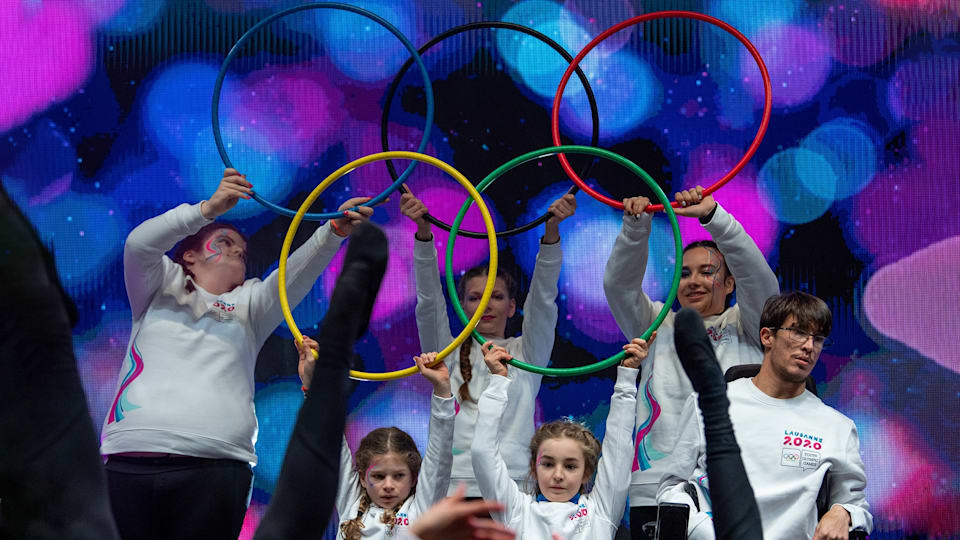
Youths are engaged by multi-sport event offerings.
The interest generated by such offerings — a variety of sports, a fast-paced schedule (all events being held in one week) and a festival-like feel — encourages youths who like to discover new activities outside the realm of traditional team sports.
As many major multi-sport events occur during the same window as most school sports programs and youth sports programs, the excitement generated by these events can translate into participation through school competitions, as well as through community outreach and youth academies.
Key Drivers of Youth Participation
-
Youth will often have the opportunity to experience and be introduced to new sports from exposure to participation opportunities after the conclusion of the multi-sport event.
-
Many Youth will develop a long-term passion for a sport after identifying and following a role model in that sport.
-
Many Youth will be drawn to racket sports due to their entry point being simplified.
Various Sports Federation organizations such as the Badminton World Federation will use multi-sport events to support their grassroots movement in the promotion of youth participation.
Media Integration and Consistent Event Branding
Multi-sport events continue to provide new opportunities for media exposure for some racket sports.
Broadcasters produce complete matches, highlights and the stories of athletes during the multiple days of broadcast for multi-sport events.
The additional opportunities for viewing match coverage, highlight videos and athlete stories have allowed audiences to become more familiar with the games, game pacing and the structure of the game, and as a result, reduced the barriers to entry that face a large portion of the audience interested in many niche sports.
Broadcasters from across the globe and digital platforms are coordinating their coverage of many of the multi-sport events under central branding.
This branding is consistent, and this is providing a high level of quality and storytelling in the production of racket sports.
Strategic Advantages for International Sports Federations
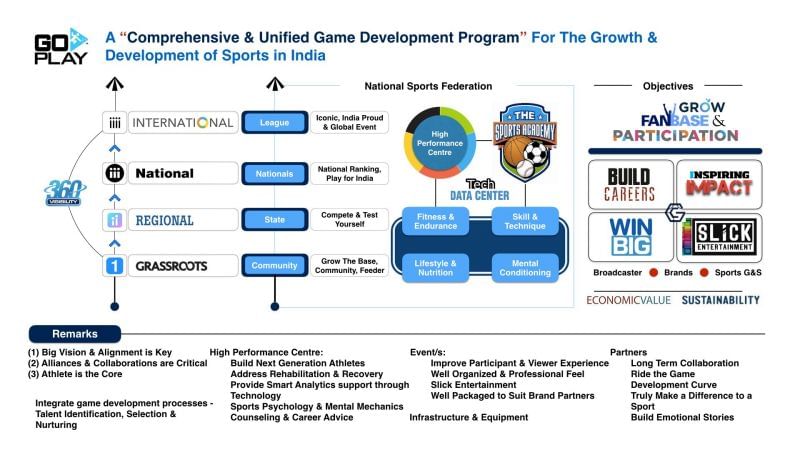
Through MSEs, ISFs can share infrastructure, logistics, and media platforms.
This reduces costs associated with running events and allows for more exposure to a greater audience.
Due to this, ISFs can divert a majority of their money towards grassroots initiatives and athlete development.
Aligning Strategically with MSE
ISFs adjust the competition format of racket sports so that they can fit within MSE schedules.
With the introduction of shorter match lengths, along with more clearly defined ranking systems displayed visually in an easy-to-understand manner during high-volume MSE programming, it makes racket sports more accessible to new audiences.
Development of Tennis and Badminton Through Multi-Sport Events
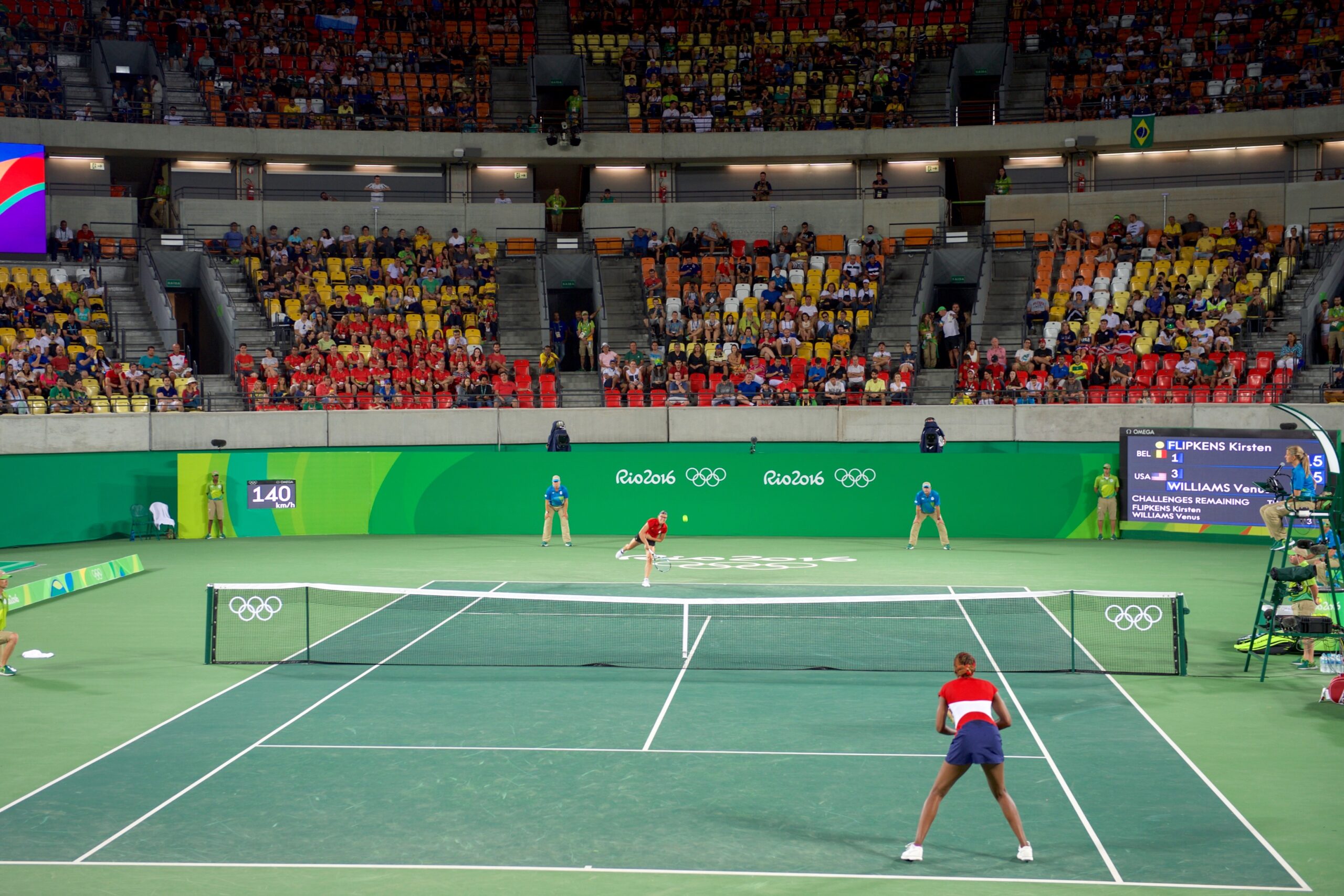
ISFs, such as the International Tennis Federation, use the MSE as a means of increasing interest in and developing long-term participation pathways in racket sports throughout the world.
Developing Tennis Visibility in MSE
Tennis benefits from being a part of a multi-sport event.
It gives tennis the opportunity to be viewed by audiences who may not otherwise be tennis fans and who do not follow the Grand Slam tournaments or professional tours throughout the year.
In many countries, the only exposure that domestic audiences have of tennis players competing internationally is through MSE participation.
Growth of Badminton through Multi-Sport Events
Badminton has greatly benefited from being part of international multi-sport events as a result of being fast to follow, having great spectator appeal, and having a television-friendly format.
In most areas, multi-sport events are badminton’s greatest media exposure, which helps to change badminton into an internationally recognized sport.
Recognition Gained by Squash and Emerging Racket Sports
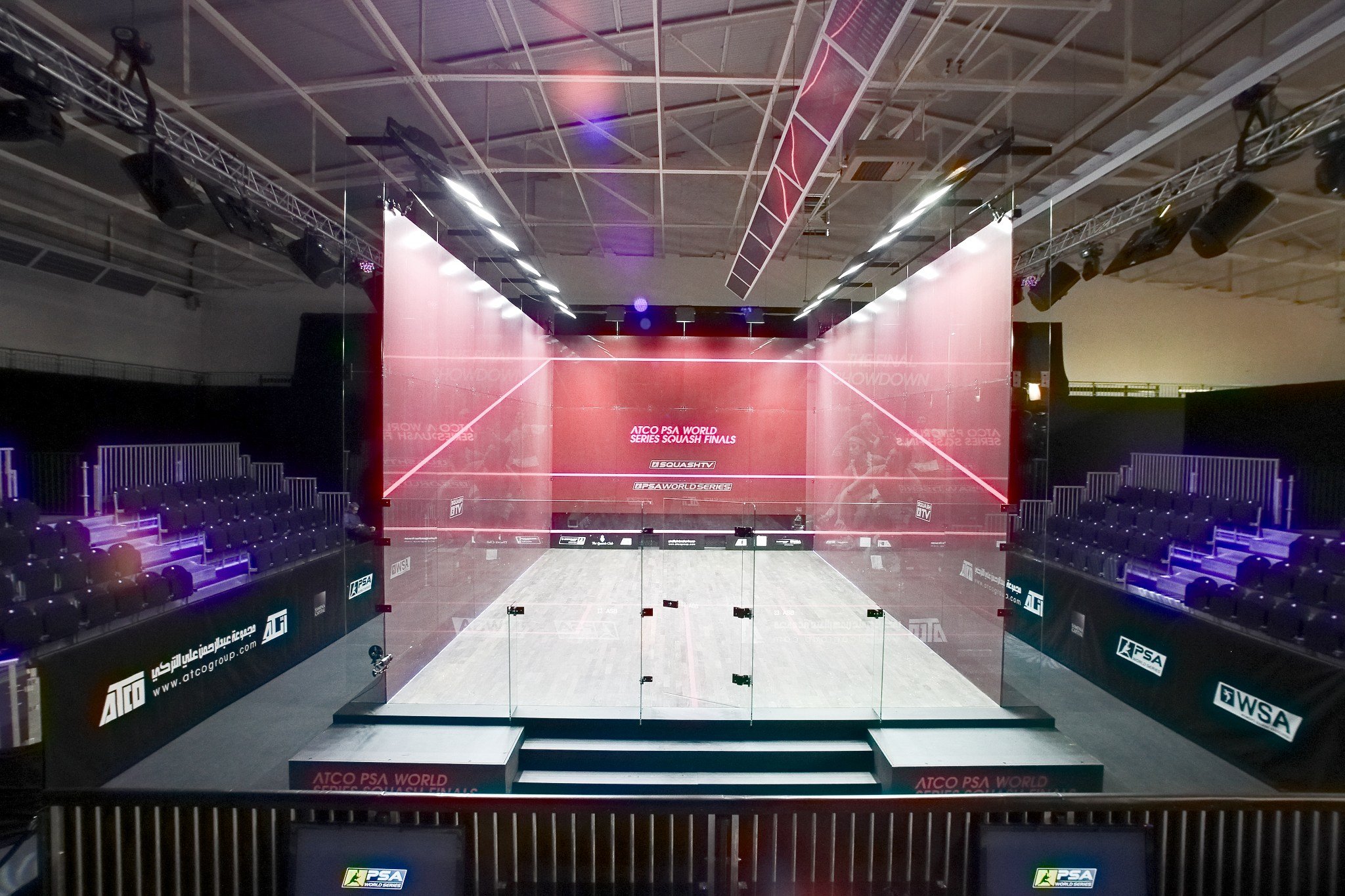
Multi-sport events significantly increased recognition for squash and other rising emerging racket sports. Platforms introduce lesser-known disciplines to a worldwide audience that might have otherwise never seen them other than through individual professional tours.
Squash now has an elevated position due to its participation in international-level events, elevating its performance as an athletic value and competitive activity. This exposure allows people to recognize the sheer speed, endurance, and strategic complexity involved in the sport.
Structural Competitiveness Creates Visibility
Squash leaders are working with multi-sport organization leaders to showcase squash in modern formats that make it more attractive to the average spectator.
The glass court and short match format allow spectators to better appreciate match speed, continuous movement, and athlete endurance throughout competition.
Emerging Racket Sports Have Pathways

Many organizations utilize multi-sport events to introduce newer formats of racket sports to the public and collect feedback.
Commercial Visibility and Sponsor Confidence

Multi-sport events attract global companies seeking exposure across multiple disciplines. This commercial environment benefits racket sports through immediate visibility.
Sponsors receive exposure across several sports while aligning with national pride and international competition.
Positioning racket sports alongside established disciplines increases sponsor confidence, ensuring broader demographic reach beyond niche markets.
Opportunities for Athletes to Gain Bankable Recognition
Multi-sport events allow athletes to expand their bankable recognition beyond their individual sport.
Fans who support national teams often follow athletes across disciplines, creating cross-platform transferability and sustained engagement.
This exposure helps athletes retain followers long after competition concludes.
National Identity and Athlete Storytelling
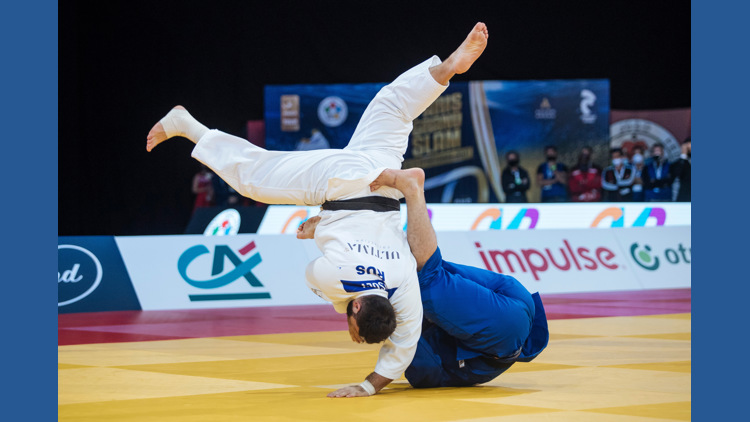
Athletes competing under their national flag create stronger emotional connections with audiences.
National representation elevates racket sport athletes into mainstream sports environments rather than niche communities.
Star Athletes and Popularity Growth
Athletes such as Lin Dan and Serena Williams enhanced their recognition through multi-sport platforms.
Expanded fan bases create greater sponsorship opportunities and increased participation across racket sports.
Land and Facility Development through Government Support
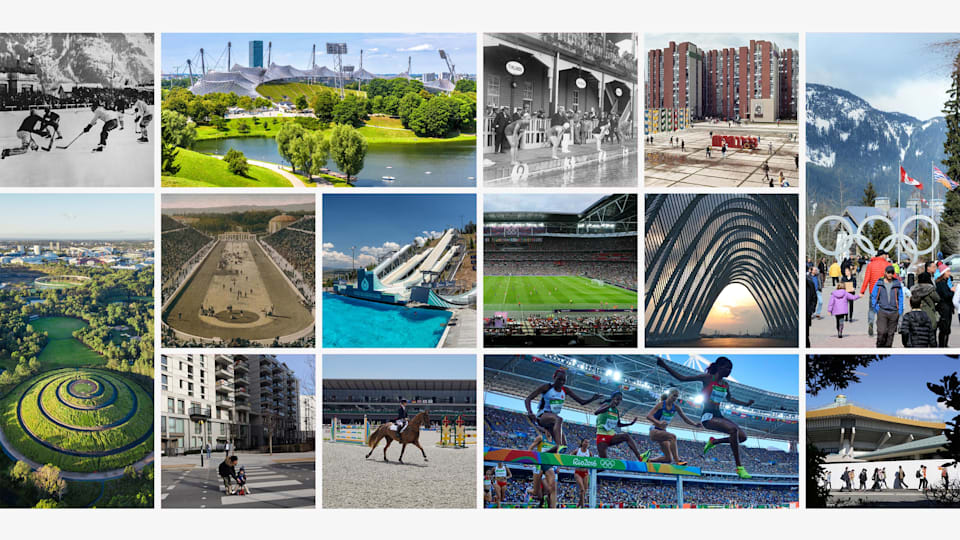
The International Olympic Committee imposes infrastructure benchmarks for host cities.
Meeting these benchmarks accelerates development of modern venues for racket sports.
Venue Infrastructure Supporting Community Use Post-Event
Facilities developed through international events support schools, clubs, and community programs.
Public access ensures venues remain operational rather than unused after events conclude.
Grassroots Participation After Major Events
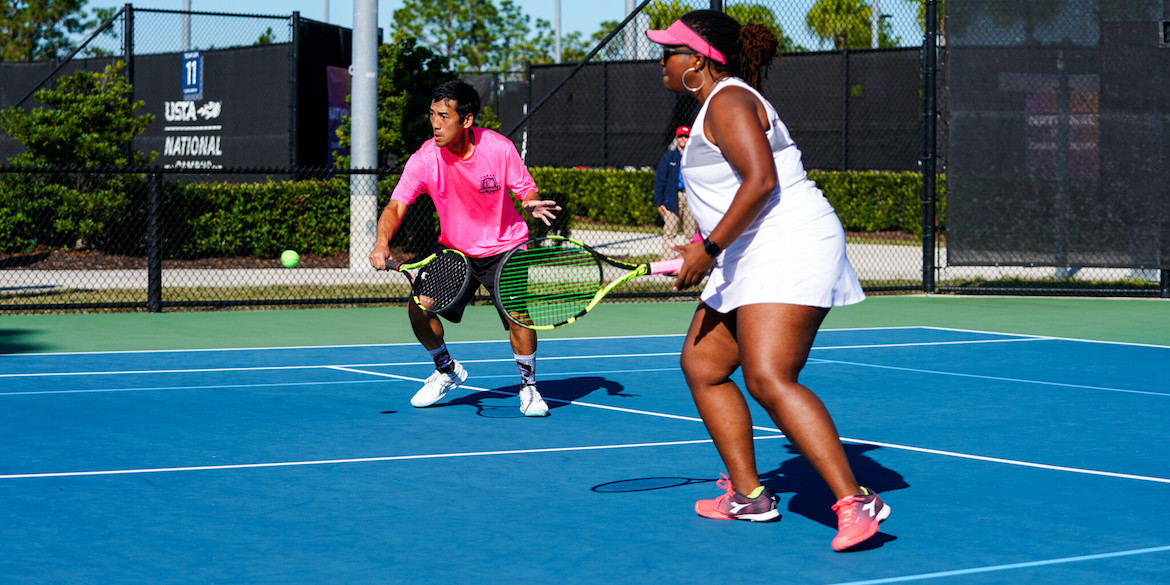
Historically, multi-sport events increase grassroots participation in host regions.
Converting initial interest into sustained participation is critical before enthusiasm declines.
Responsibilities of National Federations
Organizations such as the Badminton World Federation and International Tennis Federation provide tools to national federations to maintain momentum.
Long-Term Community Impact
Grassroots programs stabilize club memberships and strengthen youth pipelines.
Schools integrate racket sports into physical education following international exposure, creating long-term cultural change.