
Individual sports events differ from most team sports events. Both formats are governed by the same organization, the International Olympic Committee, to manage the individual and team sports at the Olympic Games level and highlight how the two serve different purposes in both the sporting world and in the commercial world.
Core Structure of Individual Sports Events
Individual sports events focus on direct competition between individual athletes.
Therefore, the entire tournament is solely focused on one person’s skill, fitness and mental abilities.
Progression through the tournament is simple for spectators to follow.
An individual can advance based solely upon their own performance.
Typically, matches will be between one individual and another or between a small number of participants, making the result of a match clear and easily followed by viewers.
As a result, following a player’s ranking, draw, and elimination becomes straightforward without requiring advanced knowledge of technical strategies.
Flow of Competition and Progression of Matches
Knockout or ranking elimination systems are typically employed for individual tournaments.
Athletes have absolute clarity regarding the consequences resulting from a particular result.
This creates an intense competitive atmosphere each time a match occurs and maintains competitive excitement during the entire event.
Individual Event Models: Examples
Individual events, governed by organizations like the International Tennis Federation, highlight the level of individual masculinity in relation to narrative and viewership.
Grand Slam events demonstrate how individual performance pushes the narrative and drives the viewership.
The structures of individual events help to hold individual competitors accountable throughout an entire tournament and highlight individual excellence at every level.
Structure and Emotional Dynamics of Team Sports Events
Teams represent clubs, cities, or countries.
The identities and loyalties associated with those teams impact the long-term emotional attachment that fans develop towards teams.
Most tournaments, including many national and regional championships, create league-style groups in advance of the elimination rounds.
The benefit of this structure is to allow the ability of a team to recover and regenerate their momentum.
At the same time, it maintains the interest of the viewer with multiple opportunities to view teams compete.
Examples of Team Event Tournaments from Around the Globe
There are many examples of tournaments structured according to these themes.
The structure of most FIFA tournaments lends itself to the execution of a team tournament.
Performance Pressure and Psychological Responsibility

An individual athlete in the competitive environment of an individual event is solely responsible for their performance and success or failure.
Each record created, as well as wins or losses, is directly related to the performance of the individual athlete.
The intense level of mental and emotional pressure creates a significant amount of discomfort during the time of performing.
Mental Burden of Individual Sport Athletes
Individual sport athletes are subjected to continual media and fan feedback on their performances.
This is demonstrated by Novak Djokovic, whose performances highlight that psychological capacity to win can be more important in elite sporting events than physical ability.
Collective Responsibility in Team Performances
Team-based athletes share their successes and failures collectively among their teammates.
If one member of the team fails, all members of the team can assist in fixing the problems caused by the individual athlete.
How an athlete prepares mentally for a tournament can be influenced by the understanding of the differences between a single event athlete and a team event athlete.
Tournament Scheduling and Event Flow
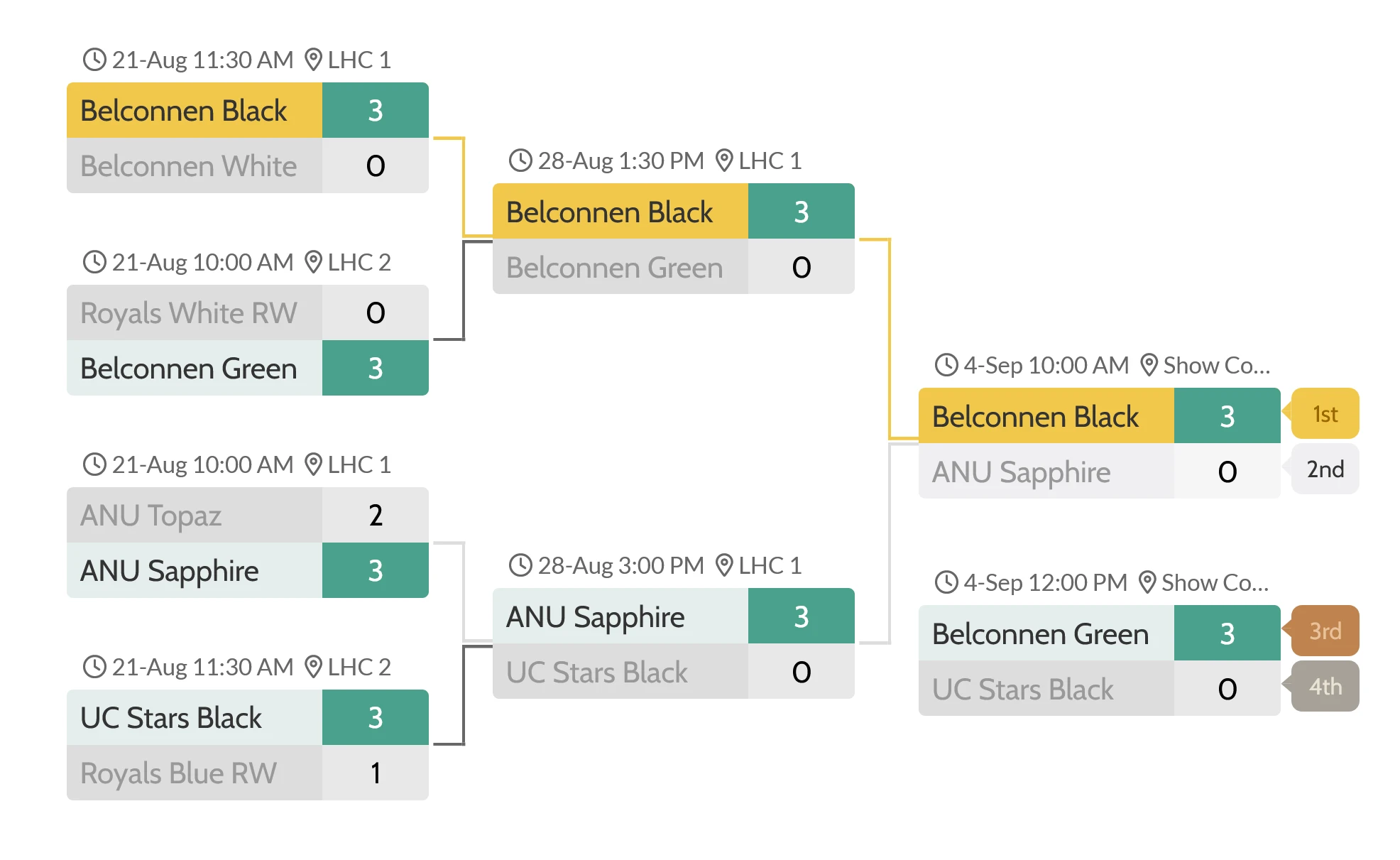
Match scheduling is an important component of how individual sports events are organized.
The manner in which tournament organisers set dates and times for multiple courts or places to hold events enables an efficient event to occur in most cases of individual sports events.
Flexibility of Scheduling Matches of Individual Events
The flexibility allowed by scheduling track and field events benefits individual sport tournaments.
This sport is relatively independent of other participants and is completed in a shorter time period.
Match scheduling does not impede other parties participating in the sport.
It is easy to modify match schedules without affecting other athletes.
Complexities of Scheduling Team Event Tournaments
Team events have longer recovery periods.
Scheduled rest days are established in advance.
Fan Engagement and Emotional Connection
Fans are drawn closer to an individual athlete by a competition where all eyes are directed at that single competitor.
Fans have an emotional tie to an individual athlete because tracking an athlete’s journey, rivalries, and rank is relatively simple.
Wins and losses impact each competitor individually.
This results in strong emotional peaks and valleys throughout the duration of the tournament.
In an individual competition, the concept of emotional connection is tied to the creation of an individual athlete narrative.
An athlete’s performance, like that of Roger Federer, along with his distinctive style and consistency, can create a global following.
Whereas individual events feel extremely personal, team events are perceived as collective and driven by traditional collective values.
Broadcasting, Media, and Commercial Models

Tournament formats appeal to broadcasters and the media in distinct ways.
Individual tournaments are simpler to package than team tournaments.
The broadcast format allows multiple courts or venues to be used simultaneously.
Individual events are ideally suited for digital and television broadcasts.
The International Tennis Federation designs individual tournaments to provide continuous coverage while minimizing interruptions.
Commercial Sponsorship in Individual Sports
There are two distinct business models for each competition format.
Commercial sponsorship in individual events primarily targets sports-related products of athletes.
Brands gain visibility by associating products with individual athletes.
Equipment brands and apparel retailers benefit from repeated visibility through athlete participation.
Commercial sponsors of individual athletes include Nike and Adidas.
These companies link athletes to strong personal brand connections with consumers.
Commercial Structure of Team Tournaments
The commercial structure of team tournaments is considerably different.
Team tournaments rely on league agreements, jersey sponsorships, and broadcast agreements.
Revenue generated is shared among all participating teams.
This reduces dependency on an individual player’s performance.
This distinction affects the long-term financial stability of different tournament formats.