

Athletes are now exposed to increasingly physically demanding expectations and competitive environments; however, because of these new demands placed on sports, personal training programs for strength conditioning are no longer viewed as optional but viewed as an imperative.
As both the International Olympic Committee and FIFA have repeatedly stated, injury prevention training (as part of the development of an athlete’s overall health and longevity) is extremely important to the athlete.
Increased match proceedings, early specialization in sports, and higher physical intensity create ongoing stress to athletes’ bodies and when training is not done properly, the athlete’s muscles and joints cannot handle this load as a result of the increased risk of injury.
Why Injury Risk is Increasing
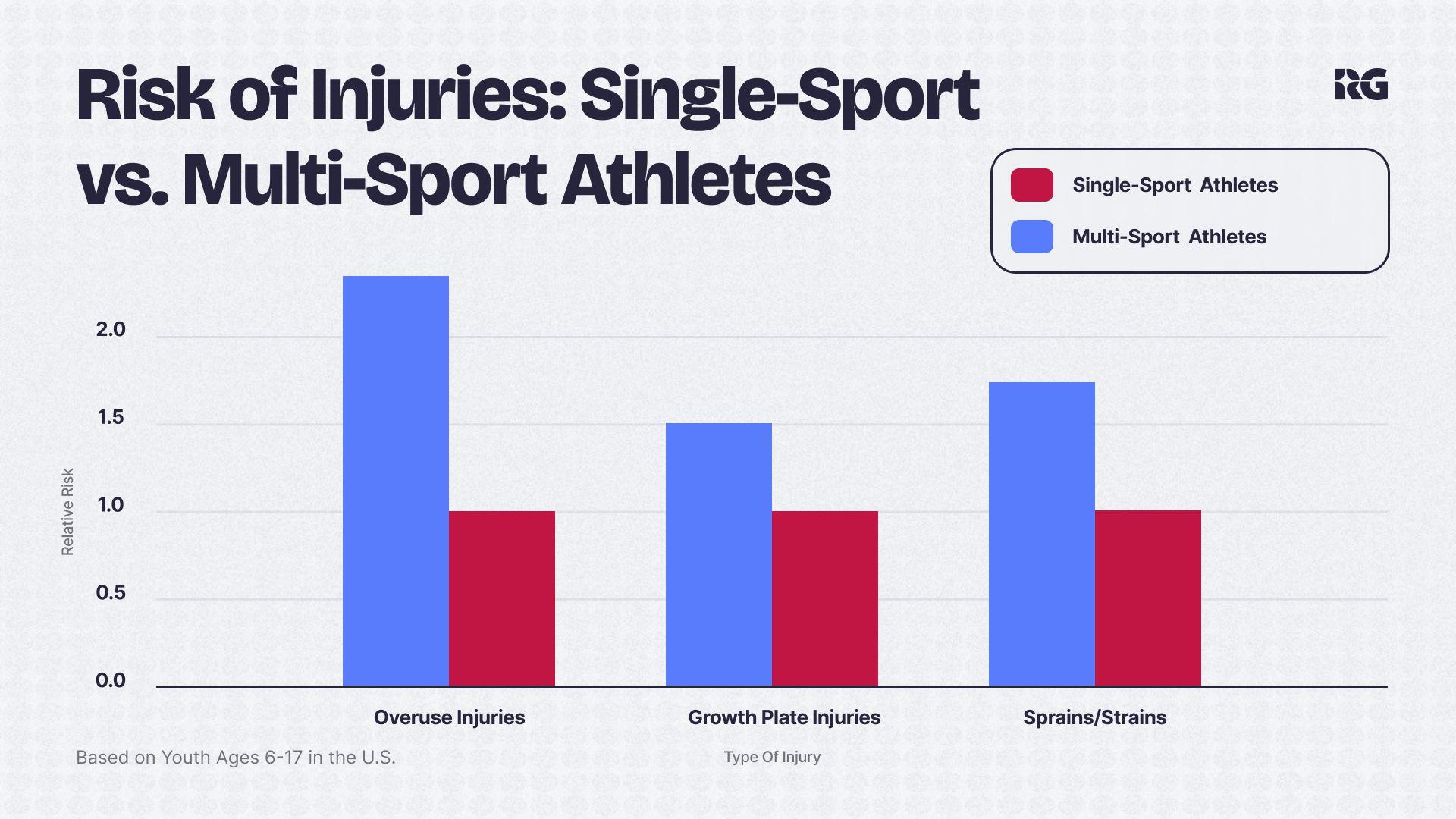
Currently, there are too many games; therefore, there is a possibility for separation from injury due to an increase in frequency and rhythm of training.
Importance of Structured Preventive Conditioning

Structured strength training prepares the tissue of the body to give the athlete safe loading capacity.
Conditioning helps to alleviate sudden loading on the most vulnerable areas of the body (the knee, ankle, etc.).
Conditioning can reduce the overall likelihood of acute trauma and as well as chronic overuse injuries.
Strength and conditioning programs are the cornerstone of all injury prevention strategies today.
How Strength Training Protects Joints and Connective Tissue

The primary function of muscle is to support joints, tendons, and ligaments to provide joint stability.
If these support structures (muscles, tendons, ligaments) are weak, the joint will be under constant maximum load, and this excessive force and movement (force through movement) can result in joint injury.
As a result, the goal of strength conditioning athletes is to increase the level of muscle support.
Long-Term Joint Health Advantages
-
Improved alignment and movement of joints.
-
Decreased joint stress on ligaments and cartilage.
-
Lower risk for chronic joint degeneration.
Strength training consistently provides one of the greatest advantages in the long run for helping protect joints through an athlete’s career.
Muscle Imbalance Correction and Injury Risk Reduction

This also places unequal stress on the joints throughout the body.
Programs that provide strength and conditioning for athletes are designed to aid athletes in correcting their muscle imbalances to decrease their injury risk.
Injury Prevention Training Programs also provide a means of addressing the imbalances created through sport-specific, repetitive motions.
By implementing corrective exercises, athletes improve their body. Symmetric, coordinated, and evenly distributed force across their bodies, which allows for better movement performance.
Impact of Imbalances on Injury Risk
Imbalances increase the amount of strain placed on the tendons and ligaments of the body, particularly during high-velocity movements.
Over time, it becomes increasingly difficult to prevent overuse injuries as a result of not having adequate conditioning.
Strategies for Corrective Movement Strength Training
-
Unilateral exercises assist with developing a balanced side-to-side strength.
-
Mobility work allows for the restoration of mobility to a normal range of motion.
-
Activation drills are designed to get those muscle groups that have been underutilized to activate and become engaged; thereby, enabling a balanced strength across the entire body so that an athlete can perform complex movements with less injury exposure.
Conditioning for Tolerance to Loading and Repetitive Stress

Athletes perform thousands of repeated movements over the course of their training and competition.
When an athlete does not have adequate conditioning, his or her body cannot adapt to the cumulative load created by the repeated movements.
Instead of simply emphasising developing peak strength, injury prevention training is mainly focused upon developing a person’s capacity for resilience.
Strength conditioning training allows athletes to continually challenge their body’s ability to withstand repeated forces (to absorb) without undergoing injury.
Adaptation of bones, muscles, and connective tissue through progressive overloading has encouraged teams associated with sports equipment brands like Nike and Adidas to invest significant amounts of research & development into this area.
Core Strength and Injury Prevention

The core acts to provide stability to the spine and transfers forces between the upper body and lower torso when an athlete is moving (or ‘performing’).
Weak core muscles contribute to increased stresses to a person’s hips, knees, and lower back, putting them at higher risk of injury.
Strength conditioning training programs incorporate core training into their athletes’ programs as a baseline for safe movement.
Per the American College of Sports Medicine, core stability is essential for injury prevention training.
Core Training for Injury Prevention
-
Improvement in Balance on Moving Body Parts
-
Reduction of Stress on Spines and Hips Under Weight
-
Improvement in Ability to Control Changing Gait on Short Notice
Neuromuscular Control and Non-Contact Injury Prevention
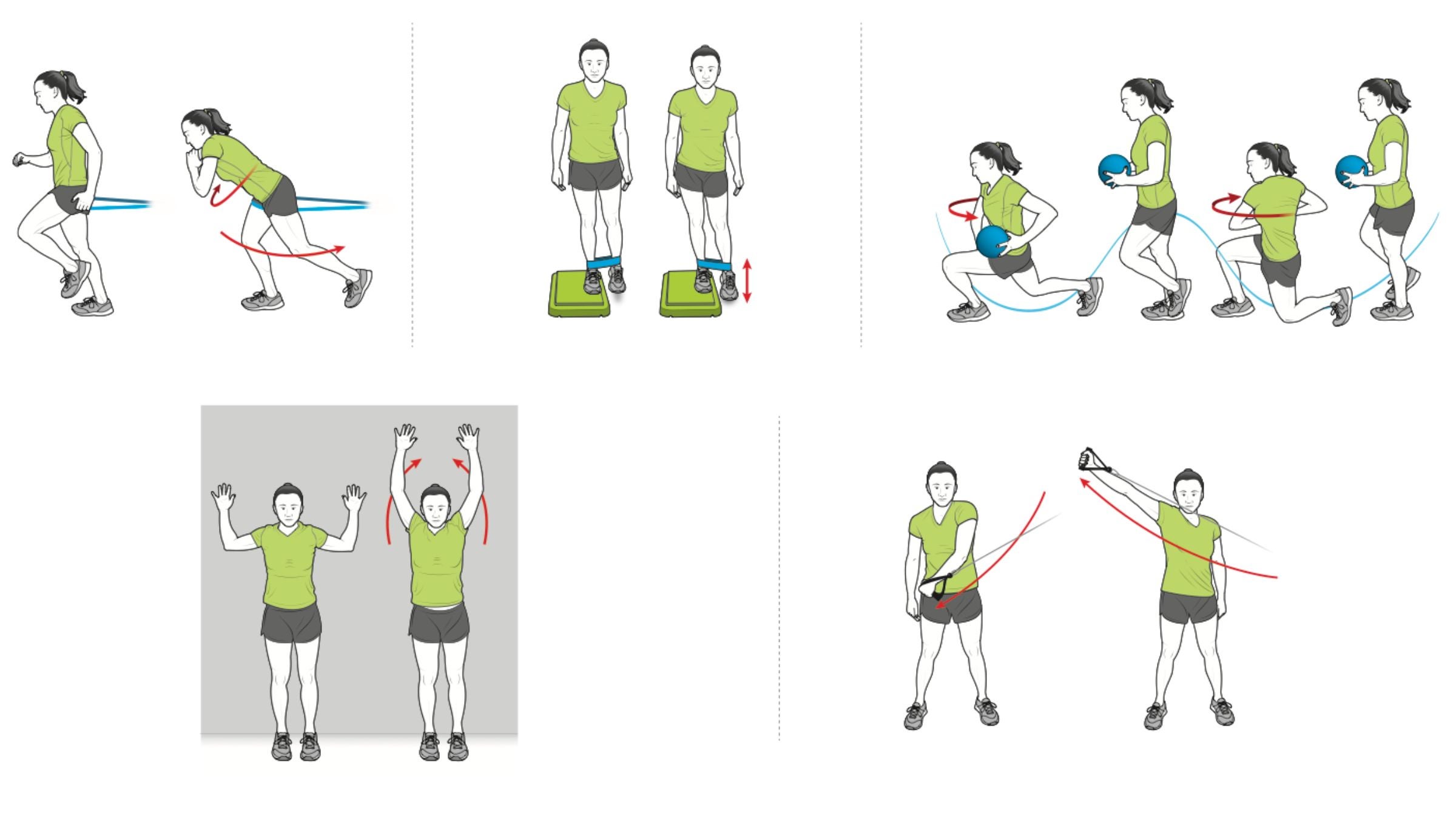
Reactive drills help an athlete develop a safe response under physical pressure.
An improved neuromuscular system gives an athlete confidence while reducing the risk of injury that results from a non-contact injury.
Strength conditioning athletes’ programs directly address these issues.
Training to prevent injury helps to build muscle resiliency and increase control over the movement patterns of the body so that the body can absorb forces safely.
Leading Causes of Non-Contact Injury
Fatigue, weakness of stability and improper mechanics are leading causes of non-contact injuries.
These factors increase the stresses on the knee, hamstring and ankle during competitive situations.
How Strength Training Prevents Injuries
-
Strengthening the muscles reduces the likelihood of sudden overload of the joint.
-
Controlled movement patterns result in less stress on ligaments.
-
The progressive process of conditioning increases an individual’s resistance to fatigue.
Targeted strength training is a highly effective means of reducing non-contact injuries in athletes.
Fatigue Resistance and Late Game Injury Prevention
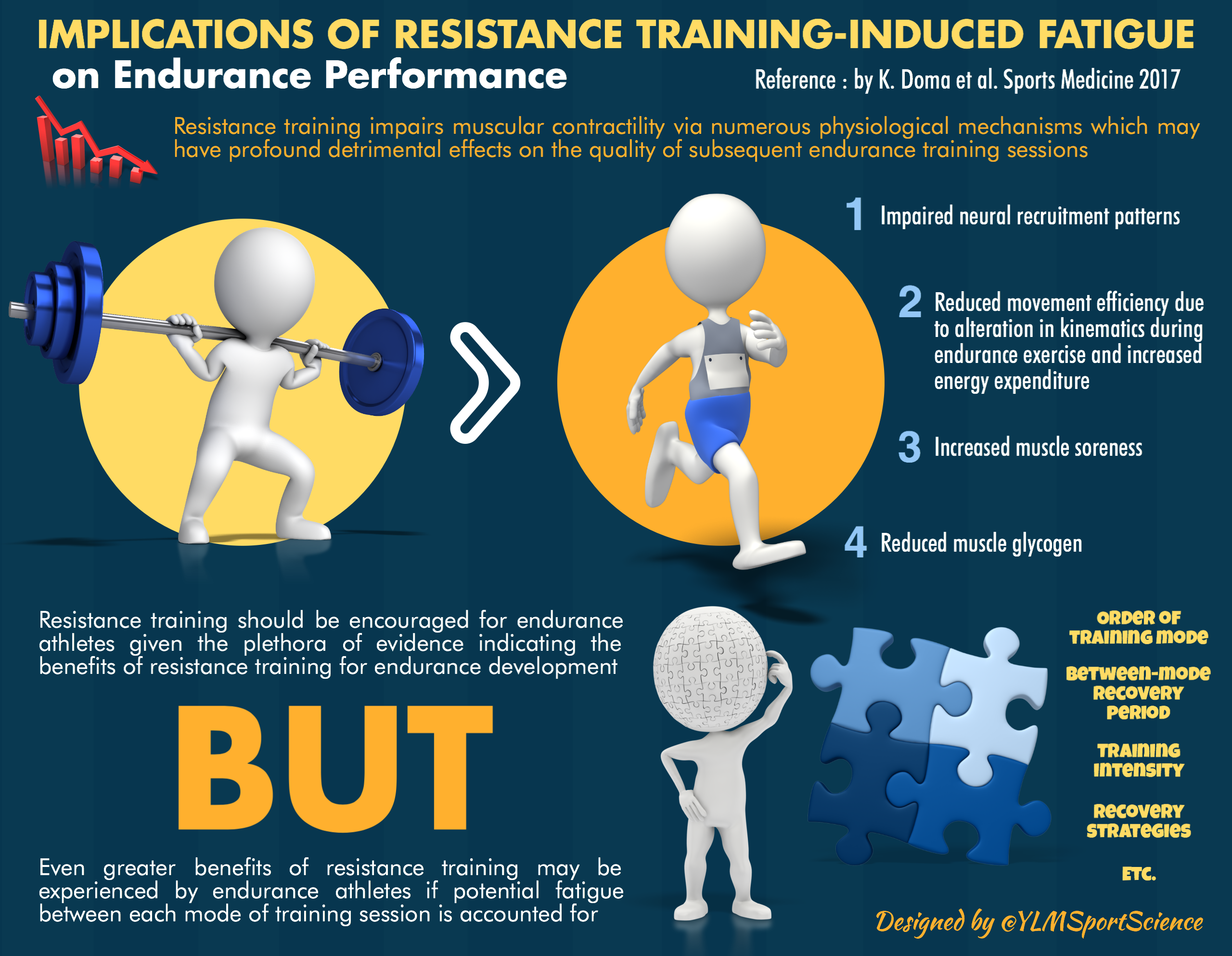
The primary objective of strength training conditioning programs for athletes is to develop fatigue resistance to minimize injury risk.
Strength endurance training helps to maintain muscle function throughout a period of fatigue.
Progression of loading during strength training increases the time it takes to fatigue.
Conditioning allows for improved sport-specific performance under pressure.
Age-Specific Strength Training for Athletes
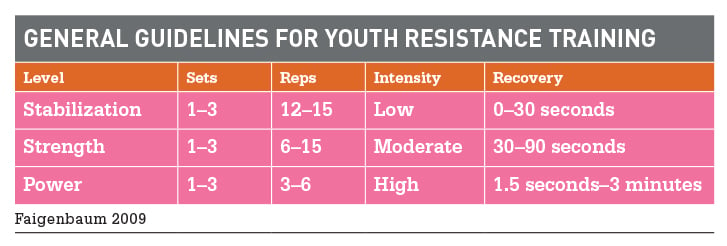
Therefore, a comprehensive strength training program for athletes must take into consideration the various changes in athletes due to age in order to prevent injury effectively.
Using the same training methodology for athletes at all ages may increase the chances of injury.
Younger athletes will adapt quickly to strength training but may have limited structural strength.
Older athletes have already experienced a build-up of evidence of wear and tear.
Advantages of Fitness Programs Specifically for Each Age Group
-
Fewer Growth-Related Injury Incidences for Youth Athletes.
-
Lower Risk of Joint Degeneration for Older Competitive Athletes.
-
Greater Throughput of Recovery for All Age Groups.
Organizations such as the World Health Organization support the development of structured physical development for children.
Early learning of proper movement patterns assists in decreasing the number of faulty patterns that contribute to future injuries in competitive athletic events.
Youth Programs: The Key Focus Areas
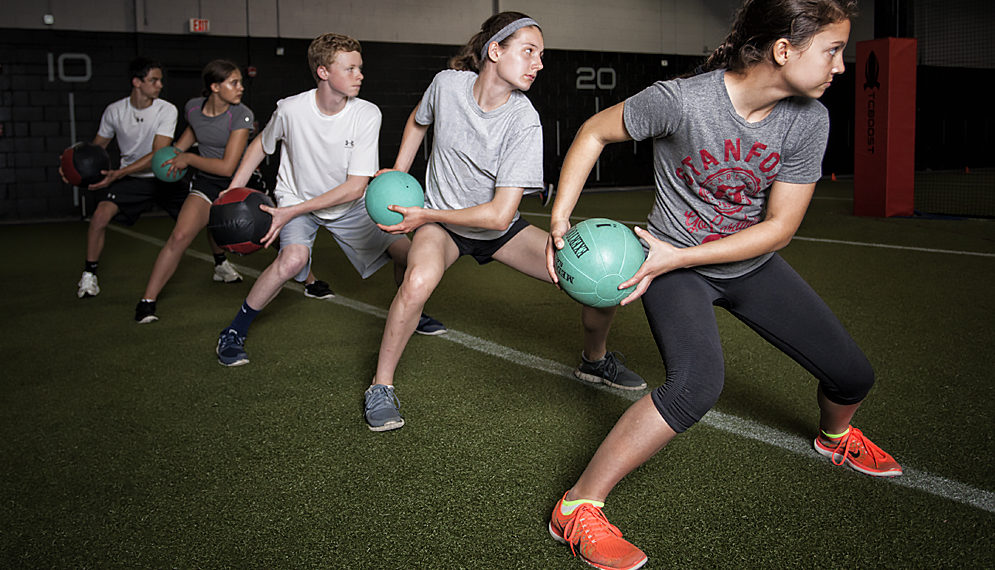
Prioritize Proper Technique/Skill development before the Weight Used is Important.
Develop All Muscle Groups Equally and A Family Focus of the Muscles.
Provide for Adequate Recovery between Training Sessions.
Early Foundation Development Leads to Resilient Athletes, Which Decreases the Number of Injuries that Occur in an Athlete in a High-Performance Level Competitive Event.
Women’s Unique Injury Risks Associated with Strength Conditioning Programs
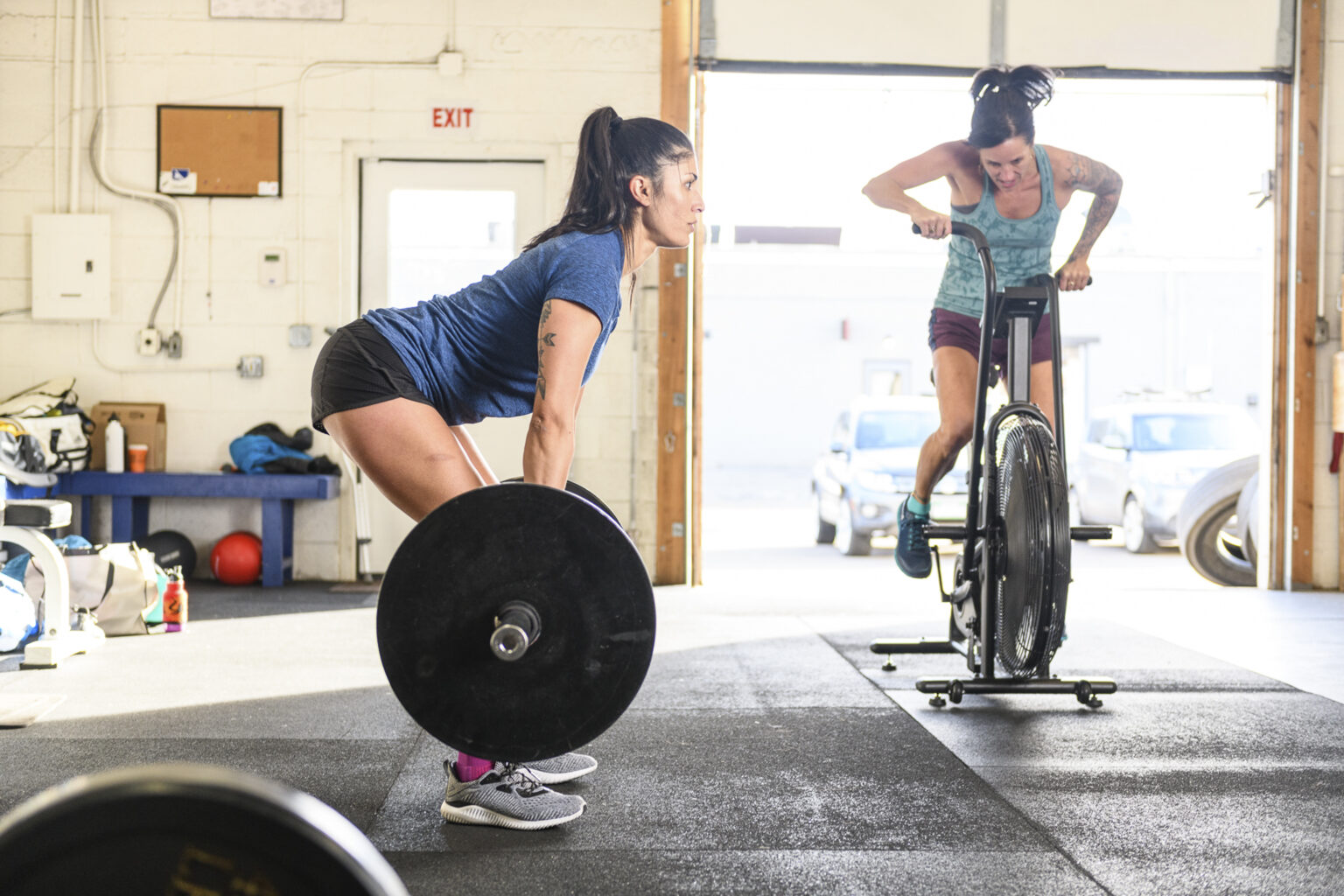
The unique anatomical, hormonal and biomechanical characteristics of female athletes contribute to unique injury risks.
The design of strength and conditioning programs for female athletes addresses lower-body strength, proper landing mechanics and neuGender-Specific Injuries.
Preventing ACL and Related Injuries
What You Gain From Conditioning
-
Joint stability improves during explosive cutting movement.
-
Ligaments withstand greater loads with less strain.
-
Tissues absorb more force upon landing than before.
Sport-Specific Conditioning for Injury Prevention

The aim of sport-specific conditioning is to prepare a muscle and joint for the stresses that they will experience in competition and not to prepare them for generic movements.
Why Specificity is Important
Clubs of professional players utilize sport-specific strength techniques to help their players avoid non-contact injuries by optimizing the way that they move during competition.
Conditioning specifically designed to improve the efficiency with which you move in competition will also improve your resiliency.
Differences Between Conditioning and Fitness Training
-
Fitness training is used to improve an athlete’s endurance, but will not provide adequate protection to your joints.
-
Sport-specific conditioning will prepare your tissues to withstand the amounts of load that they will experience in competition.
-
Targeted conditioning will allow the tissues to experience less unexpected stresses.
Technology and Data in Injury Prevention Training
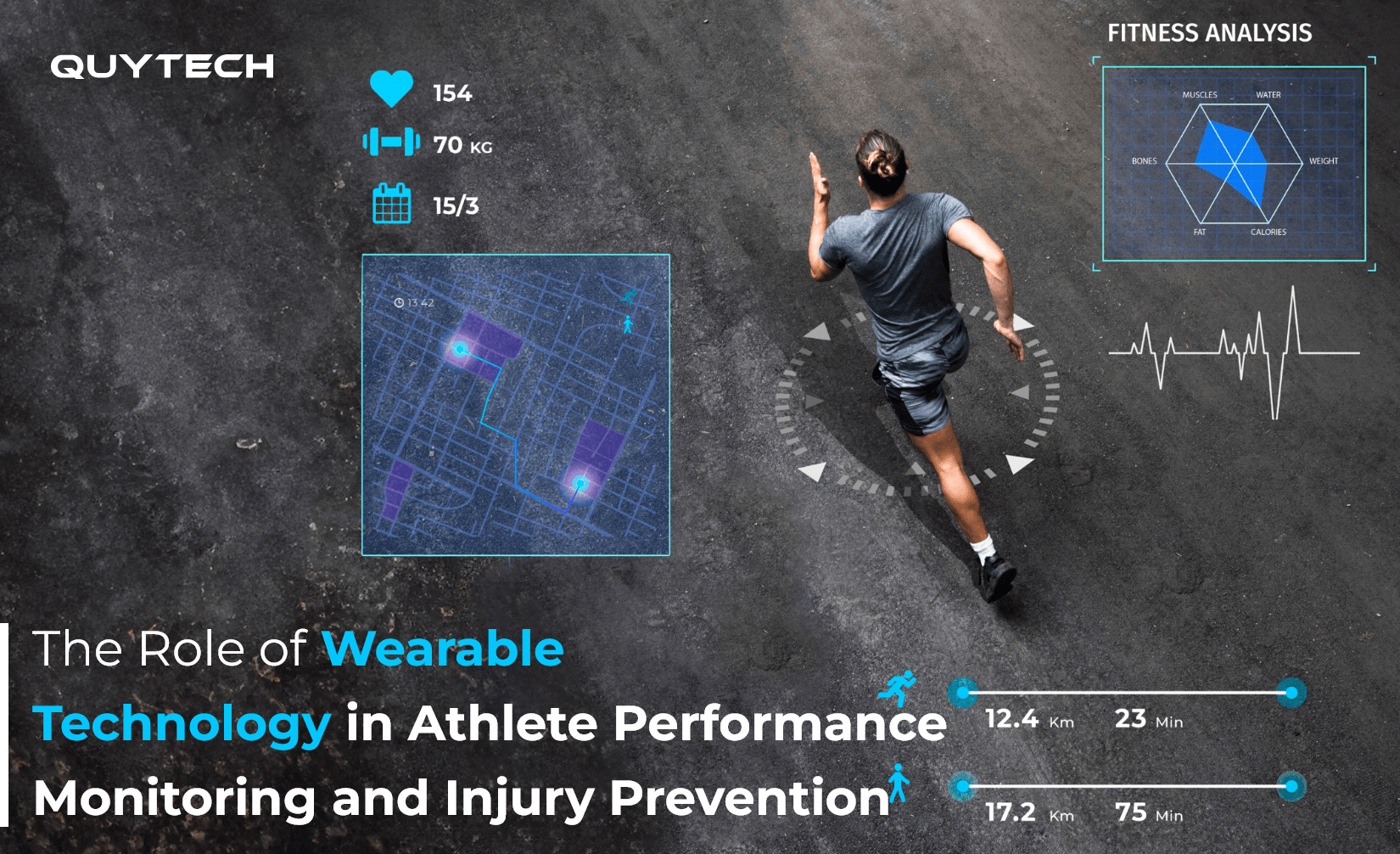
Wearable devices, motion analysis and performance tracking software have become powerful tools for coaches to better understand human movement patterns associated with injury risk and how to diminish that risk.
For many athletes today, the success of their conditioning program has been determined by the data collected and analyzed rather than just by the coach’s observations.
Moreover, data collected from an athlete’s training can also provide the coach with insight regarding their athletes’ physical state (fatigue, muscle overload) as well as movement deficiencies (movement inefficiency).
If injury occurs, training regimens can be modified before it takes place, using objective metrics, which create a consistent, non-subjective manner of athlete training.
These systems also isolate the stresses placed on athletes due to the injury-prone nature of training and competition.
Benefits of Objective Conditioning Systems
The significant benefits of conditioning athletes with an objective approach include the early detection of overload and fatigue patterns, improved accuracy in recovery and rest planning, progressive increase in training intensity, and enhanced injury prevention training through smarter and safer strength training decisions.
Return-to-Play Conditioning
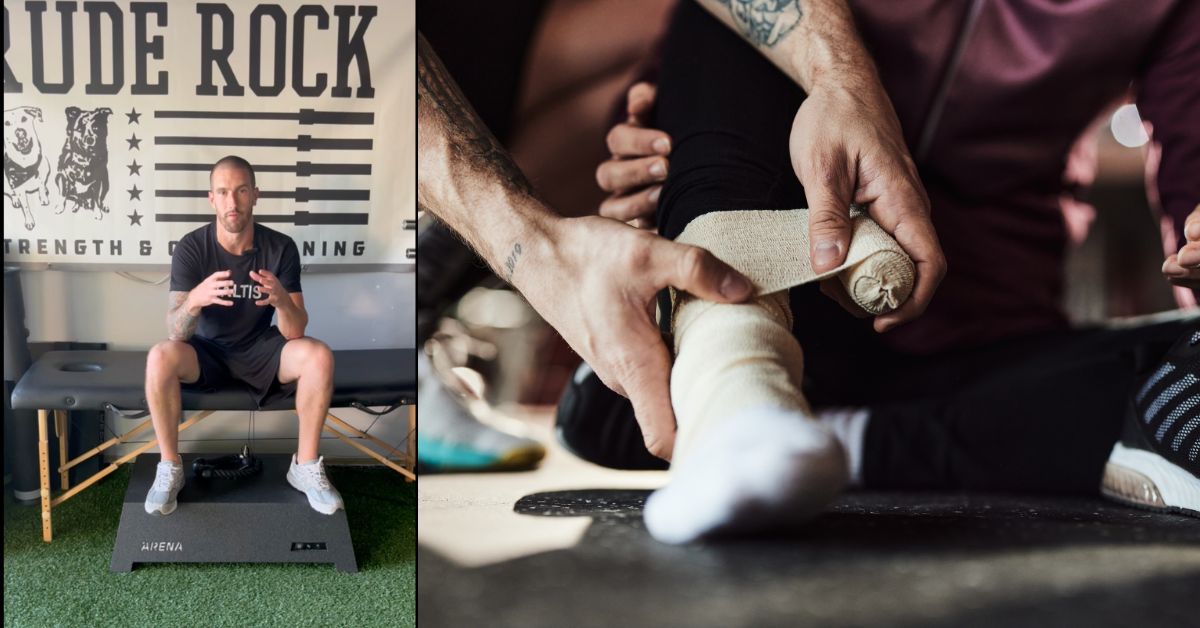
A safe return to competitive sports after an injury requires careful planning of strength and conditioning programs.
Athletes often believe they’re ready to return to competition before the tissue is fully prepared for the demands of the sport.
Structured Return-to-Play Models
Medical teams following the standard of care guidelines established by the American College of Sports Medicine, stress the importance of a gradual progression of load.
In each phase of return to sport, as physical capacities are rebuilt, medical professionals will continue to monitor the pain and fatigue level of the athlete before moving on to the next phase.
Key Components of Safe Return-to-Play Training
-
Progressive increase in strength and intensity.
-
Quality of movement testing at the end of each phase of return to-play before full clearance to return to sport.
-
Continued monitoring of strength and conditioning after competition resumes.
The safety of the athlete during the return-to-play process and the development of long-term health will be achieved through the use of a specific return-to-play conditioning program.
Mental Confidence through Physical Preparedness
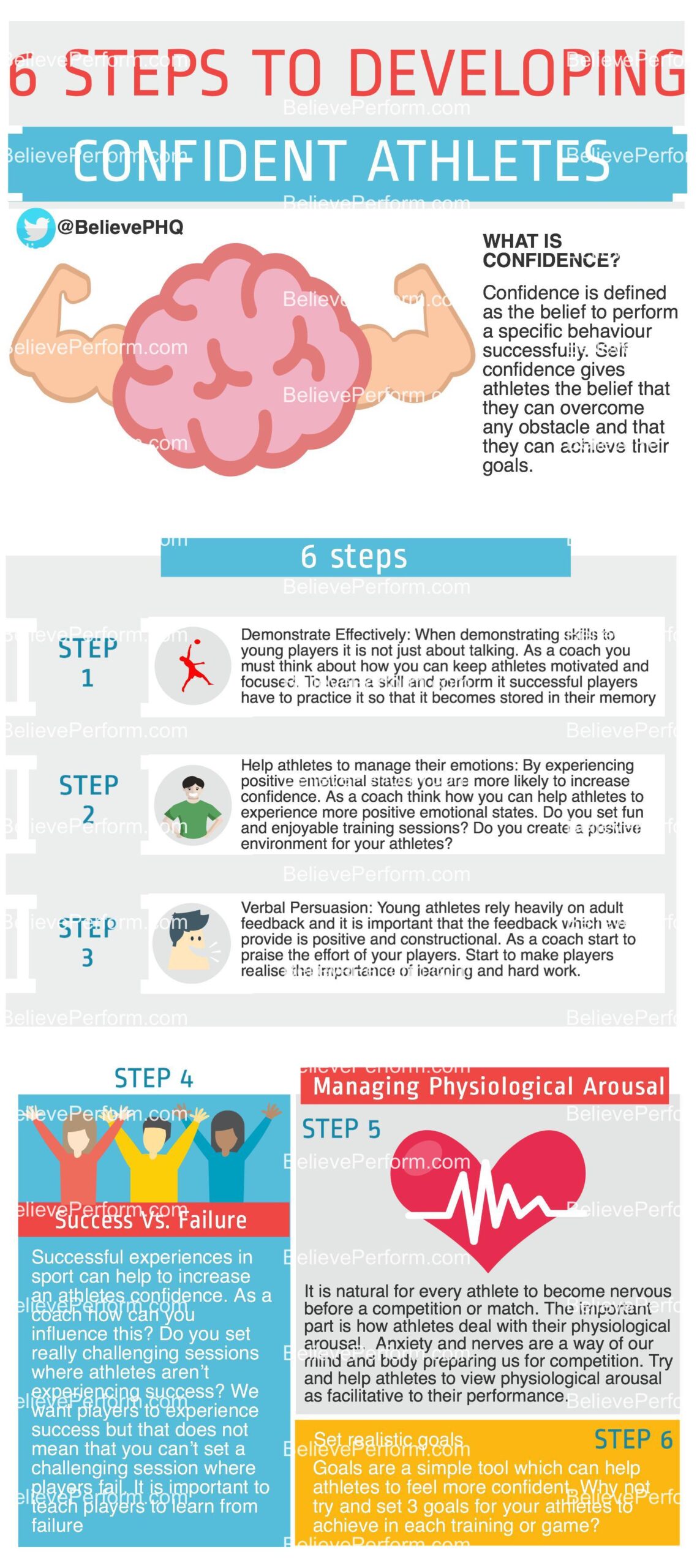
Athletes who feel strong and stable are likely to perform at full intensity.
Strength conditioning programs are an integral part of developing this confidence.
Confidence plays a massive role in athlete’s movement and movement pattern.
The less an athlete has confidence in his body, the more fearful and hesitant he will be when competing.
One of the mental benefits of strength and condition training is a reduced fear of reinjuring oneself once healed from an injury.
This means that injury prevention training allows athletes to have an increased focus on competition.
Professional Versus Recreational Conditioning Programs
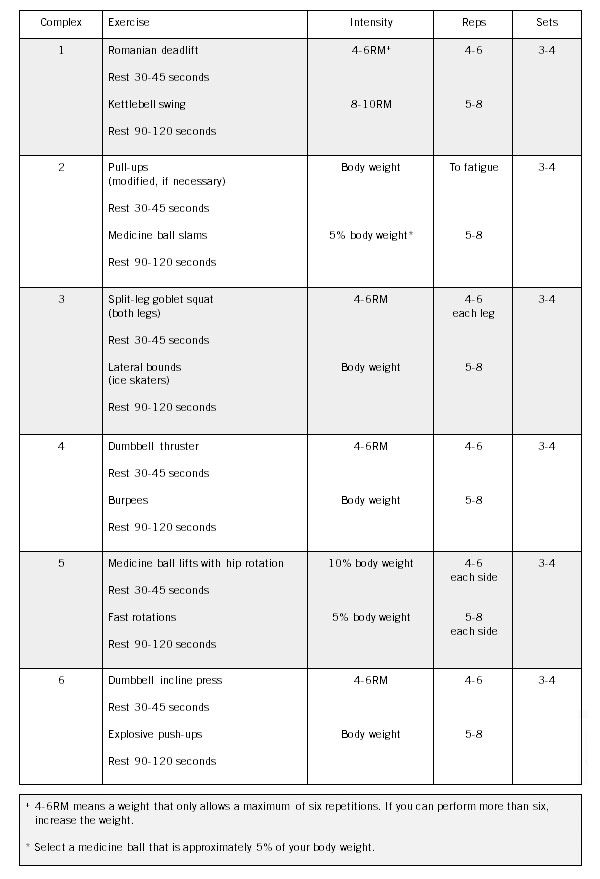
Athletes conditioned in a professional environment through an individually tailored strength and conditioning program will have a much lower risk of injury than athletes who are not conditioned and trained in this manner.
At the professional level, athletes conditioned through structured strength and conditioning programs benefit from the expertise of their trainers.
The National Basketball Association invests considerable resources into developing athlete conditioning programs focused on injury prevention.
Most recreational strength and conditioning programs do not have the same emphasis on preventing injuries by developing individualized training programs to improve the weaknesses of each athlete.
The organized structure of professional programs throughout the entire process of monitoring and managing load and recovery will support the athlete with both physical and mental preparation at the highest level possible.
Long-Term Athletic Lifetime With Strength Conditioning

The way an individual’s body is cared for throughout career span affects an athlete’s career.
Career spans of athletes are affected more by accumulation of injuries than loss of talent or drive.
Strength conditioning programs for athletes ensure that the band is protected, enabling them to maintain a constant performance level throughout many seasons.
Proper management of the volume and intensity of your training regime as well as proper recovery will prevent chronic injuries from occurring.
How Strength Conditioning Increases Career Longevity
-
Reduce degeneration of joints via muscles providing support.
-
Enhance recovery capabilities between seasons.
-
Aid in reducing the probability of recurring injuries over time.
Strength conditioning for athletes is not just about performance today but to maintain an athlete’s abilities for many years to come.
Conclusion
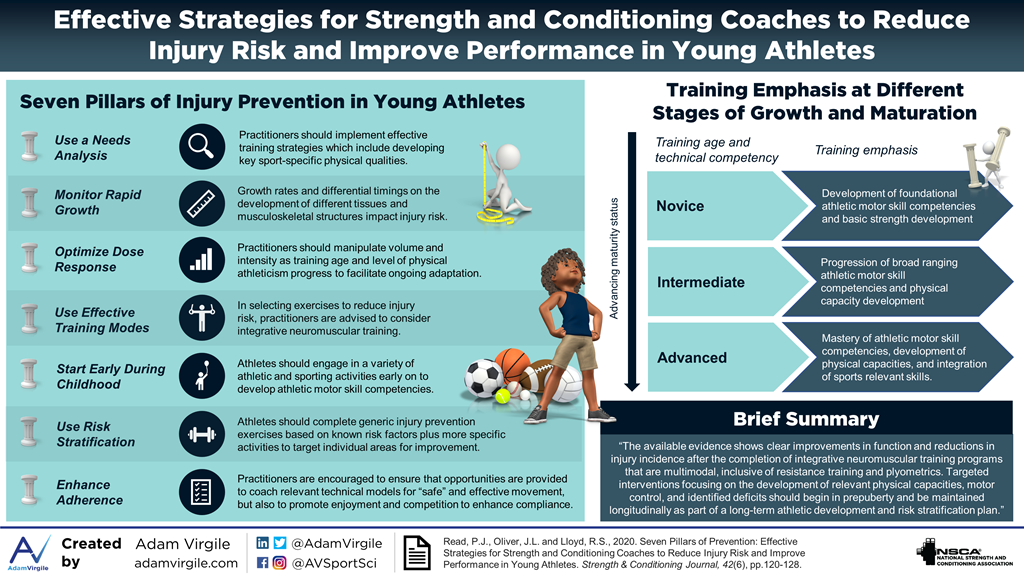
As mentioned, strength and conditioning have become a major part of modern sport.
With the expansion of competition and increased levels of physical performance, injury prevention training plays an extremely important role in assisting athletes avoid physical breakdown.
Without appropriate training, the body will not be able to recover from the additional load and stress of repetitive workouts.
In addition to preventing injuries to the athlete, strength conditioning programs are used to support athletes manage the stress associated with competing.
They also enhance the athlete’s performance through improving joint stability, increasing efficiency in the application of forces to promote movement and improving resistance to physical fatigue.