
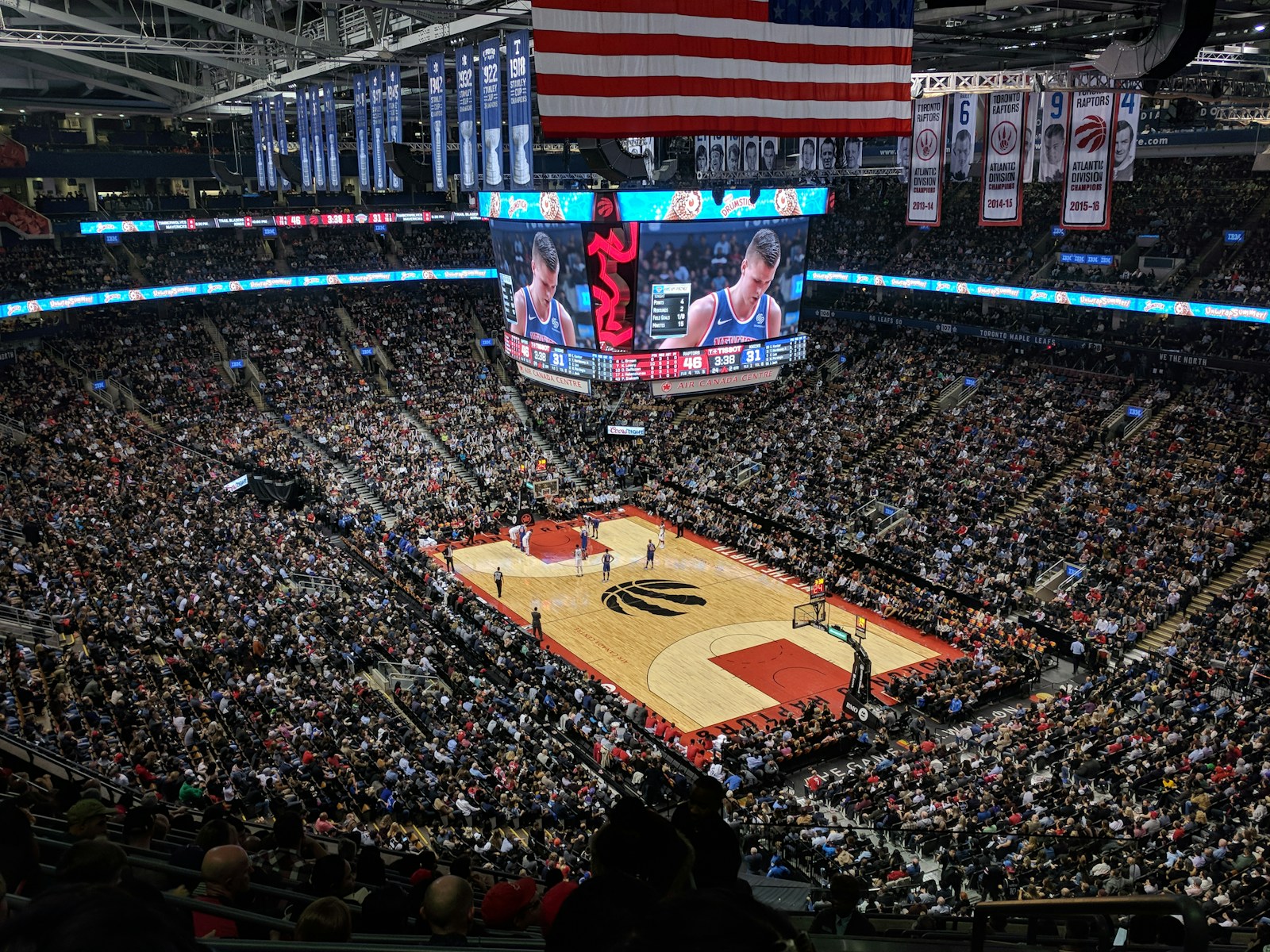
As the way modern audiences consume live sporting events continues to evolve, many of them are leaning towards smaller format sporting events, which provide an immediate sense of excitement and can easily fit into busy everyday lives. Longer format matches are often difficult for younger audiences to follow on a regular basis because of the availability of numerous options for entertainment.
Digital lifestyles have impacted the attention spans of sports fans. Rather than concentrating on one screen only, fans switch back and forth between screens often, expecting the most rapid return on their investment, which leads them to prefer higher action, fast paced sporting events as opposed to traditionally long duration sporting competitions that require sustained period of engagement.
Emphasis on Instant Engagement
Sports formatted in a short format provide fans with immediate access to their content as soon as they start watching. Event organizers and leagues create formats with minimised downtime and increased amounts of action, which keeps fans engaged emotionally throughout the entire contest.
Time Constraints and Lifestyle Compatibility

For many sports, time is becoming a growing challenge for sports consumption in general. Many fans simply cannot spend 3-4 hours watching just one event due to other obligations that they have and as such there is increasing demand for short format sporting events.
Within this construct, fans are able to view an entire contest without having to manage any additional commitments, whether they be work, family or social related. This creates an appealing option for fans who live in metropolitan areas where finding free time is a challenge.
Compatibility of Fast Paced Events with Modern Lifestyles
Fast paced sporting events provide an opportunity to enjoy a full contest in a reasonable and predictable amount of time, which increases the level of likelihood that fans will return to watch future contests as well as engage as everyday casual fans.
Media Influence and Broadcast Adaptation
The expansion of the viewing experience for sports has been greatly influenced by the expectations that have been created for viewers by networks such as Netflix and Amazon. To meet these consumer expectations, sporting organisations have shortened and condensed their traditional formats and increased their level of action.
Media and broadcasting organizations have played a key role in selling and promoting short-format sports events. Broadcasters prefer those formats that will deliver the most engagement and viewer retention during limited broadcast time slots, which makes them more viable to package and promote.
Technology Enhancing the Viewing Experience
Modern day viewers expect high images, accurate representation of the events, instant replays and highlights of significant moments, all while having the option of watching multiple angles simultaneously, due to advances in broadcast technology.
The Glitz and Glamour of Short Formats
Short formats promote aggressive play styles, which result in athletes taking greater chances. In doing so, many short formats have provided spectacular plays and increased the social sharing of their events.
T20 cricket and rapid-format tennis are examples of sports that encourage the casual fan to view them. By offering a more entertaining format for their audience, these formats convert non-traditional viewers into regular fans.
Attracting the Casual Fan
This continuing shift toward entertainment value explains why fast-paced sports formats are flourishing through television, streaming, and live-event venues.
Franchise Models and Youth Engagement
Franchises are an important aspect in the success of Short Format sports as an Entertainment/Sport. The Fast-Paced Style of play, Musical Component, and Brand Expansion into Sovereign Customer Class from Individuals Who would not Follow the Sport otherwise makes Franchises popular among fans of the Genre.
Short Format Sports are Very Popular with Younger Audiences Due to the Fit Within Younger Audience Lifestyles.
Commercial Sponsorship & Brand Alignment
These partnerships help build a strong connection and visibility to younger consumers in urban markets, strengthening commercial viability and sustainability.
Global Growth and Accessibility of Short Format Sports
Due to a reduction in the number of resources needed to host a short-form sporting event and the ease with which fans can participate, the global growth of short-form sports is increasing.
Long-Term Audience Expansion
As with all extremely rapidly growing Elite Sports, short format sports are very well positioned for Long-Term Continued Growth through Expanding Broadcast Reach, Deepening Fan Engagement, and Creating Sustainable Global Viewership.
The Support of Global Sports Organizations
Expansion In New Nations
The development of short-form leagues has given rise to the development of countries with developing sporting ecosystems that would have greater potential to host short-form events, build their own fan base, and attract sponsors much more quickly.
In turn, the greater accessibility of short-form sports will continue the development of such sports across continents and cultures.
Live Event Experience
The introduction of short-form sports has changed the way that fans experience sporting events and attend live sport. Many fans now experience full matches without having to commit an entire day to watch them live, resulting in larger crowds attending, particularly families and working professionals.
The atmosphere in a stadium during live, fast-paced sporting events is generally more lively than during slower-paced events. Fans are typically more emotionally connected to these events during a game due to the continuous action and excitement of scoring points and the shorter breaks that allow for that connection to exist.
Additional In-Stadium Entertainment Options
Short-form sports have also expanded the concept of event organizers to now view short-form matches from an entertainment perspective and have designed them to be complete entertainment packages.
In addition to participating in their games, fans have multiple forms of engagement with the event, such as music, lighting, and interactive screens, between plays.
Commercialization And Venue Experience
With increased commercial support from global partners, such as Coca-Cola and Pepsi, venues now include areas to showcase food, merchandise, and Digital Engagement Zones.
This has resulted in a greater ability to create and enhance commercial opportunities and satisfaction for fans.
As a result, fans attending live sporting events in short-form will experience greater engagement levels and, therefore, increased commercial values in short format sports.
Athlete Preparation in Short-Format Sports
Short format events require explosive towards the beginning of the event with little time before the start and no time for recovery during gameplay.
Training is geared towards maximising an athlete’s impact within the limited time frame that is available when competing in the short format of an event.
The types of conditioning that athletes undergo for short format events are different than conditioning for long-distance events, as training for short format events focuses on speed, power, and rapid decision-making, whereas conditioning for long-distance events places emphasis on endurance alone, and greatly changes how an athlete prepares for and recovers from competition.
The changes that have occurred due to the emergence of short-format sports have led to changes in elite athletic performance standards.
Economic Impact and Commercial Sustainability
Economically, short-format sporting events have a tremendous economic impact due to the number of events, coupled with the rapidity of the events and future event dates.
Cities benefit from increased tourism activity and employment opportunities locally from hotels and other hospitality types of businesses.
Because short-format sporting events tend to be fast-paced and require a considerable amount of travel for many of the spectators that attend them, event promoters have developed creative methods to maximise their revenues while minimising downtime during events and utilisation of the venue(s).
Broadcast networks such as Star Sports benefit from the reliable ratings the broadcast of short-format sporting events deliver and the efficiency of commercial advertisements.
Sponsorship, Media, and Local Business Benefits
Companies who sponsor short-format sporting events are able to receive multiple exposures to the advertisements of their products during the short duration of the event.
Local leagues and global leagues attracting sponsorship from outside the country while providing support to local businesses.
Local businesses benefit from merchandising sales, food and beverage services, and transportation.
For this reason, local businesses are the primary benefactors from hosting short-format sporting events.
The balance between the revenue generated by hosting and investing in an event versus participation by athletes and teams has created an economically viable alternative and opportunity for the growth and sustainability of short-format sport.
The Long-Term Sustainability of Short Format Sport
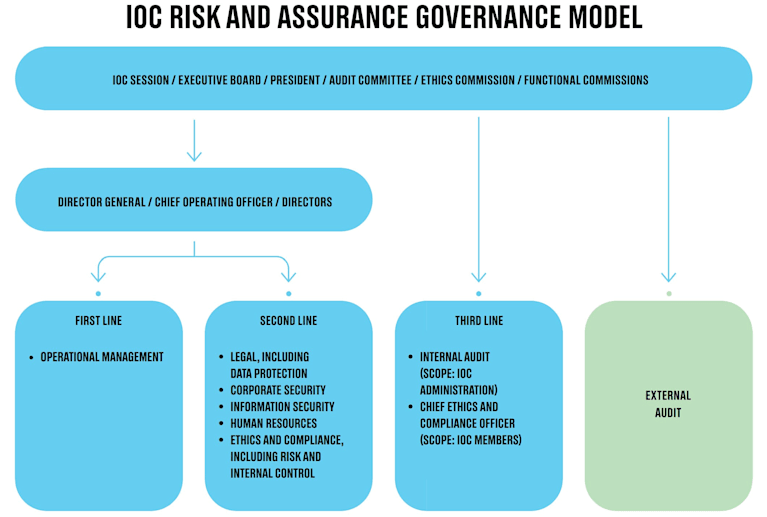
Organizations such as the International Olympic Committee govern the sport of short-formats and encourage both the development of innovate ideas and the protection of the core values of sport.
Through this type of governance and oversight, short-formats will continue to experience long-term sustainable growth.
Audience Behavior and Viewing Preferences
As society has progressed to a rapid pace of living, it has created a barrier for many fans to consistently follow long-event formats.
Short format events are designed to minimize the viewer’s amount of effort and attention required by concentrating the action within the shorter timeframe.
Short formats provide a lower commitment for fans to become engaged and watch events on a regular basis.
With fans able to watch multiple events during a season, their emotional attachment and viewing habits will increase over time.
Athlete Preparation: Long vs Short Formats
Athletes compete in long-format events with endurance and patience, while athletes in short formats prepare for explosive type performances.
Roger Federer is an example of how athletes’ preparation requirements change due to the different demands of multi-tasking versus long running or standing.
The above comparison illustrates how, short-format athletics are complementary to long-format athletic structure.
Scheduling Flexibility and Global Reach
Due to its short match duration, short format athletics provides greater scheduling flexibility to organizers and broadcasters.
Short format athletics can allow multiple contests to be staged in a single day, thus providing sports with more opportunities for consistency of visibility.
Emerging Markets
Short formats allow emerging regions to enter the sports industries without the challenges associated with developing a larger logistical infrastructure.
Narrative Creation and Athlete Visibility
Leagues build their narratives from frequent events and rivalry type match-ups.
The Power of Recognizable Athletes
Virat Kohli‘s popularity establishes a very strong following based on the exposure he receives from the various short format media outlets.
The increase in regularity of visibility translates to a heightened connection between fan and athlete and ultimately builds long term loyalty amongst fans.
Technology, Innovation, and Future Growth
Companies such as Amazon are helping to support companies who want to create and test new ideas in the short form sports space on a broader scale.
The successes of these new innovations will depend upon their respect for traditional sporting values while catering to the demands of today’s audience.
Digital Culture and Modern Fan Expectations
Expectations around short-form content have been created by digital platforms such as YouTube.
Today, fans prioritize both intensity and immediacy, above everything else, compared to established traditions.
As a result, short-form events exist and flourish in alignment with modern cultural rhythms and consumption of modern entertainment.
Integrating Short-Formats into Traditional Sports Systems
Sports governing bodies, including the International Cricket Council, use short formats to extend their reach while also providing protection and support for their established heritage formats.
Providing multiple formats permits adaptability in sports long-term, which allows for continued global expansion and cultural relevance across generations.
Conclusion
It is probable that in the future, short-form sports will continue to exist alongside traditional formats.