

The reliance on integrated training models (ITMs) of both endurance and power for performance enhancement has become increasingly common in modern elite sport.
Most contemporary sports are not limited to one physical attribute (e.g., strength or endurance); they necessitate the ability of the athlete to perform at a high level of output while executing explosive movements during the later stages of competition (fatigue).
As a result, today’s coaches are required to design training protocols that take a blended training approach to develop the appropriate conditioning level of their athletes.
Blended Conditioning Endorsed by High-Performance Sport
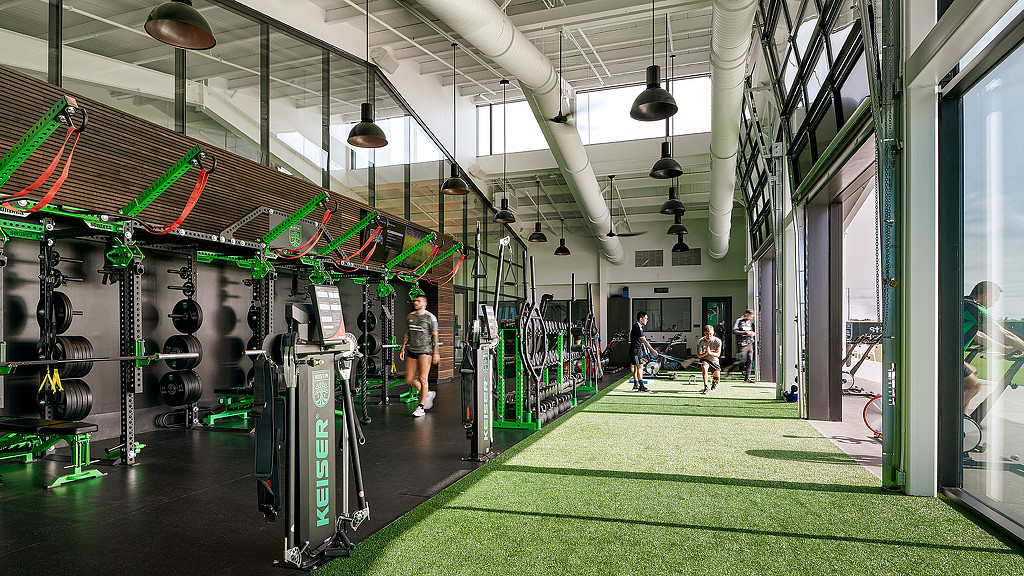
To execute this reality, providers such as the International Olympic Committee and high-performance training centers have become leaders in endorsing the notion of developing an athlete through the blended approach of mixed conditioning.
As examples, numerous sports such as Football, Tennis, and Rowing require an athlete to repetitively execute power-based movements, while simultaneously sustaining an endurance at a high level throughout multi-hour contests.
The collective of these examples illustrate the need to establish a foundation through which to design a training approach that merges and blurs the lines of traditional performance conditioning.
The Impact of Sports Science and Automated Data Integration

Companies such as Nike and Garmin are leading the charge in supporting this movement by providing athletes and coaches with wearable technology and load data tracking systems.
These devices enable coaches to achieve an optimum mixture of training loads by balancing both intensity and volume while still facilitating peak-output performance and minimizing loss of output.
The adjustment of training loads occurs through the provision of real-time data feedback regarding the athlete’s performance and system capabilities.
At the conclusion of each power training session, the duration of the session is based on the endurance threshold performance capabilities.
Total recovery assessments for all training sessions are integrated into weekly training schedules to create a well-balanced, functional training progression for the athlete.
The Future of Athlete Preparation
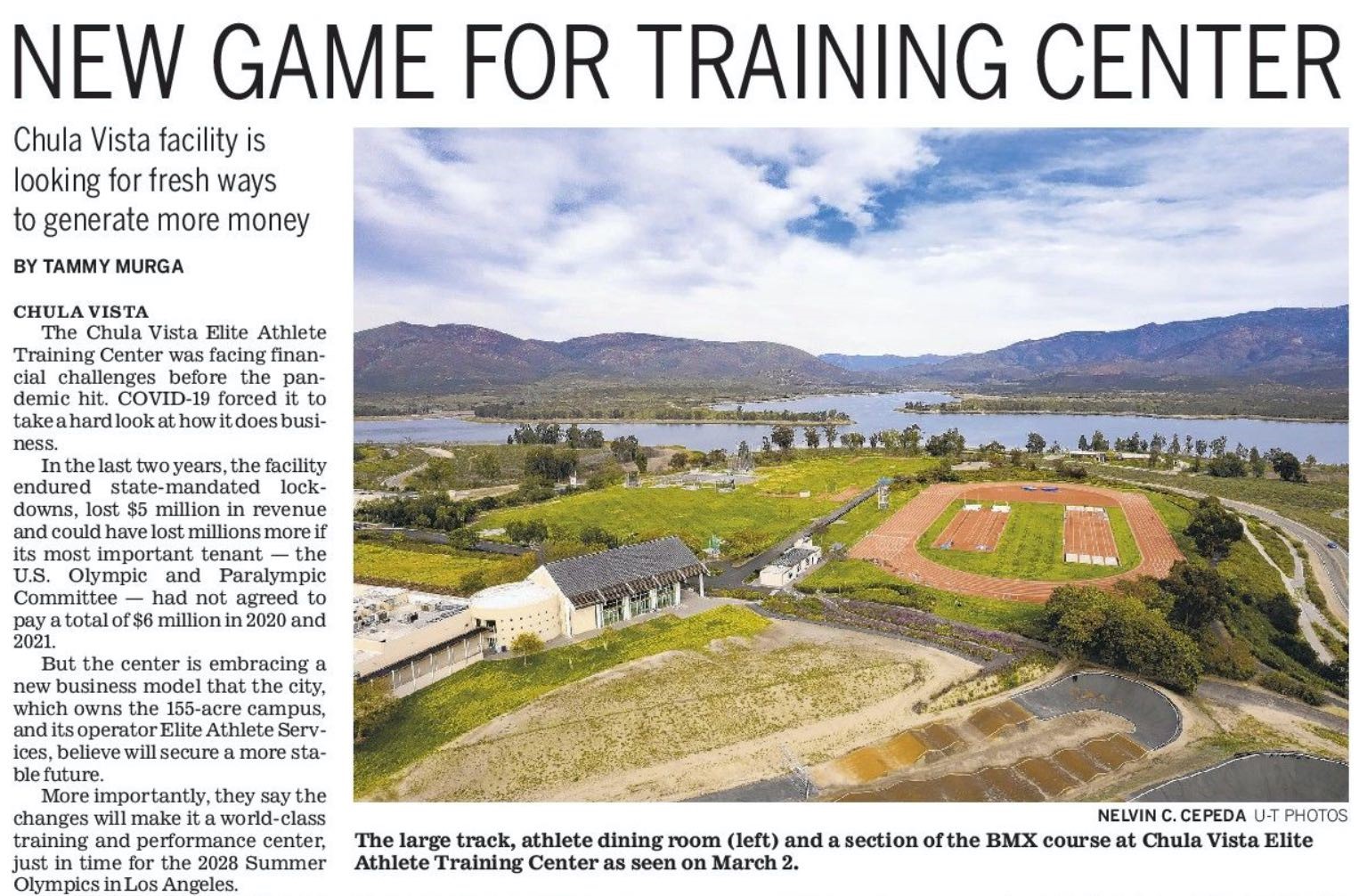
Elite coaches are now developing more flexible training regimens for their athletes than in the past.
The example of Eliud Kipchoge illustrates the ability of endurance athletes to continue to progress toward optimal power efficiency and for power athletes to enhance depth of conditioning.
Endurance and Power Athlete Characteristics
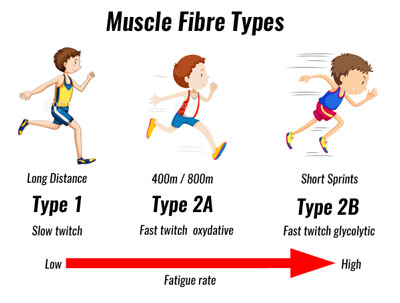
Endurance and power athletes train on opposite sides of the energy spectrum.
Endurance and power sports utilise opposing types of muscle fibres in order to improve their performance, despite having different physical purposes.
Endurance athletes develop more slow twitch fibres that allow them to steadily produce energy over an extended period of time and power athletes typically develop fast twitch fibres that allow them to exert as much force as possible while performing exercises at maximum intensity.
Aerobic and Anaerobic Training Methods
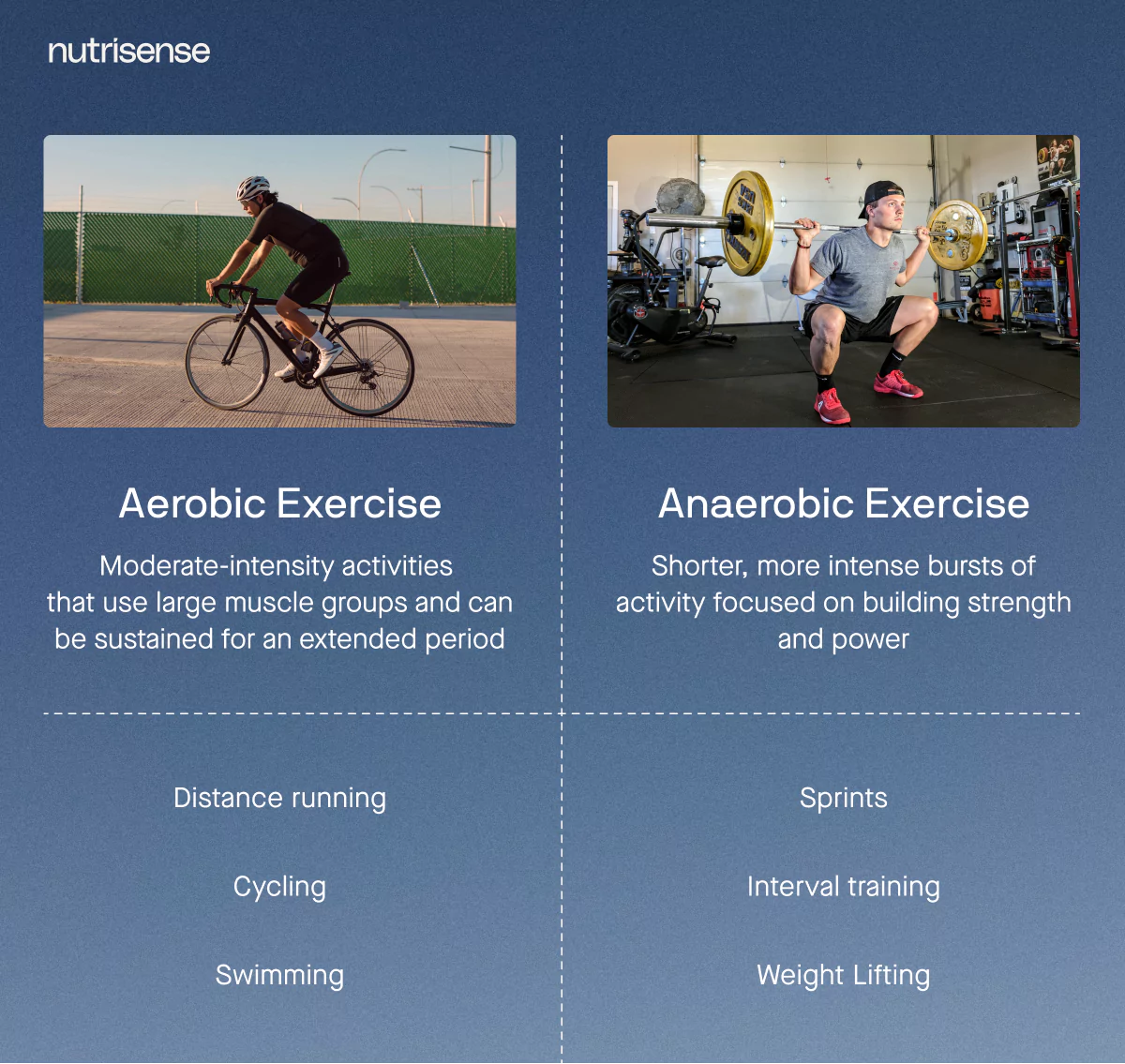
Competitions in endurance sports (marathons or long-distance cycling) rely heavily on how well an athlete uses their body’s ability to deliver and utilise oxygen to create energy through aerobic metabolism.
World Athletics provides a competitive structure for competitors in endurance events helping to create an environment where athletes’ disciplined pacing and high metabolic efficiency reward as well as the long term sustained production of energy.
Anaerobic Sports (e.g., sprinting, weightlifting or throwing) rely on the body to produce energy from anaerobic metabolism to perform high intensity, explosive type physical activities.
Training for anaerobic sports places a greater emphasis on maximum explosive energy production over a short duration without subsequent performance decreases.
Endurance Training Principles and Adaptations
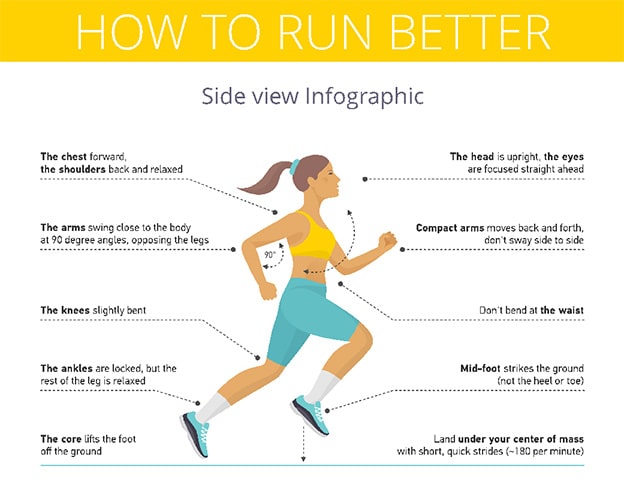
Endurance training is primarily focused on the development of an athlete’s ability to perform optimally on a consistent basis.
With time and continued increase in training volume, the athlete improves their cardiovascular conditioning ability thereby enhancing their ability to prevent fatigue and breakdown during long duration performances.
In endurance training, endurance attributes such as consistency are valued more than maximal intensity.
Endurance training via long runs, steady cycling and controlled intervals teaches the athlete to preserve their energy and maintain an efficient movement pattern while modifying their movement to adapt to similar stress time after time.
Power Training and Neuromuscular Focus
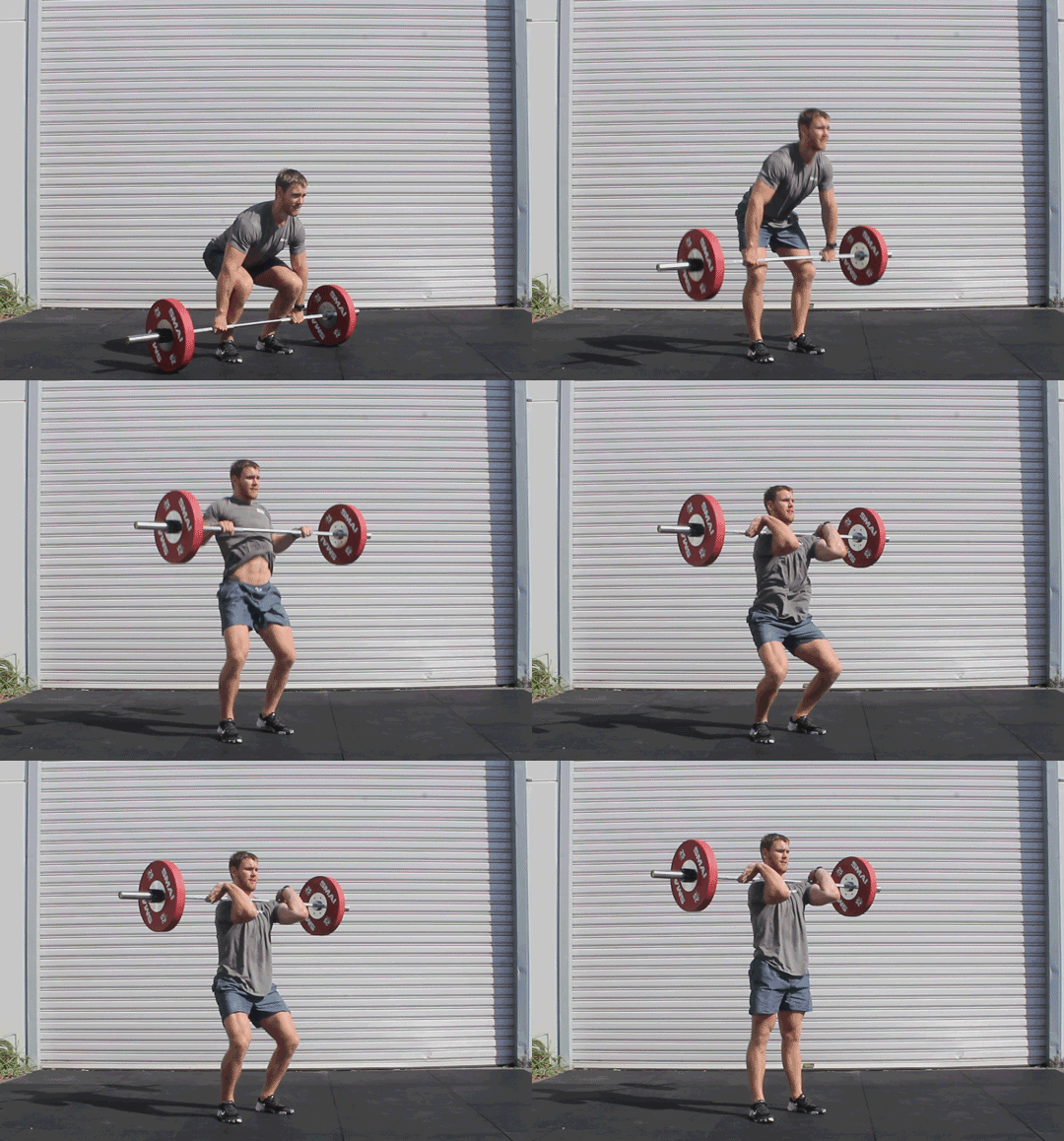
A Power Training athlete’s goal is to train for speed, strength and explosive output for short periods rather than long duration.
Training sessions for Power Training athletes are shorter than those of Endurance athletes but are performed at a much greater intensity.
Typically, Olympic lifting, plyometrics, and sprinting drills predominate on Power-based programs.
When performed correctly, these exercises enhance the athlete’s ability to recruit their neuromuscular system quickly and efficiently under high loads.
Strength, Speed and Precision
Sports Scientists working with organizations such as USA Weightlifting place the same level of importance on Technical Consistency and Strength Development.
Translation of Performance to Competition
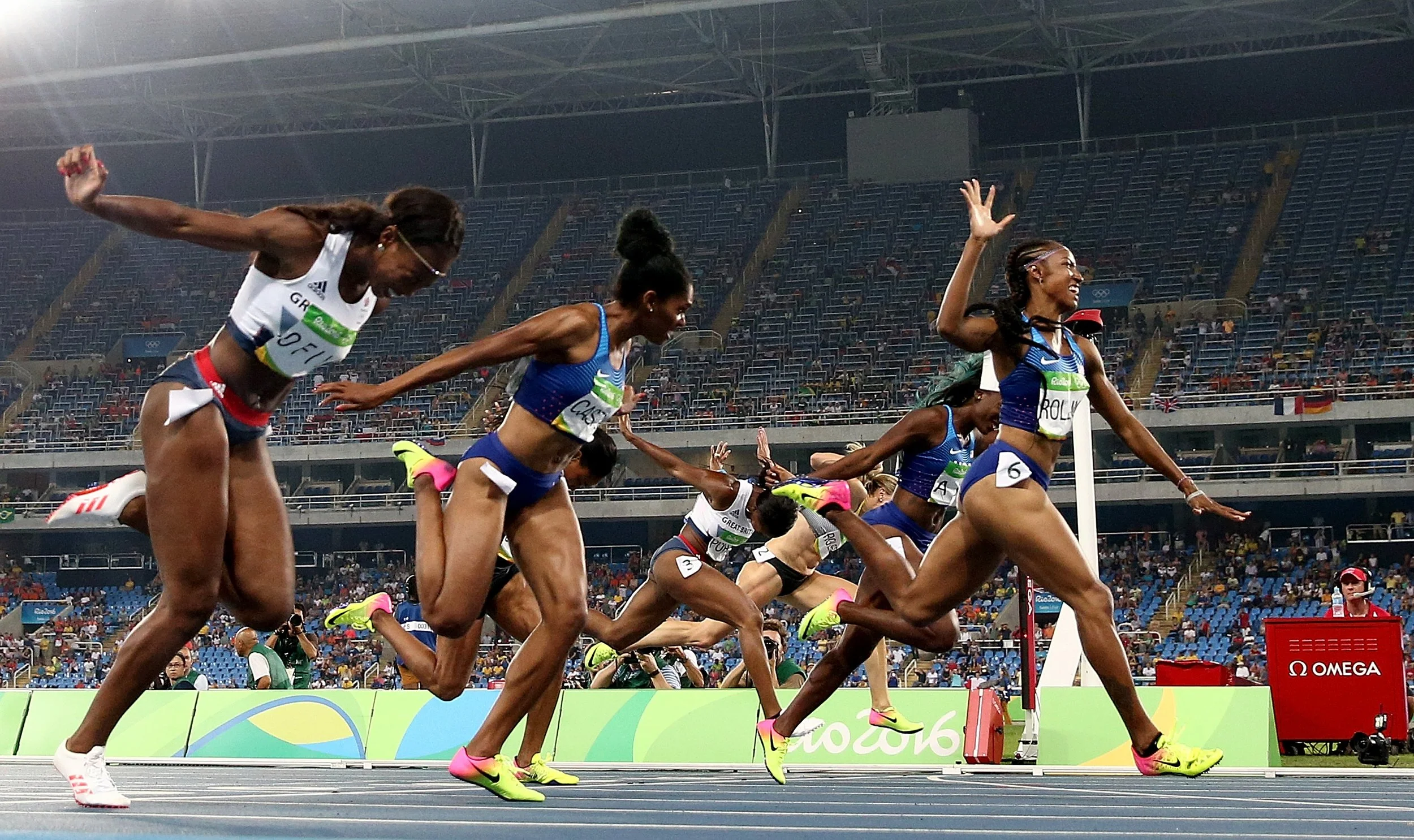
Power Training directly relates to an athlete’s competition demands.
A perfect example of this principle is sprinter Andre De Grasse.
His ability to convert strength gained in a gym to speed at the track is due to refined neuromuscular efficiency.
Recovery, Nutrition, Sleep, and Regeneration
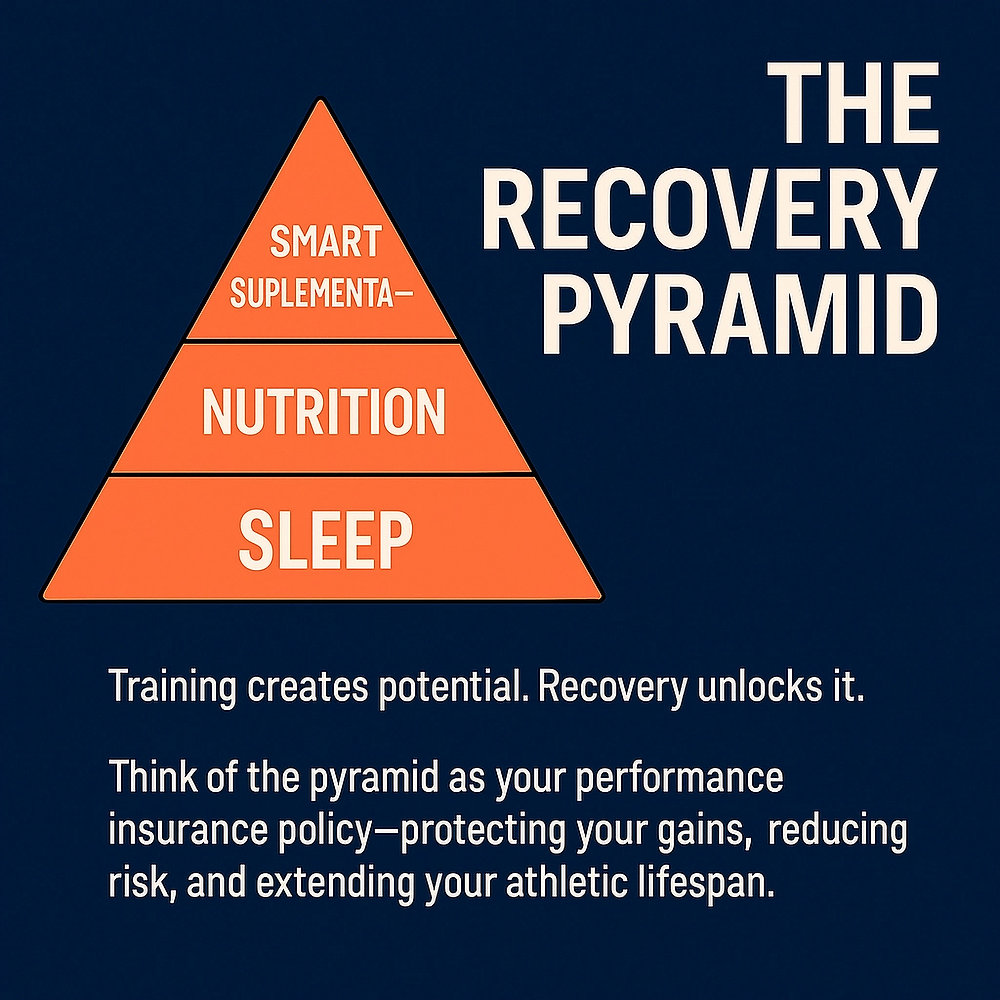
Recovery from training is vastly different between Endurance and Power Athletes.
Athletes in Endurance Training generally consume a greater amount of carbohydrates for their energy replenishment during their training.
Athletes in Power Training consume more protein and higher Caloric Density to promote muscle recovery.
While both groups of athletes need adequate sleep, power athletes use sleep as a means of recovering their neuromuscular system; whereas, endurance athletes utilise sleep for restoring their metabolic system.
Both categories of athletes use Whoop supported sports performance programmes to help optimize their training state based on their sleep quality.
Managing Injury Risk and Load
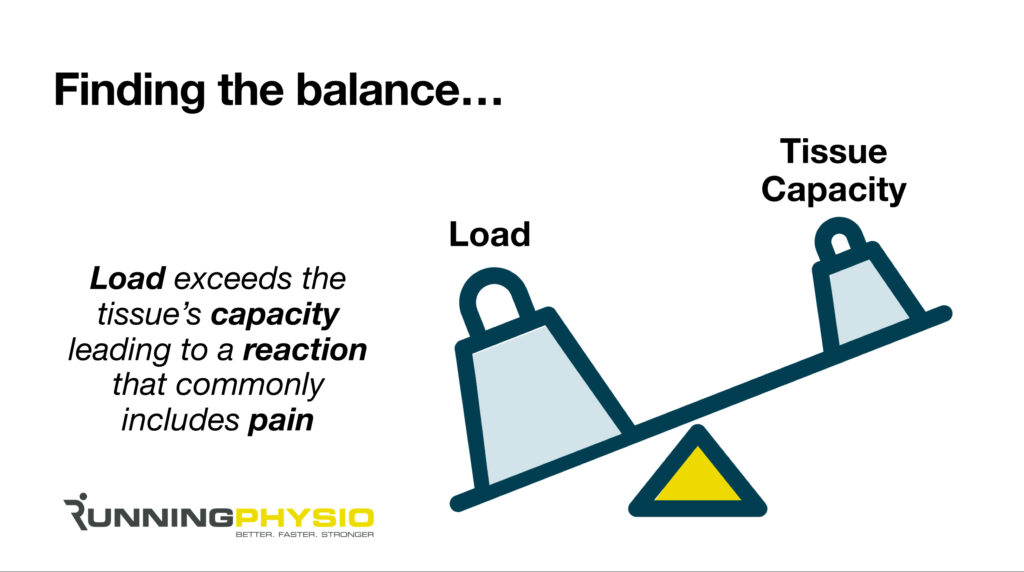
Endurance and power-based athletic movements create vastly different injury risks for each discipline.
Endurance athletes suffer from repetitive stress injuries, while power-training athletes must overcome acute muscle and joint strain.
The International Olympic Committee and similar organisations advocate for the implementation of evidence-based load tracking to enhance the well-being of all athletes.
Athletes such as Mo Farah illustrate how careful progression of load management allows for the establishment of long-term careers.
Psychological Preparation Differences

There are a number of substantial differences in how endurance athletes and power-training athletes prepare themselves mentally.
Endurance athletes develop patience, concentration and pain tolerance.
Power athletes develop confidence, aggression and the ability to make split-second decisions under pressure.
Psychologists in Sports support organizations such as the British Olympic Committee employ different methods of developing the mind based on the physical demands placed on athletes by their sport.
Mental Consistency is emphasized for endurance athletes, while Arousal Control is emphasized for power athletes.
Annual Training Plans and Periodization
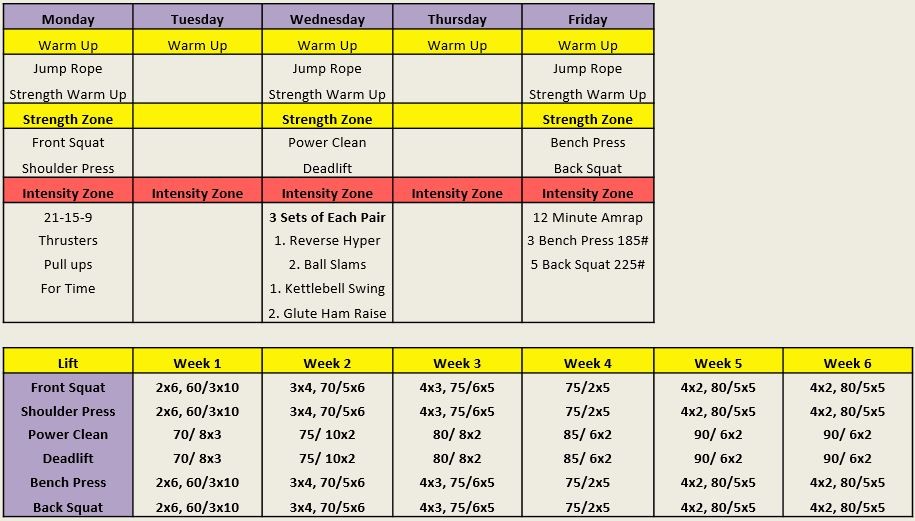
Utilizing periodization provides a consistent development of endurance and power over the course of the athlete’s competitive season.
Modern periodization allows athletes the changeable nature of plans based on an athlete’s form and recovery from competition.
Athletes such as Michael Johnson were able to create a successful training model based on an adaptable style of planning.
The use of this model is now being utilized by more and more elite sport coaches.
Hybrid Athletes / Training for Crossover Competition
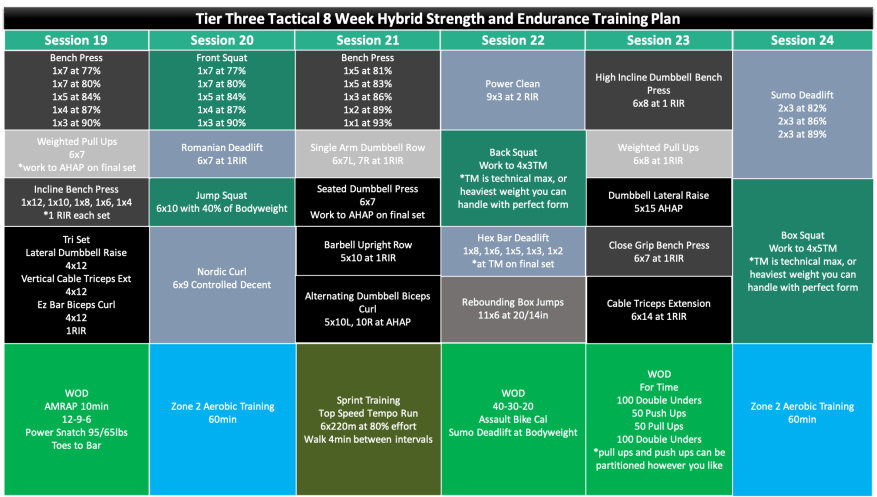
As a result of training for two extreme training ends, many modern-day athletes are hybrids of both systems.
Training in general for hybrid athletes has evolved to combine methods from endurance and power systems.
As a result, many coaches and trainers have begun to utilize crossover training between endurance athletes and power athletes. Endurance athletes include strength training in their program, and power athletes add conditioning work to allow them to train and compete with greater amounts of explosion while also providing an endurance training element.
Hybrid Methodology of Training
-
Training combines endurance systems with power-based systems
-
Coaches manage crossover demands carefully
-
Programs aim to reduce weaknesses while increasing overall resilience
Performance Centers and the Evolution of Hybrid Training
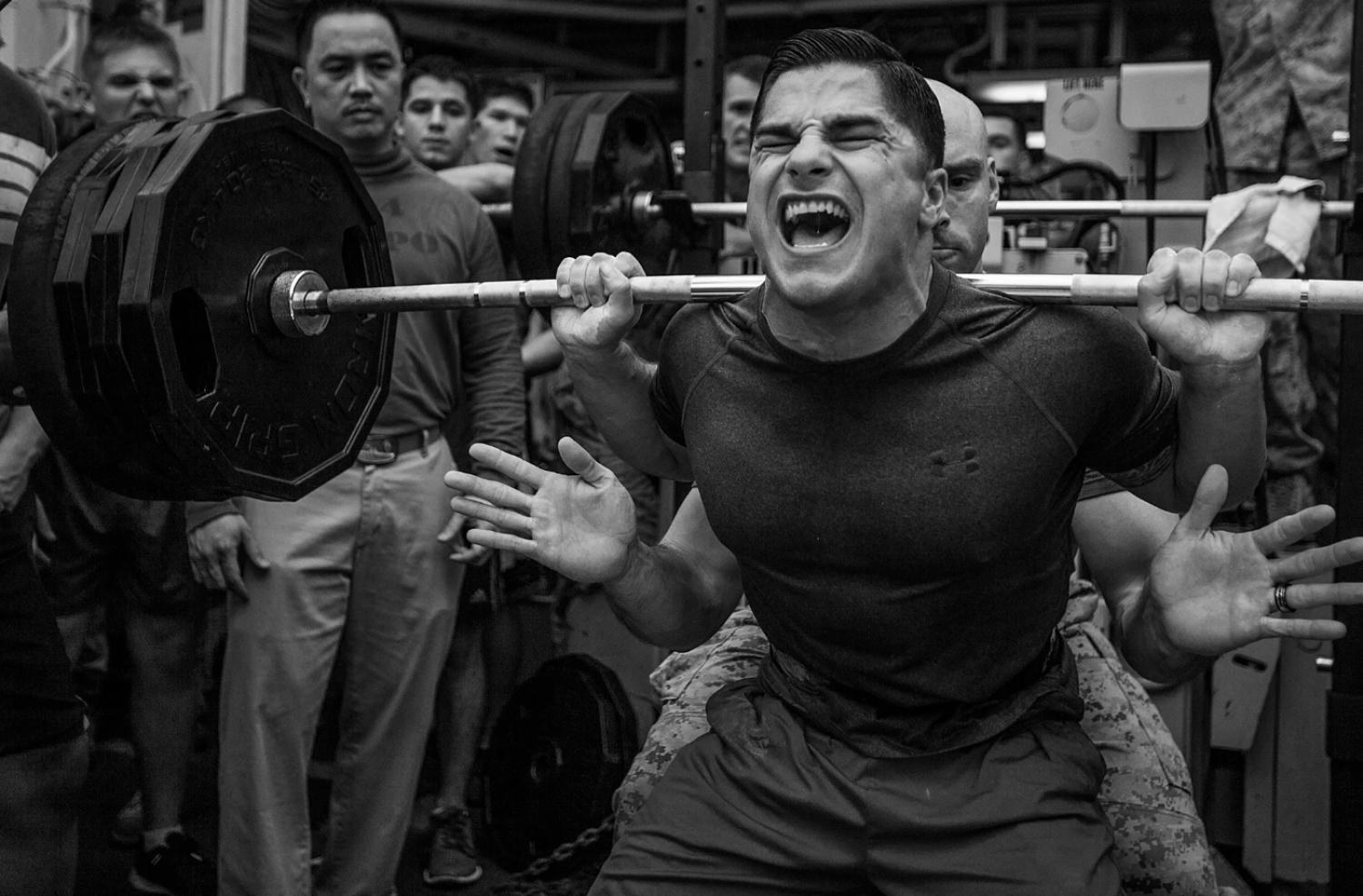
Performance Centers – Nike is one of the leaders developing performance centers where all elements of an athlete’s ability (i.e., strength, endurance, speed, etc.) are combined in one place and performed as a unit.
The result is a reduction in all weaknesses and an increase in an athlete’s overall resilience.
Because hybrid methodology of training requires the ability to manage conflicting adaptations, the proper planning and formulation of an individualized hybrid training program requires the highest level of professional expertise.
The Evolution of the Hybrid Athlete
Tadej Pogačar is an example of how power-based systems, when properly developed and utilized, can enhance an athlete’s endurance performance.
Proper hybrid systems reflect the future of hybrid training for numerous elite contemporary sports.
Gender-Based Considerations in Hybrid Training
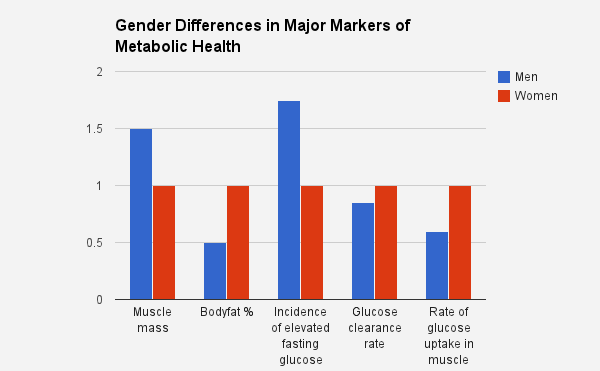
An athlete’s response to prescribed workload, recovery protocols and progressive training is directly impacted by gender-based factors.
Hormone levels influence muscle growth, fatigue, and risk for injury, requiring training programs to become individualized rather than generic.
Women who participate in endurance based sports normally have exceptional fatigue resistance compared to males.
Women involved in power sports benefit from strength programs that enhance joint stability while increasing force output.
Modifying Training and Recovery Models Based Upon Science
Sports science bodies partnering with World Athletics increasingly use research to modify gender-specific training and recovery protocols.
Menstrual health, energy availability, and recovery ability are now incorporated into programming to enhance consistency and lower long-term injury risk.
Environment and Altitude Effects on Power and Endurance
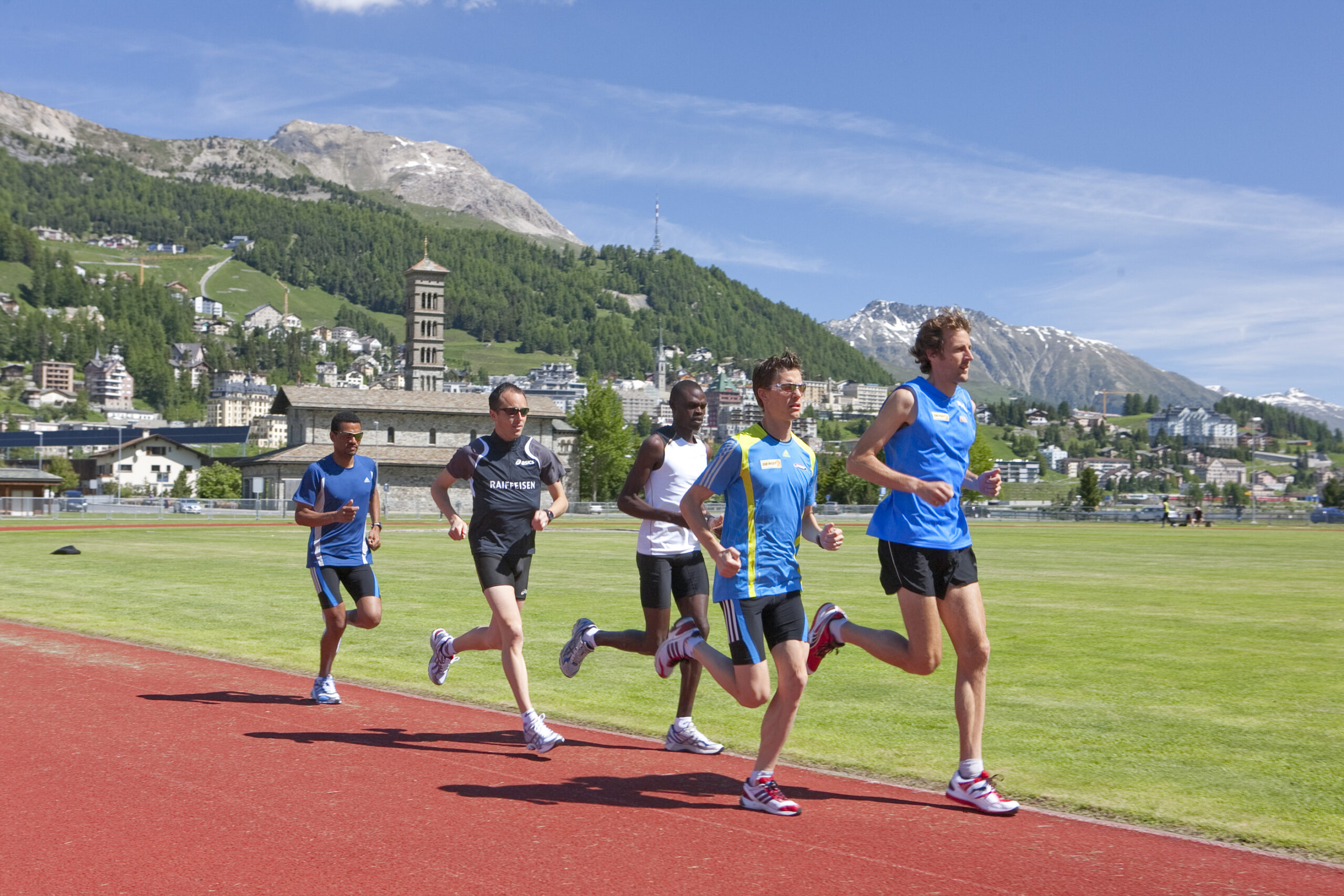
Facilities such as the United States Olympic and Paralympic Committee strategically use altitude camps to optimize adaptation without compromising speed and power development.
Holistic Support Systems in Hybrid Athletic Development
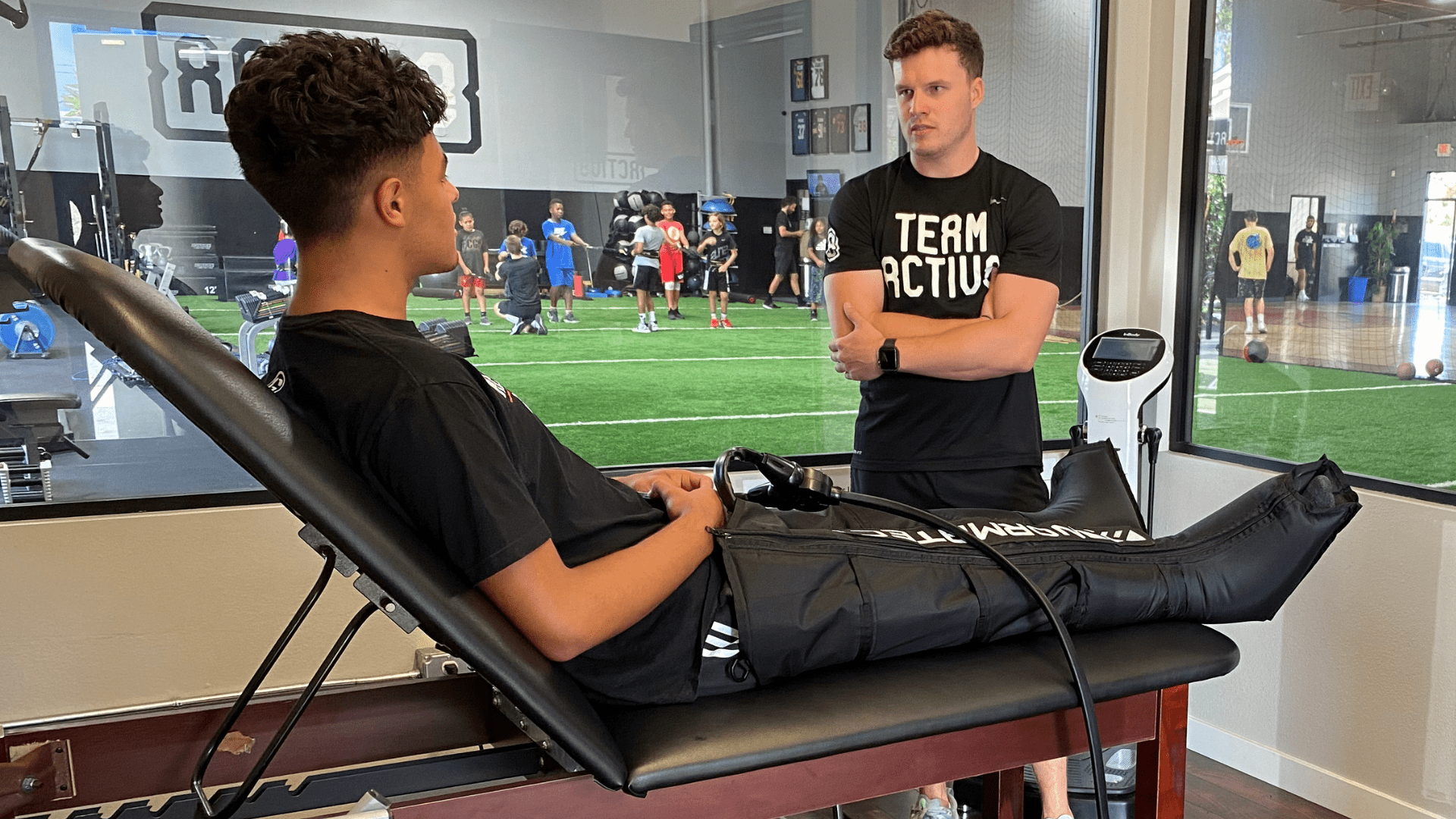
In modern high-performance athletics, athletes are surrounded by support teams including strength coaches, physical therapists, nutritionists, and mental skills coaches.
Integrated Support Systems (ISVs)
Companies such as Red Bull invest in Integrated Support Systems that combine training, recovery, mindset, and lifestyle management.
ISVs ensure alignment between staff to reduce injury risk and enhance adaptation.
Coach / Athlete Trust and Career Longevity
Chris Froome exemplifies long-term coach-athlete trust, showing how strong support systems contribute to extended professional careers.
Integrated Conditioning and Changing Athlete Profiles
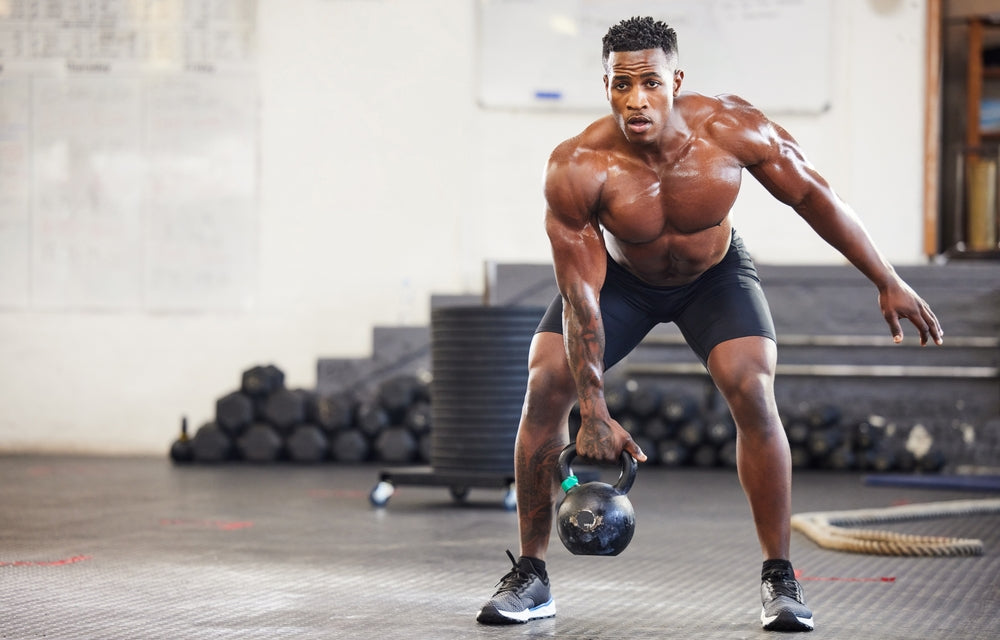
Hybrid athletes train using combined efforts and abilities that reflect evolving performance demands.
Repeated bursts of effort create crossover demands requiring both endurance and power development.
Integrated Systems of Conditioning
Integrated Conditioning Centers supported by brands like Nike ensure balanced development without sacrificing primary athletic attributes.
Carefully sequenced integrated models are essential for hybrid performance success.