
FIFA has announced that the FIFA World Cup 2026 will be the largest tournament to take place in the history of football, marking a new chapter in football history. For the first time ever, there will be an additional three countries – The United States, Canada, and Mexico – serving as tournament hosts, increasing the size of the tournament to 48 teams from the previous number of 32 teams.
Additionally, the increase in the number of teams will also increase the number of matches, the number of host cities, and the engagement of the global fan base, creating a buzz around the tournament within the international sports media outlets.
As a result of having 104 scheduled matches over nearly six full weeks, the design of the 2026 FIFA World Cup is to create the maximum opportunity for worldwide exposure and to remain competitive with respect to maintaining competitive balance.
Tournament Scale, Infrastructure, and Global Exposure

The location of North America was selected based upon its superior infrastructure, commercial strength, and capacity to manage large-scale, international sporting events, including stadium technology, transportation, and accommodation.
Many of the largest global brands, broadcasters, and sponsors have been developing their marketing campaigns around the tournament and many of the most recognizable organizations affiliated with FIFA, Adidas, Coca-Cola and Visa will play prominent roles throughout the tournament venues and fan zones.
FIFA evaluated host country applicants based on: stadium readiness; transportation systems; security planning; and potential for commercial success.
Host Nations and City Allocation Strategy
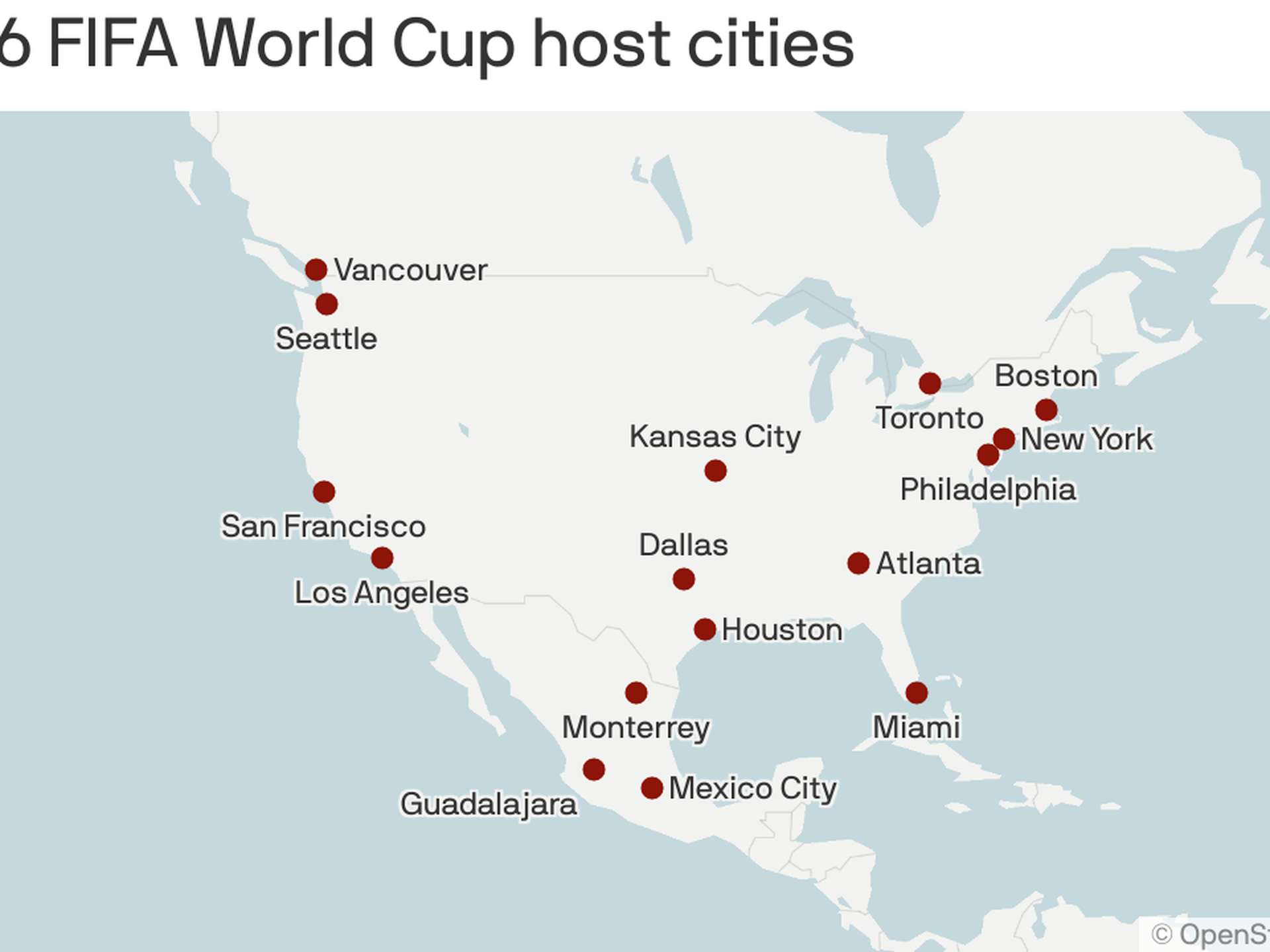
The size of the hosting cities’ capacity and the presence of cutting-edge broadcasting infrastructure were instrumental in supporting the decision to have the majority of the matches take place in the United States.
U.S. host cities also have a large number of domestic flights and hotel rooms available to help accommodate the thousands of fans that are expected to attend.
Canada and Mexico: Historic Hosting Milestones
Estadio Azteca provides historic relevance and has modern milestones. Estadio BBVA and Estadio Akron have modern facilities and are well supported by passionate local fans.
This array of venues will provide a level playing field, an electric atmosphere and consistent match quality throughout the tournament.
United States as the Tournament Hub
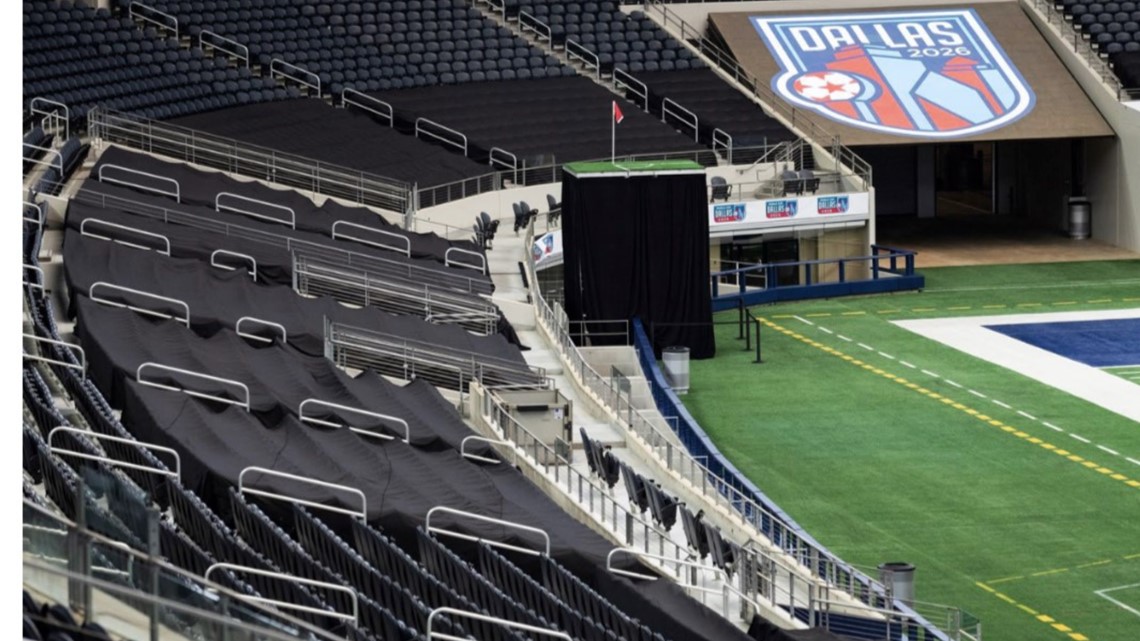
The U.S. has many venues that historically hosted NFL games, with these facilities now also being converted to accommodate the international game of football.
Venue managers have worked closely with FIFA engineers to meet FIFA standards for turf quality, lighting and television broadcast production capability.
Broadcast, Sponsorship, and Commercial Impact
Broadcasters and sponsors such as Adidas, Coca-Cola and Visa see great commercial value in broadcasting matches from the U.S.
Ad revenue records are expected to be set due to the North American prime time TV viewing schedule.
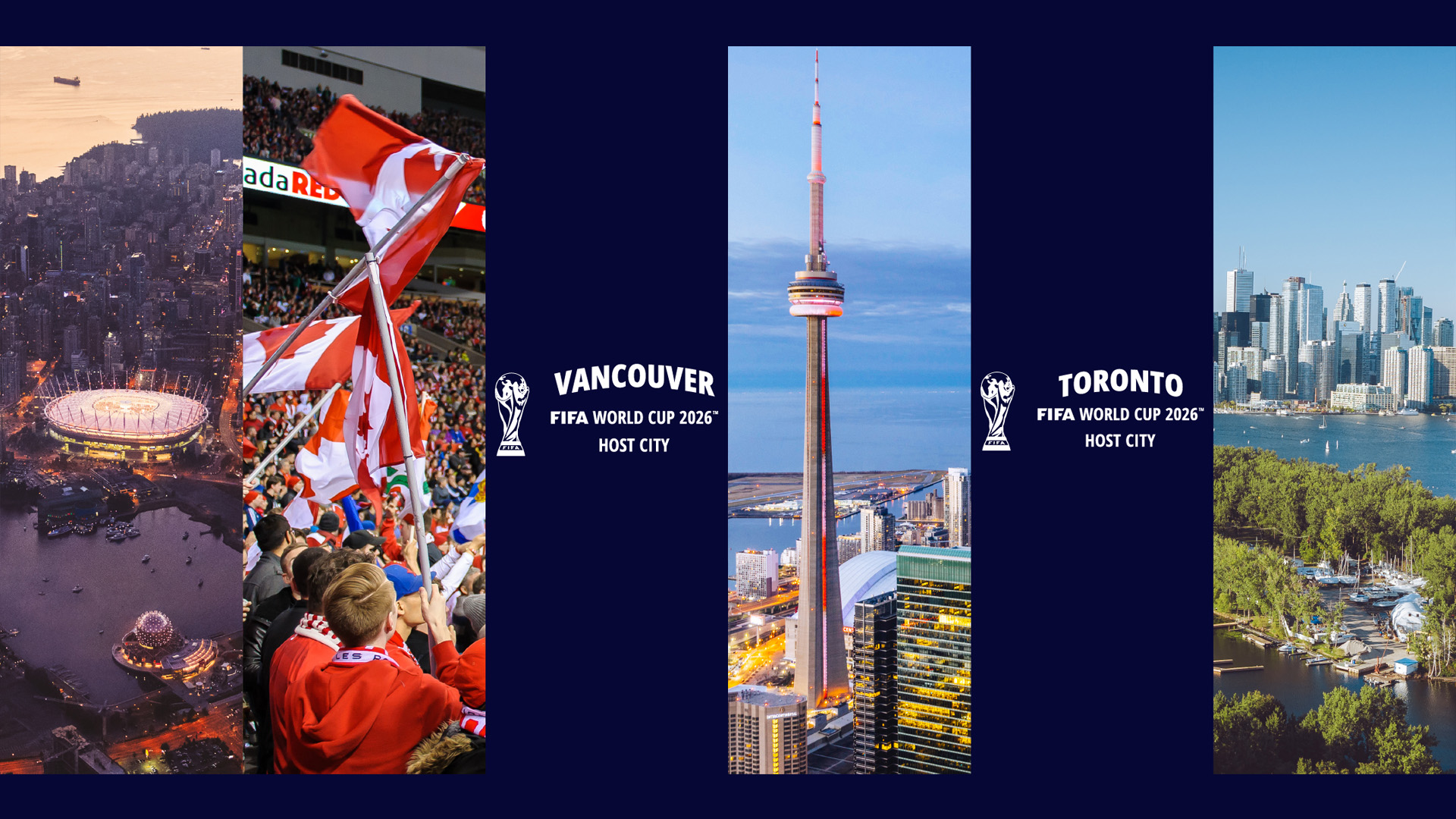
Toronto and Canadian Football Culture
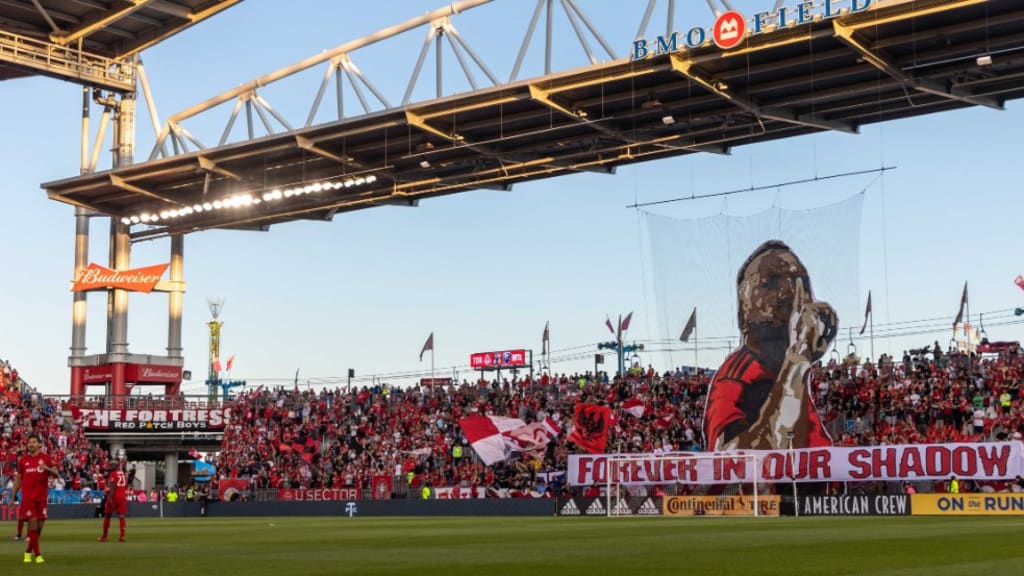
Toronto’s rich soccer culture is a combination of the city being home to an MLS team (Toronto FC) and its connection with the Canadian Soccer Association.
These conveniences make travel for fans arriving in Canada from Europe, Asia and South America simple and straightforward during the peak weeks of the tournament.
Commercial Requirements and Host City Contributions
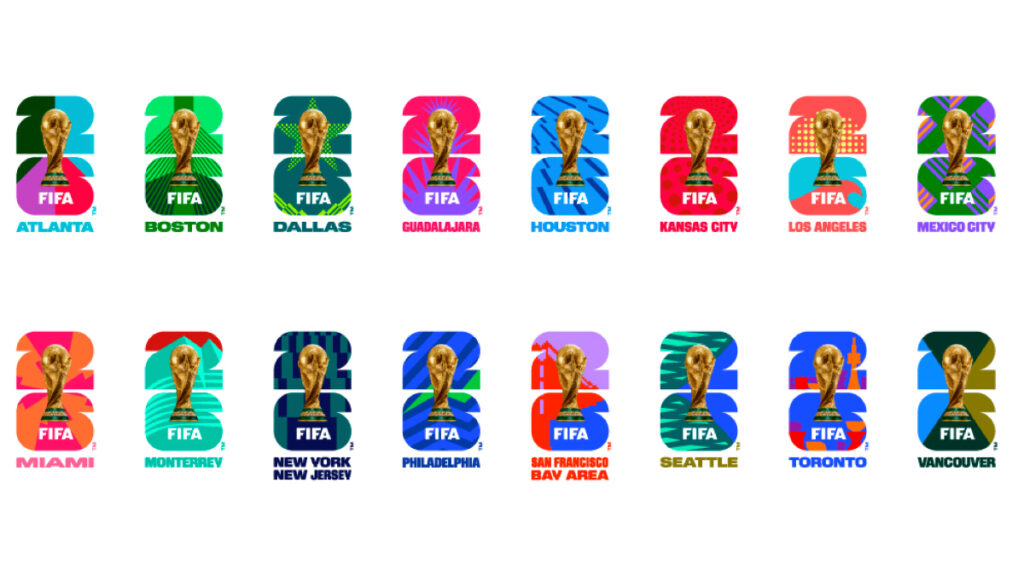
and commercial requirements.
As the FIFA World Cup hosts, Mexican cities are anticipated to create fantastic atmospheres through substantial financial contributions from their sponsors, including local sponsors and regional broadcast partners, in addition to recognized international brands like Coca-Cola.
FIFA collaborates closely with local authorities to ensure they address issues of safety and security; efficiency in transportation on match days, including proper crowd management.
Locations of Knockout Phases with High Profile Matches
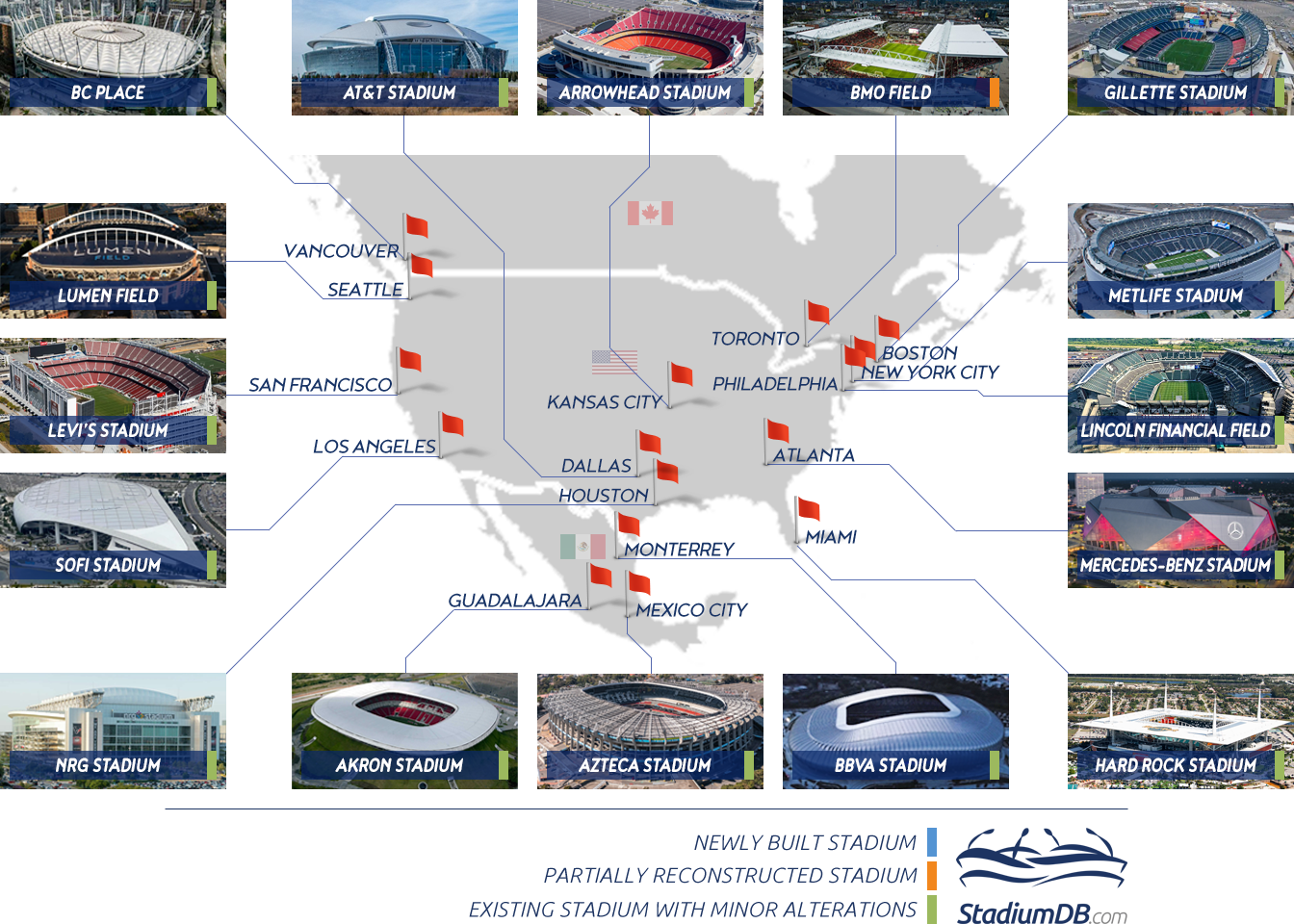
FIFA’s centralised hosting of matches gives the opportunity for FIFA and its broadcast partners, such as Fox Sports and Telemundo, to provide consistent production quality and optimise the start time of all matches.
The use of large-capacity stadiums to accommodate the large demand created by sponsors, corporate hospitality, and the presence of international supporters requires that future FIFA World Cup venues have the necessary state-of-the-art security systems, media facilities and premium seating necessary for FIFA to have the minimum operational standard for hosting World Cup matches.
Television Broadcasts, Commercial Sponsorships, and Economic Impact
Global companies (e.g., Adidas, Coca-Cola, Visa, and McDonald’s) will be using the World Cup venues and media digitally, to brand their companies and to create an association with the identity of the World Cup as being a global event.
The advertising space in North America is a lucrative market for commercial sponsors. Millions of people will have viewed a World Cup game on primetime television in the U.S. and Canada.
International Travel Demand and Airline Capacity Planning

From the USA, Canada, and Mexico, there will be substantial distances to fly, many borders to cross, and a great deal of demand for flight and hotel accommodations during the World Cup.
To prepare for this high-volume travel, major airlines (American Airlines, Delta, Air Canada, United Airlines) have indicated they will provide increased flight capacity to handle the anticipated growth in demand for air travel for the World Cup.
Fans who have booked flights shortly after the match locations have been announced will likely avoid demand pricing and booking challenges that occur to fans who wait until closer to the tournament to book flights.
Optimising Fan Travel Experiences
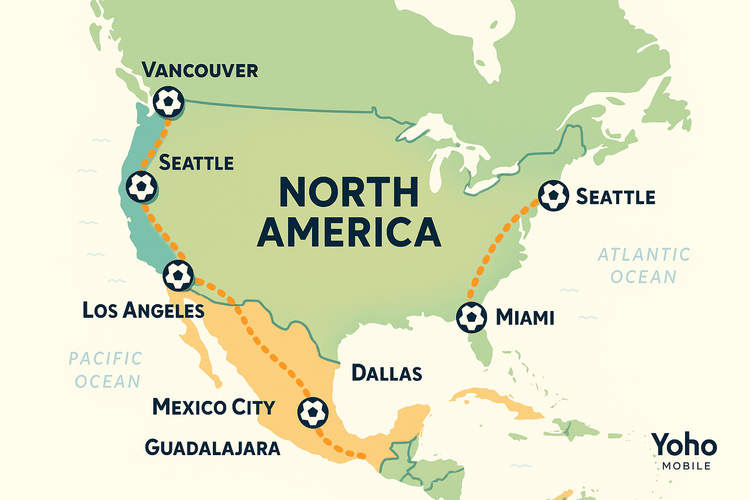
For fans to potentially maximise their Travel Experiences, they should select one regional base for theirist travels, plan how to schedule matches and how to move geographically between matches.
Fans are encouraged to travel via domestic air/office flight or high-speed rail to minimise their travel expenses and make their Fan Travel experience as smooth and efficient as possible.
Operations, Security and Matchday Management
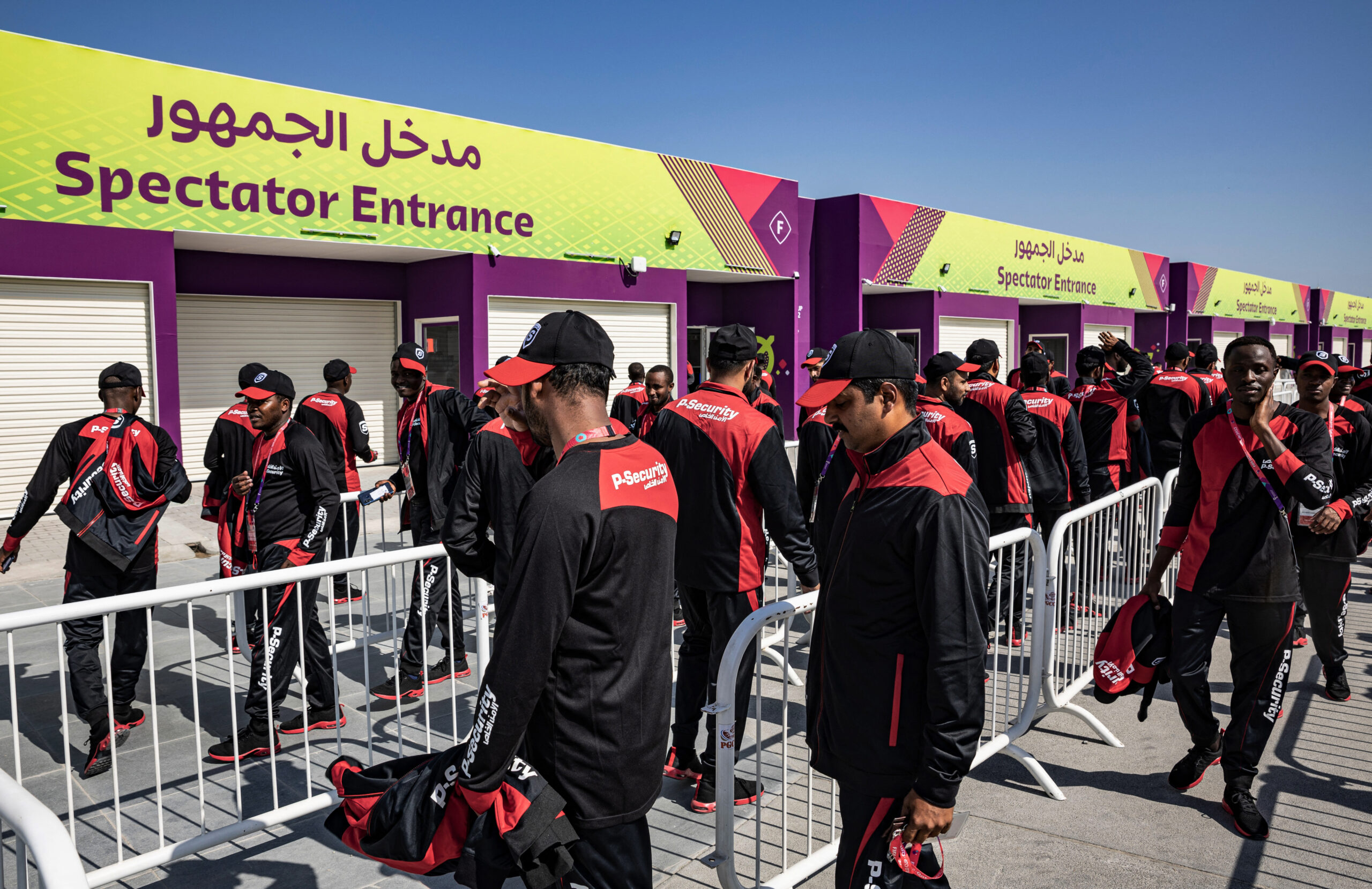
The collaboration of, and support for, federal law enforcement and officials, state law enforcement and officials and local law enforcement provides a secure environment from the very first whistle until the last.
Technology-Driven Safety and Stadium Access Protocols

With the assistance of sophisticated technology tools, such as surveillance cameras, global positioning systems (GPS) and crowd acknowledgement systems, safety and security will be maximised.
In the United States, for example, coordination efforts use federal agencies, state, city police agencies and local traffic control agencies to develop a uniformed response strategy that is executed at each national venue.
Regions in Canada and Mexico follow similar collaborative approaches; however, due to local laws and practices on a regional level, the processes will differ.
In addition, the procedures and protocols used to access stadiums will follow FIFA’s worldwide event protocols, which include: Ticket verification, Bag policies, and Access Control Procedures (Entry Control for Fans).
In addition, sponsors and hospitality partners also utilise secure zones for guests, athletes and officials.
Each host city invests heavily in its public transit system, traffic control for all public areas, and pedestrian access to accommodate and control the masses that will come to each host city for matchday experiences.
Base Camps and Training Facilities
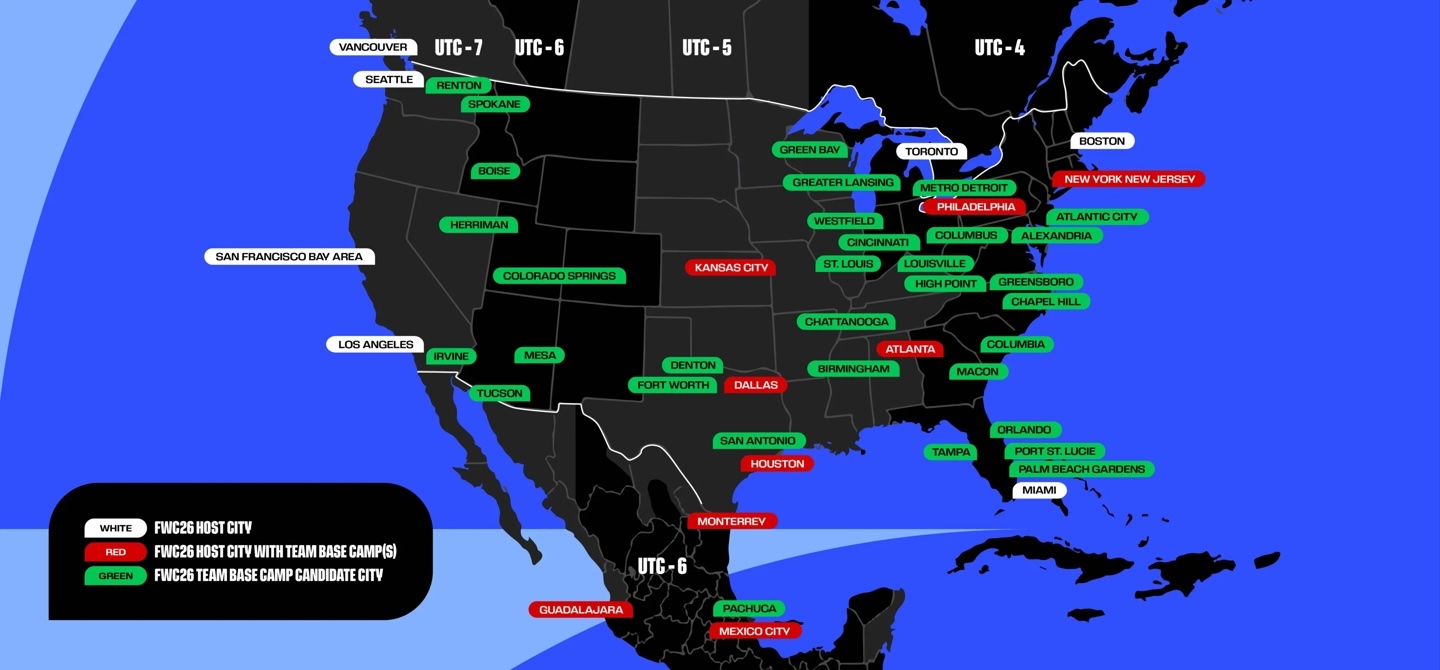
Base camps are an essential part of the preparation and execution of the FIFA World Cup 2026 for national teams by providing a stable environment for the teams to perform in, prepare themselves physically and mentally for each match, and fulfil their media responsibilities.
FIFA allows national teams to select from a variety of locations to set up their base camp(s) across the U.S., Canada and/or Mexico subject to venue approval and logistics compliance.
The majority of national federations have indicated that when selecting base camp locations the United States provides the best opportunity because of the factors of climate, variety of training opportunities, and ability to travel.
The high-performance facilities associated with the major league soccer teams, universities and athletic complexes should be the main place where they train while playing their group and knockout matches.
Brands such as Nike and Adidas are responsible for all logistics and equipment-related needs of their teams at base camps, including recovery equipment and facilities.
Teams are provided with a hotel chain, such as Marriott or Hilton, to provide them with accommodations and food services as needed.
Coaches and managers of some of the highest-ranked teams in the tournament place a premium on privacy and consistency, and many of the coaches are influenced by the coaching styles and philosophies of Pep Guardiola and Didier Deschamps, and therefore stress the importance of having an organized training environment that minimizes travel fatigue and impairs the ability to concentrate during competition.
For fans, base camp locations can also become a second type of venue.
Public training events, media days, and community events generally take place within close proximity to where their teams are training; thus, allowing fans to have more opportunities to connect with their teams on non-match days.
Economic Effects and Growth of Tourism
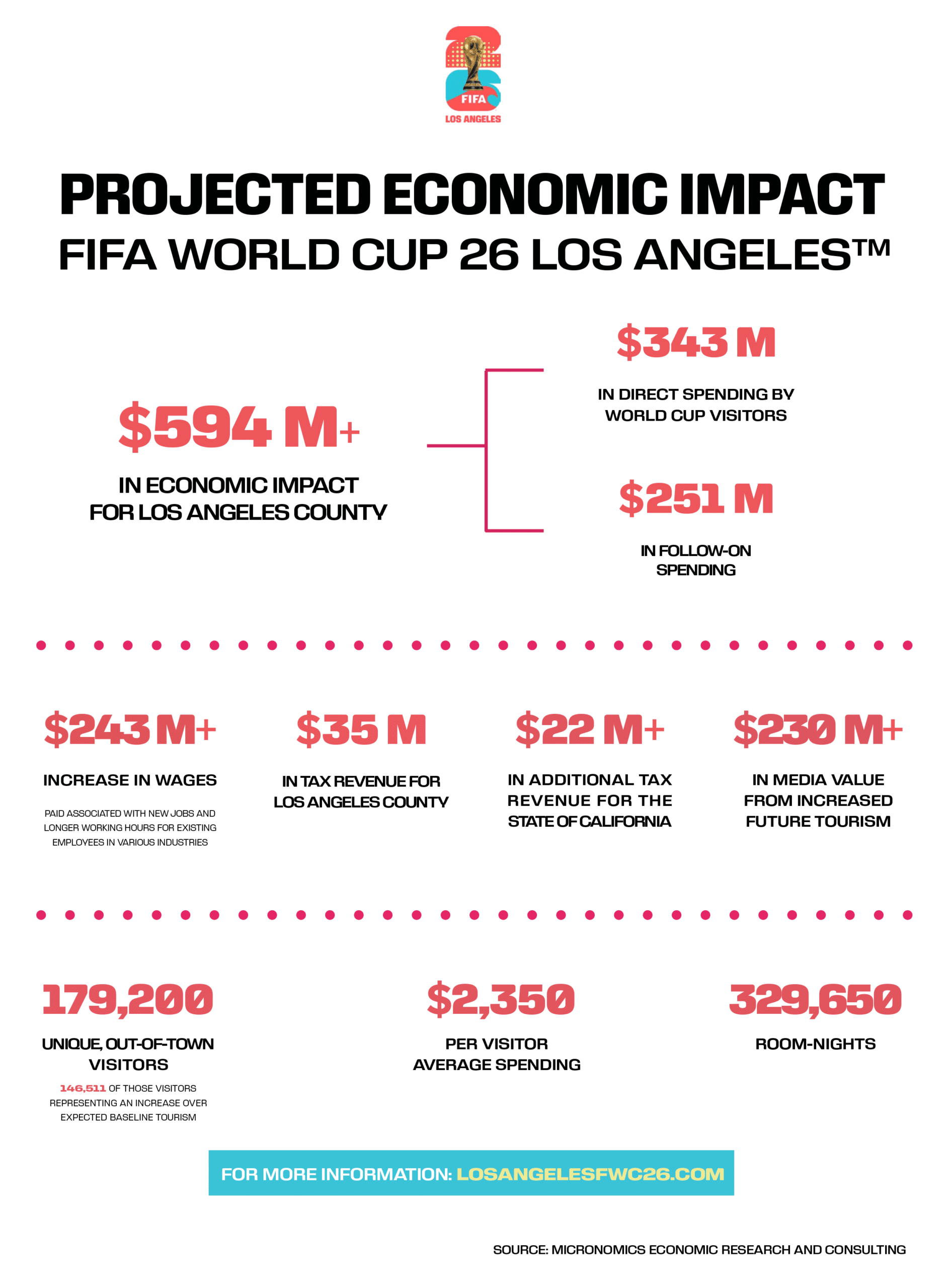
The 2026 FIFA World Cup is expected to have substantial economic effects for the host countries due to the influx of tourists, the construction and expansion of infrastructure, and inordinate global exposure to these markets.
FIFA estimates that the overall economic activity for this year’s tournament will be in the billions due to match ticket sales, hospitality, transportation and sponsorship revenues.
Tourism organizations in the United States, Canada and Mexico have begun working together in collaboration with FIFA to assist them in the promotion of a long-term destination brand through international exposure via the broadcasters such as Fox Sports and BBC while positioning these cities for future sporting and business events.
Infrastructure improvements from this tournament will continue to benefit these cities for many years after the event.
Local Governments view these investment projects as Drivers for Urban Development and International Competitiveness.
On a Global Level, the FIFA World Cup strengthens the commercial ecosystem of football through Revenue Generation that supports FIFA Development Programs, as well as Youth Football Activities and Future Football Competitions, thereby supporting the ongoing development of World Football for years to Come.
Ticket Sales and Hospitality

The sale of tickets for The FIFA World Cup 2026 is centrally controlled by FIFA, and will utilize a phase-in sales system as a way to control demand and limit fraudulent activity.
FANS will pre-register their interest for each match, with balloting and First Come First Serve to determine who will have access to High Demand Matches.
As part of this Tournament Strategy, Hospitality Packages are a Major Revenue Stream for the Tournament and a Fan Experience.
Stadium-Authorized FIFA Hospitality Package Providers will offer Corporate Level Seating, VIP Lounge Access, Catering and Entertainment to Corporate and International Travelers who want the Comfort of Guaranteed Entry.
Global Partners such as Visa (Official Partner of FIFA) provide Secure Payment Processing for Hospitality Package Purchases, as well as Priority Access to Hospitality Packages for Visiting Foreigners.
Hospitality Partners often partner with hotel chains like Marriott and Hilton to provide Hotel Accommodation and Match Ticket Bundles.
Pricing for Hospitality Packages will vary significantly depending on Match Stage, Venue and Package Contents.
Doing so will guarantee Valid Entry, Customer Support and Compliance with Stadium Access/Security Regulations.
Upcoming Changes to Football with the 2026 FIFA World Cup
FIFA believes by expanding the number of teams globally to allow for more nations to reach and play on football’s biggest platform.
Hosting by North America is going to help promote and create the development of football all over the continent.
Building new stadiums, developing youth soccer programs and creating new professional leagues are all ways that it will help contribute to the development of infrastructure and assist in the long-term growth of organizations such as U.S. Soccer, Soccer Canada, and the Mexican Football Federation.
FIFA has also learned from this opportunity that many international broadcasting networks and sponsors benefit from being seen in different regions of the world, in addition to providing players with a chance to play in front of a larger audience.
Members of FIFA’s senior management and National Federations view the 2026 World Cup as a guide for future multi-nation events.
In summary, the World Cup serves as proof that football is truly a global sport; bringing together the countries of USA Canada Mexico is an important step to increasing the future growth of the global football community and Commercially.
VAR Operations and Officiating Integrity
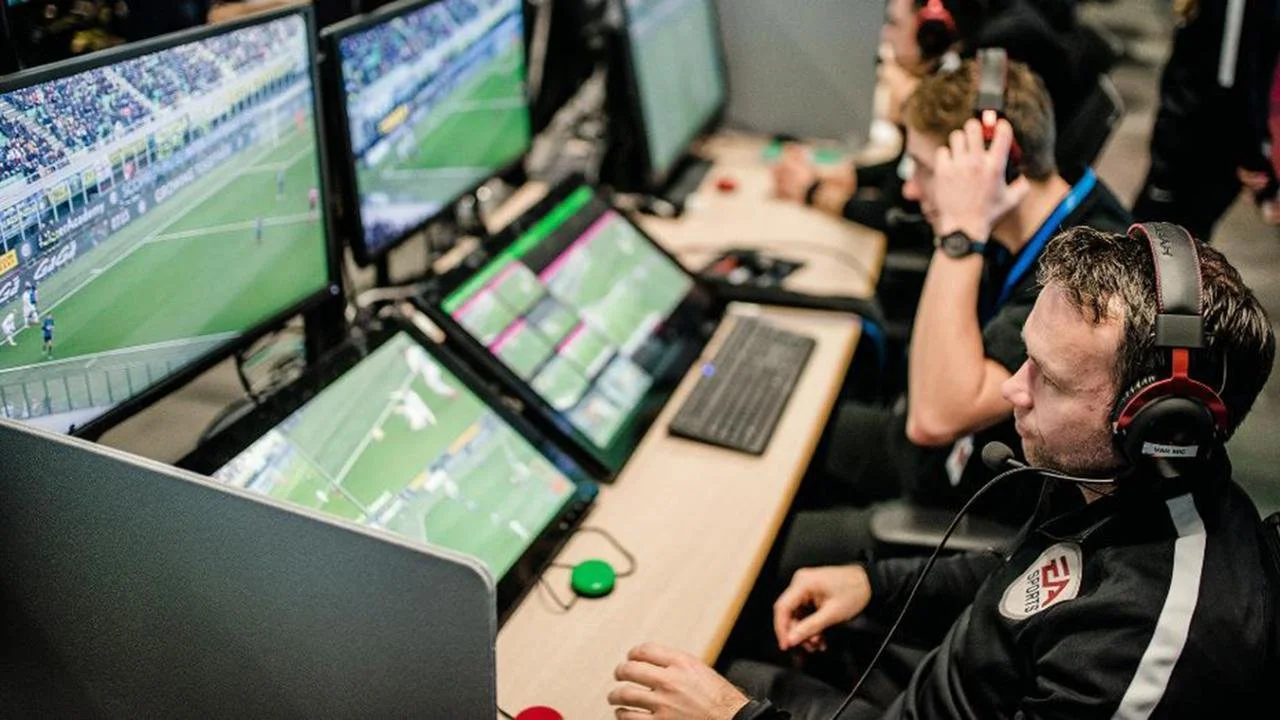
Centralized management of VAR operations is performed by trained officials under the overseership of FIFA and IFAB.
The preparation of match officials entails comprehensive preparations that encompass simulation training and rehearsal of tournament play, as well as ensuring the consistency of the interpretation of the laws governing association football throughout all of the venues at the FIFA World Cup.
Enhancements to the quality of camera systems and integration of live data into broadcasts are one of the advantages to broadcast partners, such as Fox Sports and the BBC, of VAR technology.
The selection process is based on past referee performance, fitness testing and international match management experience.
In improving trust among fans in the officiating outcomes, FIFA believes that the introduction of the more advanced VAR systems benefits referees and serves as an important part of preserving the integrity of the biggest tournament in the world.