
The FIFA World Cup 2026 is on track to set new expectations and highs for worldwide sporting events as we enter into months ahead of this sports milestone, which has been announced with a dramatically increased international interest in tickets as evidenced by the record level of demand reported earlier in the week.
Over the decades, thousands of concerts have been played, but as more and more cultures join to play in the tournament, the unique global challenge of the FIFA World Cup combined with increased opportunities for people to engage with the sport will allow more people to participate than any other World Cup.
With 200 plus nations already registered by individuals who want to watch matches, this shows the power of worldwide connectivity through the internet and the impact of the internet’s role in helping to create a sporting culture around the world and forge connections between fans and the sport.
Digital Connectivity and Media Engagement Driving Ticket Demand
The growth in ticket demand for the FIFA World Cup 2026 presents an opportunity for the sports media outlets to connect to their millions of fans globally through news services, marketing/promotional opportunities and digital media outlets for engagement, including services from ESPN and BBC.
The rise of online engagement has created excitement among fans and many fans have used various social media outlets to express their excitement and comments about attending the FIFA World Cup 2026.
This increased interest in tickets and the amount of online searches for FIFA World Cup 2026 is a factor of the increased online engagement that has occurred over the last year.
Fan Engagement Opportunities and Cultural Connections
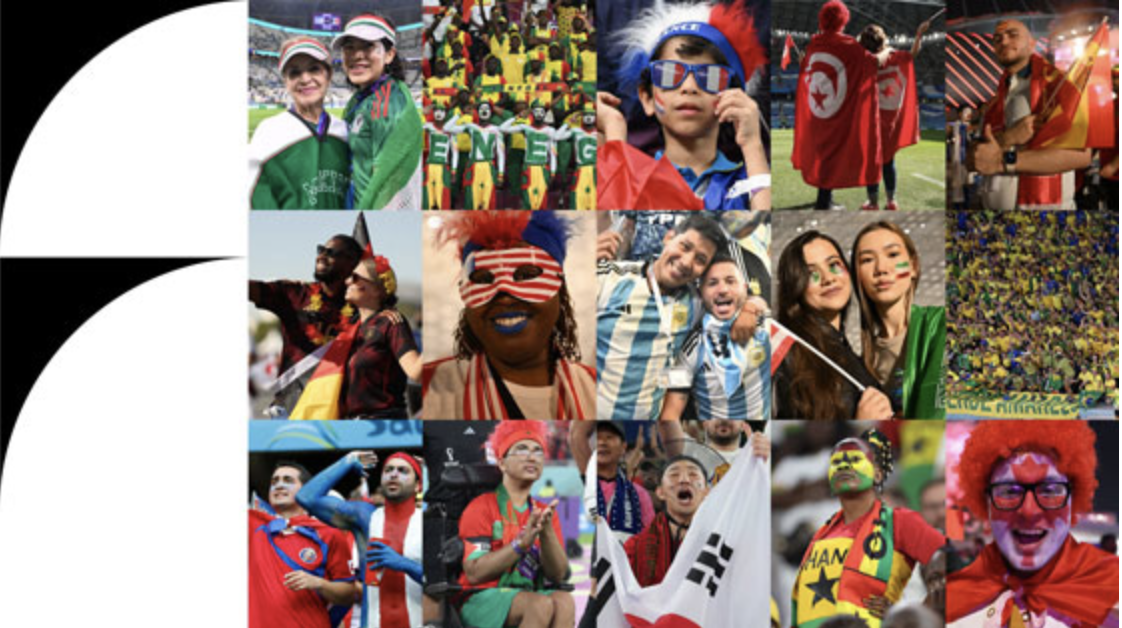
Through the continued availability of engagement opportunities by the sports media outlets and the development of digital media channels leading up to FIFA World Cup 2026, the FIFA World Cup 2026 will provide the greatest number of opportunities for fans to engage in all aspects of the event and all participating teams.
The large number of requests for ticketing to the FIFA World Cup 2026 places this worldwide sporting event within the ranks of other major events which create opportunities for cultural connections between fans, cities and brands globally.
Record-Breaking Ticket Applications and Economic Impact
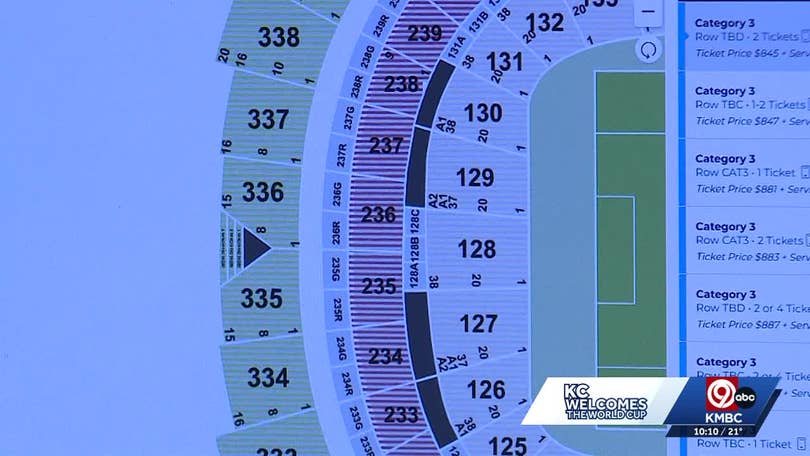
According to official statistics from FIFA, there were 15 million applications for tickets to attend the FIFA World Cup 2026, which is an all-time high for football ticket requests and represents an enormous growth of the influence of football in global sports and a continuing projected growth in the future of football’s impact on global sports.
Deloitte’s analysis of the FIFA World Cup 2026 and its locations in North America has provided opportunities for millions of new participants to attend the tournament and participate.
As well, the United States will continue to benefit from advanced infrastructure, increased stadium capacities, and an abundance of local sports fans wanting to watch the World Cup live.
Early Travel Planning and Airline Demand
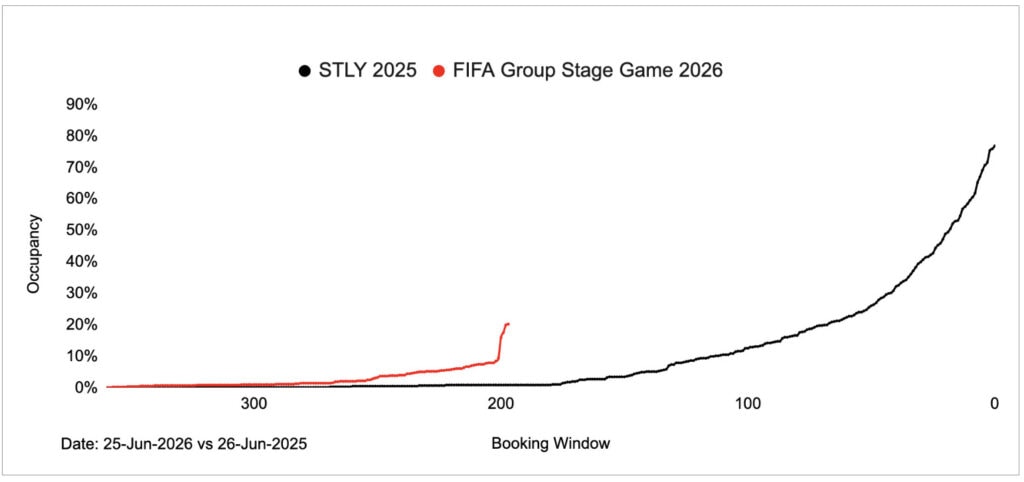
There has been an exponential increase in interest in obtaining tickets to attend the World Cup, largely because of the increased interest in both the Final and the Group Stage.
Ticket sales for such a high-demand sporting event typically don’t occur until shortly before the event; however, the level of anticipation generated by the FIFA World Cup 2026 has caused unprecedented amounts of fans to be willing to book their flights and accommodations long before the event start date.
Airlines have started to see increased demand from their respective host cities in the form of numerous requests for airfare from multiple airlines.
A Truly Global “Must-See” Football Event
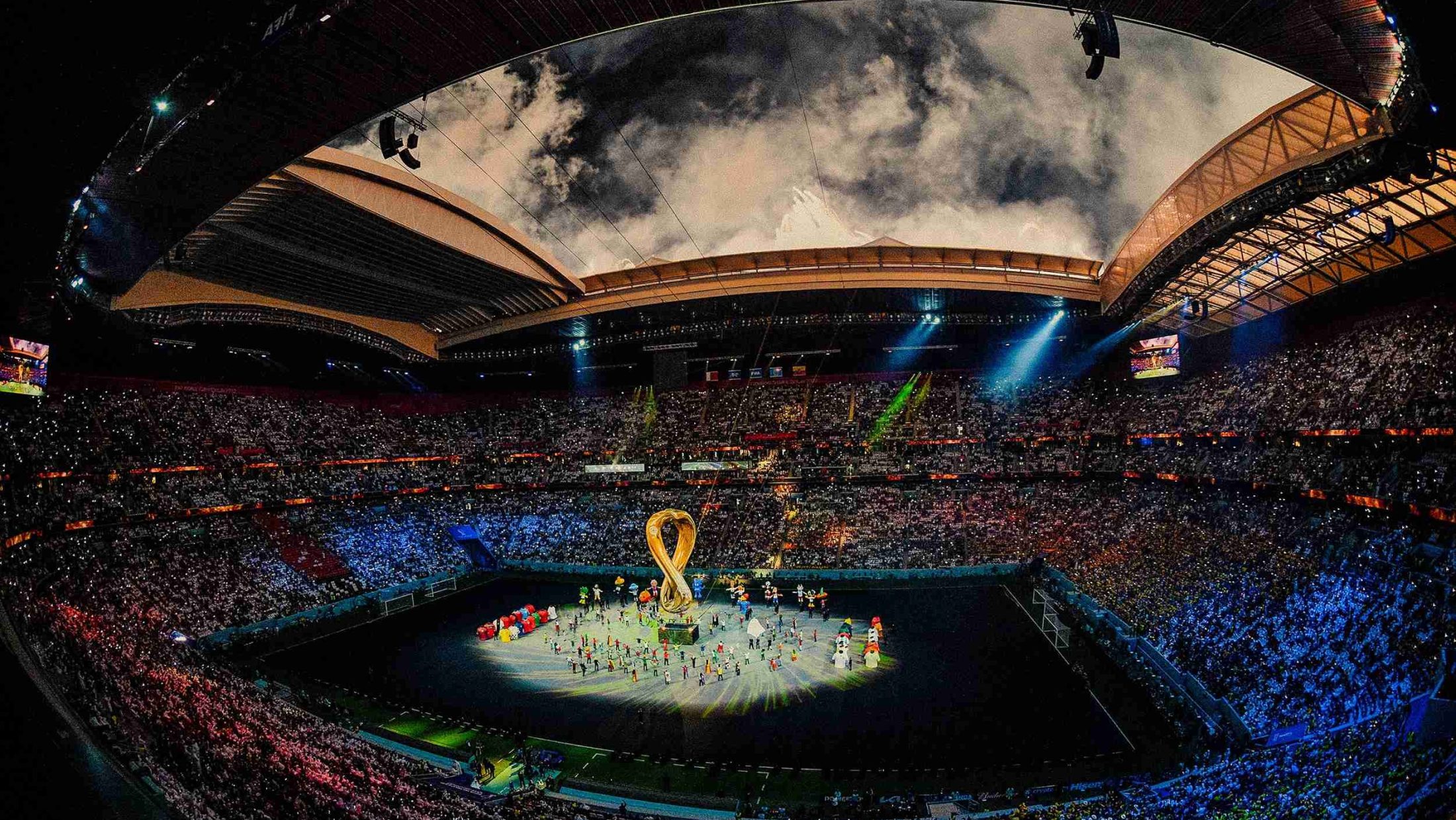
The overwhelming interest generated by the 2026 FIFA World Cup is unlike anything we’ve seen before, and it has broken down the traditional barriers for football on an international level, creating a “must-see” event for millions of people around the world.
FIFA’s Strategy for Ticket Demand Management
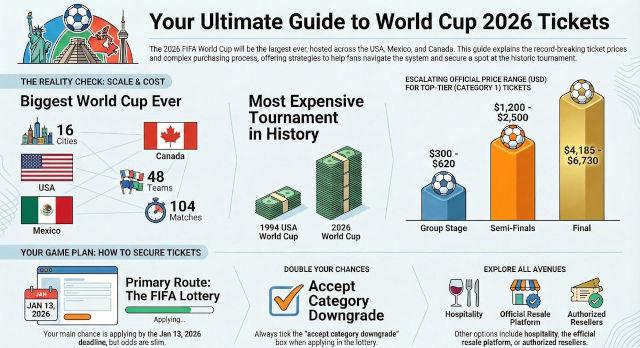
To manage the extraordinary ticket requests that will come from all over the world due to the worldwide growth in Football (soccer) and the increase in popularity of the event itself, FIFA has established a systematic and transparent distribution process.
FIFA has created a Random Selection Draw for all fans who wish to buy tickets and will utilize this process on a worldwide basis.
Similar to the way the International Olympic Committee manages ticketing for its Olympic Games, this method provides millions of FIFA World Cup fans across the world with equality of opportunity.
Secure Digital Ticketing and Payment Partnerships
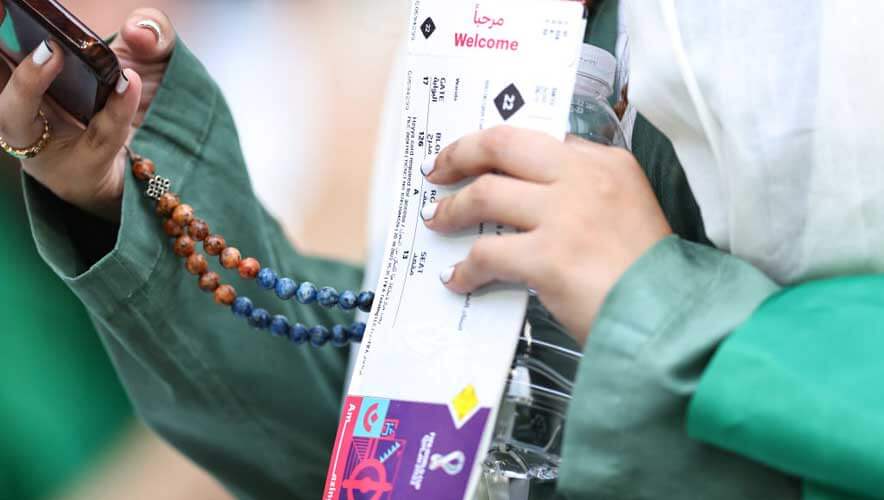
The digital ticketing system will also be enhanced by working with various business and digital payment partners.
This includes, but is not limited to, the official tournament sponsor, Visa, and other global payment companies that allow FIFA to handle the increasing amount of ticketing traffic and to protect consumers from fraud and the use of fake tickets.
Expanded Ticket Categories and Travel Packages
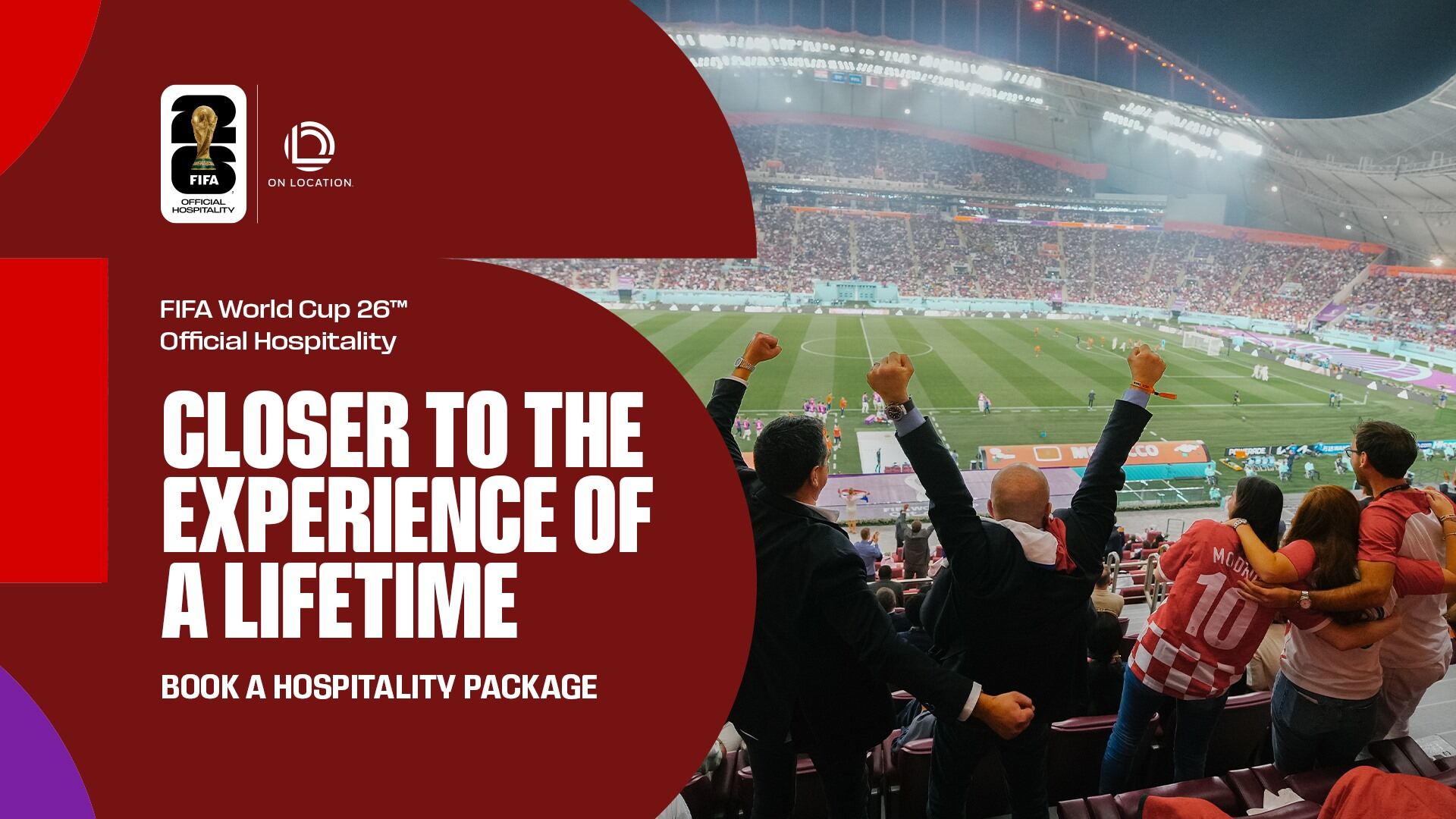
In keeping with FIFA’s mission to meet the needs of an ever-growing fan base with diverse interests, FIFA has introduced new ticket categories that include individual tickets for specific teams and special hospitality packages as well.
Social Media Impact and Worldwide Inclusion
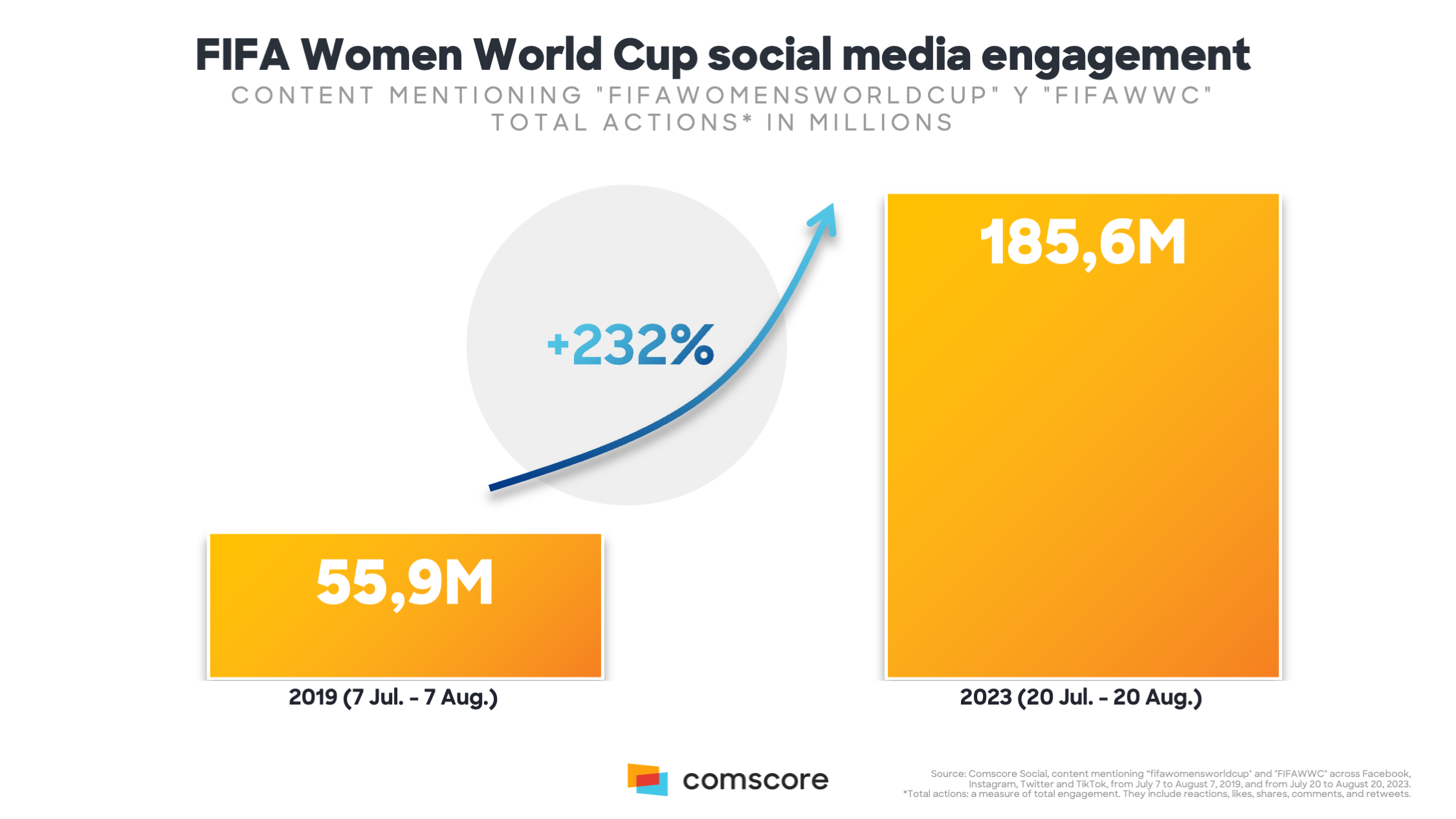
As a result of ticket announcement events associated with the World Cup Ticket Applications, Social Media channels like Meta and X (formerly Twitter) have had a surge in interaction.
The increase in applications worldwide is a direct result of the increase in online engagement.
As of this writing, through the applications received to date worldwide, FIFA World Cup 2026 will not be limited to one continent and has officially become a world-wide event and is likely to become the most inclusive FIFA World Cup to date.
Host Cities, Stadium Infrastructure, and Readiness
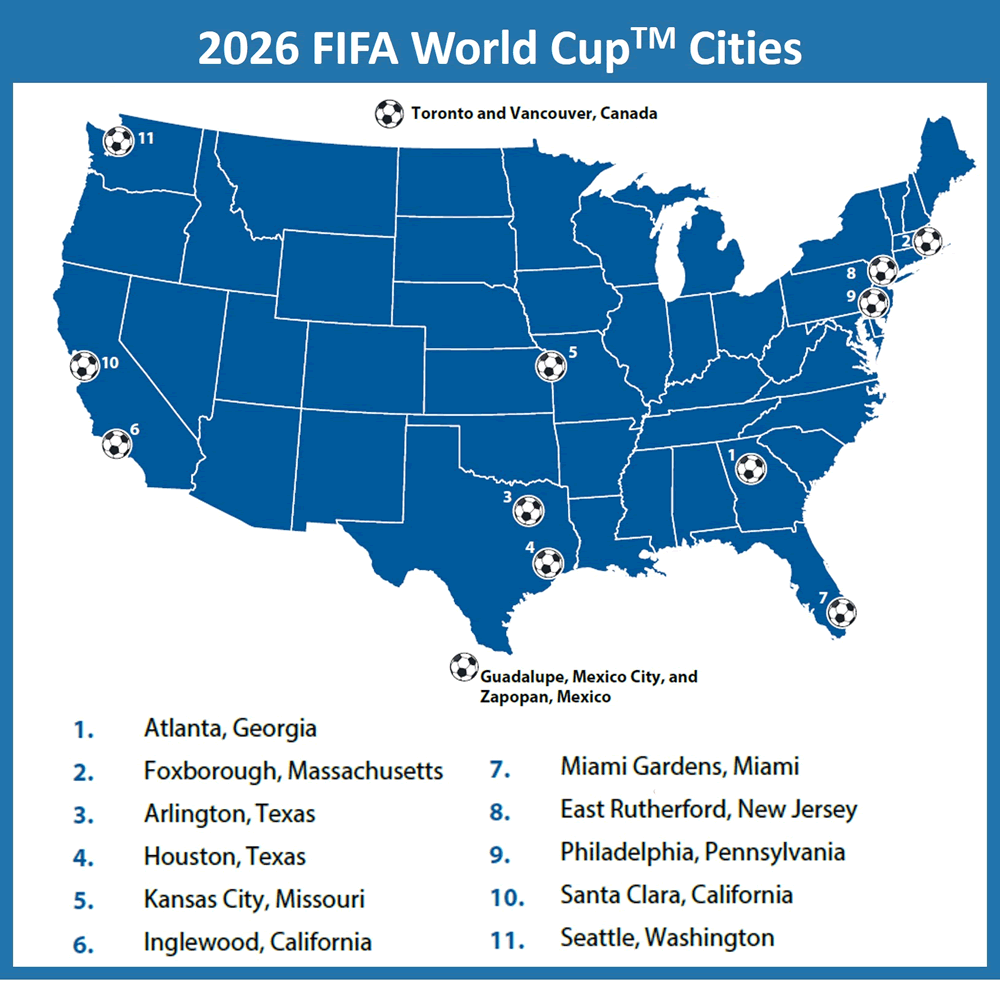
The incredible demand for FIFA World Cup 2026 tickets will force an accelerated planning process for Host Cities and Host Stadia.
The FIFA World Cup 2026 will take place across three iconic venues (MetLife Stadium, Sofi Stadium and Estadio Azteca) being the largest live event ever to be hosted at these locations.
With the anticipated increase in ticket demand, all three Stadia are either currently undergoing renovations or will be completed shortly.
Logistics, Hospitality, and Fan Experience Preparation

Local Organizing Committees (LOCs) in conjunction with Host Cities are working with leading Global Consulting Firms such as McKinsey & Company to ensure seamless fan transportation, security for players and coaches, and an Excellent Customer Experience at every level throughout the fan experience.
Major Hotel chains Marriott International and Hilton Worldwide are starting to announce plans for new hotels that will be located close to the Host Locations due to anticipated record numbers of foreign visitors at the World Cup.
The tremendous amount of readiness from Host Cities is one of the most important reasons for FIFA’s confidence in the early and consistent commitment from Fans around the world to purchase tickets.
Surge in Economic and Tourism Development

The millions of visitors expected to come from outside of North America for the FIFA World Cup will create an enormous amount of revenue for all of the airlines, hotels, restaurants and other vendors within the surrounding area.
American Airlines and Air Canada have both seen a huge increase in the number of tickets sold and the airlines’ bookings are increasing with match schedules.
This is indicative of how World Cup Fans are well-prepared to travel with their accommodation and transportation arrangements already in place.
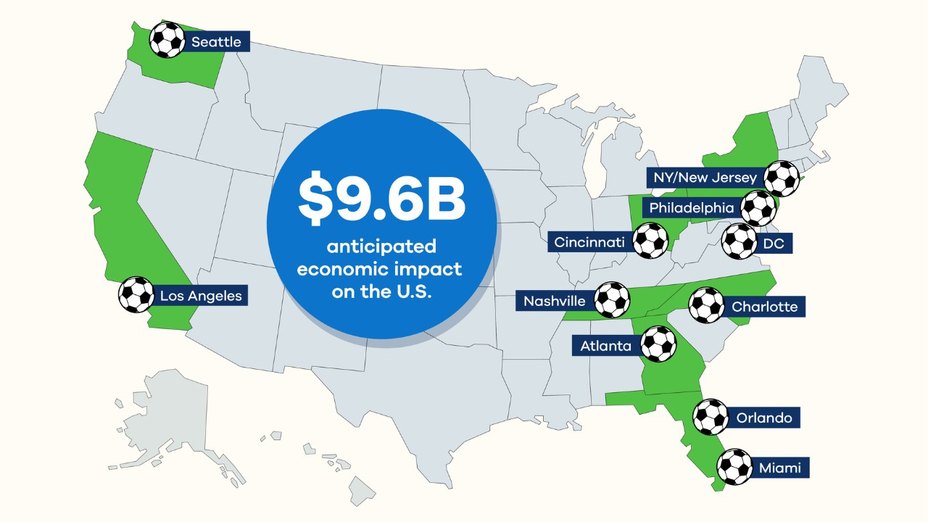
Based on the World Bank’s Economic Forecasting Project, the FIFA World Cup 2026 will contribute billions of dollars to the local economy of the communities that host World Cup matches.
Many Host Cities invest large amounts of money on infrastructure improvements to ensure that the long-term advantage to their local economy occurs well beyond the end of the FIFA World Cup 2026.
The FIFA World Cup 2026 is an exceptional event which is generating interest in ticket sales everywhere, making it not only a Global Sporting Event but also a Global Economic Event.
Increased Fan Interaction with All Global Sports Platforms
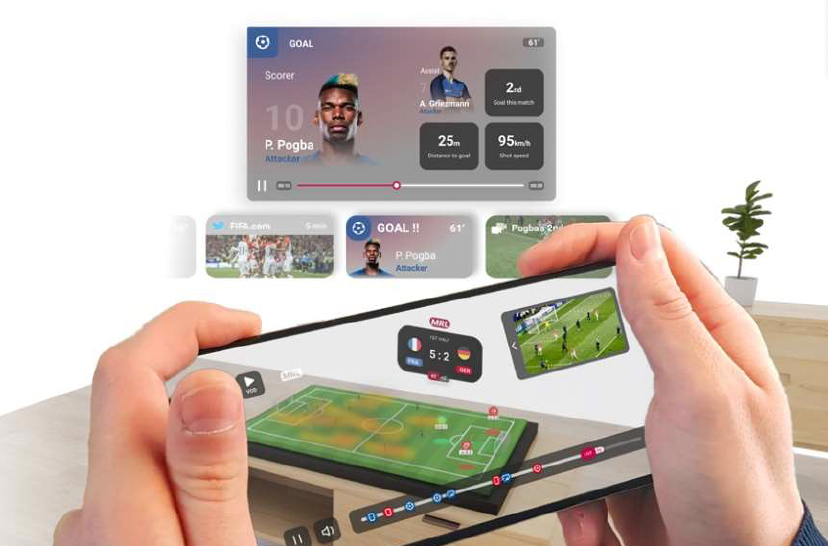
The amount of Fan Interaction related to FIFA World Cup 2026 is unprecedented on all Global Sports Platforms.
The rise of Digital Interactions from Fans (consumer-generated through Digital Media) has led to a substantial increase in World Cup Ticket Demand by millions of World Cup Fans each day.
This is accomplished through each individual Fan’s personal Live-Streaming Digital Network, Mobile Application or Accessing through Different Social Media Sites.
Digital Media has changed how Modern-Day Football Fans experience Football, and continues to create avenues for Fans to experience Football beyond Stadium Walls.
Major Global Sport Broadcasting Companies such as Fox Sports and Telemundo have reported elevated pre-event Broadcast Ratings, and Large Investments in Foreign Language Content Production to Serve More International Fan Bases due to the Anticipated Increased Awareness and Demand for Tickets Leading up to World Cup Events.
Digital-First Engagement and Younger Generational Fans
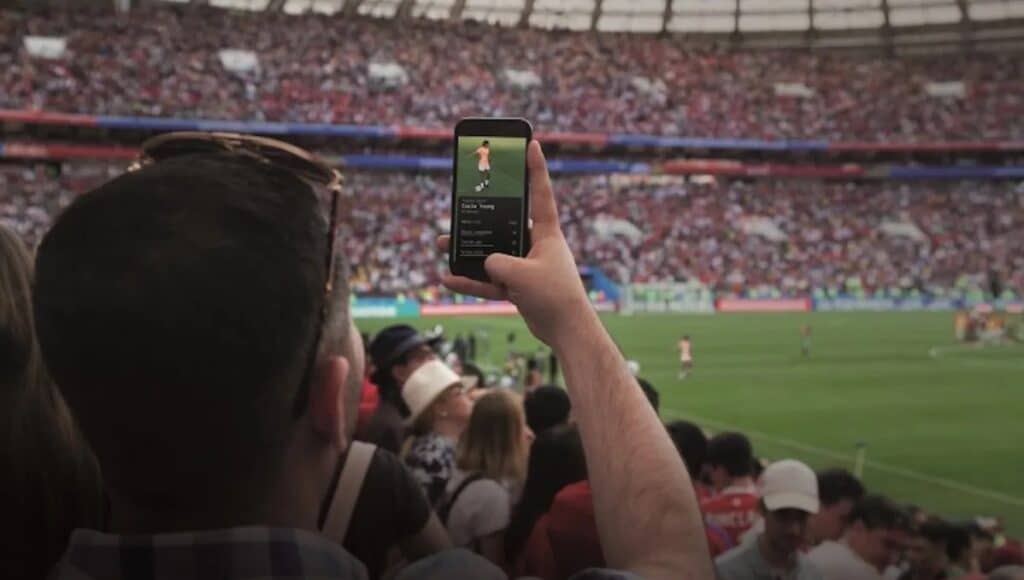
Streaming Services and Short Form Video Platforms created more Ticket Sale Momentum for World Cup Ticket Sales from Fans of All Generations than All Previous World Cup Events Combined due to the Publication of Match Previews, Behind-The-Scenes Fan Generated Content and Supportive Media from Today’s Younger Generational Fans.
Younger Generational Fans are primarily engaged with Digital-First.
In addition, the Global Sports Media Network created through FIFA World Cup 2026 continues to Deliver Future Engagement with World Cup through the Continuation of Non-Stop Virtual and Live Interactions with Fans from All Around the World.
Numerous groups, such as fan clubs and research institutions, agree that creating Cultural/Social Impact Beyond the Game.
Cultural and Social Impact Beyond the Game
In addition to football, a large focus of this event will be to promote social, cultural, and included diversity.
The City of the Future and the City of Today will collaborate with Local Government, Cultural Institutions, and UNESCO for “Inclusive” and “Diverse” Program Development during the FIFA World Cup 2026 as part of their ongoing efforts to provide a positive social impact long after the tournament concludes.
Fan Fests, Community Events, and Global Inclusion
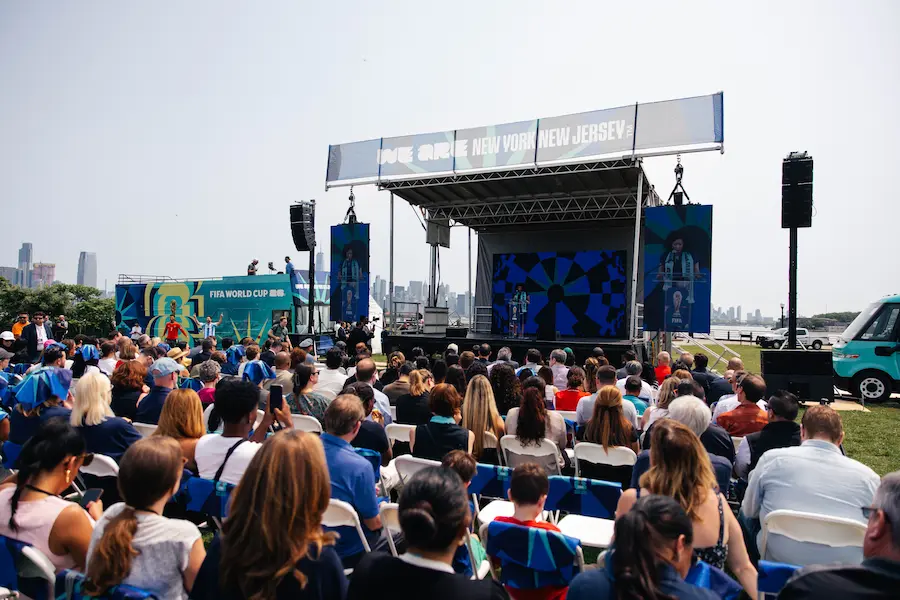
While the event will be held in stadiums, there will also be Fan Fests, Community Events, and Public Screenings of the games which should be able to accommodate fans; the anticipated attendance numbers are expected to rival those of the stadiums.
This will allow fans who did not have access to tickets or those unable to attend, to experience the excitement and atmosphere of the World Cup, while breaking down the barriers created by the exceptional demand for tickets.
This larger Social Element is the unique aspect of the FIFA World Cup 2026, creating an experience that goes beyond the sporting competition.
In addition to being a major sports event, it will also become a major Cultural Event that links people all over the world, regardless of their location, language, and the difference of their cultures.
FIFA World Cup 2026 Will Be An Experience At The Global Level For The First Time
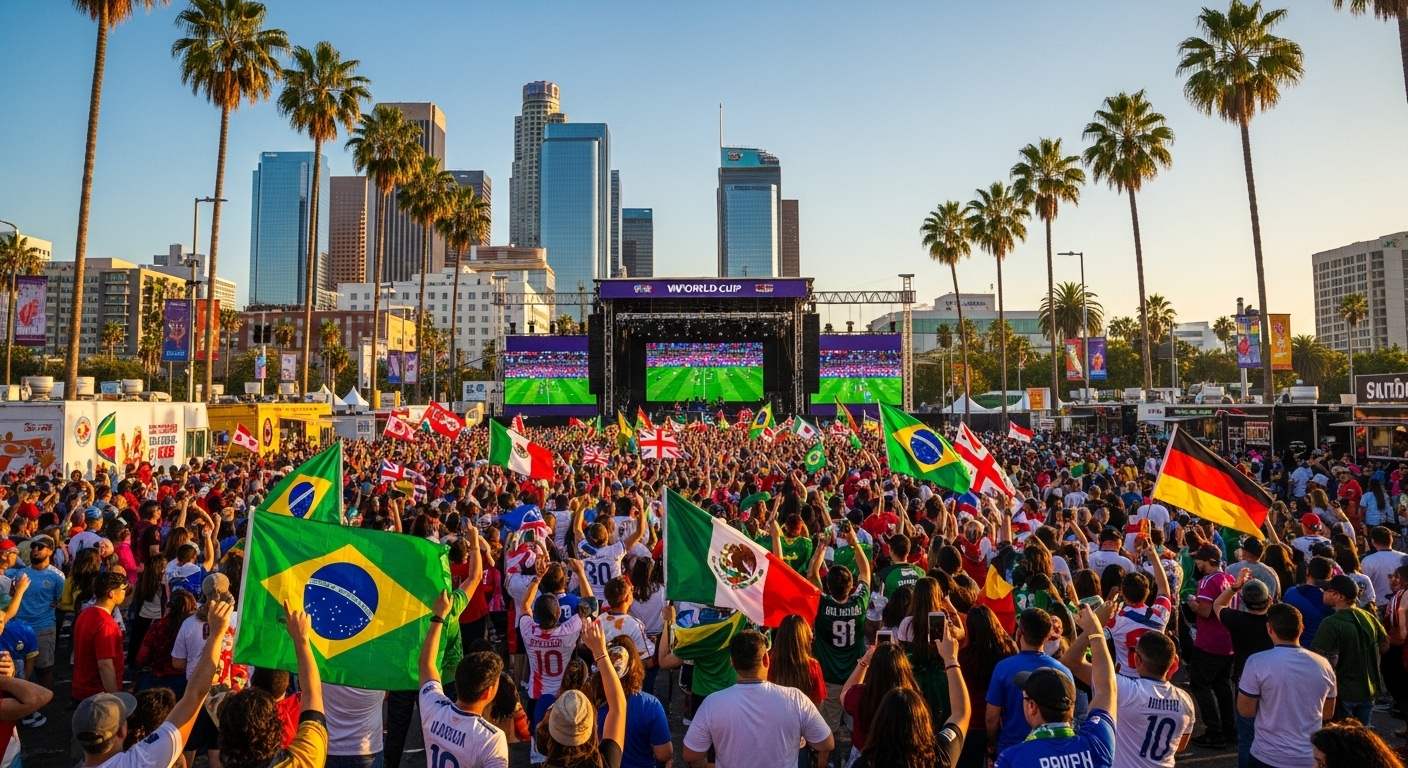
The tremendous enthusiasm for ticket sales for this World Cup represents a significant sign of the importance of this event as a once-in-a-lifetime opportunity to experience the World Cup as a worldwide event.
Today, we have created the environment and opportunity for unprecedented levels of cultural engagement and excitement through an international fan base with an even greater range of opportunity for cultural engagement in the future.
Global Fan bases have made worldwide commitments to purchase FIFA World Cup-themed merchandise, travel to the tournament, and absorb the entire Digital Experience well before the actual tournament, confirming the continued global growth and appeal of football.
Global Brands, Media, and the Future of World Sport
Global brands, media companies, and stakeholders have joined forces with FIFA and its International Stakeholders around the premise that the FIFA World Cup 2026 will create the foundation for a new way to host, market, and manage the future of global sport.
In summary, the FIFA World Cup 2026 is more than a sporting event; it is about Historical Intersections of Sport, Culture and Global Unity will take place as Fans across the Globe come together to participate in this event.