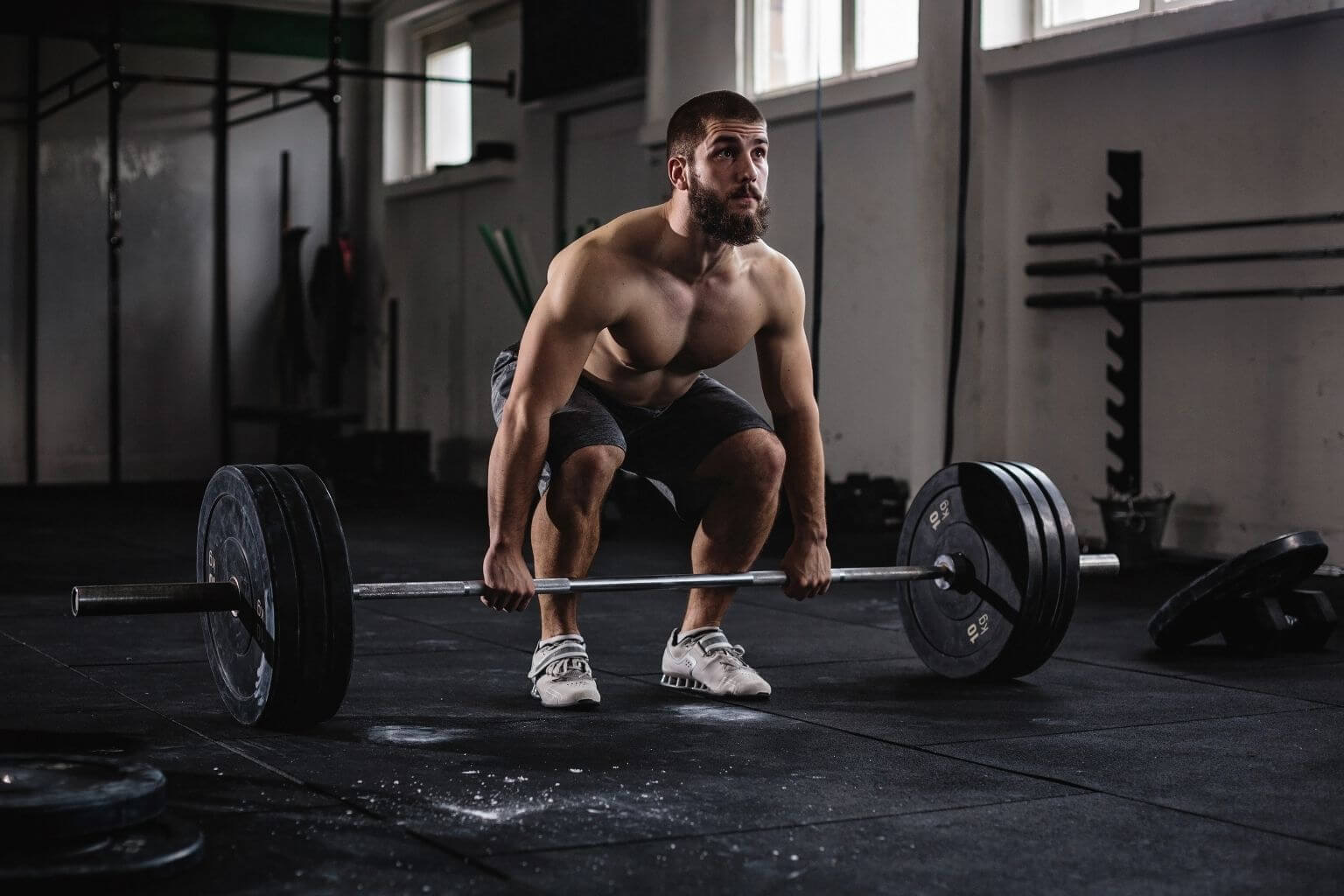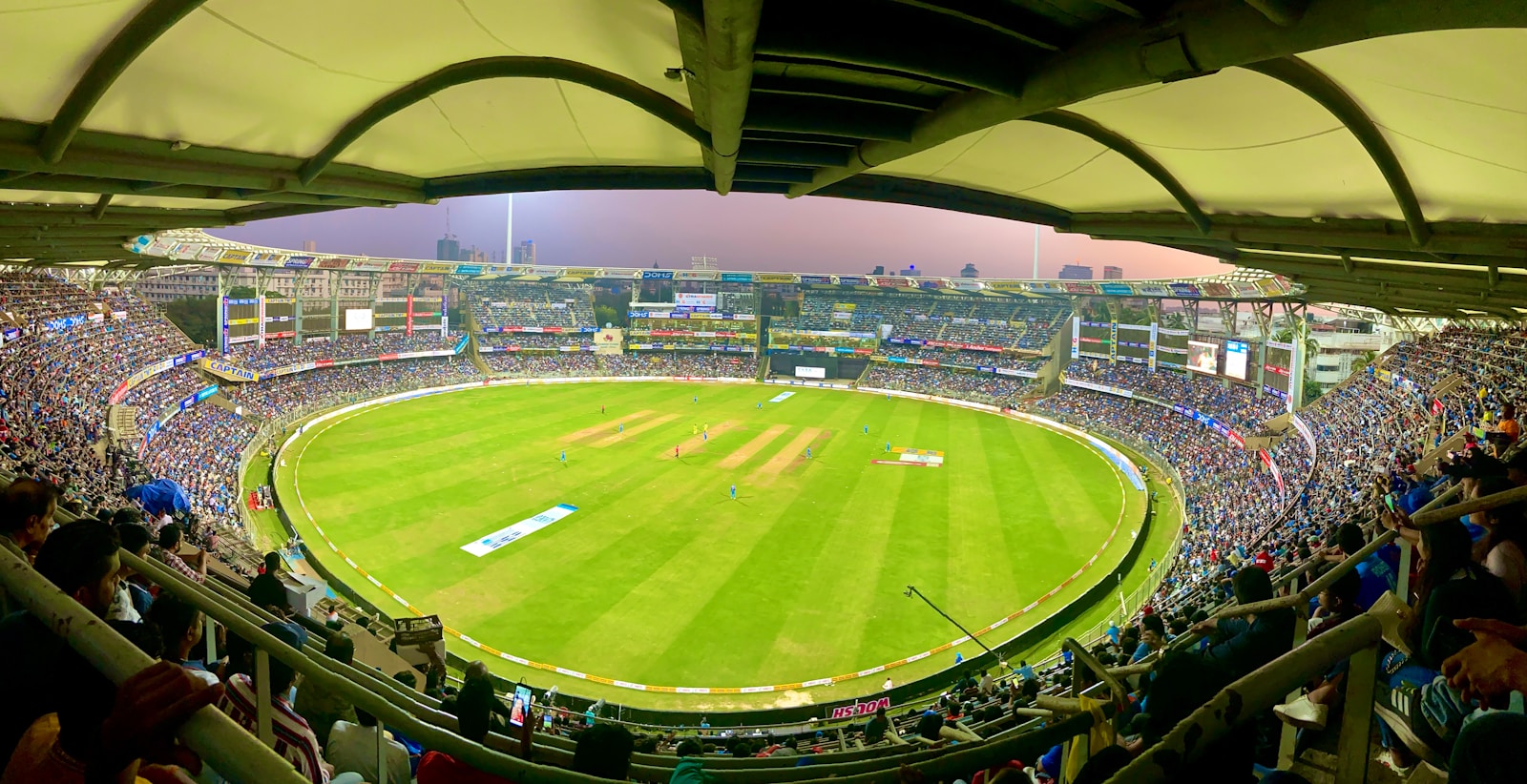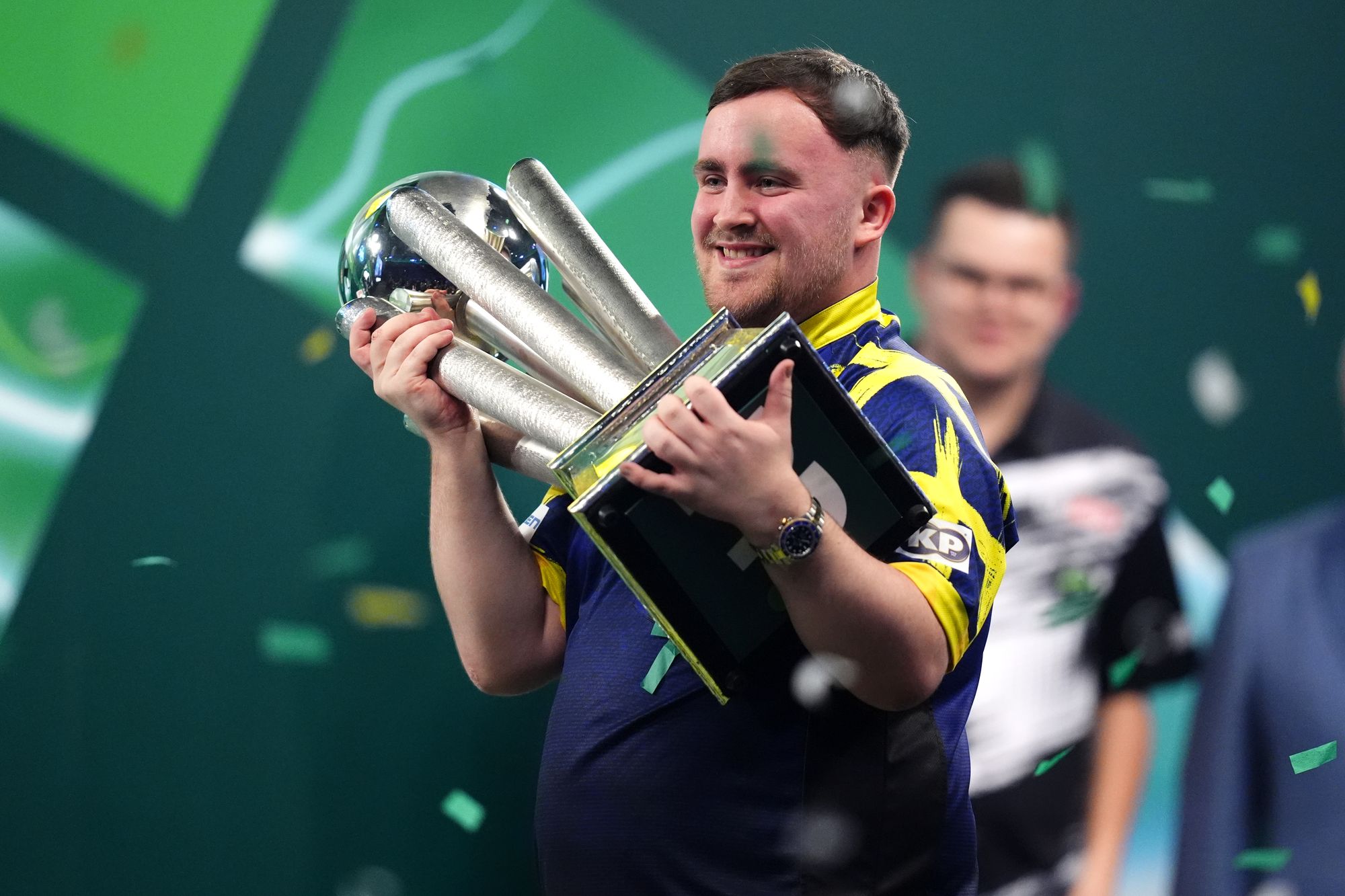
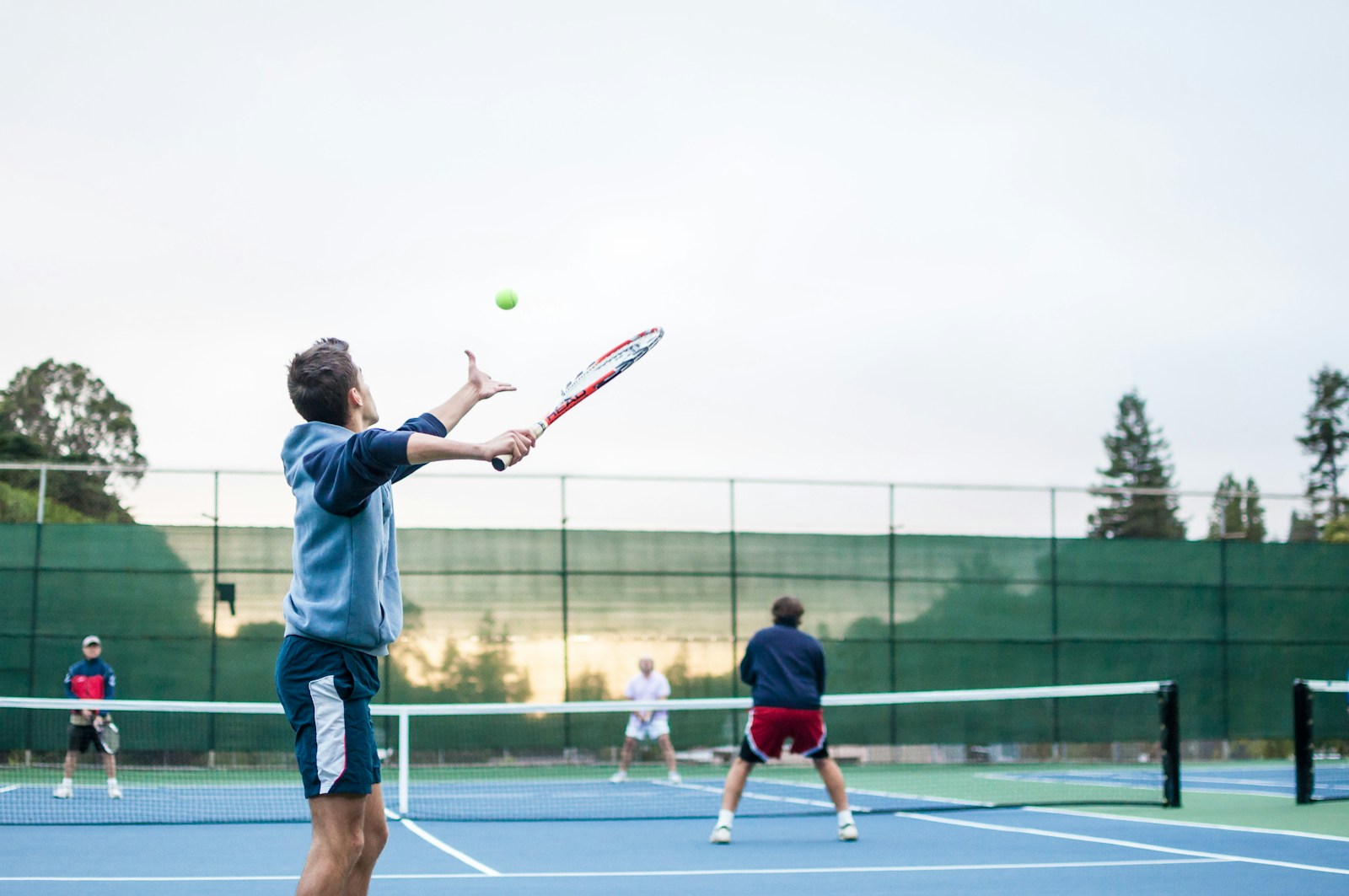
Fitness requirements for modern sports are very different depending on whether an athlete participates as an Individual or as part of a Group/team.
For instance, racket sports (badminton, tennis, squash, padel) are more demanding physically than team sports (football, basketball, hockey), and the two types of sport have different demands on an athlete’s body.
Fitness needs in racket sports are based on repeated explosive exertion and rapid recovery periods between points, along with constant decision-making required by the player.
The player is expected to generate speed, power, and endurance without any support from team members while competing in these sports.
On the other hand, team sports involve sharing the overall physical demands (workload) of the sport among all the players.
The variation in Fitness between the individual and team participation in racket sports and the increasing participation rate of racket sports worldwide makes the comparison of Fitness requirements in these sports more relevant than ever.
Comparison of Physical Intensity Between Racket Sports and Team Sports
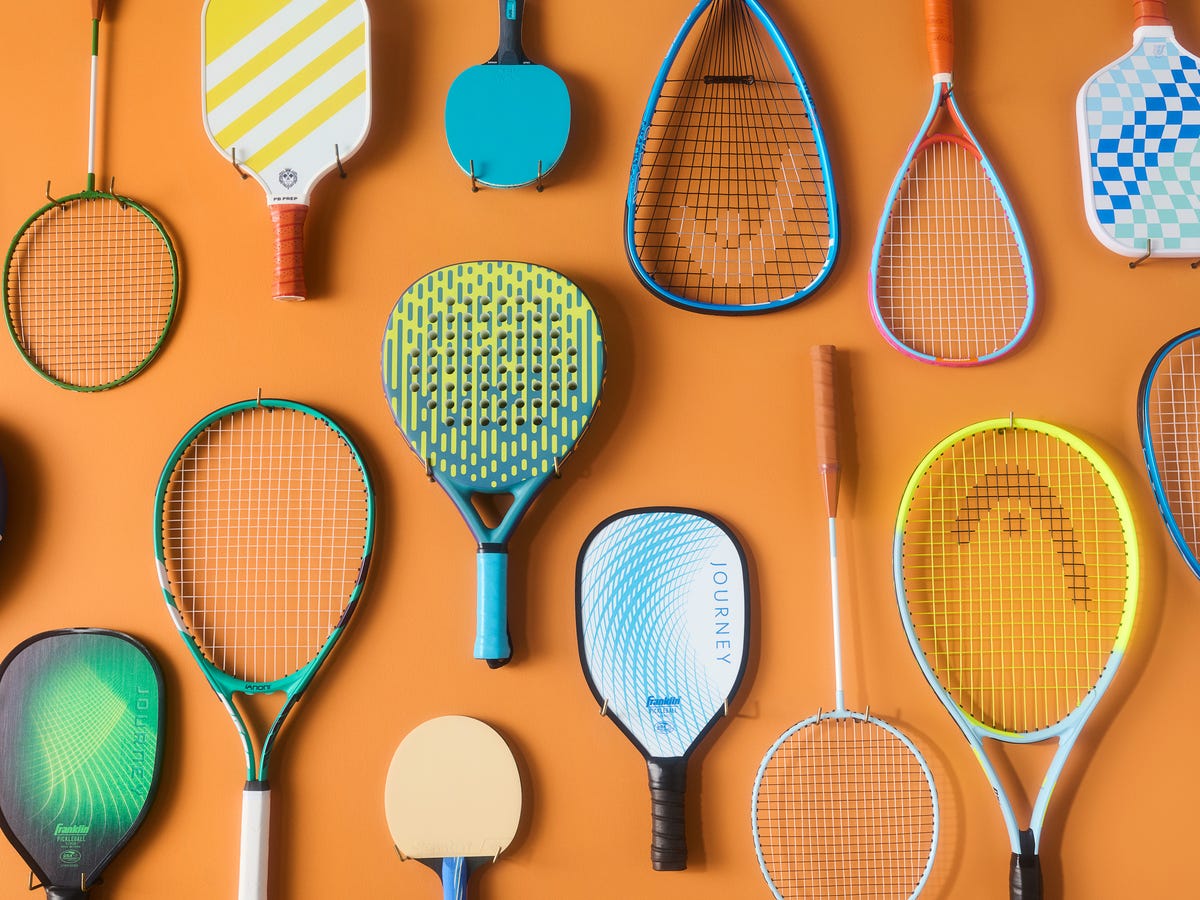
Physical Intensity in Racket Sports
-
The Physical demands of Racket sports consist of continuous high-intensity bursts (very short-term) of activities throughout a single match.
-
The player must repeatedly accelerate, decelerate, change direction and maintain technique during high fatigue.
-
This places a considerable stress on the Muscular Endurance and Neuromuscular Coordination of the player.
Individual Physical Loading
-
In Racket sports, the player has no teammate to absorb the physical stress (loading) created by the effort of every rally.
-
Specifically, in badminton and squash, every participant must exert all they have; the density of movement is very high.
Distribution and Management of Intensity

Distribution of Intensity within Racket Sports
-
In Racket sports, there is a high amount of concentration of Intensity.
-
Athletes perform repetitive explosive actions with limited recovery (rest) between them.
-
That pattern of training anaerobic systems very intensely requires that all players have a high rate of recovery throughout the match.
Managing Intensity in Team Sports
-
Physical demands of position and phases within a match means that the burden of physical stress is distributed over all positions and phases during a match.
-
Substitute players, tactical timeouts, and teammates help manage physical stress.
Cardiovascular Fitness Differences
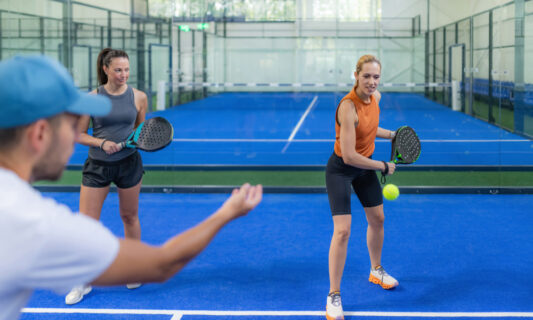
Cardiovascular Fitness in Racket Sports
Racket sports place high demands on the cardiovascular systems of players, as players work for a long duration of time at extreme intensity.
Racket sports use movements that cycle constantly, along with rapid rallies and short recovery times, which stress the aerobic and anaerobic systems equally.
During competitive play, Badminton players and Tennis players will tend to play at their maximum heart rate for a significant portion of the match.
Heart Rate Levels in Racket Sports
Racket sports tend to impose on the heart and lungs the style of cardiovascular stress that occurs in intervals.
Explosive movement followed by short rests simulates the effect of high-intensity interval training on an athlete’s heart and lungs.
Cardiovascular Foundations of Team Sports
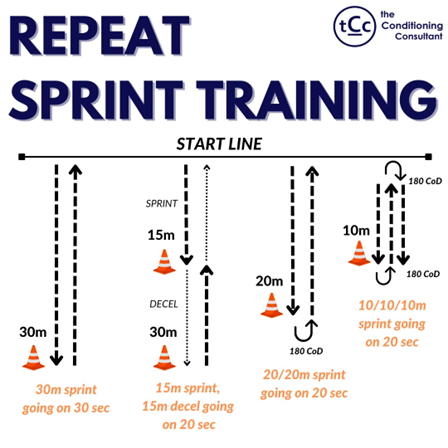
The majority of team sports operate within a steady-state format, with periods of recovery occurring during transitions between offensive and defensive phases.
Cardio-Vascular Differences
-
Racket sports establish a constant, elevated heart rate.
-
Team sports provide built-in opportunities to recover with tactical timeouts.
-
Team members have the independence to self-regulate their effort.
Hence, the approach to training for cardiovascular Fitness is focused on endurance and maintaining energy levels of a rapid recovery (i.e., Aerobic).
Comparison of Strength and Power Requirements
Racket sports and team sports require different need for strength and power.
A racket athlete sources explosive power through the legs, core, and upper body for generating their shots and for performing rapid movements.
Every badminton or tennis stroke begins with force transfer through the kinetic chain to the ground.
The repetitive output of power produces far more difficulty on every muscle during this repetitive output than that experienced by collision-based team sports.
The Role of Explosive Strength in Racket Sports
-
Racket sports require ability in one side of the body and the use of rotational strength.
-
The job of a racket athlete is always engaged in loading one side of the body, particularly during the serve, smash, and lunge.
Strength Demands in Team Sports
-
Team sports require overall strength including resistance to opposing forces.
-
Sprint power and stability of the positional player are required.
-
Muscle imbalances are more likely to exist for racket sports athletes.
Reaction Time, Agility, and Movement Complexity

Reaction time and agility are the main areas of fitness for racket sports athletes.
Each player has to make a fast decision on the direction of the shuttlecock or ball, generally within 1 second.
By constantly separating and changing direction, the athlete in racket sports is consistently split-stepping.
Complexity of Movement for Individual Sports
-
Racket Sports often contain unpredictable patterns of movement.
-
Racket sports present increased cognitive and physical demands because of the way players respond to the actions of other players.
Team Sports and Structured Movement
-
Team sports rely heavily on pre-rehearsed movement patterns within the tactical discipline of a specific position.
-
Speed is a contributing factor, however, players are reacting from tactical and strategic structures.
Endurance and Match Duration Demands

There is a huge variance between the endurance demands of racket sports and the endurance demands of team sports.
Racket sports players are competing in longer matches and the outcome of a match is directly related to the player’s individual stamina and their recovery ability between rallies.
There are long rallies within the game of tennis and badminton, with matches lasting from 30 minutes to several hours.
Endurance-Focused Training for Racket Sports
-
Racket sports have intermittent yet very high bursts of activity.
-
Racket sports athletes have a short window of recovery during a game.
-
Even in a long match, players must still maintain speed.
-
Fatigue is a leading cause of deteriorating technique and decision making.
Structure of Endurance in Team Sports
Endurance demands for team sports are managed differently than endurance demands for racket sports.
Team sport players benefit from opportunities to rest based on their position(s) within the team, lowering the time spent in continuous physical loading.
Injury Risk and Physical Loading Differences
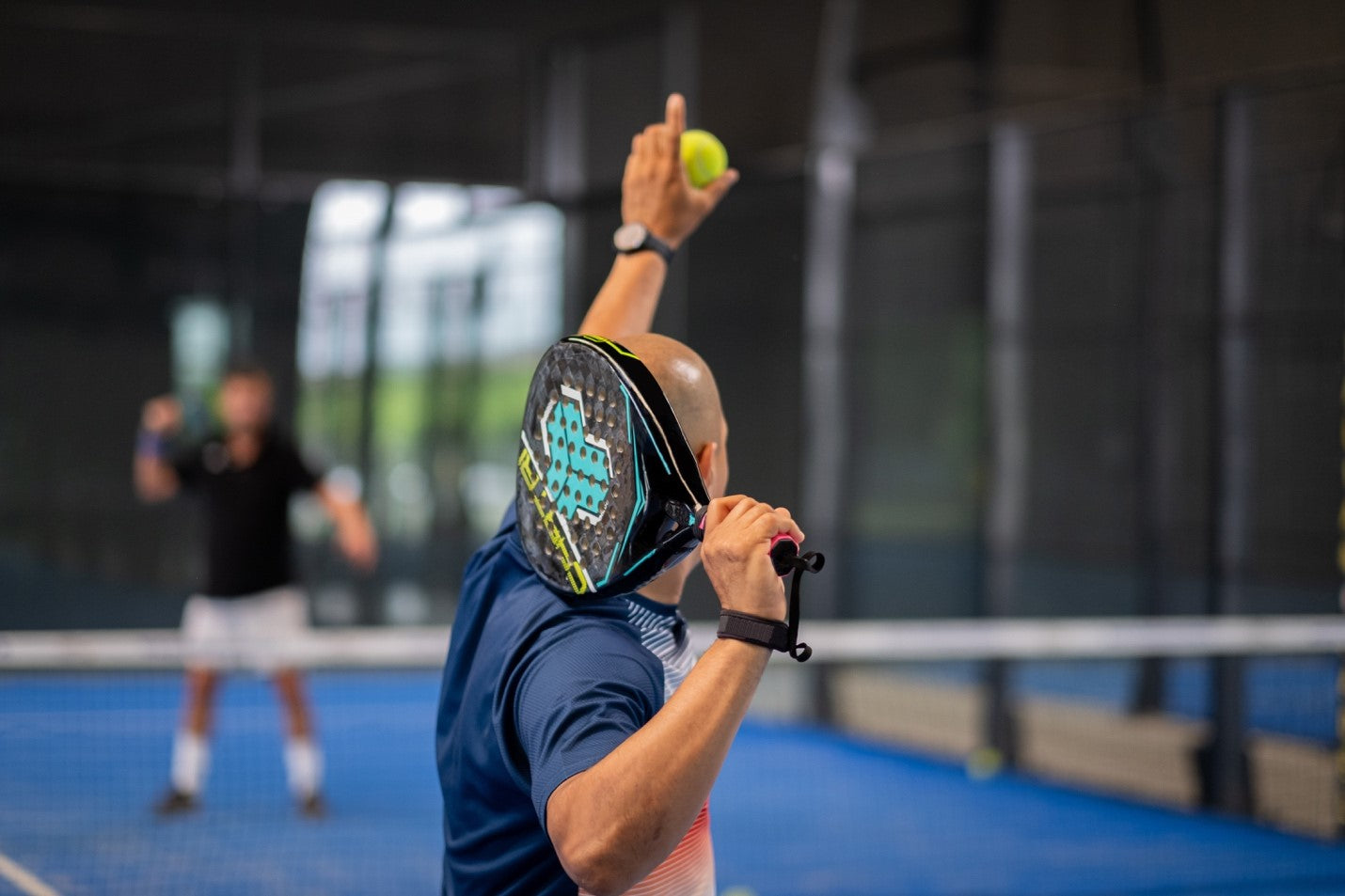
Injury risk has a direct relationship with the manner in which physical loading is applied in a sport.
In racket sports, players must continuously re-adjust their body due to repetitive physically loading their joints, muscles and tendons with repeated directional changes and unilateral movements.
Overuse injuries are typically sustained by an athlete performing a similar action thousands of times per week during practice and competition.
There are many common physical stresses incurred by a badminton or tennis player that include the shoulder, knee, ankle and lower back area.
Regarding knees and ankles, players incur repeated lunging actions, while overhead swing actions vertically load shoulders and elbows.
Moreover, due to similar body-tracking mechanics, players may develop greater muscular imbalance.
Athletes from opposing teams generate an acute risk for injury due to the forces produced from collision.
While both models apply injury prevention strategies to support performance, the manner in which those athletes are conditioned will differ based on the sport.
The Influence of Mental Fatigue on Racket Sport Fitness
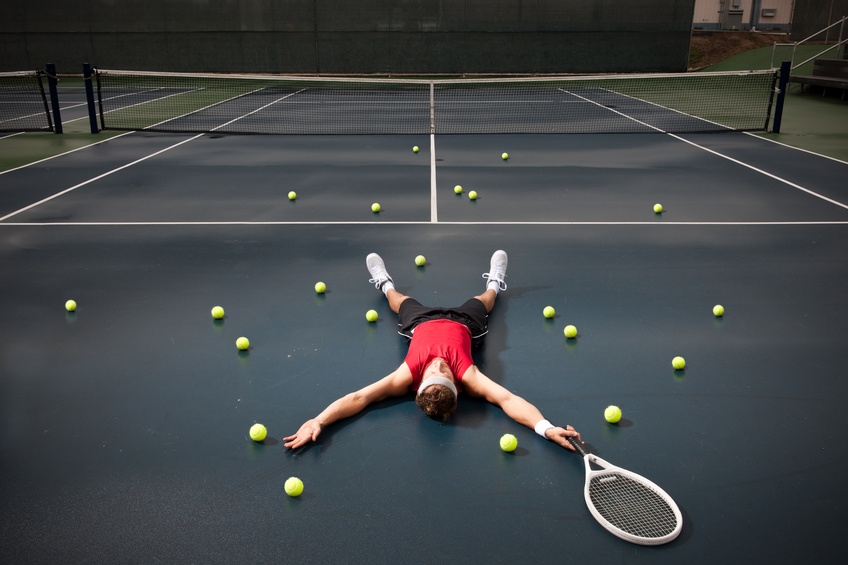
In racket sports, the effects of mental fatigue are more profound than in many of the team sports in terms of the actual fitness associated with the sport. This is due to the fact that an athlete in a racket sport is required to make decisions independently while, as a result of that, is experiencing an increased amount of cognitive load in addition to their physical stress level.
During each point(s) a player participates in within a racket sport, they will require a great deal of focus, anticipation and adjustment.
All of the demands that are put on a player mentally will have a direct impact on their ability to react quickly.
The Suggestive Connection Between Mental Fatigue and Physical Output
In racket sports fitness, because many of the decisions are made independently of a team, the effect of mental fatigue is much higher than is seen in most team sports.
This independent decision making coupled with the physical demands of competing increases the cognitive load of the athlete.
The Demand for Mental Load During Individual Competition
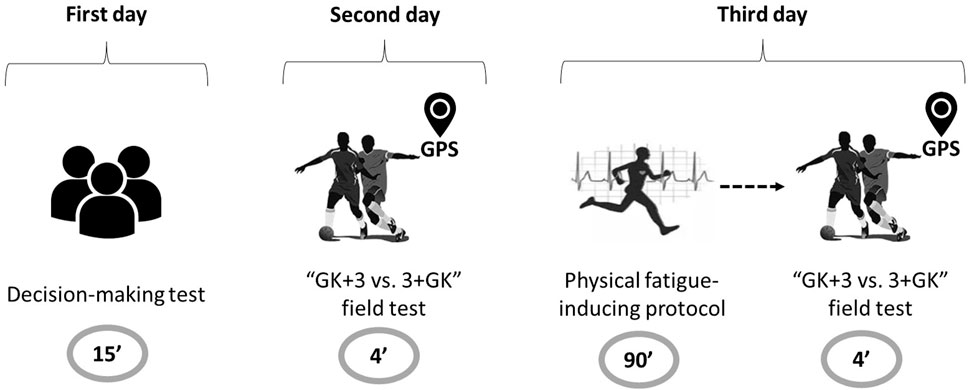
The lack of a teammate to give you tactical corrections creates a situation in racket sports where the mental fatigue experienced builds faster.
As a result, this causes an athlete to be physically less sharp late in the match.
Reaction time is decreased due to a phenomenon known as decision fatigue.
Mental Fatigue and Movement Efficiency
While the athlete is experiencing concentration loss, the athlete’s efficiency of footwork is also affected.
During fitness preparation, the fitness coach must teach the athlete how to control the effects of stress.
The Difference Between Mental Load in Team Sports and Racket Sports

In team sports, the tactical responsibility is shared amongst the players and coaches.
The result of this shared structure decreases the amount of mental fatigue placed on the individual athlete while playing.
Due to the mental load differences between racket sports fitness training, usually the fitness training involves the athlete being psychologically conditioned alongside their physical conditioning.
The Relationship of Training Structure: Individual Sports vs Team Sports
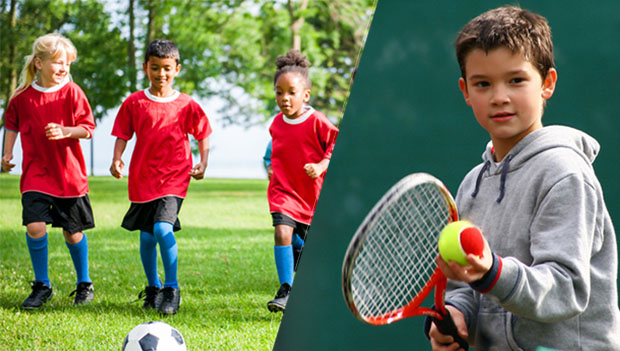
There is a substantial difference between the structure of training in racket sports compared to team sports.
In racket sports, athletes train primarily on an individual basis, focusing on their weaknesses and the refinement of technical skills.
For racket athletes, the combination of conditioning and skill development, along with match simulation, usually occur in one training session.
Load Management in Individual Training
Since load management is conducted based on the individual, the load management methods differ greatly from one athlete to the next.
The Group Effect in Training for Team Sports
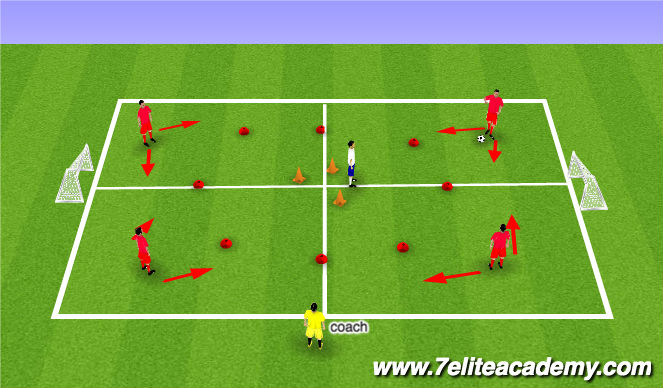
Team sports training focuses on group drills and the team-based tactical systems.
The fitness of a team is guided by the strategy of the team and the positional roles of individuals on that team.
The structural differences between these two classes indicate why the fitness requirements for individual sports and team sports differ.
Recovery and Rest as Critical Components of Fitness
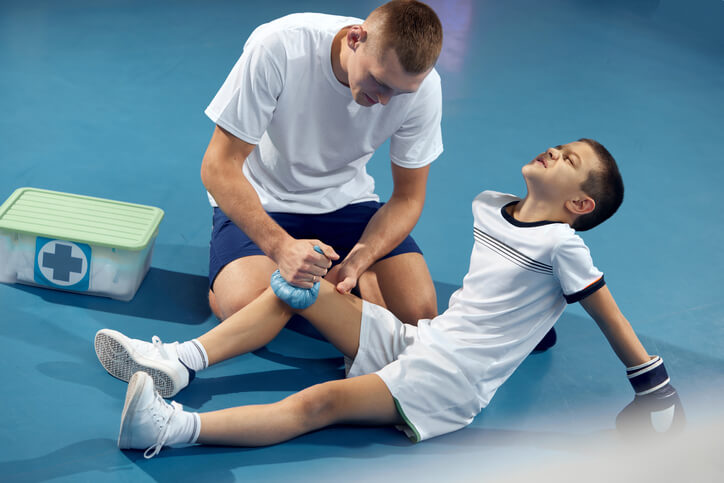
The need for recovery is one of the most significant fitness requirements for racket and team sports.
However, the recovery process for these sports is different when analyzing the application of physical loads throughout the competition and training cycle.
For racket sports athletes, the majority of athletes rely on their own recovery routines.
Recovery in Racket Sports
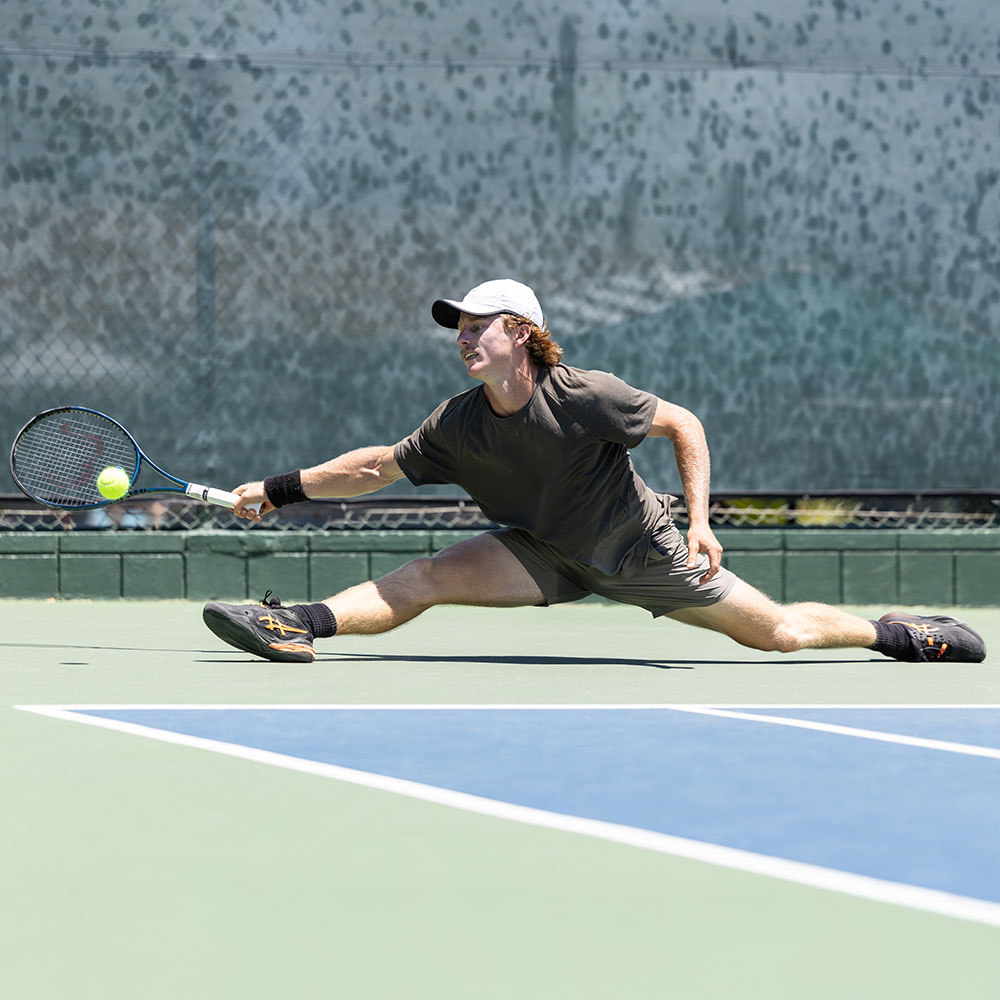
When it comes to recovery for racket sports, joint health, muscle balancing and the nervous system are all a priority.
Racket sports recovery takes advantage of the frameworks created by the International Olympic Committee (IOC) or partnered with the IOC.
Due to the limited time between matches during competition, the level of fatigue is at the highest risk of occurring.
Active recovery, including mobility training and proper sleeping gait, will have a direct relationship on the athlete’s performance.
Aging, Technique, and Longevity in Racket Sports

Efficiency and anticipation favor racket sports.
Mastery of techniques decreases the physical load on players.
Lower contact equals a lower risk of injury.
Age-specific development of training programs supports extended careers.
Team Sports Physical Demands Compared to Racket Sports
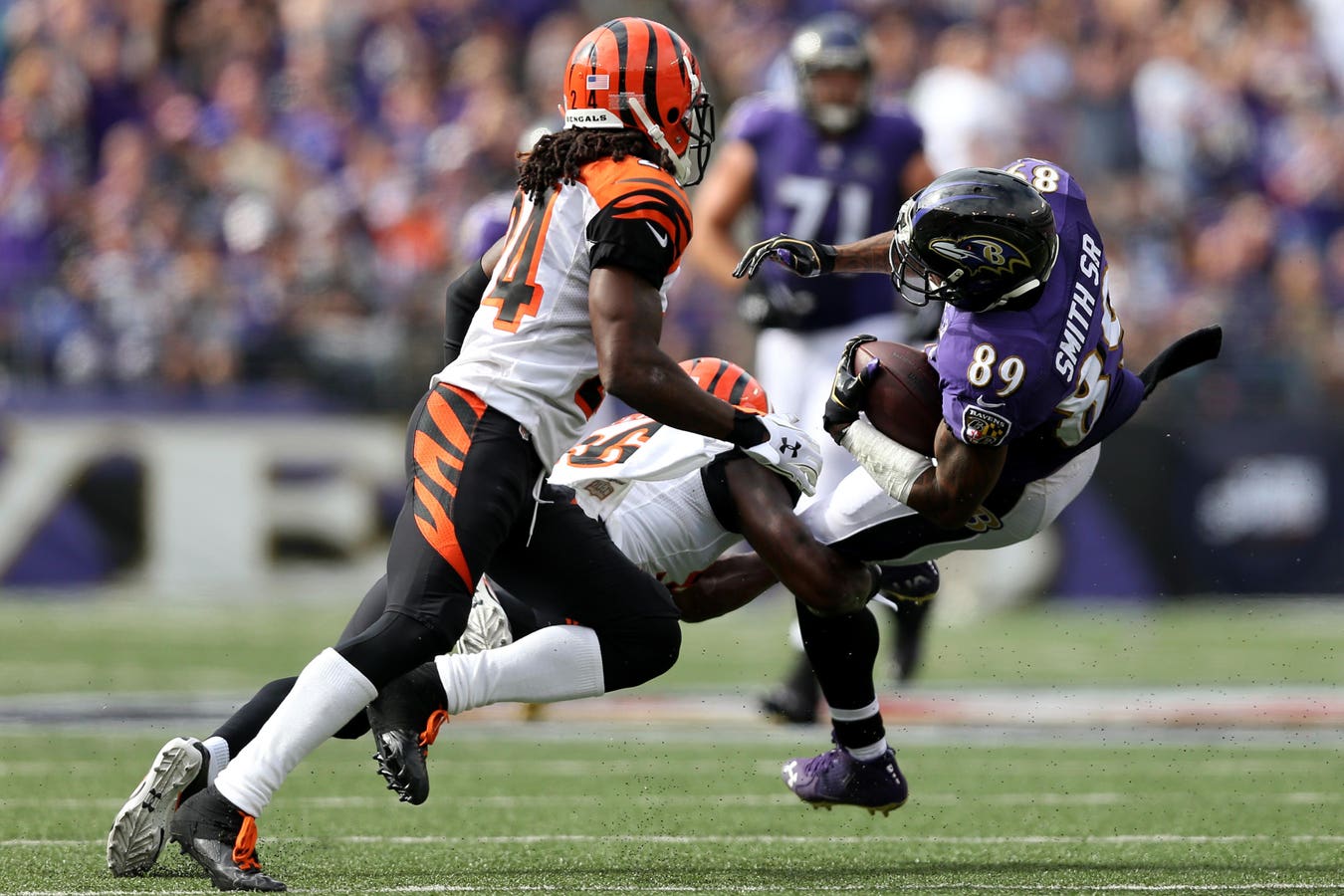
Team sports have many more physical collisions and require players to make many more high-impact sprints.
This is the primary reason why many team players experience shorter peak performance time frames.
Therefore, racket sports with fewer physical demands are more viable for long-term athletic fitness.
Fitness Access for Recreational and Amateur Athletes
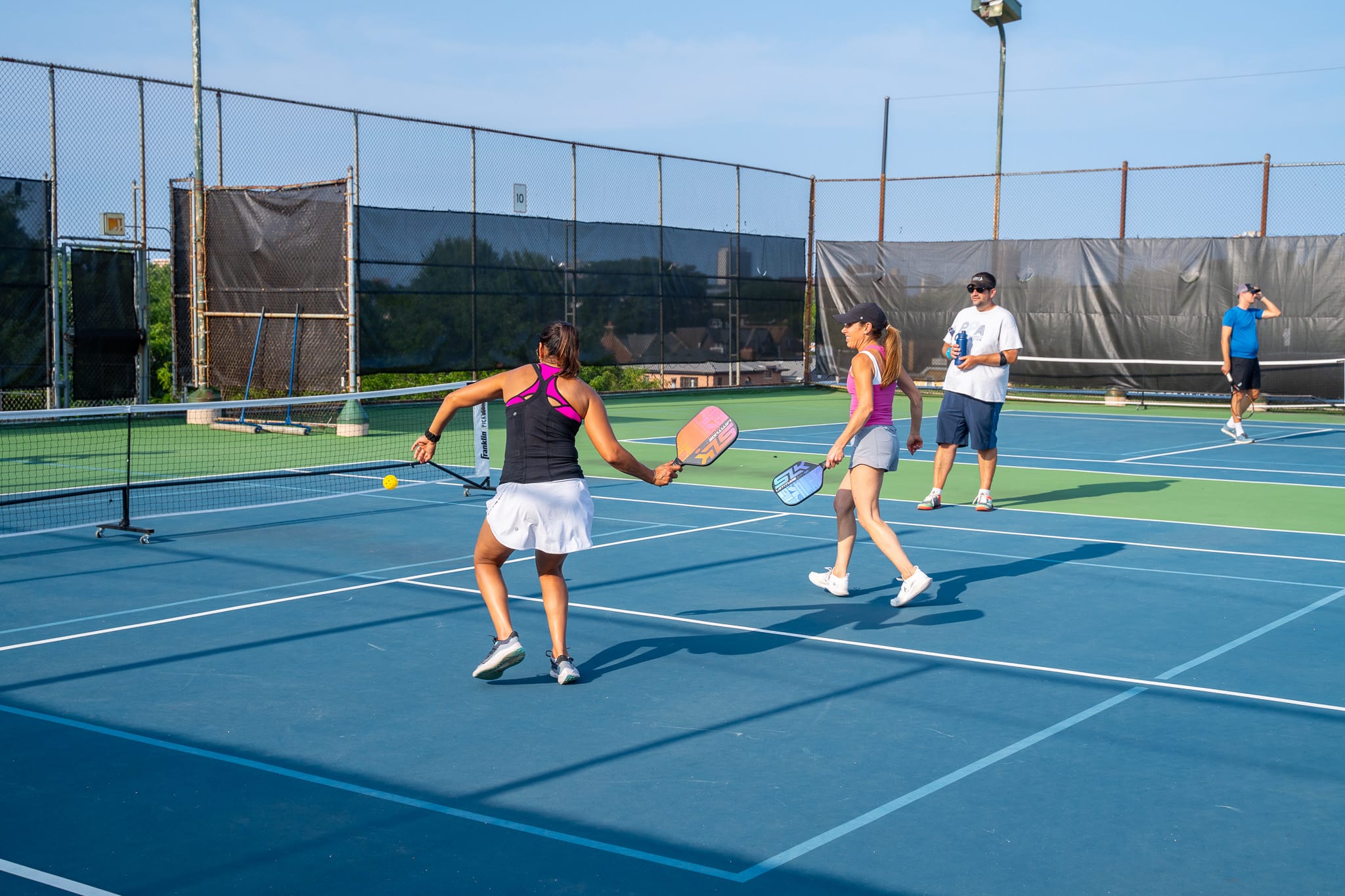
Fitness access is one of the areas where racket sports differ significantly from team sports.
An equivalent court, basic equipment, and one partner are all that are needed to participate.
The ability for people to enter racket sports fitness allows a greater share of communities to pursue long-term fitness support.