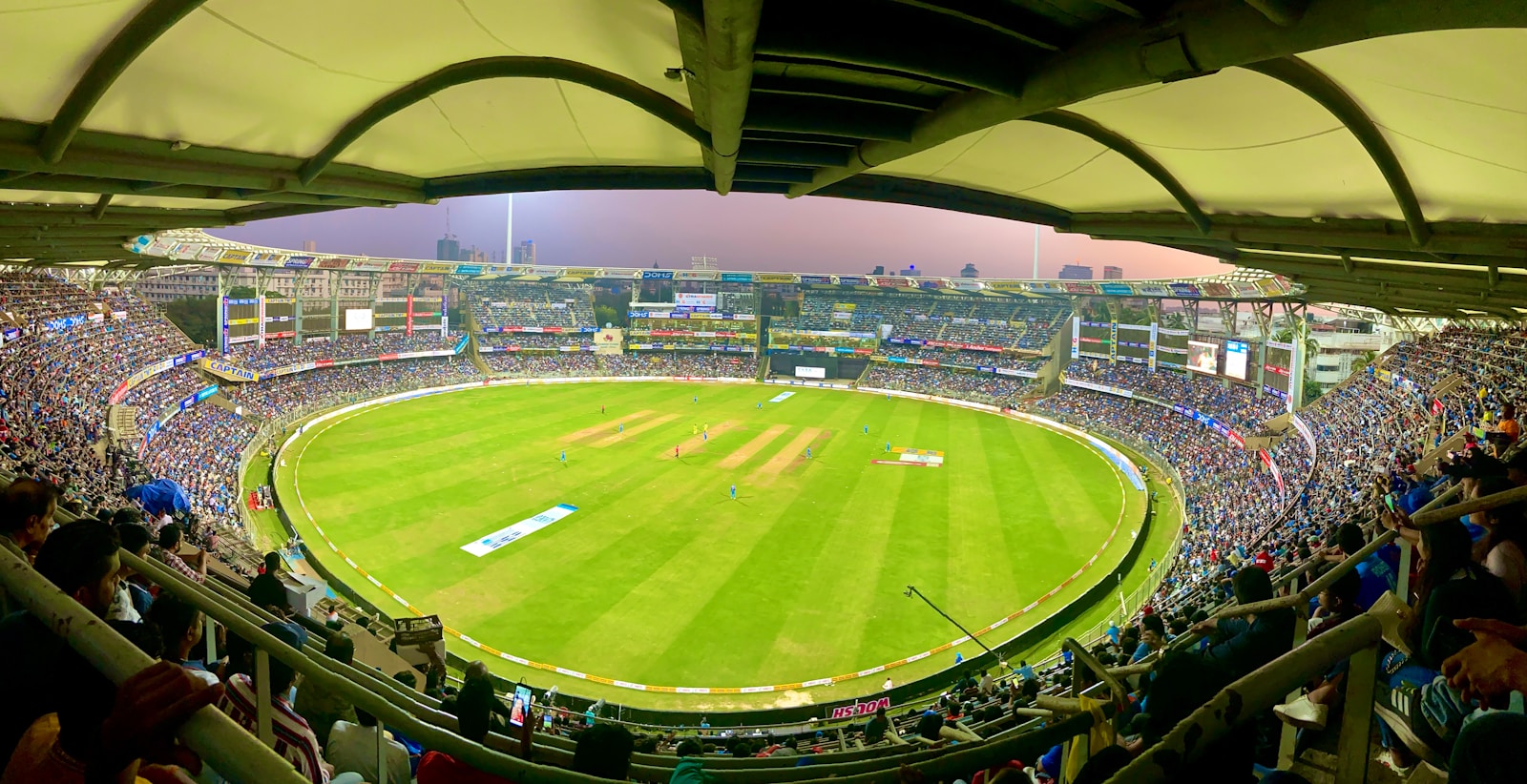
The T20 World Cup is arguably one of the toughest tournaments in modern-day sport. The responsibility of a Cricket Captain extends far beyond their individual performance and includes the overall team development and strategy leading up to the tournament. Due to the nature of T20 cricket, Captains must prepare and build a plan for each over as each over can quickly change the momentum of a match.
Preparation for success on the world stage depends on the preparation of the leaders leading up to the tournament.
Cricket Captains prepare months in advance for the T20 World Cup, developing their plans with respect to tactics, fitness, and mental conditioning to prepare to face the demands of T20 cricket. In T20 cricket, Captains have to make very quick decisions and provide clear and decisive direction; this is achieved by being mentally strong when under pressure from both their opponents and the crowd.
With the T20 World Cup approaching, cricket boards including BCCI, ECB and Australia are putting an increased amount of effort into finding great leaders in T20 cricket using analytical and workload management techniques to support their leaders.
Pressure, Media, and Leadership Balance
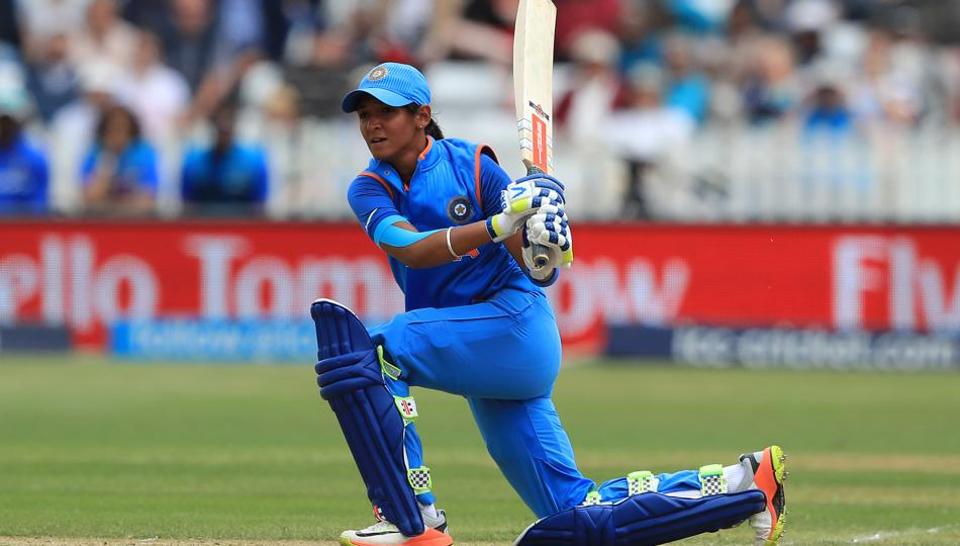
While there are many pressures an individual Captain faces from fans, media, sponsors (Adidas, Star Sports) as well as his/her own teammates, a Champion Captain must remain more centred on the performance of their team in the dressing room than anywhere else.
This article will focus on how Captains develop strategies, principles of fitness, and direct their players’ focus in preparation for the T20 World Cup; what differs from a normal preparation to the ultimate leadership opportunity in cricket.
In-Match Leadership and Communication

The Captain of a T20 cricket team will know how well they are performing because they will have to continually adjust and adapt their methods of communication and adjust their coaching approach as the match evolves.
Captains such as Rohit Sharma and Jos Buttler use a combination of analytical input from their coaching and performance teams, along with their own instincts to make forward looking decisions that enable them to produce the best possible outcomes under pressure.
Captains are the primary connectors/communicators between the players and their coaches, ensuring that everything that has been discussed with the Coaching/Support Staff in advance of the game is being executed on the field.
They communicate what each bowler and batter should do throughout the different phases of the match including during Powerplays, Middle Overs, and Death Overs.
The T20 World Cup requires T20 cricket captains who perform at a high level, use a combination of tactical awareness, emotional intelligence, and quick decision-making ability in their leadership.
This enables the Captain to lead their team to collectively react rather than two or three players attempting to succeed individually.
Emotional Control and Momentum Shifts
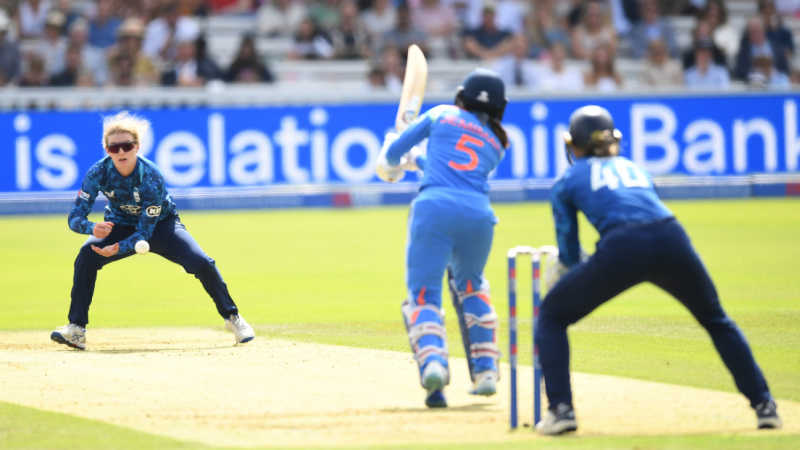
Another major responsibility of a captain is maintaining emotional control. Many times during a T20 match, there will be drastic shifts in momentum which causes captains to maintain their composure in order to help prevent panic from occurring after missed opportunities e.g. dropped catches or poor overs.
T20 Cricketing Strategies – Pre-T20 World Cup Preparation
The Long-Term Plan for T20 World Cup is to determine what style of play you want your team to adopt, what players are key in your plans and whether they match the current style of play that you will want from T20.
As such Captains will have a comprehensive understanding of the scheduling of matches (including Travelling Days), any gaps between matches and the Weather Conditions of the venues before the beginning of the tournament.
By understanding this information they are better able to manage Player Workload, know when to Apply Intensity and/or Rest due to Player Fatigue in the early stages of the tournament.
Decision-making for Captains is influenced by the Net Run Rate calculations; an example would be the assessment of an AGGRESSIVE CHASE strategy v. a DEFENSIVE BOWLING strategy in a tightly contested Group where Qualification margins are narrow.
Practice matches and Game Simulations are typically conducted with a focus on the Format and are designed to create awareness as mentioned above.
Captains of cricket teams are being prepared for varying conditions they will encounter during the T20 World Cup.
To prepare for these unpredictable circumstances, teams Mock out situations that would-be Must-Win situations, develop Low-Target Defences and create a game on a rain-affected pitch.
Long-Term Planning and Workload Management
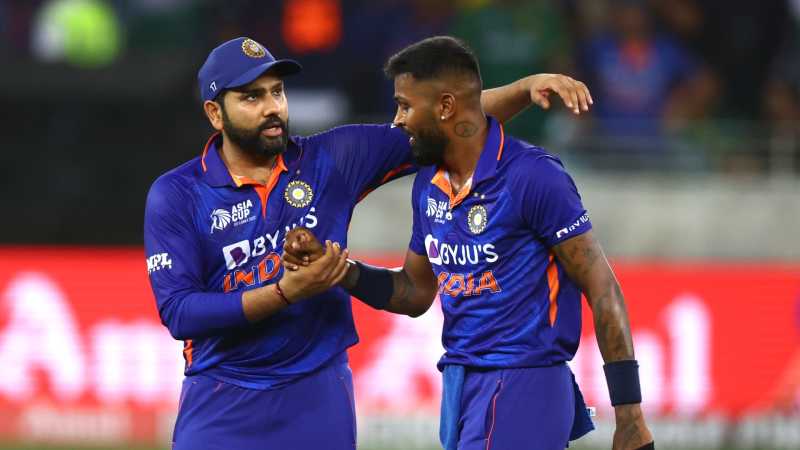
It is through long-term planning of the T20 World Cup that a cricket captain has been able to successfully prepare his team, typically six to nine months in advance of the tournament itself.
Captains share the responsibility of scheduling players in conjunction with their respective Board of Control for Cricket in India and the England and Wales Cricket Board while helping to manage workloads and commitments in bilateral series to make sure their players are fresh and not overworked leading into the tournament.
Working in conjunction with performance partners/sponsors, for example, Adidas, Fitness Benchmarking is created during the pre-preparation period which allows players to continue their performance within three domains of focus; Agility, Endurance, and Injury Prevention.
Pre-Tournament Strategy and Squad Preparation

Captains must enhance their Strategic Clarity with their Coach prior to the T20 World Cup while also ensuring a high level of fitness and performance.
As the tournament date nears and captains and coaches are approaching deadline for finalising their squads, both parties work together to evaluate and match players based on their desired combinations in order to create backup options in case of injuries or form dips.
At the time the tournament begins, successful captains are entering with a clear and concise vision of what their team will look like.
Opponent Analysis and Match Strategy
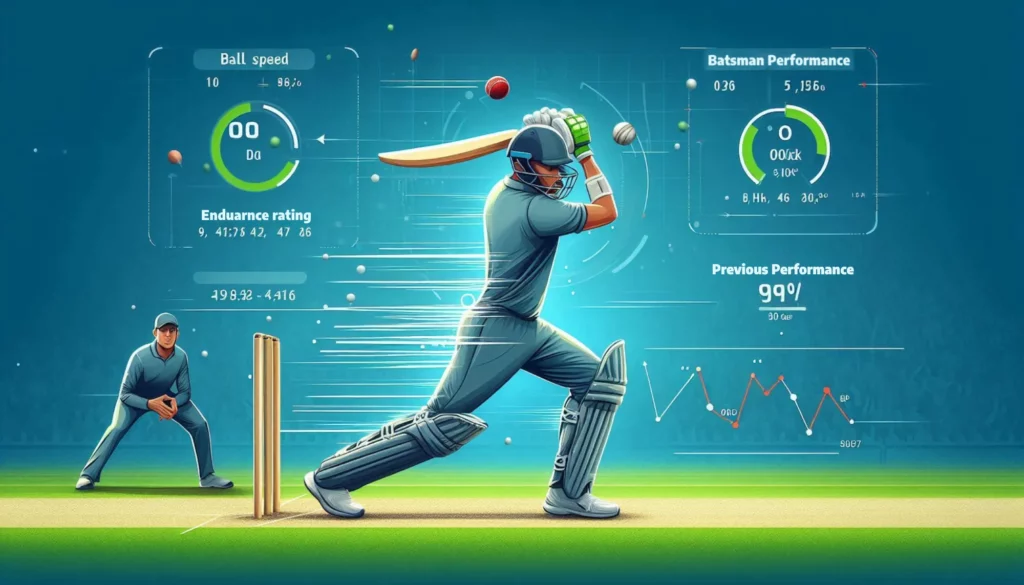
Both players and captains of teams analyse the opposing team during preparation. Due to different backgrounds depending on which country they come from, teams may play differently to each other.
By thoroughly studying their opponent, captains have the ability to exploit the weaknesses and mitigate those strengths of their opponents.
The captaain’s ability to analyse how teams batting, bowling and fielding as a means to establish their own batting strategy and bowling plan against the specific opponent based on the information provided to all teams by the International Cricket Council and via video analysis, assists captains in drawing their plans for match strategy.
The match conditions, e.g., pitch, dimensions of the field, and the weather, are additional key factors captured not only with the selection of players for matches, but also in developing flexibility in the batting order and the order of teams for group and/or knockout stages of the tournament.
Venue Knowledge and Elite Captaincy
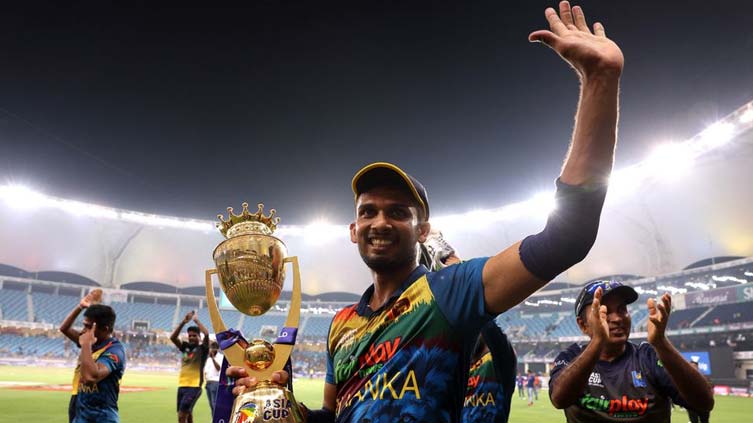
Both Babar Azam (Pakistan) and Kane Williamson (New Zealand) are the current T20 cricket World Cup captains and share similar philosophies about preparing for matches by studying and gathering knowledge about the venues in which their teams will play through local players who have played in that state, as well as local coaching staff.
In addition to the information and statistics reported back to their teams, both captains are able to assemble the necessary information for themselves about the venue.
Understanding the venue, players, and how the information is prepared allows for the captain to avoid making rushed decisions in high-pressure situations by way of comprehensive preparation.
The Role of Tactical Planning for the Powerplay Overs
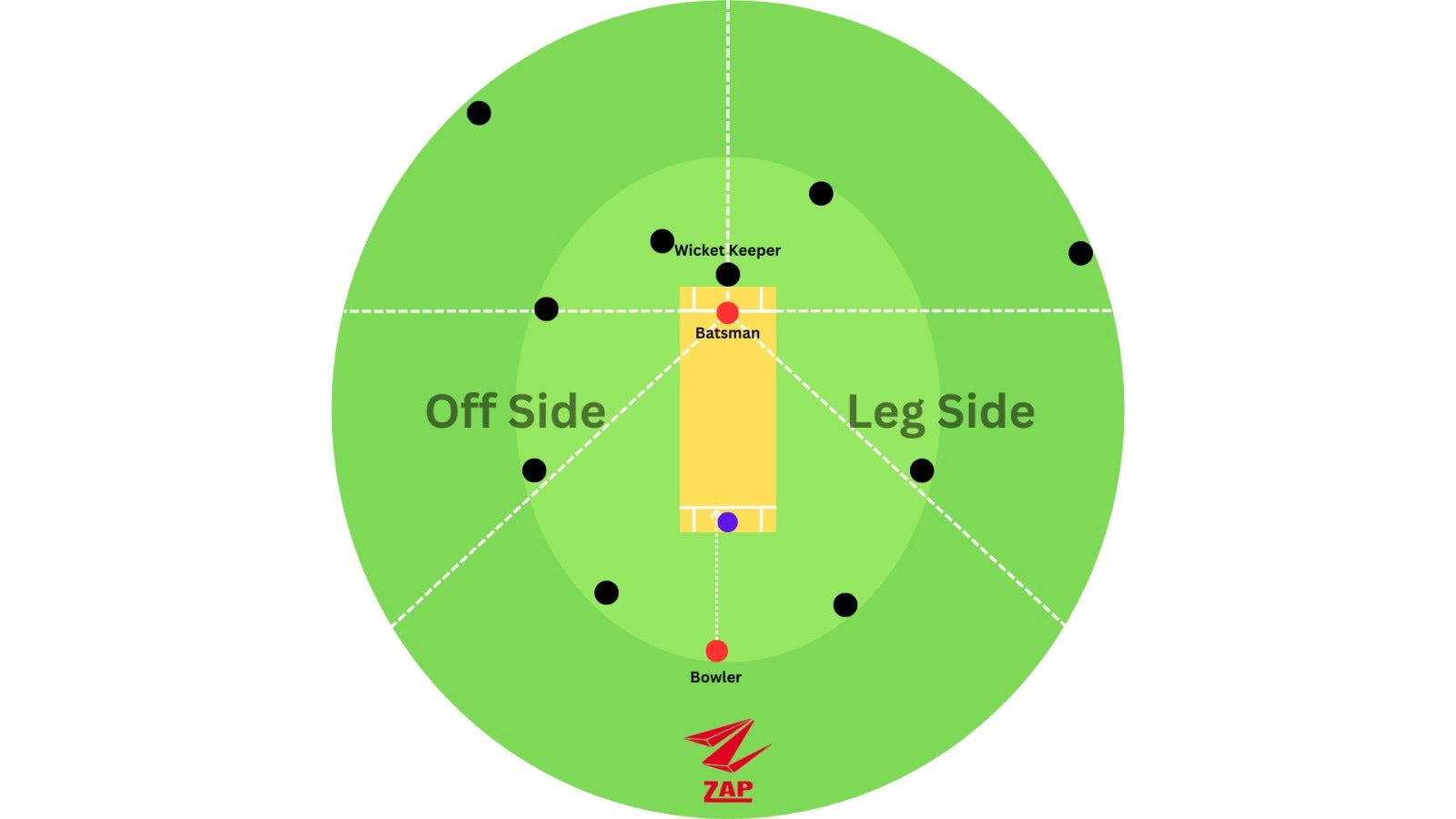
The Powerplay tactical plan establishes the tone for the remainder of the match.
The captain must use his established strategies based on the opponent’s bowlers as well as incorporate the field restrictions created by the ICC to create a plan for his batting; i.e. decide whether to play aggressively or play conservatively.
The decision regarding how to build momentum for their match will depend on the pitch’s condition, what team has been selected, and the current status of the tournament at the time of their Match.
Powerplay Bowling and Fielding Awareness
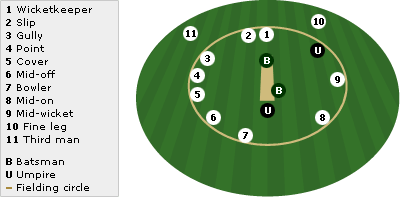
The strategy for further developing the captain’s bowling strategy in the Powerplay reflects the captain’s understanding of how they want to approach their opponent and what eventual rebound they expect from them.
The fielding positions established represent the captain’s understanding of where to place fielders as a method to protect the boundaries while at the same time to place fielders within the area to catch a batter if he fails while batting.
The Powerplay fielding plan is an evaluation about how the batter is hitting and how the momentum will shift.
A captain that has developed a good Powerplay plan will have a greater influence during the first part of the match, allowing the middle overs to be less stressed, thereby increasing the chances of success during the T20 World Cup tournament.
Controlling and Managing the Middle Overs

The middle part of the T20 Match will ultimately determine how the match will be played or if it will be unbalanced.
The middle overs are therefore a critical focus of all cricket captains preparing to play in the T20 World Cup.
Captains must have a solid grip on the middle over of their match with patience and they must understand what to anticipate during the last overs of the match to ensure they remain calm rather than becoming aggressive.
Run Rate Control and Bowling Discipline
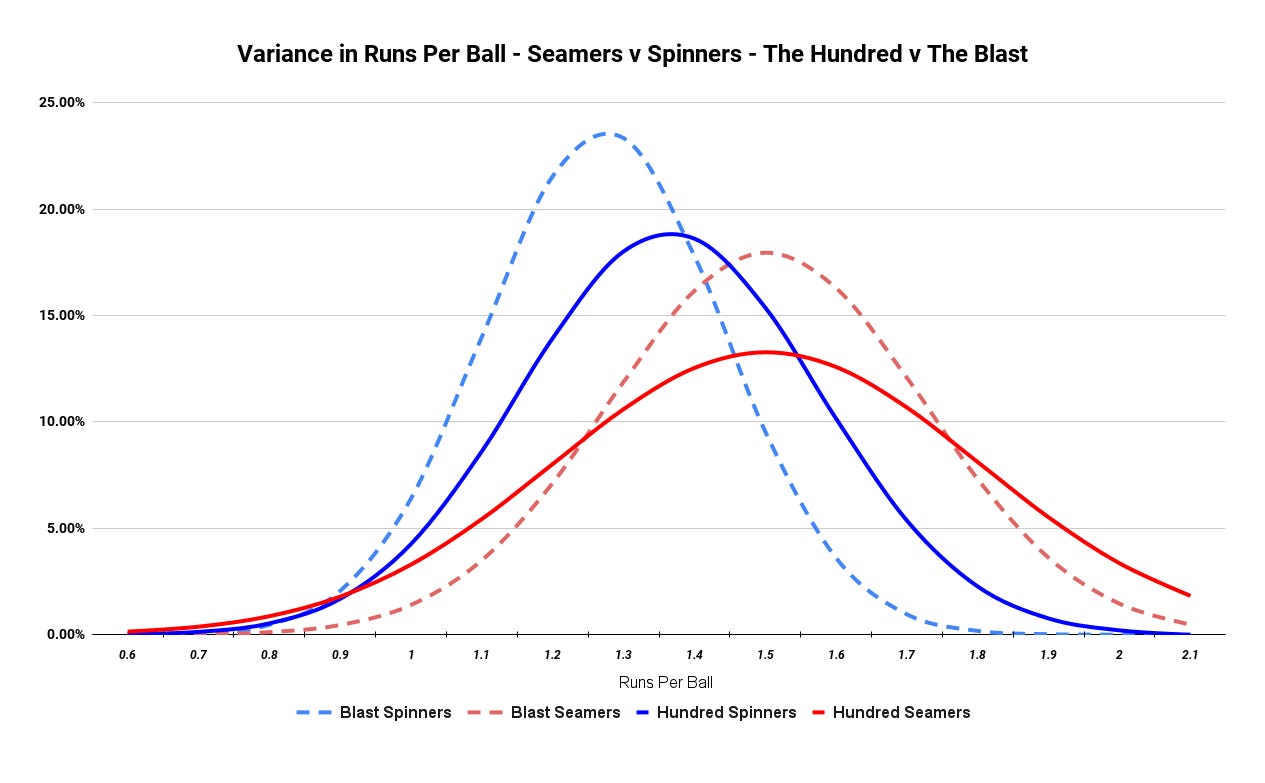
During this portion of a T20 match, the captain’s focus will shift towards controlling the Run Rate of his team, and ideally will try to limit the Opponent to less than 8.59 runs per over, while at the same time inflicting pressure on his Opponent to force them to make mistakes.
Captains must exercise sound judgement in using their spinners wisely during the mid-overs, apply adaptive field changes to reduce the Opponent’s scoring, and implement a Defensive Bowling Plan.
The captain needs to be aware that the batting side’s approach to the middle overs will vary depending on the players selected and the manner in which their scoring will affect the final overs.
Leadership Lessons from the Middle Overs
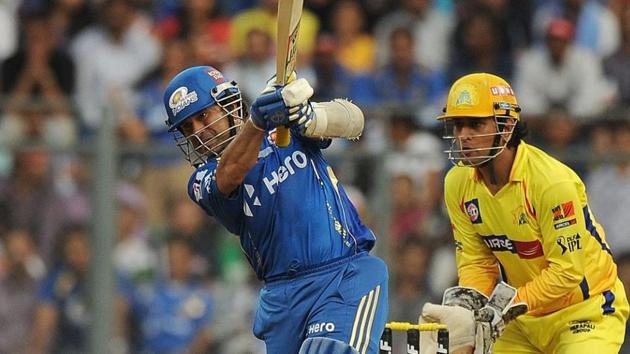
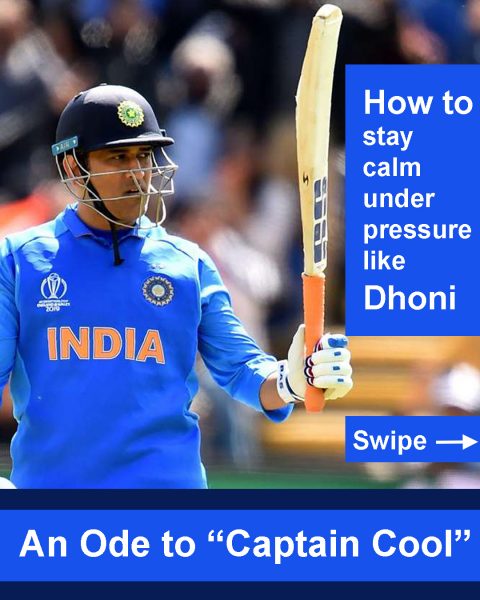
One of the greatest successes of MS Dhoni has been his ability to read the middle overs of a T20 match, and how he used good understanding of middle overs’ patterns to develop patience and build trust with his bowlers so that he could make aggressive plays only after he had established an advantage in the match.
His steadfast approach will continue to influence all T20 Captains.
Captains that control the middle-overs have the flexibility to dictate their game plan instead of reacting to their Opponent.
Mastery of the middle-overs stage grants Captains a better opportunity to lower their stress in the latter part of a high-pressure T20 match and better define their decision-making process during the earlier rounds of the Match.
Strategies to Manage Death Overs and Pressure

Captains need to establish their bowling plans for the last few overs, and appoint bowlers with the best accuracy, different styles of bowling and mental toughness to that role.
Practicing long ways to bowl in the death over by using the yorker, slow ball and the wide line means that boundaries will be hard to come by from the opponent’s batsman in these late overs.
Field Placement and Communication Under Pressure

When creating fields during death overs, captains need to have a plan before the start of the innings, but need to be able to adapt them quickly if necessary.
Captains will have to weigh up how many fielders to place at the boundary and how many to place at catching positions, depending on the strengths of the batsman and the situation of the match at that particular time.
Delivering under pressure is a skill that makes good captains stand out from the rest.
Calm Leadership in High-Stakes Moments
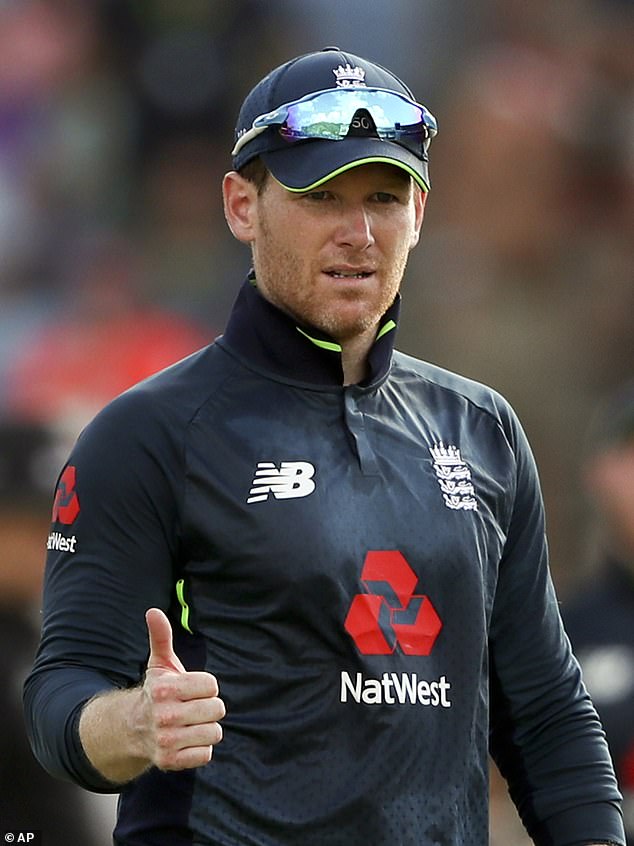
Eoin Morgan, for example, spoke about making sure that he communicates to his bowlers calmly and clearly so that they can concentrate on executing the bowling and not what is going on around them — the crowd, commentators and scoreboard.
Winning teams have good leaders when it comes to managing the death overs.
Clearly Defining Player Roles with Focus

One of the major responsibilities that cricket captains have while preparing a T20 World Cup team is to Clarify Each Player’s Role, because having a well-defined role gives Players greater focus for Consistency in Their Performance.
Communication, Trust, and Team Balance

Captains must communicate every player’s role at the start of T20 World Cup preparation, clearly outlining what the player’s responsibilities are for the different phases of the game, which are Powerplays, Middle Overs, Fielding Positions, and Batting Tempo.
The squad is typically made up of seasoned professionals who have established themselves as high-performance athletes as well as rookies that are just starting out in their respective professions.
Within a tournament-format event, captains must strive to be a combination of strong leader and also being approachable in order to develop trust between teammates and motivate the team throughout the tournament.
Leadership Development and Performance Culture

Recently, organizations such as Cricket Australia and the England and Wales Cricket Board have put an emphasis on providing workshops for developing the communication skills of their captains and helping them with the development of skills required for resolving conflicts within the team.
When the players are in the zone and focused on the game, they play together well as a unit.
The captain aids in providing clarity on the individual player’s role within the team allowing for less ambiguity, accountability, and most importantly, creating an atmosphere where each individual player is confident to perform at their best, and this allows the players to perform on the T20 World Cup platform.
Fitness
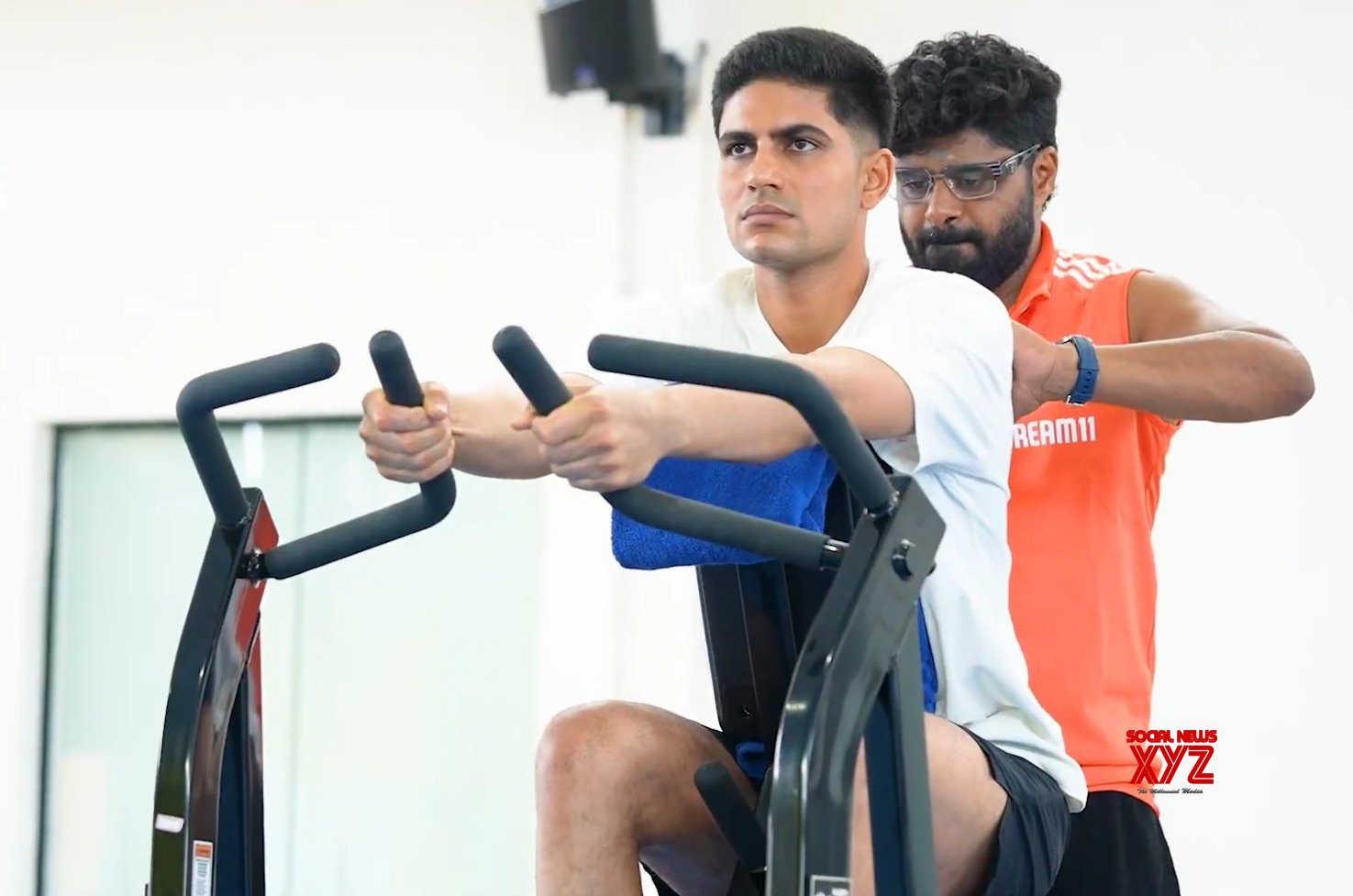
In the lead up to the T20 World Cup, captains need to focus on their own fitness first and foremost as the requirement to perform at high intensity and recover from these performance demands in a short period of time is essential for success in the tournament.
Captains need to be role models of optimal physical condition and be there to provide leadership and support to all team members throughout the tournament.
Recovery, Monitoring, and Physical Consistency

To support the development of fast bowlers and all-rounders as well as to assist them with adequate rest prior to the most critical stages of the tournament, captains constantly monitor the physical demands placed on the athletes.
Equally as vital to an athlete’s performance is recovery.
Significant recovery modalities that are available to athletes, such as ice baths, massage therapy, nutrition planning, and sleep management, are examples of services provided by partners such as ASICS and the various athletic directors in order to keep players in optimal physical condition for the significant amounts of time that will be spent in transit before, during, and after a tournament.
Captains can check their physical performance by adhering to a structured fitness plan in preparation for their performance in the tournament.
Physical consistency demonstrated by leaders provides a foundation of confidence and stability of teams as they progress through their rigorous T20 World Cup campaign.
Mental Preparedness Under Global Pressure

Cricket captains must be mentally prepared to handle high-pressure situations through the interpretation of various external stimuli regarding rapid momentum changes, crowd noise, and worldwide attention.
Emotional Stability and Decision-Making in the T20 World Cup
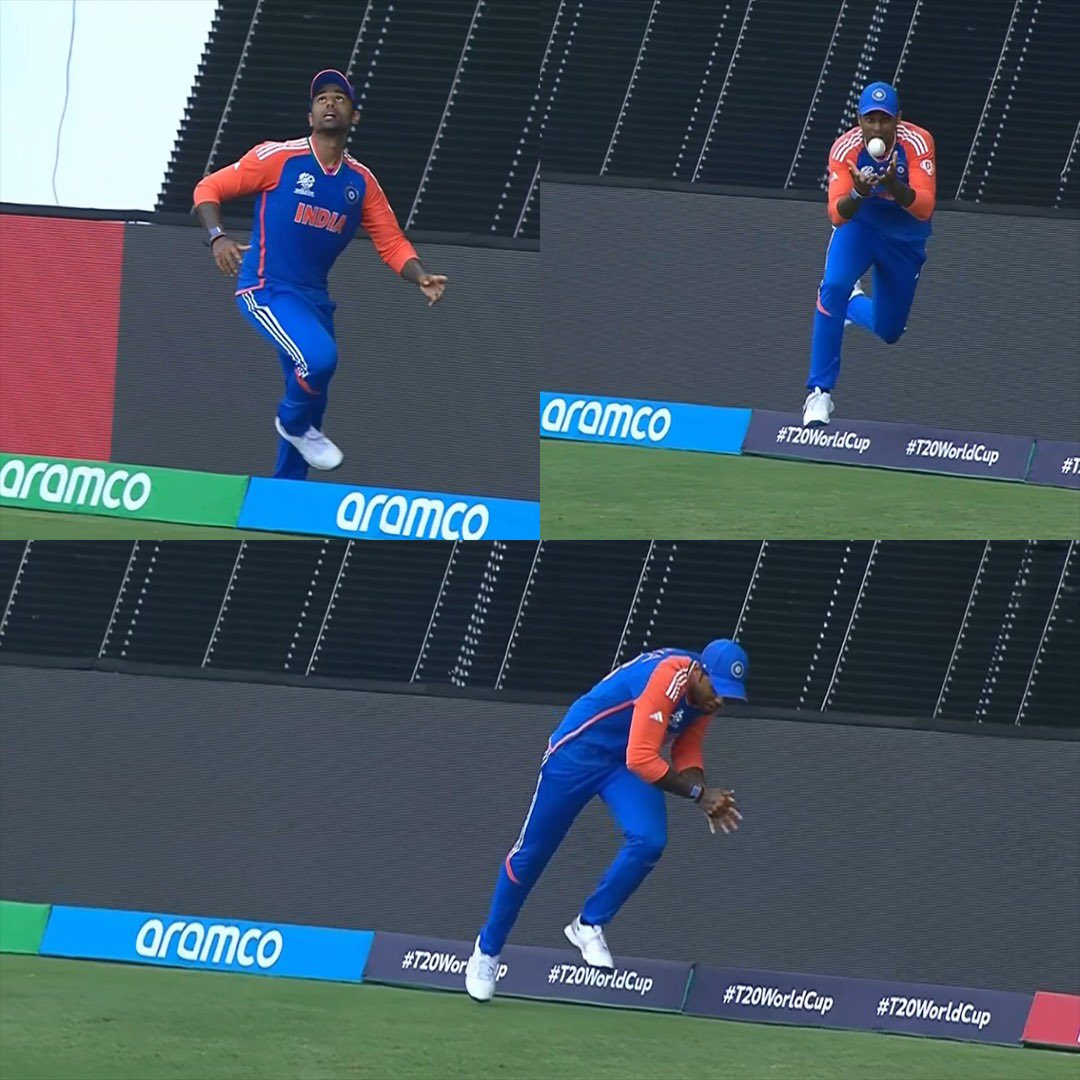
Emotional stability will often play a key role in close matches in the T20 World Cup, where cool-headedness may be more valuable than natural talent.
For the T20 World Cup Teams, the modern practice of data collection, analysis and utilization of technology to assist them in making decisions is more widely embraced by teams than it has ever been.
Utilization of objective knowledge allows for more strategic preparations, planned strategies to be developed and executed, and reduces the need for instinct-based decision-making.
Data, Technology, and Tactical Preparation

The combination of data providers such as OptCricket captains can use video analysis tools to assess their opposing team’s patterns multiple times.
By examining all the dismissals and potential boundaries and gaping fields, captains can determine potential changes to how they bowl and where to place their fielders with much more certainty.
Balancing Analytics With Intuition

Using the appropriate analytics to support their leadership will not replace a captain’s ability to have an intuitive feel for how to lead the team, but rather provide them with an advantage as they combine what they see on the cricket field with the insights gained from analytics.
The establishment of good team culture and the successful management of a team’s dressing room environment are crucial to establishing a positive team culture.
The foundation of team culture is built on a culture of accountability, trust and the ability for the team members to communicate with each other openly to enable the team members to play with confidence, especially during the high-pressure moments of a tournament.
Media, Fans, and External Pressure

Every press conference, interview and social media discussion will affect how fans view them and subsequently how they relate to the players.
If not managed properly, this can create confidence issues within the team.
Cricket Captains provide a buffer between the team and the ongoing media and fan scrutiny.
They are able to channel the criticism toward preparation and execution of their teams instead of letting it near the players.
Messaging Discipline and Public Leadership
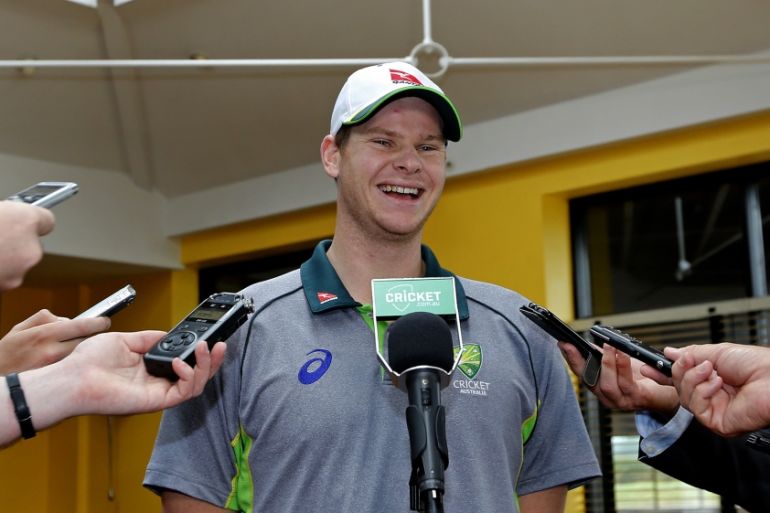
By maintaining a calm and measured approach, captains lessening the chance of distractions from the players as well as the potential for excessive outside pressure on younger players.
Television Broadcasters such as Star Sports and Sky Sports put every little detail of every comment and gesture under a microscope to create a situation where the captains must practice “Messaging Discipline.”
Captains are trained to avoid any controversies while at the same time promoting belief and unity amongst the team in public forums.
Managing Fan Expectations and Team Focus
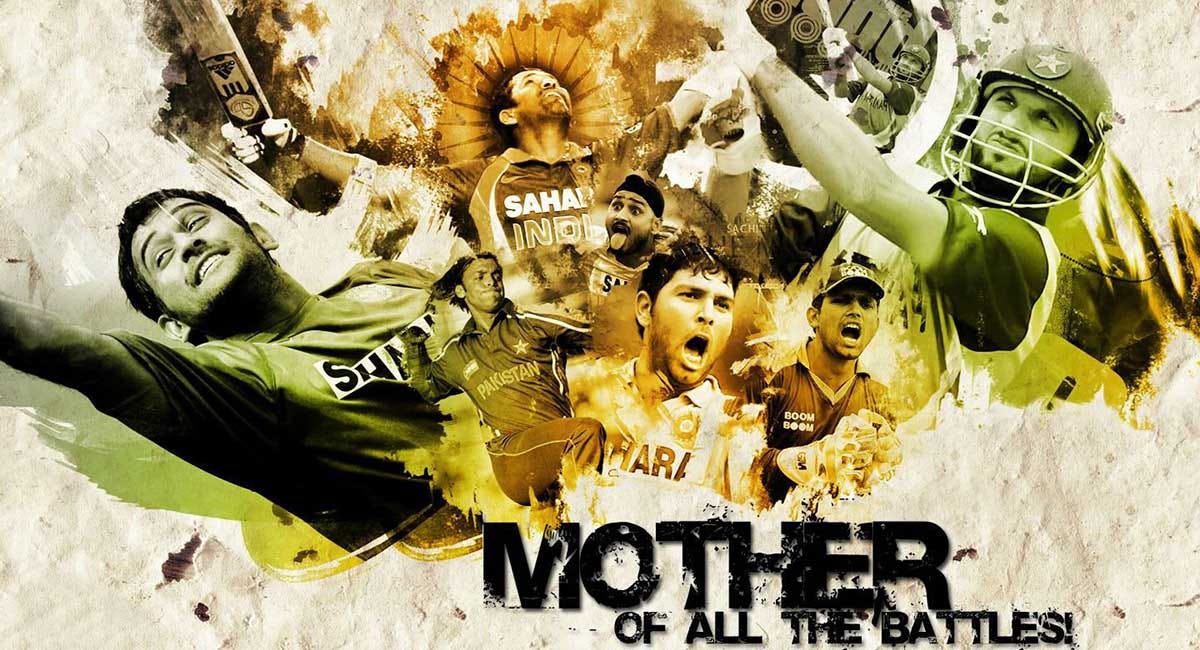
Fan expectations create emotional challenges for the players as well.
Because of the level of passion represented in the fans at games, the captains must continue to keep the players grounded and keep them focused on what they can control rather than the noise or criticism they would hear on the television or from the fans.
By managing the media and fan environments, the captains can maintain clarity for their teams.
Captains who successfully control the narrative about their team create an environment in which performance is the primary focus.
Lessons From Past T20 World Cup Winners
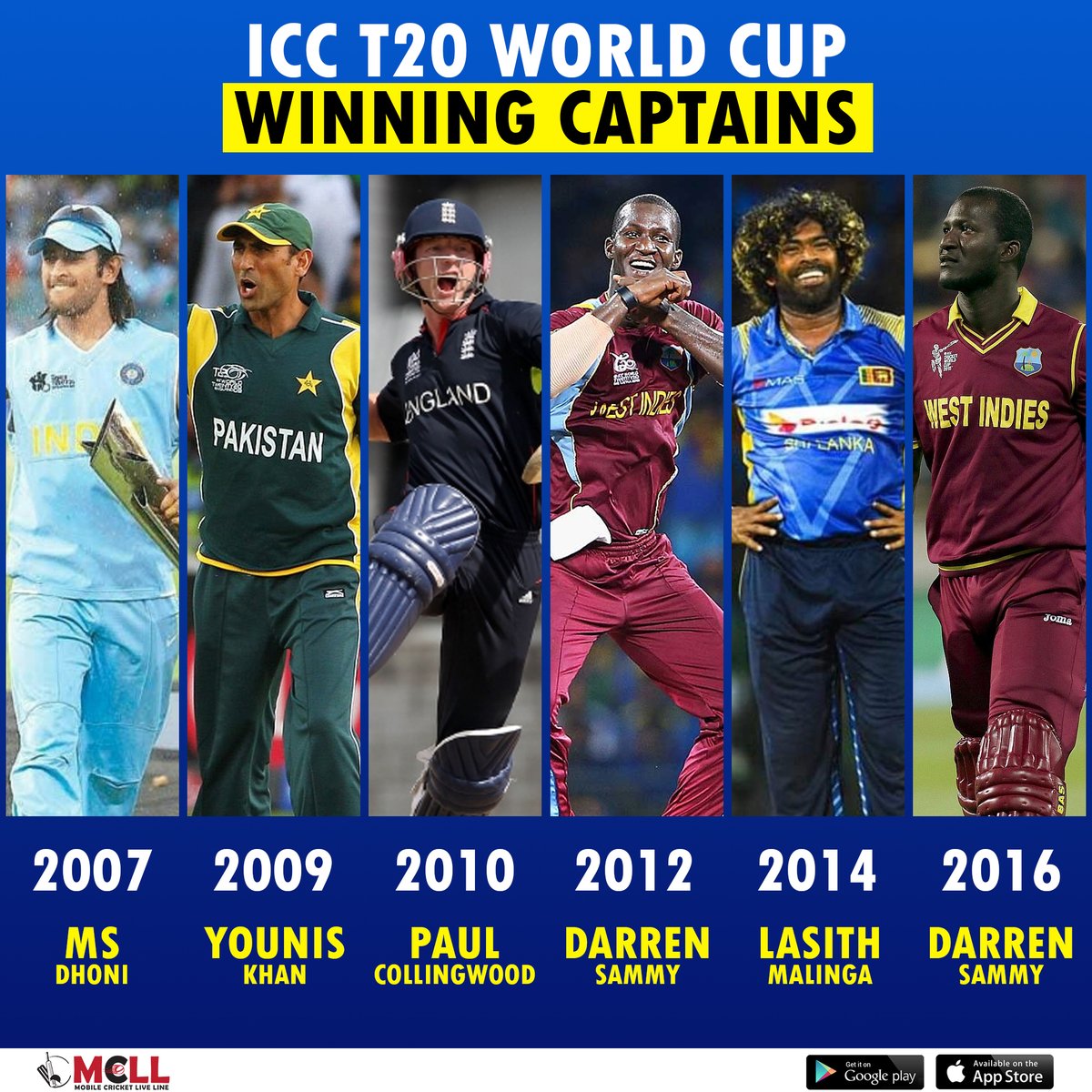
What can be learned from past winners in T20 World Cup history.
Cricket Captains who prepare for the T20 World Cup look back to previous winners to find patterns of consistent success.
Generally there are a number of things that successful tournament champions share – Calm Leadership, Clear Roles and Responsiveness of Strategy.
Leadership Examples From Championship Teams
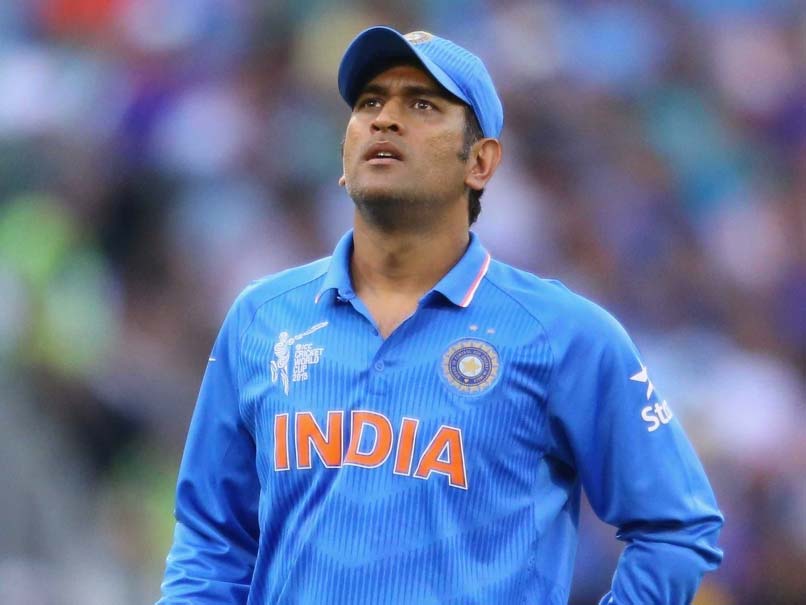
Captains such as MS Dhoni and Eoin Morgan are examples of this value in trusting players during pressured situations.
Backing their players to overcome mistakes continued to boost their players’ belief and confidence; thus, their performances in matches enabled them to produce winning teams.
The teams that found success had tactical flexibility; their tactical flexibility was exhibited by ready adjustment of batting order, creative rotation of bowlers and the achievement of match condition response as opposed to enforced plans.
Tactical Flexibility and Squad Balance
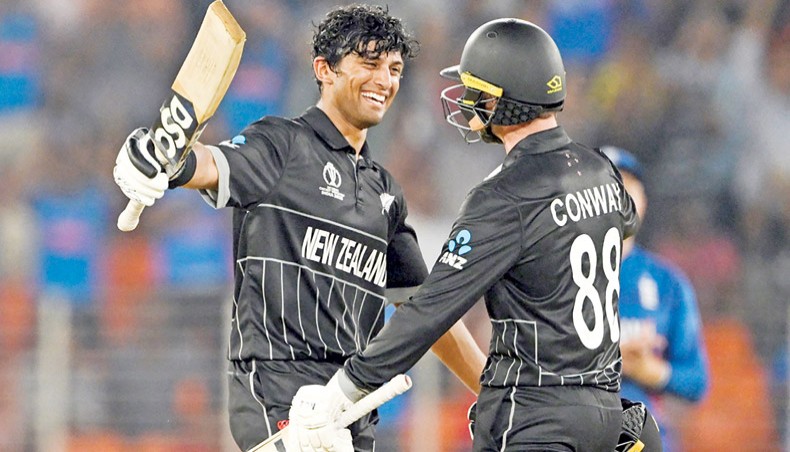
It was the ability of champion teams to show tactical flexibility combined with the mobility of their players that allowed them to consistently outperform their technically similar opponents.
The findings of post-tournament reviews conducted by organisations such as the International Cricket Council indicates how important preparation and a team’s ability to make decisions were compared to just having star players on the team.
The consistently balanced squads significantly outperformed heavily individual dependent squads in the tournament.
Adapting to Change During the Tournament
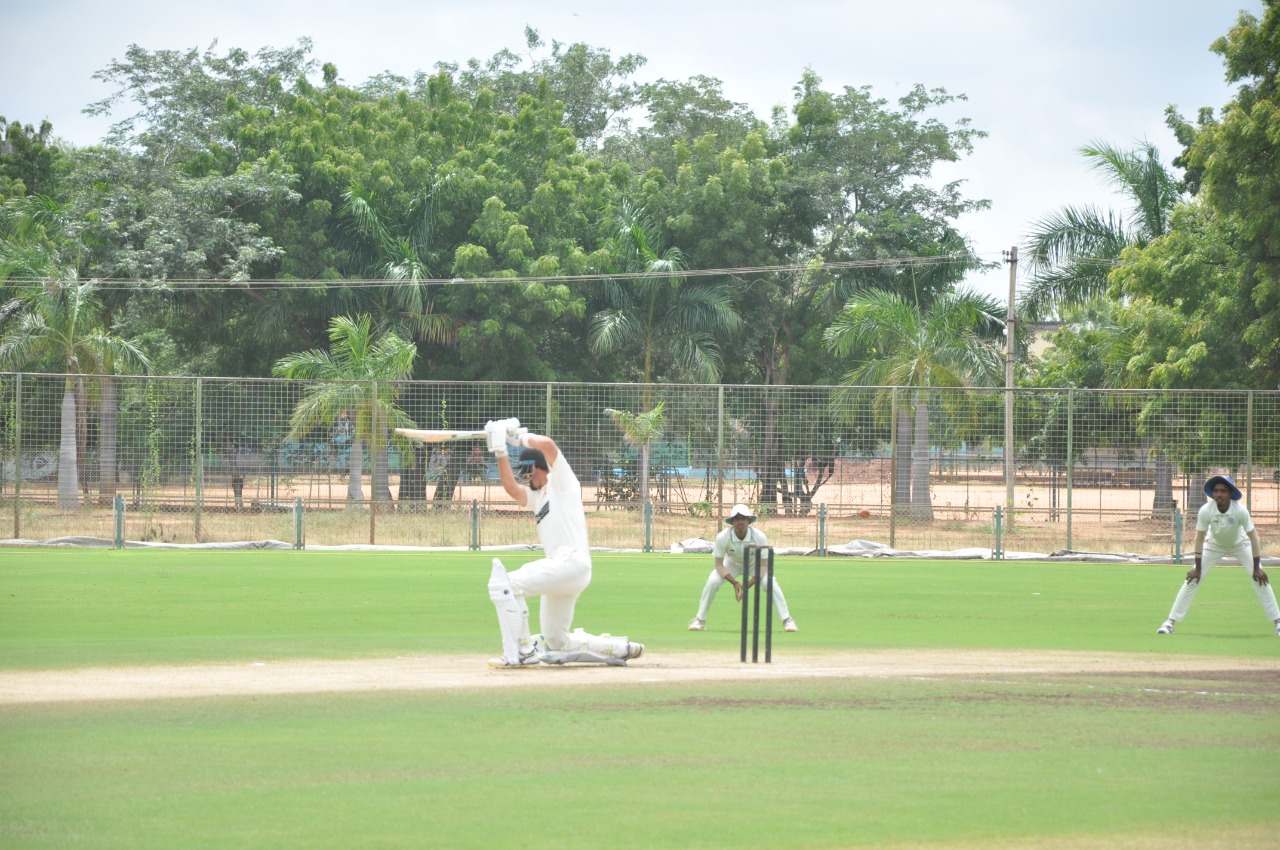
The feedback from performance teams enables a captain to choose to continue with struggling players or to introduce fresh players to help achieve the overall balance required for success.
Captains, like Aaron Finch, trust their gut instincts when it comes to a tournament and take advantage of momentums created during the tournament.
Calm Leadership in Critical Moments
When a Captain makes effective adjustments, their Team is able to be competitive deep into the tournament.
When the Captain responds with calm and confidence in an adverse situation, it enhances the Team’s morale and will contribute to optimal Team performance as the T20 World Cup progresses.
Final Day Of The Match

The Final Day of A T20 World Cup game is the Captain’s last opportunity to put their plan into action.
The day of the Match, the emphasis should be on providing clarity and confidence, and not attempting to employ complex strategies, as players will need a clear mind to be successful and should not have to deal with too much information.
Match-Day Planning and Player Readiness
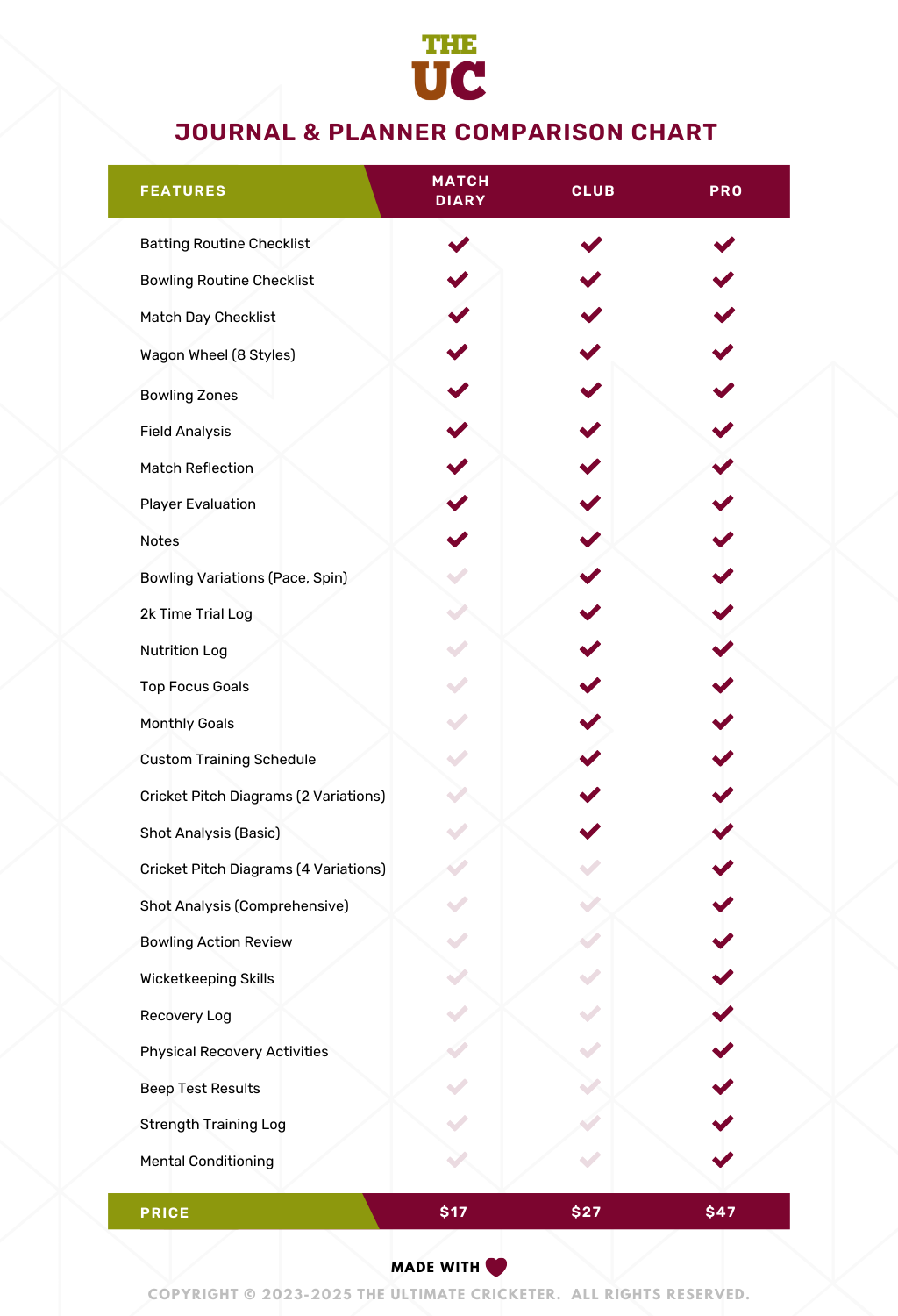
Captains work very closely with their Coaches to establish the playing eleven, batting order, and bowling plan for the day before the Match.
The Captain and the Coach will discuss what options may be applicable based on the outcome of the Toss so that they can make quick, decisive choices when the time comes to utilize those options regarding Pitch and Weather updates.
In order to reduce player anxiety, match day prep routines are followed consistently throughout their T20 World Cup matches.
Players attend light training sessions, have team meetings, and conduct individual check-ins to prepare to play and still conserve energy for what will be a very competitive Match.