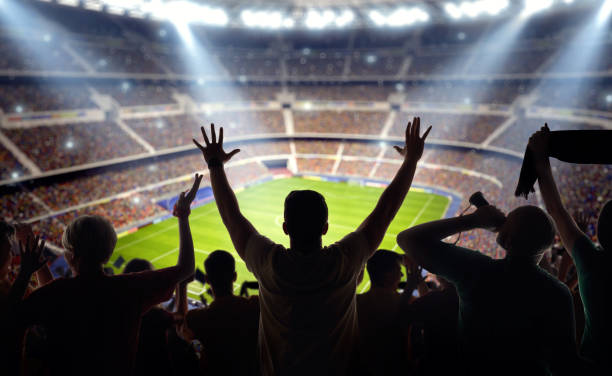
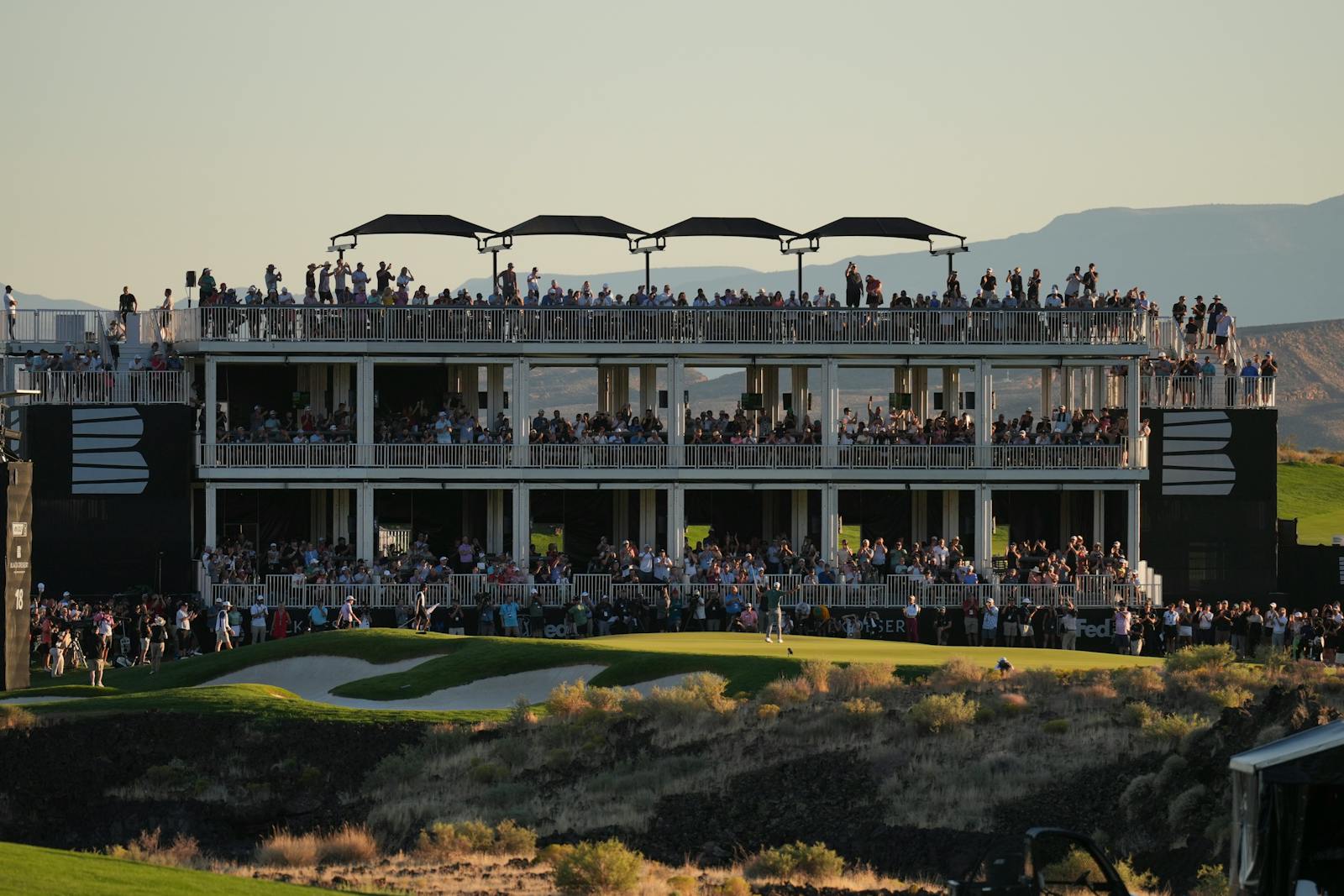
The design of a sports facility plays an important role in shaping the experience of a fan.
Today’s spectators want more than just a place to sit and watch a game; they expect to have comfort, interest, convenience, and a connection from the time they walk through the door of the facility until the event is over.
With more competition for spectators’ efforts to gain their attention, event planners and team organizations are using the design of their facilities to set themselves apart.
Well-designed facilities enhance excitement, reduce stress, create a reason to remain and spend money, and encourage patrons to return for future events.
Evolving Expectations of Sports Fans
Organizations such as the NBA and FIFA understand that the way in which a fan experiences an event directly correlates with how many times they attend that event and/or view it via television.
Facility design now addresses entertainment, socialization, and accessibility along with the sport itself.
Facility Design Is Part of the Fan Experience
The many ways that fans enter a facility through a gate or arrive in a seat bowl are also steps in shaping how they will interact with the experience of the event.
Sports facilities no longer serve only as containers; contemporary facility design has transformed the operational role into shaping the emotions of fans at both live and televised sporting events and how they will feel comfortable and satisfied.
The Logo of a Sports Venue’s Exterior Architecture
The exterior of a sports venue is an anticipation creator before the spectator even arrives at the event.
A venue’s exterior delivers messages regarding the scale, identity, and excitement of the venue and impacts the way that spectators feel about their experience as they approach the venue to attend the event.
Using Exterior Architecture to Establish the Brand Identity of a Sports Venue
Venues designed in conjunction with designs from companies such as Populous use the exterior of the facility to communicate to the spectator what the team represents and to reflect the culture of the team and the city that the team is from.
Seat Design and Sightline Quality
Seating design is among the leading factors impacting fan satisfaction.
Proper sightlines, seat height, and proximity to the playing area all directly impact how adequately fans can follow the action.
Modern venues place extreme emphasis on providing continuous views to every seating area.
Fan enjoyment quickly diminishes with poor sightlines or cramped seating, regardless of the match quality or environment.
Comfort Supports Prolonged Engagement
Fans who have comfortable ergonomic seating during lengthy events can stay engaged with the game and have less fatigue.
This is essential for families or older fans.
Crowd Flow, Accessibility, and Mobility
Efficient crowd flow is vital to the overall fan experience at sports events.
Bad circulation causes frustration, congestion, and safety issues, while thoughtful movement patterns help facilitate movement through venues.
Wider concourses, logical pathways, and clear wayfinding reduce confusion.
Fans spend less time looking for things and more time enjoying food and merchandise, in addition to the event!
Acoustics, Lighting, and Emotional Connection
One of many essential elements to creating the “emotional connection” to a sporting event for a spectator is through acoustics and lighting.
Through sound, atmosphere is created, and through lighting, quality of sound is enhanced, enabling the spectator to connect with the action as it occurs.
Creating acoustics that amplify the “energy” of the crowd not only enhances the event experience for a spectator but can also disconnect the spectator from key moments in the competition if the sound quality is poor.
Many of the NBA‘s arenas are designed specifically for the synchronization of audio and lighting, so that when these factors combine, they will cause each match to be experienced as an entertainment experience, keeping the spectator energized and enthusiastic throughout the entirety of the event.
Visual Technology and Information Clarity
For example, large video displays provide instant replays of a game as well as statistics and storytelling elements that will help the spectator understand how the game played out.
Particularly important is this consideration for first-time attendees that may have been unable to easily see what to do and when to do it through visual signage.
Data-Driven Fan Experience
Supporting the use of technology to personalize the fan experience, Technology Partners provide the ability to create Smart Venue Solutions that utilize technology to improve how fans navigate through the venue and utilize live analytics.
Interactive Social Areas and Brand Partnerships
Social areas provide fans the opportunity to gather, converse, celebrate and share common experiences with one another prior to, during, and after a game or concert.
Fans feel more connected to an event if they have a social aspect associated with it, as opposed to just observing the event.
Safety, Security, and Psychological Comfort
Security elements, like lighting, staff presence, and sight lines, should create a comfortable feeling for fans, without the presence being overwhelming or invasive.
The design/layout directly affects the psychology of those attending the sporting event.
Designs that promote calmness versus impatience, ease of movement during congestion, and logical flow to exits through clear signage and wide exit pathways will help to keep fans calm during the more active phases of the event and immediately following the conclusion of the event.
The governing bodies that regulate international sporting events, such as the International Olympic Committee, have guidelines governing the design of venues that promote fan safety and comfort.
Sustainability and Environmentally Responsible Venue Design
Sustainability has become a large factor in how fans define and associate their experiences with modern sporting venues.
Environmentally responsible design of hotels, arenas, and stadiums have improved the level of comfort that fans/guests experience and brought the venue’s sustainability initiatives into alignment with the expectations of the younger, socially-conscious generation that seeks to minimize their footprint on the planet.
Modern venues using solar energy, rainwater harvesting, and waste reduction technologies are seen by fans as positive attributes.
Fans derive positive attitudes toward attending events in sustainable/green facilities.
By associating trust, loyalty, and comfort with sustainability-focused venue design, organizations can increase their customer retention and increase their overall attendance through the use of well-designed and sustainable venues.
Interactive Public Spaces and Fan Zones
Interactive Public Spaces / Fan Zones are places that make the event experience more accessible for fans by allowing for interaction between attendees.
Fan Zones create an environment that fosters social interaction prior to, during, and after sporting events.
Fan Zones are designed to create excitement and take some of the pressure off of the stadium through additional means of engaging with the sport.
Fan Zones: Beyond the Venue’s Main Bowl
Organizations such as FIFA have created Fan Zones that accommodate families and less-dedicated sports fans.
The introduction of Fan Zones creates a broader audience and improves accessibility for sport event ticket purchases.
Building Community Through Shared Experiences
Fan Zones allow fans to engage with sporting events together, strengthening the social value of the event experience.
Premium Seating / Hospitality Areas
Premium Seating / Hospitality Areas are key to the Economics of Venues and the Fan Experience.
Premium Seating / Hospitality Areas cater to fans who want to enjoy the comfort of privacy, exclusivity and high quality service at a sporting event.
Luxury Seating / Hospitality Areas provide the best view of a sporting event; they are roomier than standard seating, and they provide a level of customer service that exceeds the quality of standard seating.
Premium Brand Partnerships
The majority of Venues partner with a Premium Brand to help provide a higher level of hospitality experience for their guests.
The level of Quality associated with a Premium Lounge and Course Meal can enhance fan satisfaction and justify the higher price of the Premium Lounge.
The Importance of Incorporating Exclusivity and Inclusion
Balanced design is a strong focus for professional sport organizations, including the NBA.
Organizations seek to increase revenue through separate premium areas while continuing to promote the energy of a vibrant general seating area.
When designing for hospitality, the thoughtful integration of hospitality design will both improve financial sustainability and improve overall appeal of the venue.
Authenticity Creates Lasting Experiences
When fans can link cultural uniqueness to venues, they develop deep-rooted memories of their experience.
Authentic venues encourage fans to return and share their experiences with others.
Sports venues based in culture transform events into shared community experiences rather than escapist entertainment.
Signage and Wayfinding Systems Help to Build Fan Confidence
Clearly marked wayfinding systems are very important to creating an environment where fans feel at ease in the venue.
Universal Access Design Considerations
Organizations like the International Olympic Committee provide guidelines for universal access design principles.
Clear signage supports elderly fans, family units, and fans needing assistance due to physical disability.
An effective wayfinding system promotes positive emotional experiences at sports events.
Post-Event Exit Design Impacts Crowd Distribution
A fan’s experience does not end when the final whistle blows.
The design of the Exit has a major impact on how people recall an event.
Poor crowd dispersal can overshadow positive event experiences.
Lasting Impressions Are Important
Sports governing bodies such as UEFA encourage venues to plan post-event flow.
Positive Exit experiences translate into returning fans and positive referrals.
Investment and Experience Will Drive Venue Quality
The architectural firm Populous designs venues with long-term patron use in mind.
Experience-focused design provides both commercial and cultural value.
Future-Proofing Fan Engagement
Facilities designed with excellence continue to provide competitive advantage.
Venue Design directly influences long-term Venue success.
Ways to Travel to and from Events Affect Attendance
Transportation plays a huge role in how fans view sports facilities and attendance decisions.
Good access by public transportation, roadways, and stroll paths removes barriers.
Limited transportation discourages attendance and creates stress before entry.
The Weather And Climate Of A Venue Helps To Make The Fan Comfortable
Modern sporting venues mitigate weather impact through retractable roofs, canopied seating, and airflow engineering.
Supporting the Comfort of the Fan
Leagues such as the NFL invest heavily in climate-conscious venue design.
Comfort improves engagement and long-term fan loyalty.