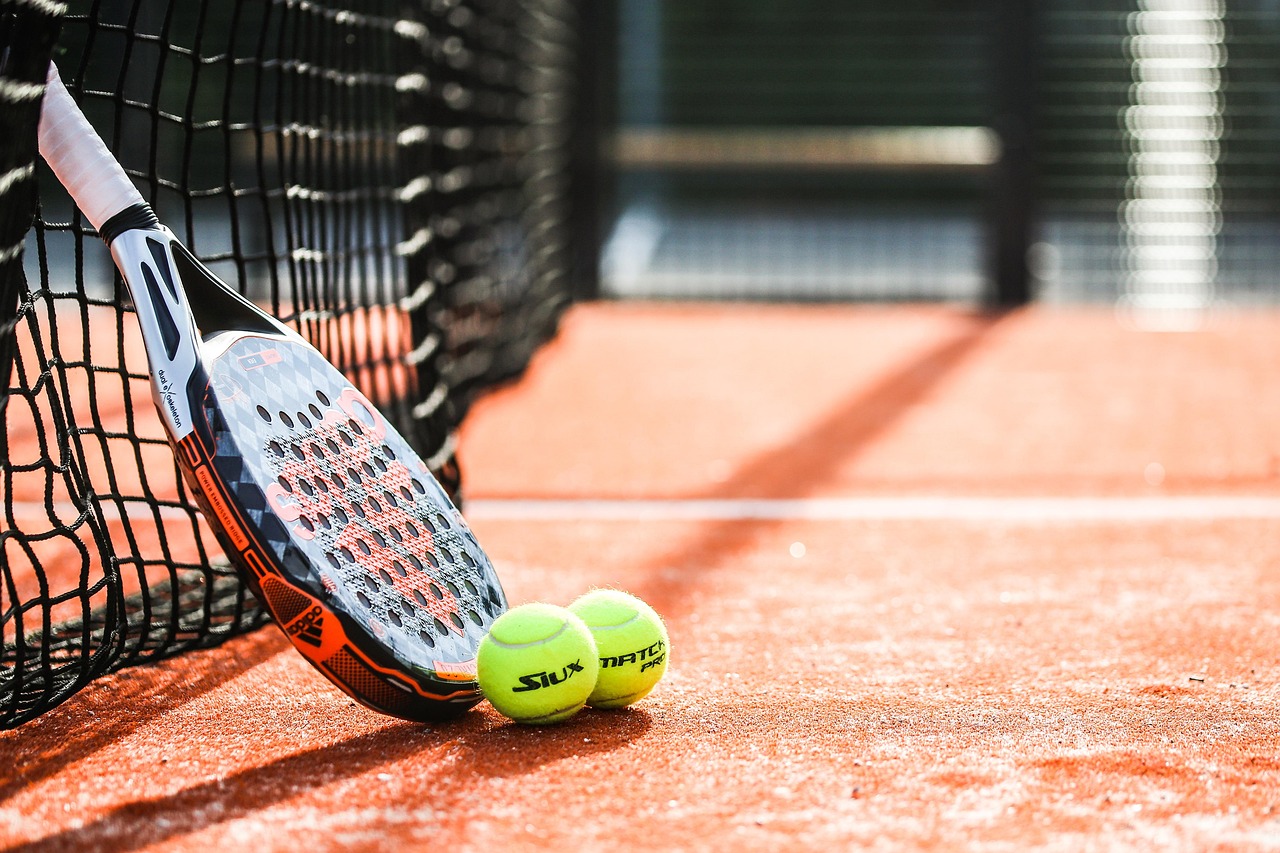
Padel has transitioned from being a small-scale sporting activity limited to a select few countries to a worldwide sporting phenomenon. Countries throughout Europe, as well as in Latin America and the Middle East, are now experiencing rapid growth in padel participation because the sport is accessible to everyone, offers a high-level of social interaction, and has a very high rate of participation across the generations.
The standardization of padel rules through the efforts of organizations like the International Padel Federation and the resulting creation of professional tours has introduced competitive environments on an international level and given both private and public investors confidence.
Padel Fits Today’s Urban Lifestyles and Environments
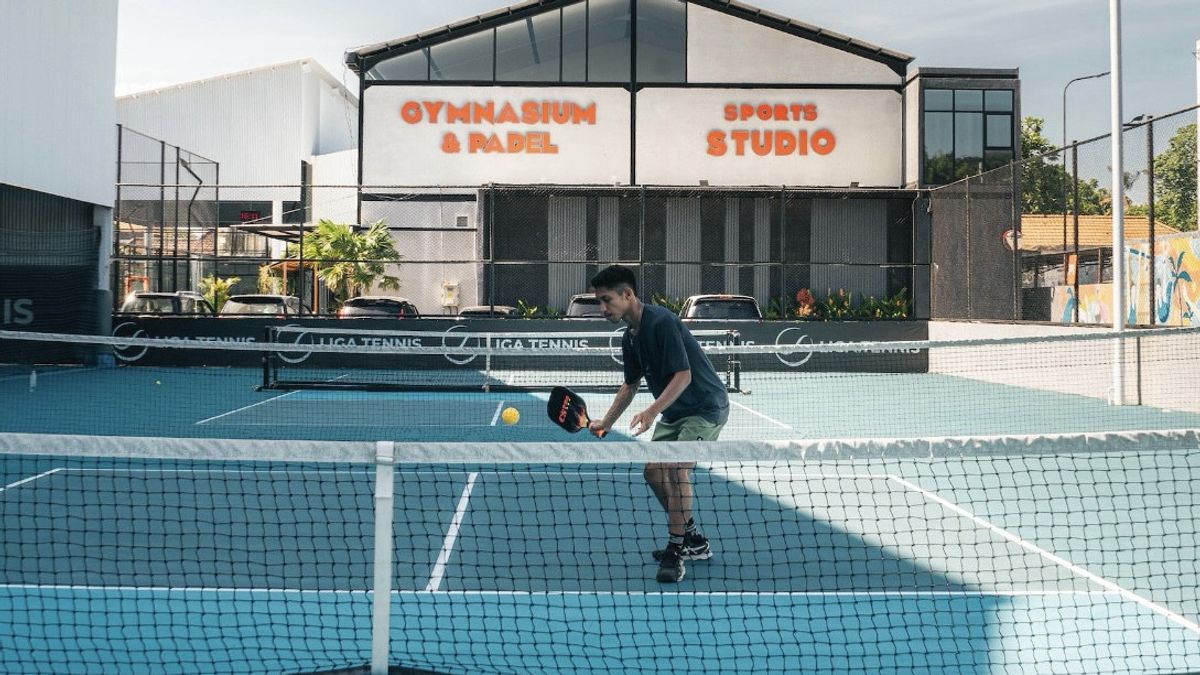
Participation-Centered Growth
Padel seamlessly fits with the lives and lifestyles of many urbanites today. Due to the large volume of players that padel attracts, it is able to have quicker growth when compared to most other racquet sports. For example, social doubles play drives up how often players participate weekly.
Because padel has an urban-friendly infrastructure, it has the ability to grow rapidly throughout the entire worldwide. This combination of factors is why padel is currently viewed as a long-term sport rather than as a fad.
Why Governments Recognize Padel as a Strategic Opportunity
Cost Efficiency and Public Value
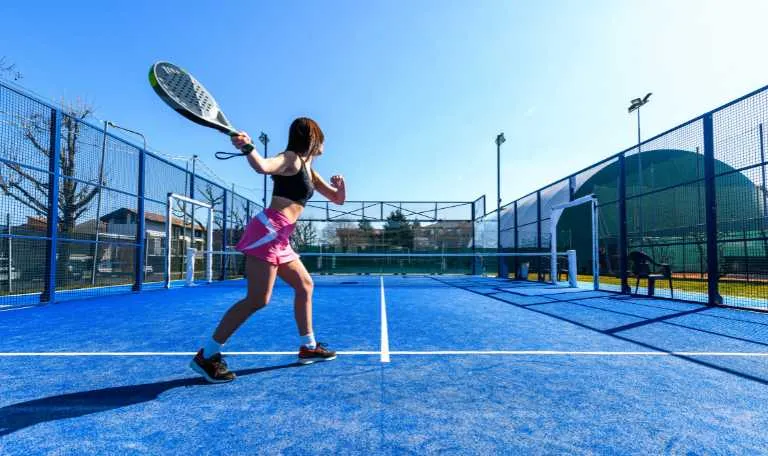
As a result of the rapidly growing demand for public sports infrastructure, padel has been recognized by governments as an affordable option. The cost-effectiveness of padel, as well as the exceptionally high usage rates associated with this sport, allows governments to consider padel as a practical means of meeting the ever-increasing demand for public sports facilities.
Public sports authorities also focus on maximizing the participation level of a sport per square meter of space. Padel courts provide high return on investment, accommodate multiple players in smaller spaces, and facilitate community connection aligned with modern urban planning methods.
Social and Health Benefits of Padel

Inclusive Participation Across Ages
National Sport Organizations are appreciative of the inclusiveness of Padel. It is a sport that can be played by youth, working-age adults, and older adults without massive time commitments for training. The large demographic of players that participate in Padel helps facilitate programs to improve health outcomes and create social unity in communities.
Regular physical activity is sustained through fun and accessible ways to participate in the sport. Government agencies view investment in Padel as a way to decrease health care costs over the long term and encourage individuals to lead an active lifestyle.
Government Support for Padel Infrastructure
Public–Private Development Models
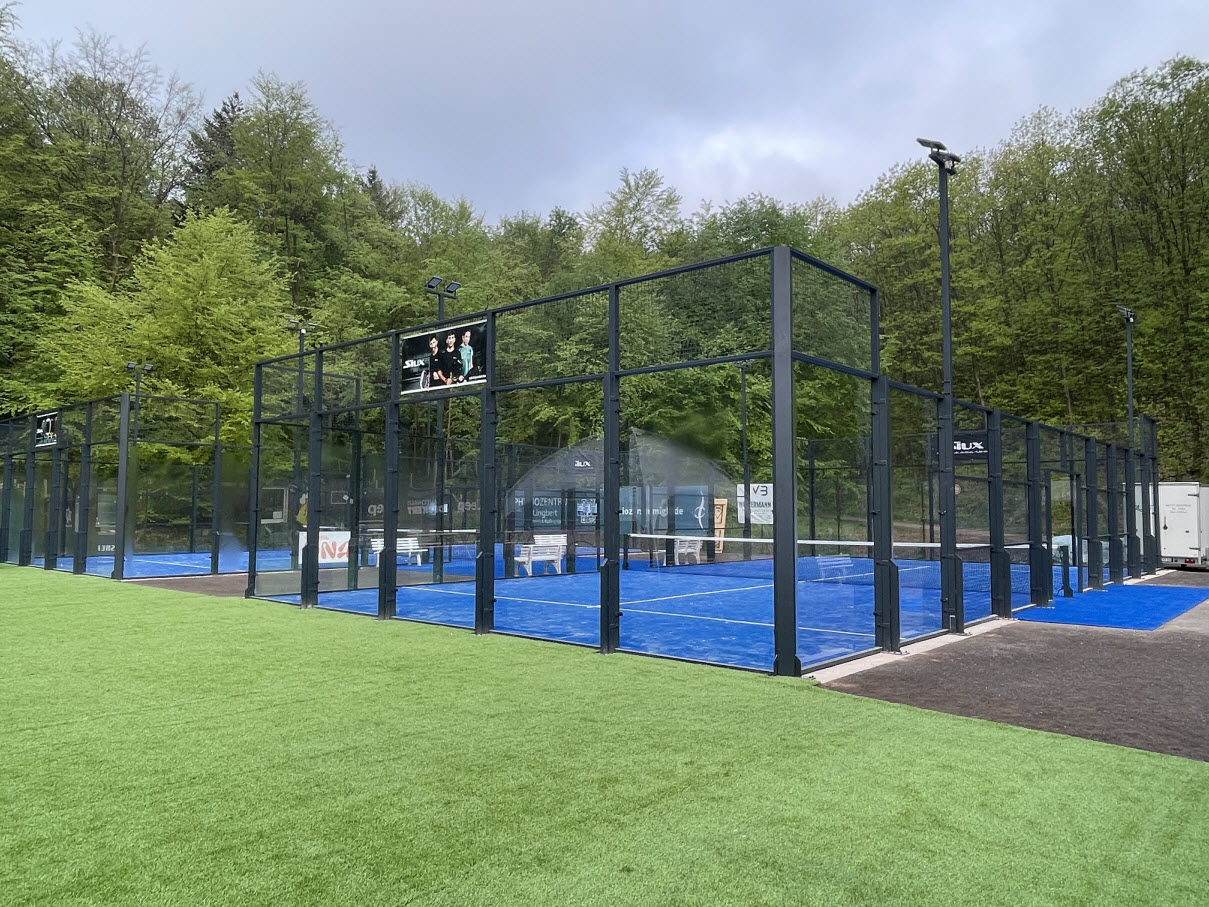
Municipalities are creating more Padel facilities by using municipal funds to build public Padel facilities shared across communities. Sports ministries are forming partnerships with private entities to develop and invest in Padel.
The need for Padel facilities continues to grow globally due to increasing participation, affordability, and urban compatibility.
Urban Development and Padel Integration
Smart City and Real Estate Alignment
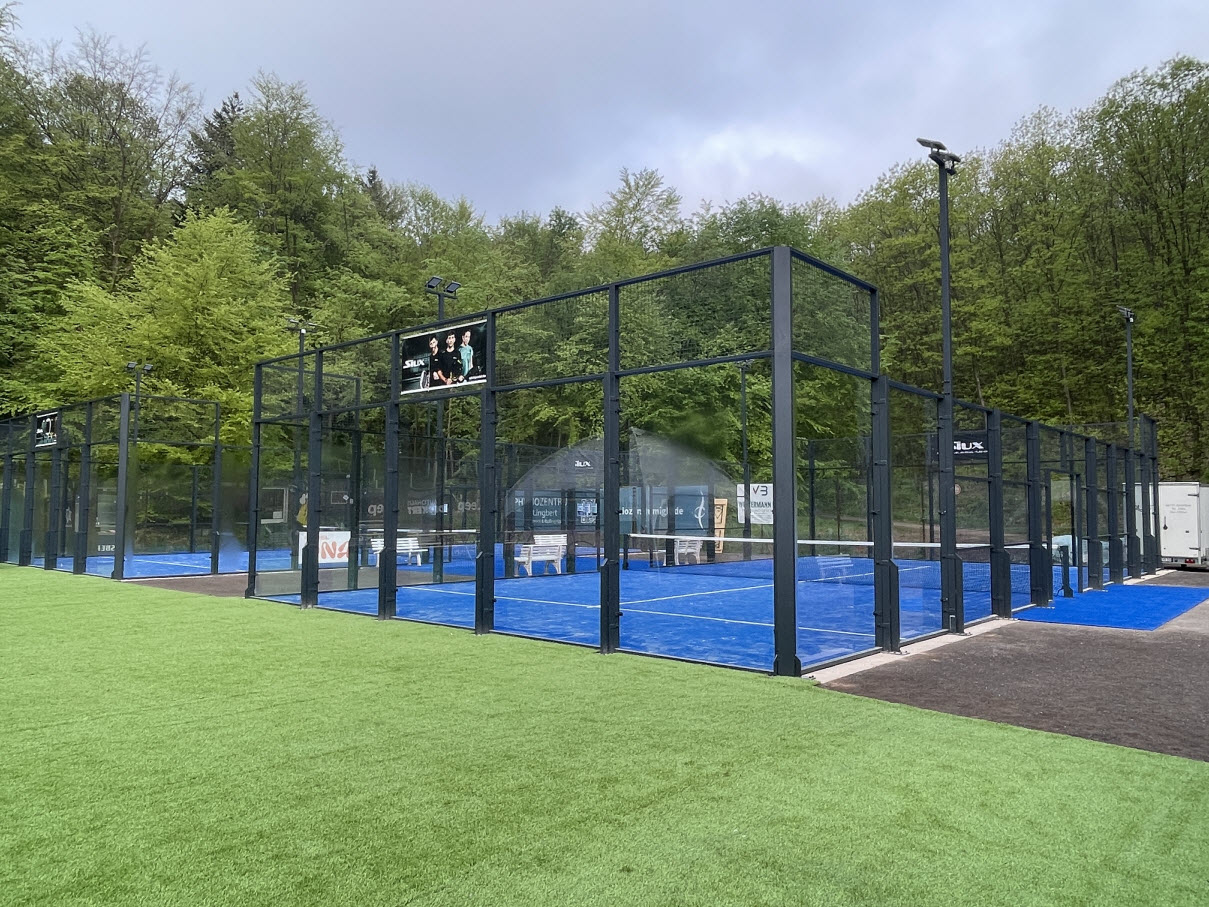
Urban development trends are shifting toward sports that fit compact spaces, and Padel matches this requirement perfectly. Padel’s enclosed structure and low noise profile support Smart City Planning and faster approval by local authorities.
Benefits of Urban Development
-
Lower space and cost compared to tennis courts.
-
Quicker build time and less upkeep.
-
Simple integration with existing infrastructure.
Padel as the World’s Most Rapidly Growing Sport
Investment, Visibility, and Demand
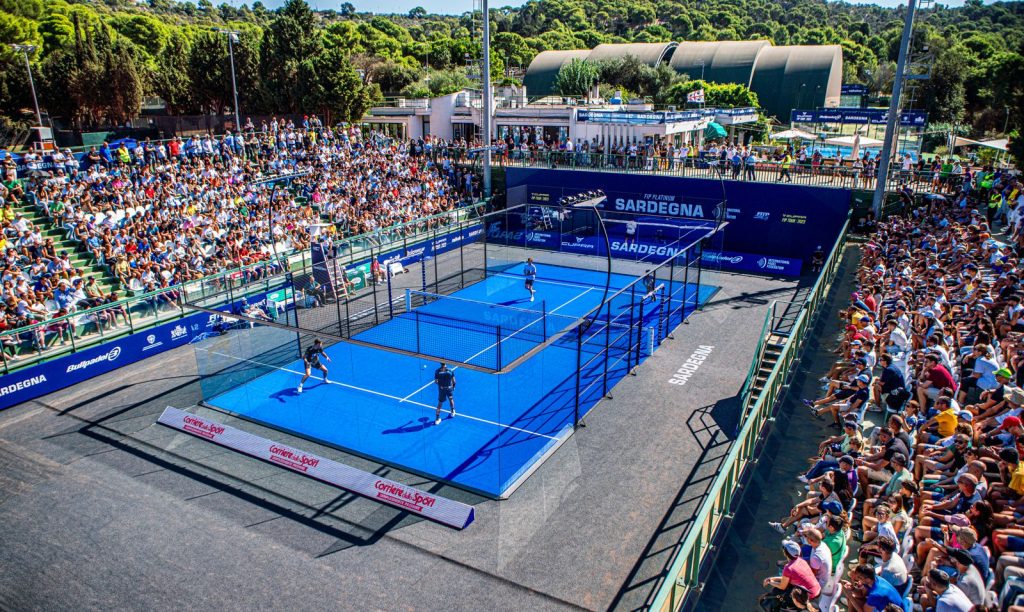
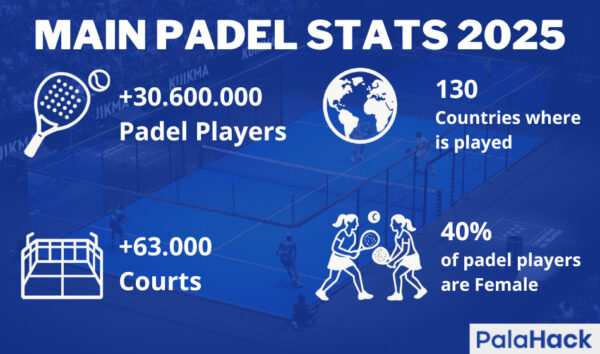
Padel is currently one of the fastest growing sports on a global level. The number of courts, players, and professional opportunities continues to expand, driven primarily by strong recreational demand rather than elite-level pressure.
Europe as the Global Leader in Padel Growth
Infrastructure, Culture, and Policy
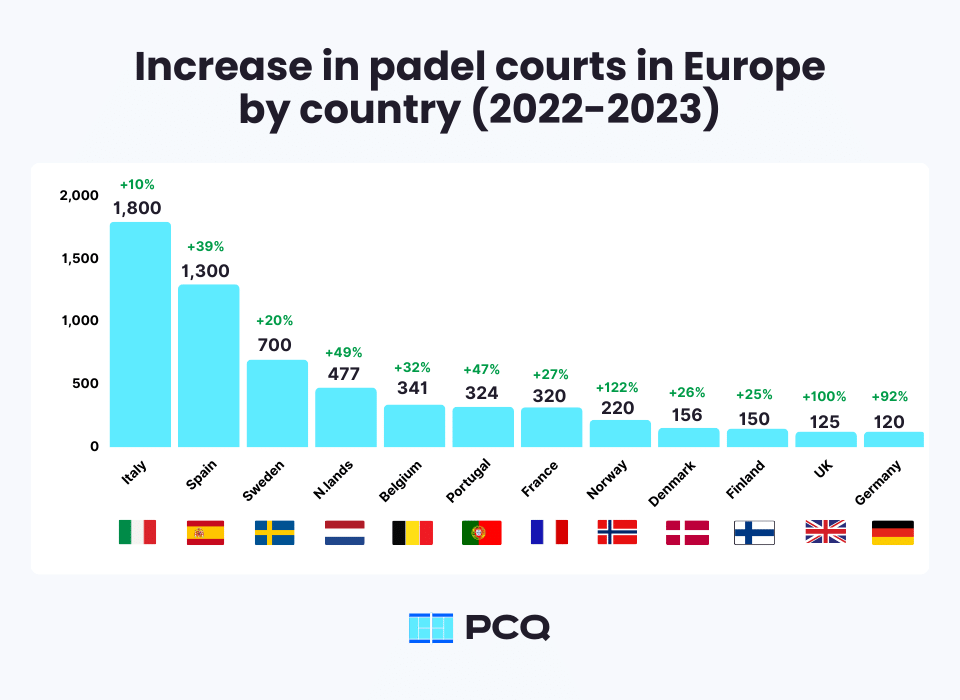
Europe leads global Padel expansion, with Spain at the center of Padel culture. Italy, France, Denmark, and Finland continue to grow through municipal investment and private clubs, including indoor facilities in colder climates.
Growth is supported by governed competition through organizations like the International Padel Federation and scalable private franchise models.
Reasons for European Market Leadership
-
Strong club support for regular participation.
-
Local government funding for public courts.
-
Compact sport infrastructure policies.
Expansion of Padel Across Asia and Emerging Markets
Early Adoption and Urban Focus
Early adoption trends include:
-
Initial expansion in private clubs before public facilities.
-
Coaching programs focused on quick player readiness.
-
Support from equipment companies such as Wilson.
The Role of Private Investors and Sports Entrepreneurs in Padel’s Growth
Private investors are playing a major role in the growth of padel. They are providing financial support to clubs, franchises, and regional leagues in virtually every continent. They allow clubs to rely less on the government to finance their facilities and to allow clubs to build facilities in cities with vastly greater demand for courts than what is available.
Gridlock usually hampers the growth of clubhouse facilities in traditional sports, however, padel clubs do not suffer from this issue because of their high level of occupancy and the consistency of membership income. This allows real estate companies and entrepreneurs to seek out scalable models for their expansion, rather than static stay-at-home clubs.
Structured Governance and Investment Alignment
The International Padel Federation is working with major financial institutions and club owners to create the standards for global padel facilities.
The combination of all of these activities creates trustworthiness, encourages more events to occur in a professional industry, and gives comfort to the investor that the strong growth of the sport of padel is due to an organized, structured, and long-term strategy.
Community and Regional Expansion Through Private Capital
Additional support through private capital also goes toward coaching academies, junior programs, and tournaments being held. These programs provide a more active use of the facilities than simple recreational use, which results in transforming padel clubs into comprehensive sport facilities with an increased community and commercial interest.
Since there is now much competition for finding premier locations, investors fund the development of padel in secondary cities. With the growth of the sport in these cities, there will be a greater chance of participation by the wider national community and to have balanced infrastructure goals.
Television Exposure and Professional Padel Tour
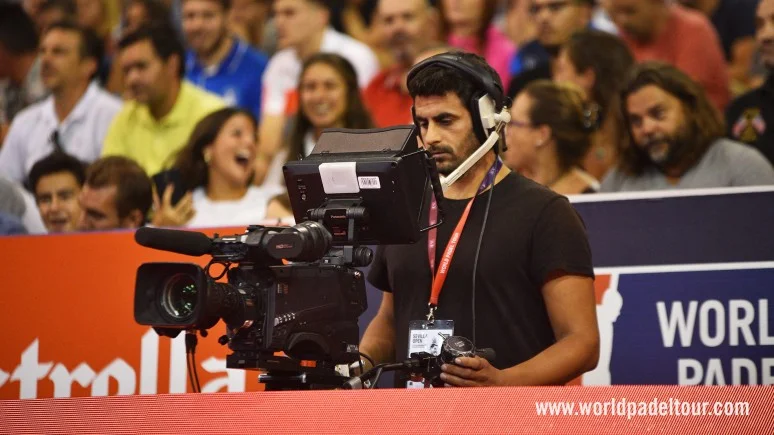
Professional padel tours have provided the framework for developing the narrative and having recognizable, professional athlete image identities. Regular events assist fans in understanding rankings, creating rivalries, and following progression through the rankings, creating more emotion connected with the sport.
Growth of the Professional Padel Tour
Professional Padel Tours through the International Padel Federation provide a degree of structure and visibility to the sport of padel through a professional format and a professional club system.
The growth of coverage across geographies means that the presentation and audience reach of Professional Padel are starting to look similar to what other more established global sports have established.
Athlete Visibility and Credibility
The entry of well-known athletes into the realm of Padel gives the sport recognition from established sports fans. This illustrates that Padel is not only recreational but also competitive and professional and thus a sport that can be engaged with long-term.
The exposure creates opportunities for new marketing channels reducing the difficulty of obtaining initial players to Padel. As athletes continue promoting the sport, there is a level of grass-roots promotion that is happening, which can’t be produced with money.
The Role of Equipment Brands in Driving the Adoption of Padel
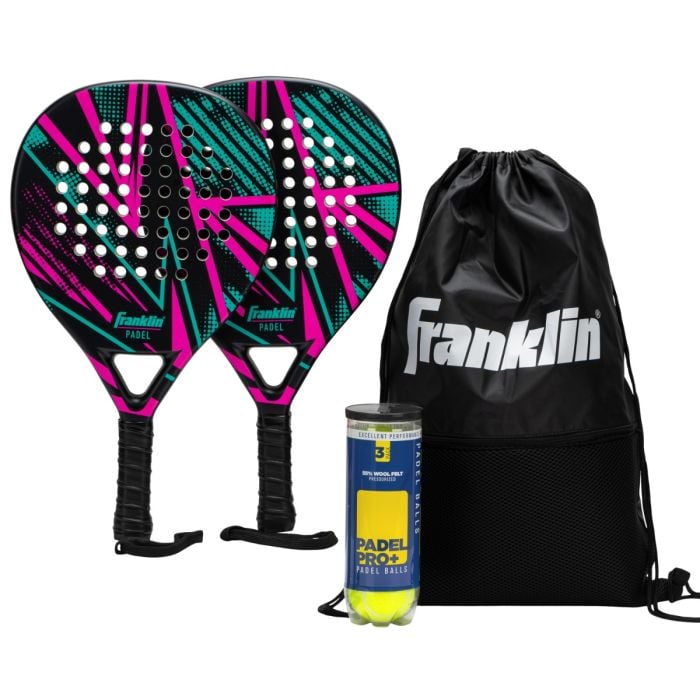
Sports equipment brands globally are supporting the growth of Padel through investment in products and through marketing, making the sport legitimate.
Corporate sponsorship of Padel equipment is also very important to the continued support of this sport. Padel is unwaveringly supported by companies such as Adidas, Head, and Wilson, assuring clubs and national federations of continued support from the industry for years to come.
Access to Padel Equipment
By providing low-cost entry-level equipment for new players is one way that the industry provides access to Padel for more people.
-
Demo programs
-
Club partnerships
Grassroots Programs and Social Participation
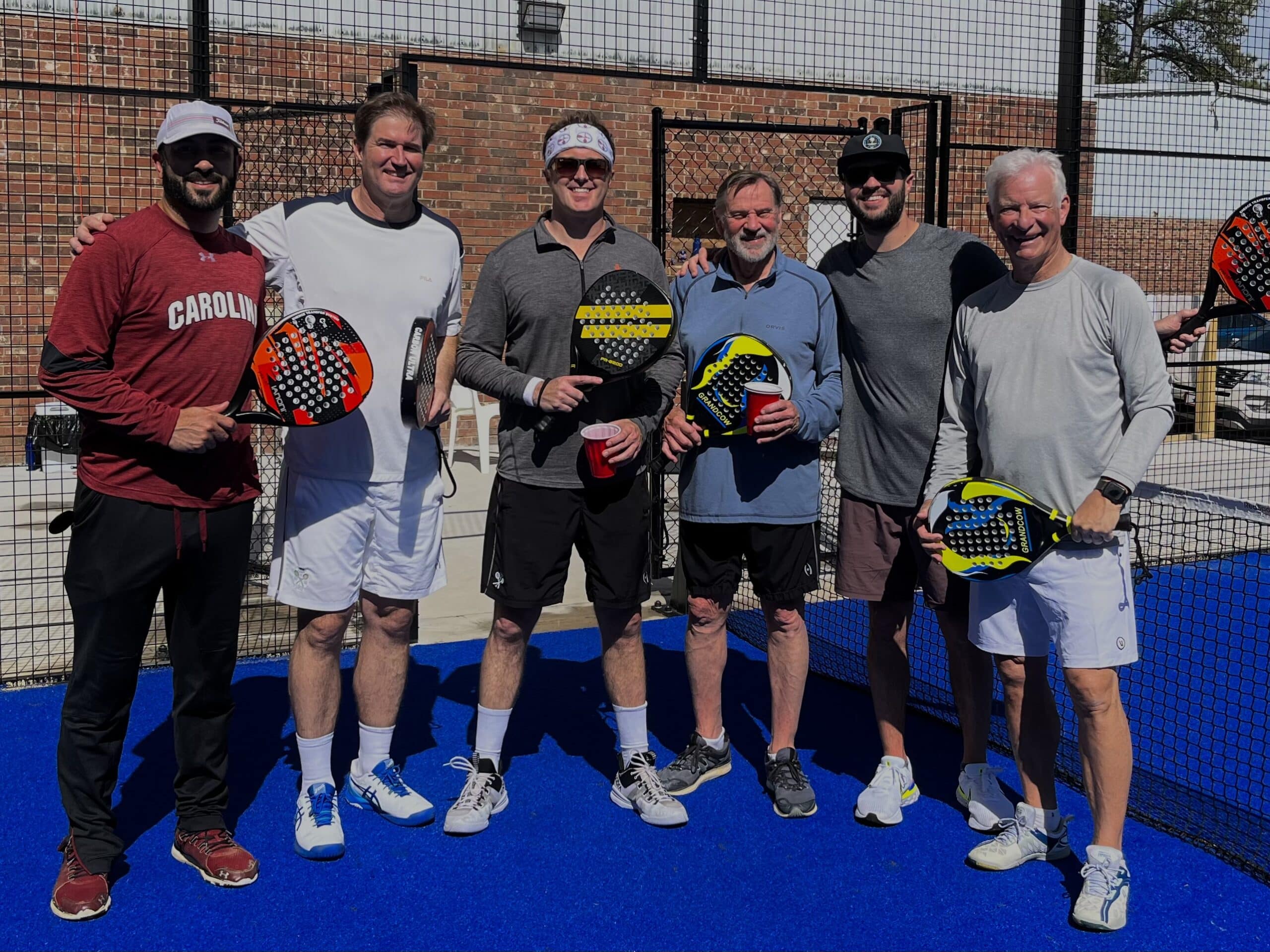
Through the establishment of social leagues, mixed-gender sessions, and beginner nights, local clubs have successfully created an inclusive environment in Padel.
This has eliminated intimidation factors related to learning Padel and provided much greater participation at least once a week; thus, making Padel part of a player’s routine social life as opposed to an on-off activity.
Grassroots Program Development
With the developing of grass root programs supported by local clubs, municipal councils, and the International Padel Federation, a great deal of localised identity is created.
Standardised formats for grassroots program development have facilitated adoption in communities that previously lacked competitive systems and talent pathways.
Social Connection and Growth of Padel Participation
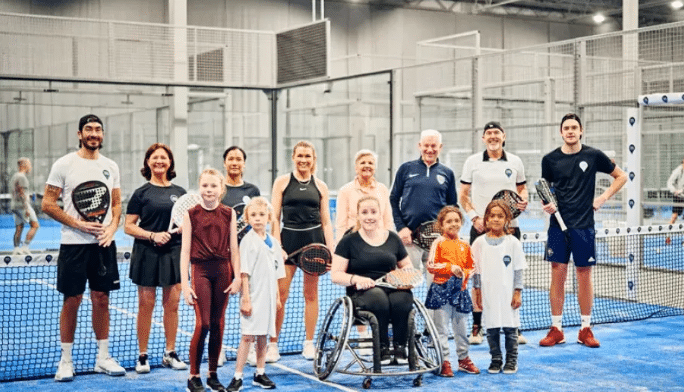
Regular participation in social events greatly increases the chances of maintaining friendships as Padel players create social connections through fitness and exercise.
The combination of social connectivity retains more membership in clubs and enables members to continue playing Padel regularly throughout each week, including weekends.
It is through this community-based structure that Padel progresses rapidly into fresh communities after the establishment of initial courts.