
Despite its global appeal and player base, squash’s hopes of being included in the Olympic Games have not been realized.
The many unsuccessful attempts to have squash included in the Olympic Games over many decades have robbed squash players from competing on the world’s largest stage. The players who have fought to have squash recognized as an Olympic sport view it as an international sporting organization and have supported its recognition as a legitimate sport.
The History of Olympic Bids and Failure to be Included
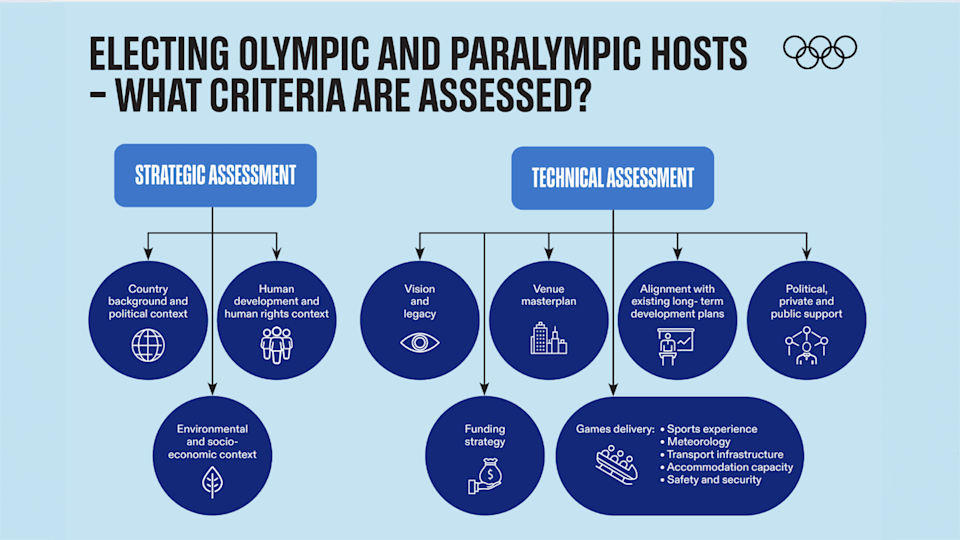
The bids to be included in the Olympics began in the late 1990s and early 2000s and saw several nearly successful attempts to gain Olympic recognition for squash.
Legacy of Persistence and Readiness
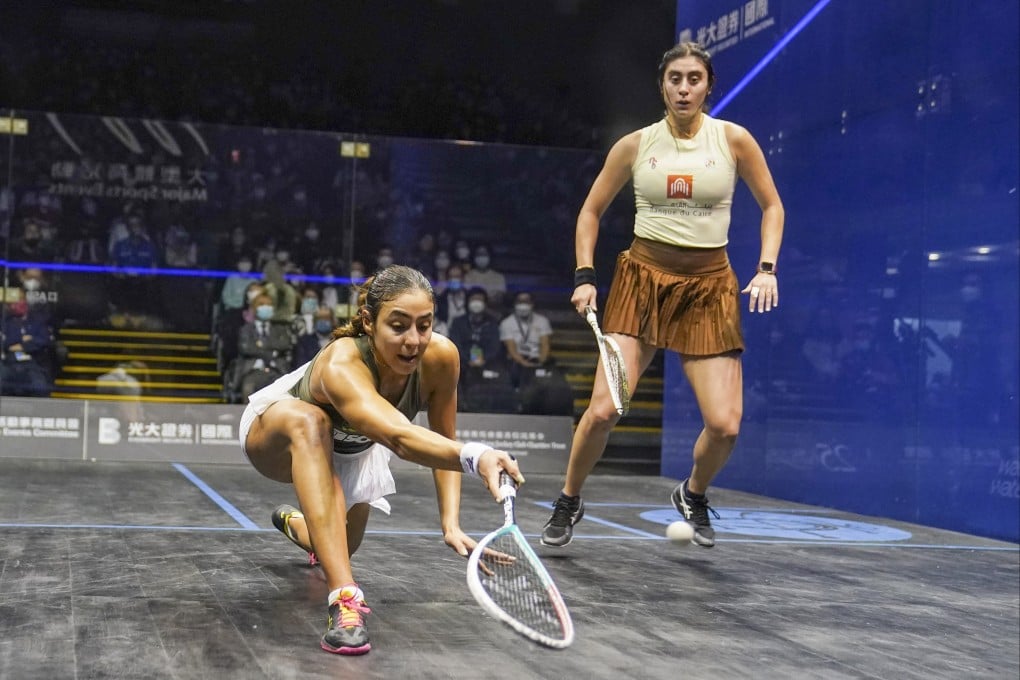
Although all of the above campaign proposals were unsuccessful until now, they have enabled Squash to build a strong base of International Support and proven that Squash is ready for high-level participation in a competitive setting.
All of these foundations were laid in anticipation of the upcoming inclusion of Squash in the Scheduled Olympic Games in Los Angeles in 2028.
Athletic Impact and International Excitement
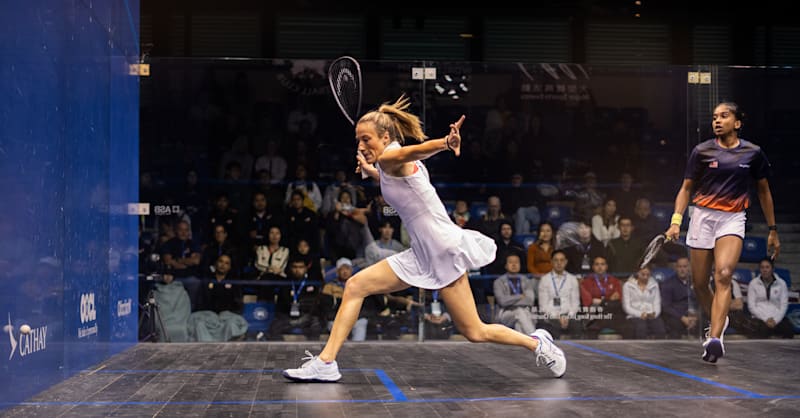
The introduction of Olympic squash at LA28 will introduce elite athletes representing all areas of the globe, providing greater media attention and competitive legitimacy that is not typically achieved in current professional squash settings.
The inclusion of Olympic squash has generated excitement for national programmes on a global basis and has re-established and renewed interest in squash as an Olympic sport on all continents.
Olympic Qualification Structure and Competitive Parity

While LA28 is a huge milestone for the squash community and all of its supporters, the reduction of draw size creates a difficult situation for some federations attempting to navigate this new environment.
Although Olympic Qualification Systems are smaller than an International Sports Federation’s Programme, Olympic Qualification Systems consider Geographic Diversity and encourage Diverse Participation and Global Recognition.
Governance Reforms and Alignment with Olympic Priorities

The World Squash Federation has changed its approach from committing to repeated bids towards establishing Long Term Structural Readiness.
Governance Reforms focused on Transparency, Gender Equality, and Geographic Representation at the International Level have strengthened Squash’s Olympic alignment.
Compact Venue, Equal Opportunities to Win Medals, and Engaging Young People were Critical Areas of Focus in creating a framework to demonstrate Squash as a Compatible Sport with Cities Hosting the Olympic Games.
Impact on Development Funding and National Programmes

Due to its Olympic Inclusion, the funding landscape has Changed Drastically for Squash at the National and Regional Level.
Governments and Sports Ministries typically Fund the Sports that are in the Olympic Programmes, so the Immediate Effect of Squash’s New Status on Access to Public Funding has Significantly Increased.
This increased funding creates junior academies, coaching education, and exposure to international competition, allowing quicker development pathways for emerging squash nations.
Professional Tours and the Global Competitive Landscape

Following the Olympic announcement, the Professional Squash Association tour has evolved rapidly to operate under a more comprehensive long-term strategic plan.
Elite players are beginning to create their schedules for ranking stability and international exposure, placing greater emphasis on injury management, consistency, and timing peak performance within Olympic cycles.
Countries that dominate the global landscape, such as Egypt, will continue to shape global standards through structured training models and deep talent pools.
Repositioning Squash in Global Rankings

Due to increased media exposure, squash has a direct effect on how people perceive squash on a global level.
Squash’s increased global visibility will not only affect the level of participation but also cultural and commercial impact in relation to the overall sports ecosystem.
The evolution of Squash in Global Sports Rankings
The influence of the Olympics has created a greater focus on how globally ranked sports are ranked.
As such, as a result of squash receiving Olympic status, it has now provided increased levels of credibility in the eyes of international sporting bodies, national Olympic committees, and analysts of performance, who use the Olympic status as one of the criteria when determining the significance of the global sports market and competitiveness of the sport.
Historically, squash ranked very high in terms of athlete participation and athletic demand but ranked poorly in regard to the visibility from institutions.
Therefore, with squash receiving Olympic alignment, that imbalance has been rectified, thereby allowing squash to be viewed as an equal alongside established disciplines in relation to the examination of funding, media attention, and institutional/global influence.
The Role of Institutional Recognition

Global sports hierarchies are designed by influential bodies such as the International Olympic Committee.
The emergence of squash as an Olympic sport bolsters squash’s position in various multi-sport rankings (seen by governments and governing bodies of sports).
As the time period between various Olympic Games progresses, squash continues to solidify its position as an athletic ranking system that demonstrates stability and security through consistent exposure, standardized competition, and universal qualification processes.
Squash has also grown exponentially over time.
The growth of international various sports evaluation systems for the Olympic Games has witnessed significant and continued success.
Athlete Motivation and National Representation
When squash athletes compete for an opportunity to be Olympic participants, they have a greater sense of purpose and national pride.
This gives squash athletes significant motivation for participation, and for many emerging and experienced athletes, creates an overall feeling of accomplishment both in their respective sport and for the nation they represent.
Athletes now enjoy a much larger institutional support network, including having access to Olympic training facilities, sports science resources, and funds to support performance endeavors.
Through this additional support, athletes prepare at a higher standard and enjoy extended professional careers within the sport.
Media Evolution and Audience Engagement
As audiences become more dynamic in their ability to consume sporting events, they will be seeking more dynamic storytelling, as well as more ease of viewing.
The structure of the squash game can be portrayed effectively through all televised and streamed formats – especially when assisted by high-quality commentary and data overlays.
The growth of squash through media partnerships is aided by broadcasters’ use of multi-sport programming and the Olympic scheduling.
With the increase in multi-sport programming on television, the cross-promotion benefits squash by exposing it to viewers that may not have previously engaged with the sport regularly.
As squash gains more visibility, it will continue to draw new fans and sponsors, as well as amplify the engagement that has been created through social media, live events and grassroots engagement.
Facility Investment and Modernisation

Countries with visions for improving their international rankings see the need to invest in squash courts and multi-sport facilities as strategic resources, rather than niche facilities.
This has led to an increase in funding for modern facilities and multi-sport structures that facilitate the growth of squash and increase participation.
Traditional squash courts have undergone redevelopment to better facilitate broadcasting and spectator experiences.
Glass courts, quality lighting and modular court configurations help to improve the spectator experience and viewability to meet the current Olympic presentation expectations.
Integrated Urban / Multi-Use Facilities
The World Squash Federation promotes an integrated approach to squash facilities by combining them with fitness centres, schools and urban sport venues.
This maximises the amount of use of squash facilities and increases the likelihood of participation growth over the long term.
Squash’s Recognition and Integration into Education Systems

Due to the Olympic recognition of squash, squash is now recognised as a sport in school systems around the globe.
Squash is being viewed as a credible sport to compete at in school, given the rules that are in place, the relatively small area of floor space required, and the established pathway to progress to international competition.
Because of these benefits, many educational institutions now see squash as a sport that provides a balance between fitness, strategy, and the potential for lifelong participation.
Each of these elements aligns well with the current objectives of physical education, which are to develop the whole person rather than just one skill.
Developing a Pipeline to International Competitions
School-Based Programs and Youth Exposure
Squash integration into the school system helps build a stronger national pipeline for identifying squash talent at an early age.
As the pathway to international squash competition and the number of people participating in squash continues to grow, the depth of participation increases and will thereby provide better representation for a country in international squash competitions and higher overall rankings in the competitive world.
Advancements in Sports Science and Athlete Performance Enhancement
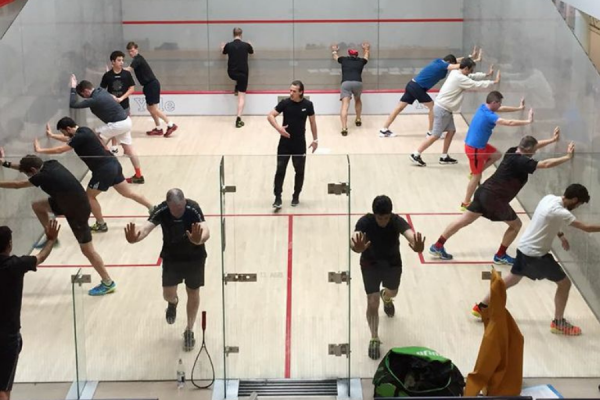
Technology and Performance Data
Organizations such as Technogym have developed training facilities that offer a combination of performance tracking and recovery technology to improve training environments.
A scientific approach to preparation allows athletes to be better prepared for Olympic or international competition by providing a comprehensive view of performance data.
Competitive Edge and Rankings
Performance optimization leads to improved performance results.
As more countries utilize scientific methods of training, the level of competition between nations will continue to increase and, in turn, continue to drive improvements in performance and create new dynamics in the global ranking system.
Global Identity and Cultural Recognition

The addition of squash to the Olympic game has transformed the cultural identity of squash from a niche sport to a sport recognized around the world as a competitive discipline.
Therefore, there is an increasing number of ways that the media, institutions and the general public perceive how squash fits into the overall landscape of international sport.
Culturally recognized sports create an emotional bond between athletes and fans.
By representing a nation in the Olympic games, squash has a higher level of symbolic value and pride and visibility in many parts of the world.
Gender Equity and Women’s Squash Development
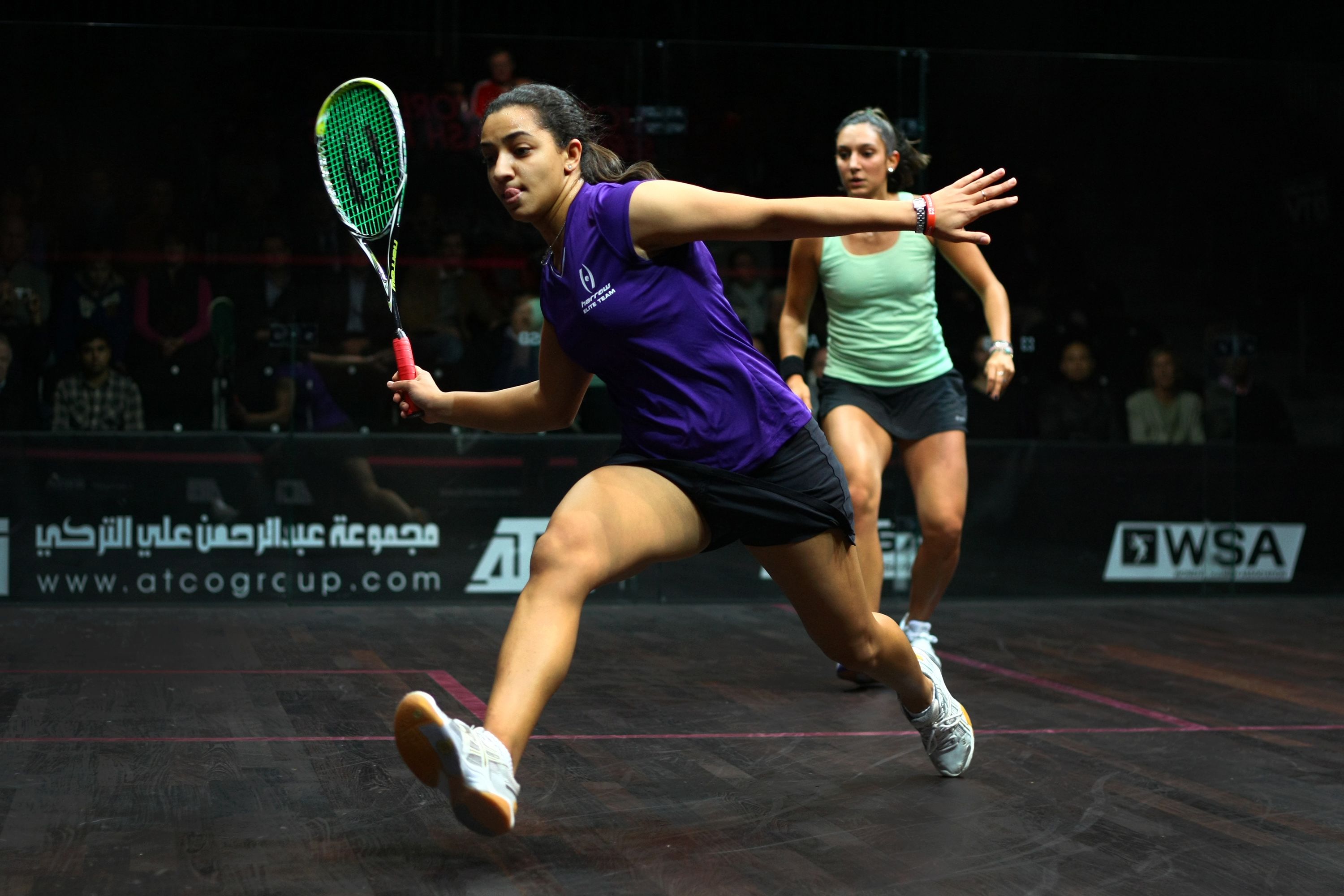
The introduction of Women’s Squash as an Olympic sport has allowed national societies to promote gender equity in their sports development initiatives.
Women have equal opportunities to earn both cash prizes and Olympic medals at the highest level of competition and will enjoy equal representation among Elite Athletes and Grassroots Athletes at the national level.
As national governing bodies begin to make investments in Women’s Squash as part of their Olympic Qualification process, they will also have to provide their Athletes with opportunities to develop through the establishment of a female and male infrastructure.
The presence of Female Elite Squash Athletes on a global stage provides an enormous opportunity for increasing participation.
Commercial Growth and Brand Partnerships

Increased access to resources such as sponsorship, event hosting and facility development will create more opportunities for commercial investment in Squash.
Corporations are generally more willing to invest in sports that are recognized by the Olympic movement as an Olympic Sport.
Companies associate the Olympic brand with Globally Recognized Excellence.
Brand partnerships and expanding market share for sporting goods companies will continue with companies such as Dunlop and Asics who are beginning to broaden their range of squash products and use Olympic games to introduce their products to a larger segment of the public.
Stable commercial support through partnerships provides federations and tours with more security to plan and organize future events.
Digital Growth and Global Fan Communities

Squash is experiencing a surge in its digital presence as a result of this Olympic opportunity.
As more followers track the progress of athletes, rankings, and tournaments online rather than at the venue, this online visibility has a large impact on increasing global visibility for squash players and the sport itself.
Elite athletes create a pathway to engage fans through their social networks by sharing their training and competition experiences through online mediums.
This direct connection between the elite athletes and the fans of squash humanizes the sport and creates strong international fan communities that exist outside national borders.
Digital engagement allows squash to remain relevant after the Olympics.
Conclusion
More financial support from institutions, improved visibility within the sporting world, and recognition as an Olympic sport have raised the profile of squash as a sport in the international sports landscape.
The successful governance and continued innovation of squash as a sport will provide squash with additional opportunities to evolve as a globally recognized sport by maintaining its rankings and changing perceptions of the sport.