For more than a decade now, there’s been a significant shift in how players view racket sports and how they participate within them both culturally and with their participation patterns.
This shift in the collective mindset towards racket sports not only exemplifies current trends in consumer behaviour, but also influences the lifestyles that people live, where they live, and how they recreate.
To understand how racket sports have become more popular, one must look at both the long history of traditional forms of racket sports and the new innovative technology-based sports.
For tennis, the sport remains very prestigious due to its professional structure and support via the ATP and WTA; however, the traditional nature of tennis now competes with more accessible formats such as padel and pickleball.
Current Status of Tennis Globally
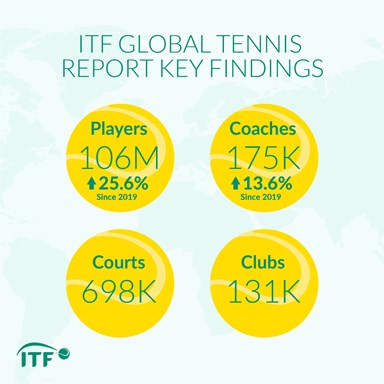
Tennis remains one of the most influential participants in the global sporting ecosystem with its strength rooted in its history over many decades of a well-structured professional environment, the availability of broadcast media and strong institutional credibility.
The combination of tournaments, tours, broadcast television, sponsorship deals and athlete branding allow tennis to be highly visible, even with the rise of new racquet sports entering the market.
Participation Trends
Recent reports of tennis participation show a picture of stability, rather than major growth.
The growth of younger people participating in tennis is slowing as other sports provide the opportunity for learning the game at a faster pace, shorter match times, and more socially oriented environments.
Institutional Support and Globalization of Padel
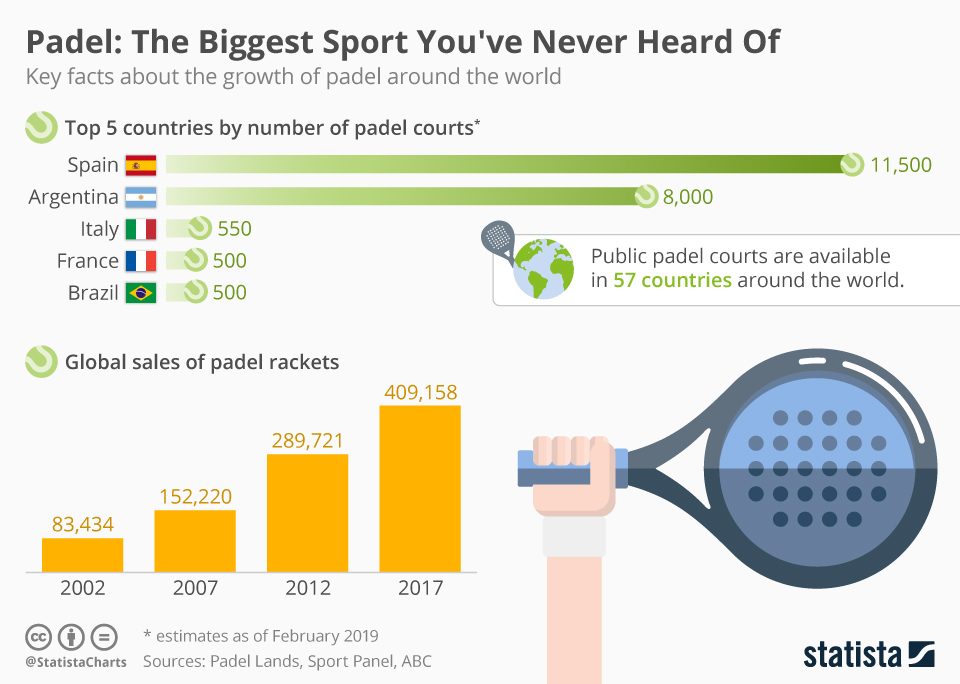
The International Padel Federation has been instrumental in providing standards for competition formats and supporting international tournaments.
Coordinated governance has enabled padel to grow beyond being a regional recreational sport into a recognized international competitive sport.
Social Appeal and Lifestyle Alignment
Padel’s emphasis on the doubles format naturally promotes social interaction.
Its alignment with urban lifestyles, wellness trends, and flexible schedule availability assists in explaining padel’s rapid growth versus other traditional racket sports throughout the world.
Squash’s Unique Position in Racket Sports
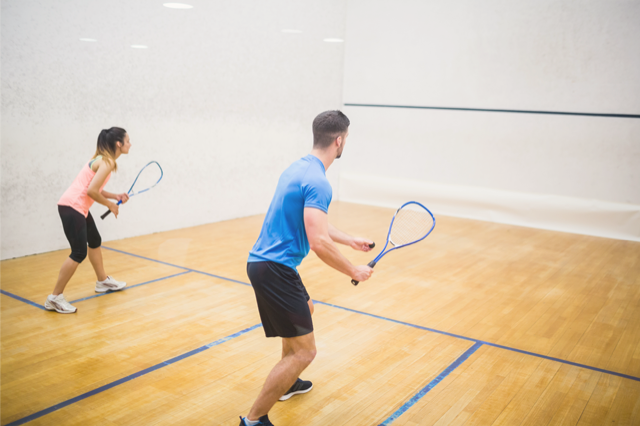
Squash continues to attract athletes desiring effective use of environment and time savings, providing opportunities for indoor urban training.
Governance and Format Evolution
The World Squash Federation has adapted competition formats to expand the attraction of squash.
Shortened match times, team-league formats, and exhibition events have been established to promote access while maintaining competitive integrity.
Economic Influence on Racket Sports Evolution
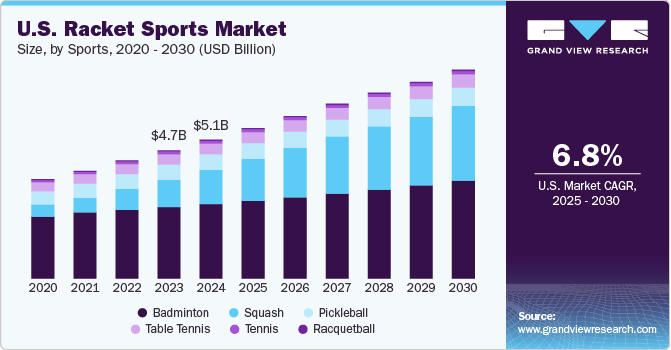
The globalization of racket sport markets is increasingly determined by economic factors.
Emerging sports offer scalable business models with lower infrastructure costs and faster onboarding of players.
Long-Term Outlook for Racket Sports
No single racket sport dominates globally; local preferences continue to shape participation patterns.
Rather than direct competition, tennis, padel, squash, and pickleball have developed distinct roles.
Organizational Adaptation
National and international governing bodies such as the World Squash Federation and ATP Tour are adjusting organisational structures to ensure continued success within today’s multi-sport environment.
Long-Term Viability and Balance Between All Racket Sports
Racket sports have survived together in the long run, and their success will depend on their multiple interdependently existing within the current world of racket sports.
These are the types of sports that can meet new lifestyle requirements, digital content consumption behaviours, and health & wellness objectives, while continuing to meet the needs established from older formats and preferred styles of play.
Professional Tournaments and Competitions Shape Participants’ Future Participation
Professional tournament structures are influential in creating participant perceptions and long-term relationships with racket sports.
Professional Tennis has had a well-established professional calendar, with Grand Slam tournaments as the key benchmarks to the sport.
This has provided a stable monetary base to support the development of $10s of millions in prize money and has helped provide a platform for increasing international visibility for the sport.
Ranking Systems and Competitive Pathways
The International Tennis Federation and ATP implement established systems to identify a ranking for participants, while providing active year-round competition and a clear success route for each participant.
This increases both the image of Tennis as an Elite High Performance Sport and the long-term viability of Tennis as a sport.
New Racket Sports and Alternative Competitive Structures
New racket sports have created new models to compete vs traditional forms of competitive play by creating events as teams, offering shorter formats of competition, and creating an environment that encourages enjoyment of the sports.
Padel and Pickleball, for example, can attract different new audiences that have not had the opportunity to experience the traditional structures associated with Tennis.
Accessibility for Amateur and Recreational Players
As a result, a competitive amateur player can now earn greater access to participation opportunities.
The Effects of Competition Format on Audience Growth
This will affect how racket sports attract fans and the number of participants that participate in racket sports worldwide.
Equipment Development and Brand Influence
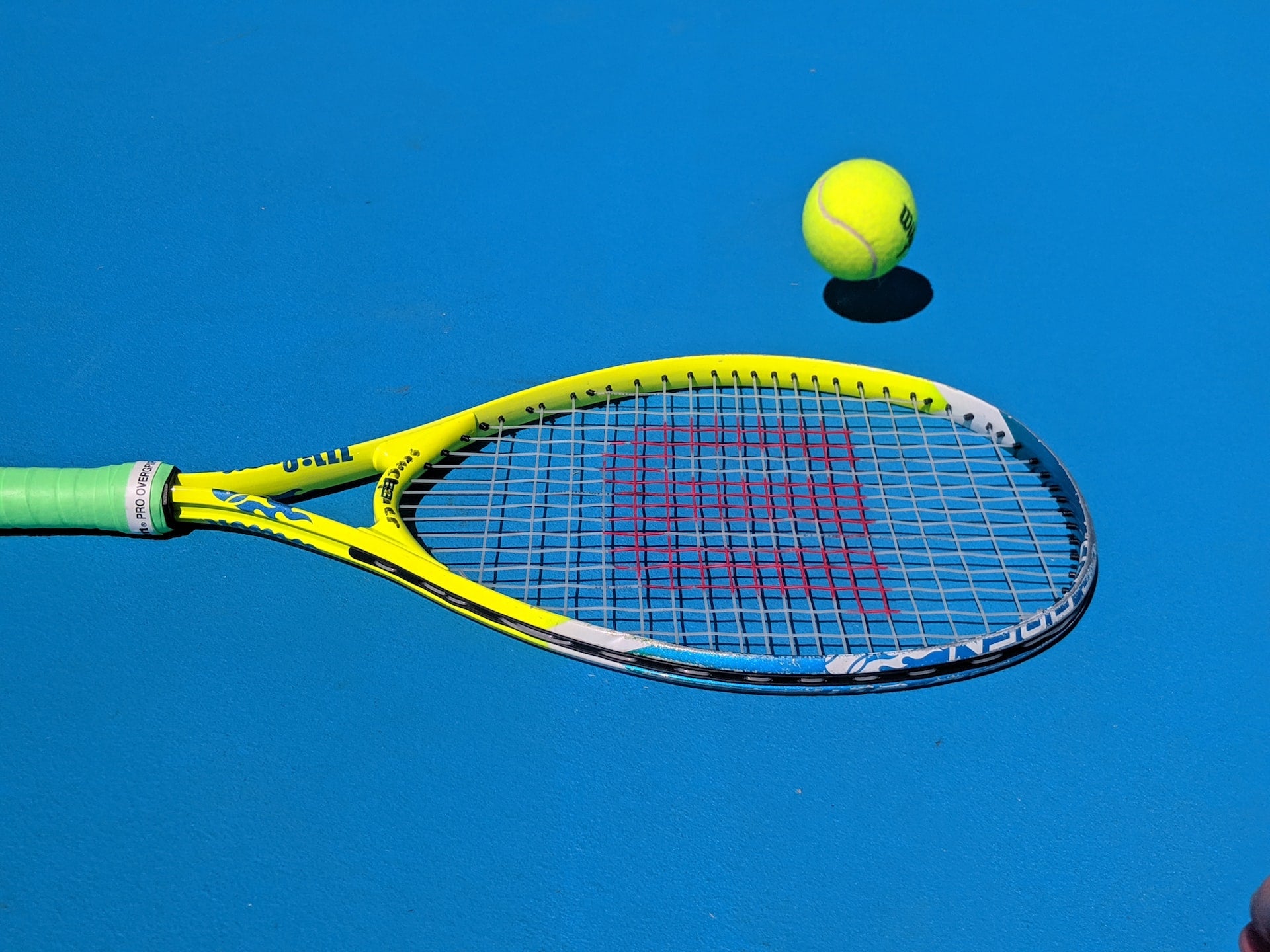
The way that racket sports equipment is being developed is changing due to the changing preferences of the consumers, including tennis.
The initial focus of tennis equipment continues to be to provide players with the best opportunity to perform at the highest level through the use of the newest racquets and shoes, specifically for speed, control, and durability while playing at elite level.
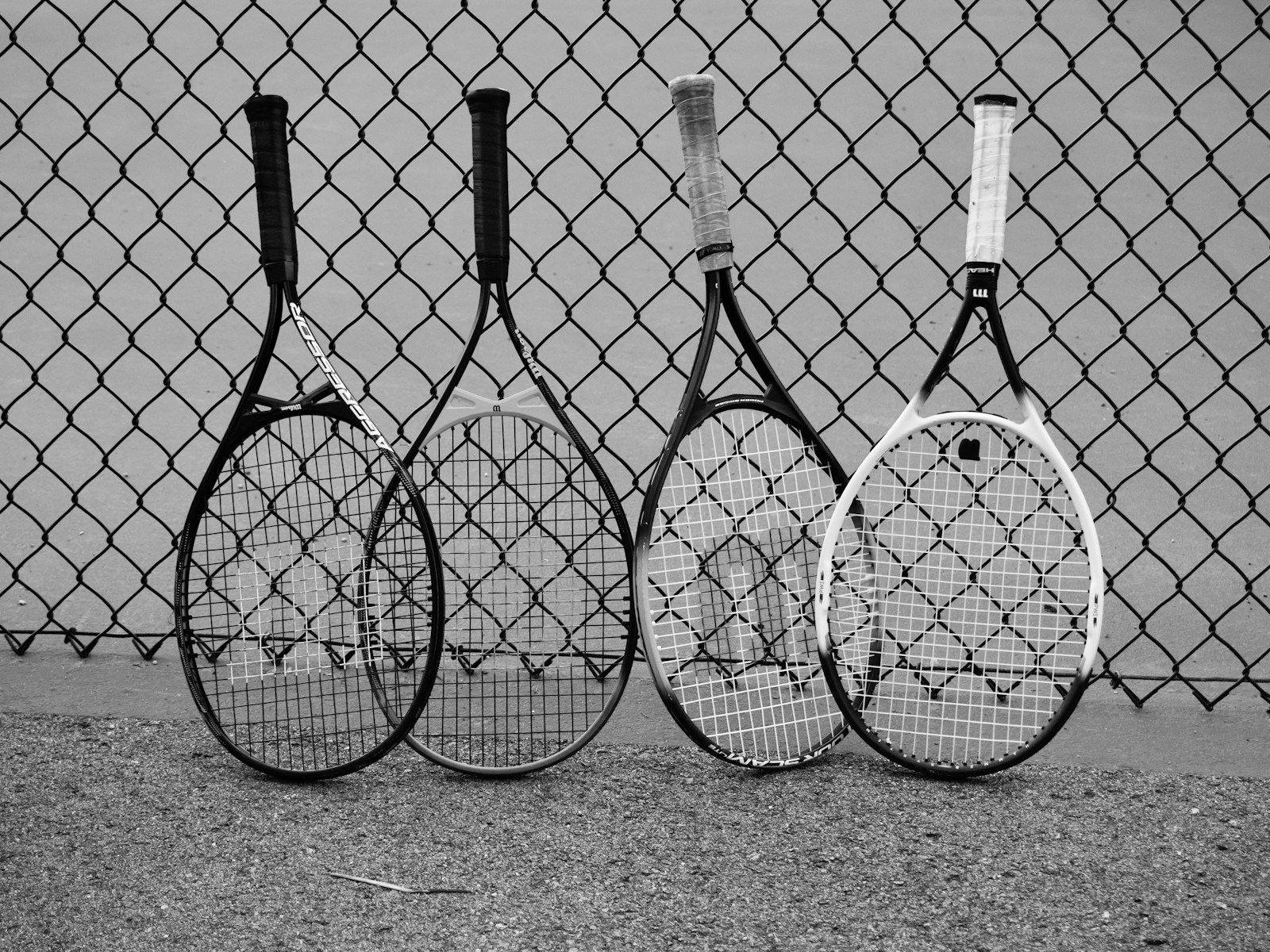
Major tennis manufacturers continue to invest significantly in tennis technology, including Wilson and Babolat.
However, the types of innovation being created primarily apply to more advanced players rather than entry-level players, thereby perpetuating the technical image that tennis maintains.
Equipment Philosophy in Emerging Sports
Newly emerging racket sports have introduced a completely different equipment philosophy.
Equipment for padel and pickleball is focused on being comfortable, easy to use, and affordable, making it easier for recreational level players to enter into these sports and facilitating more rapid market penetration.
Brands Creating Multi-Sport Product Lines
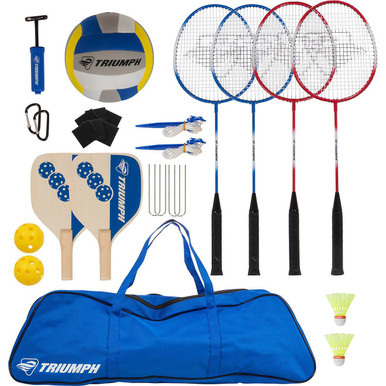
Global brands are increasingly creating product lines that range across sports segments.
Examples are HEAD, which has introduced a variety of offerings in the tennis, padel and pickleball markets, and which demonstrates both the ability to be diversified and mitigates the potential risk inherent in strategy.
Sponsorship Structures and Revenue Models
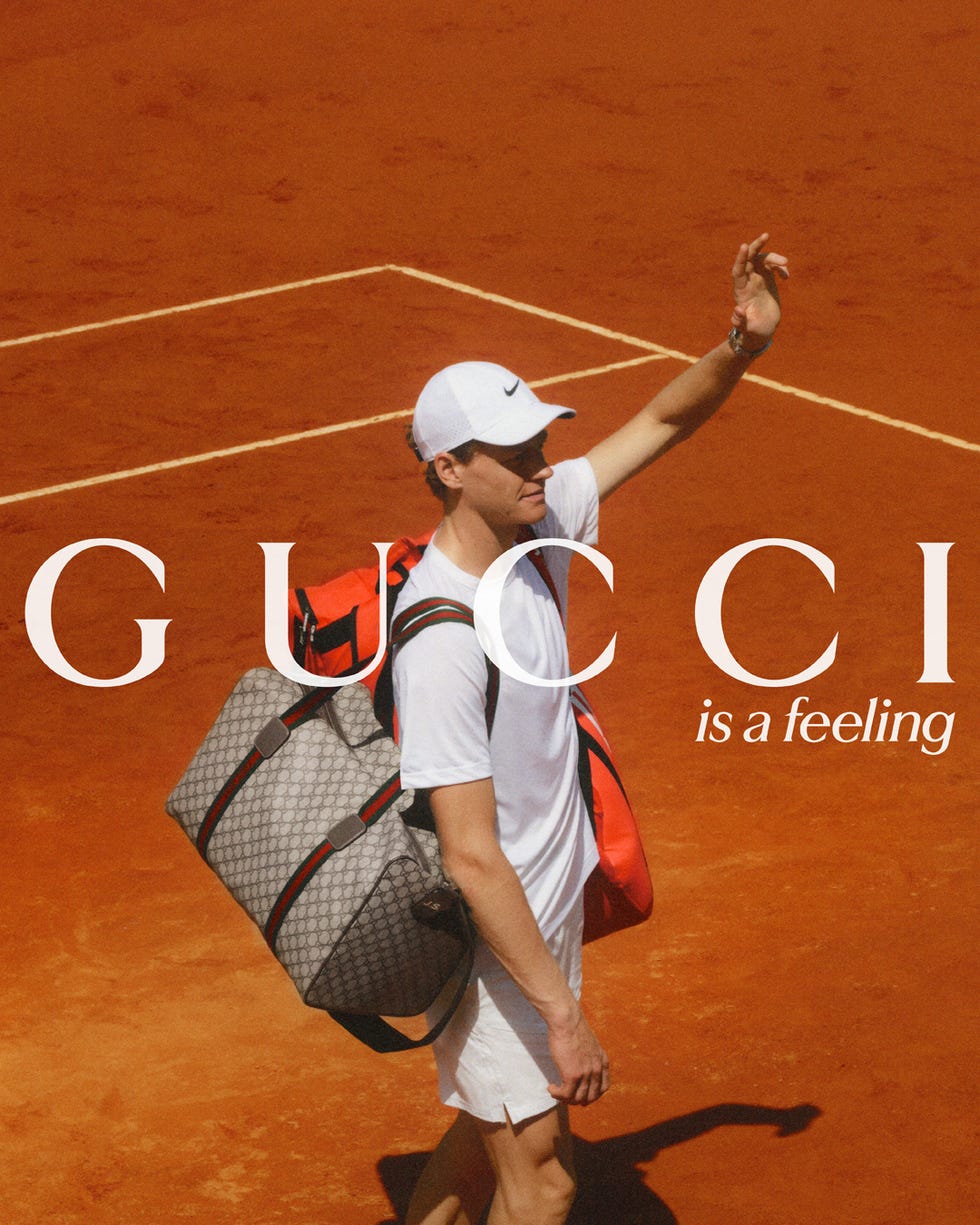
There is a significant difference in how sponsorship structures for traditional racket sports differ from the growing popularity of emerging racket sports.
Tennis has always been, and will continue to be, an attractive sport for global sponsors due to its association with premium event sponsorships, international broadcast profiles and the long-standing association that tennis has with luxury and performance brands.
Corporate sponsors continue to partner with tennis stars for global reach.
However, this sponsorship model continues to primarily be focused on the elite players within the sport.
Community-Oriented Sponsorship Models
Newer Racket Sports are being launched with a broader-based approach to the market.
Padel & Pickleball draw plenty of sponsors interested in engaging local communities for frequent activity and consistent local exposure instead of sporadic, large-scale exposure worldwide.
Public Perception, Social Identity, and Inclusion
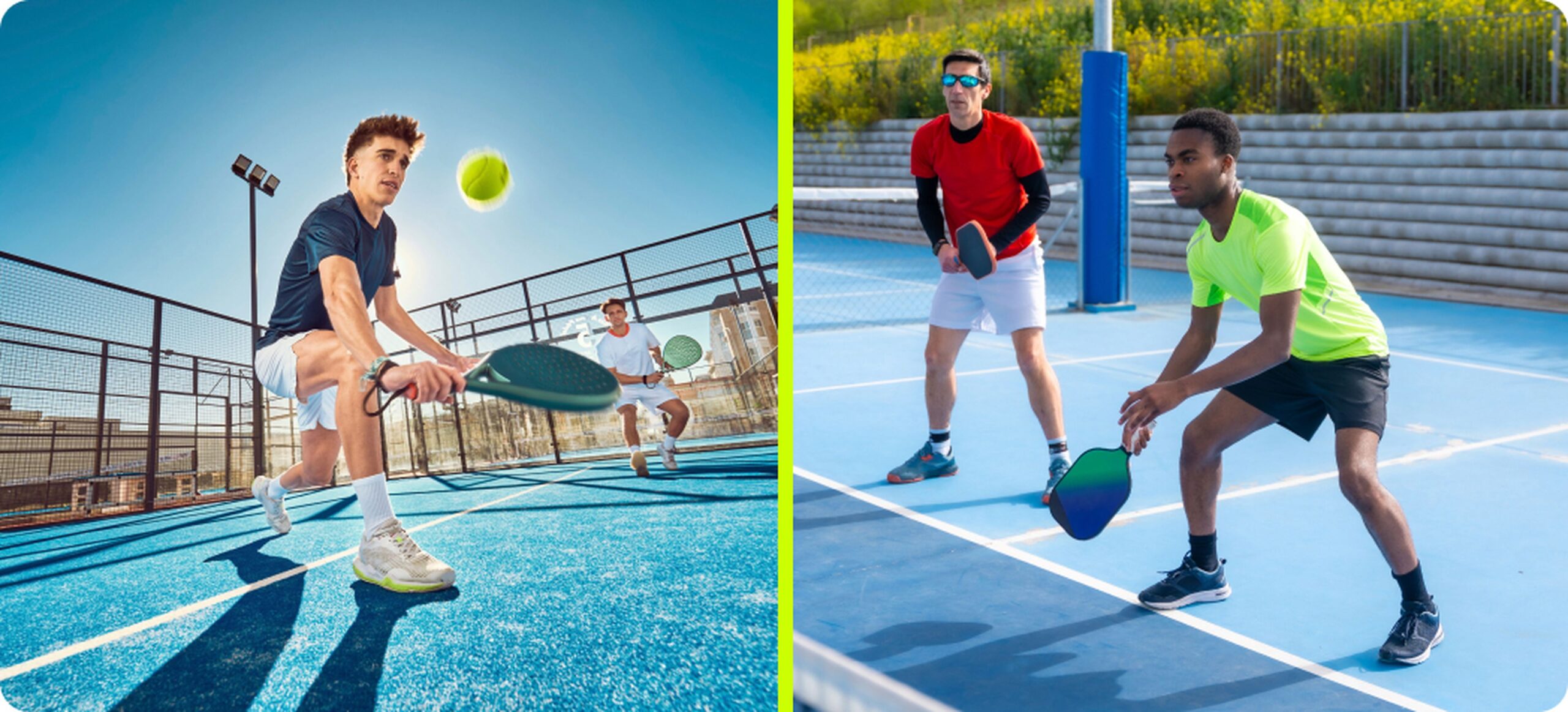
Increasingly, the public determines which athletic activities thrive in today’s society.
Generally speaking, Tennis is viewed as being high-status and aspirational, but it imposes demands on players to commit substantial amounts of both time and money.
Due to their more relaxed social identity, players who participate in Padel and Pickleball are more likely to be attracted to the idea of enjoying shared experiences in community rather than experiencing individual competition.
Governance, Flexibility, and Policy
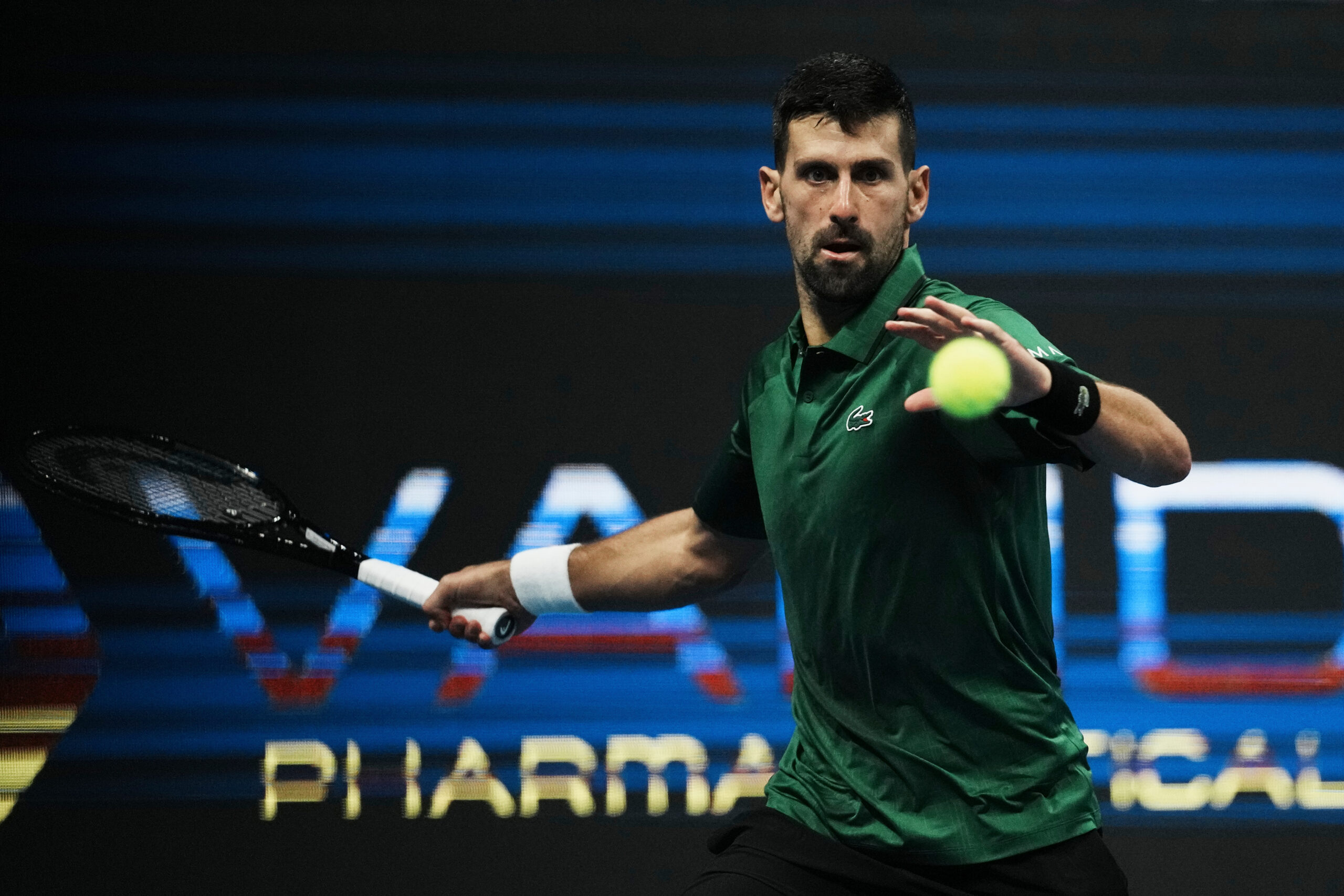
Global Sports Governance governs how racket sports develop, grow, adapt, and stay competitive.
Tennis has been operating under a formalized governance system for over 100 years with effectiveness at many levels of amateur and professional competition worldwide.
The International Tennis Federation works to create an international calendar of events and opportunities for increasing grassroots participation.
Grassroots Development and Community Access
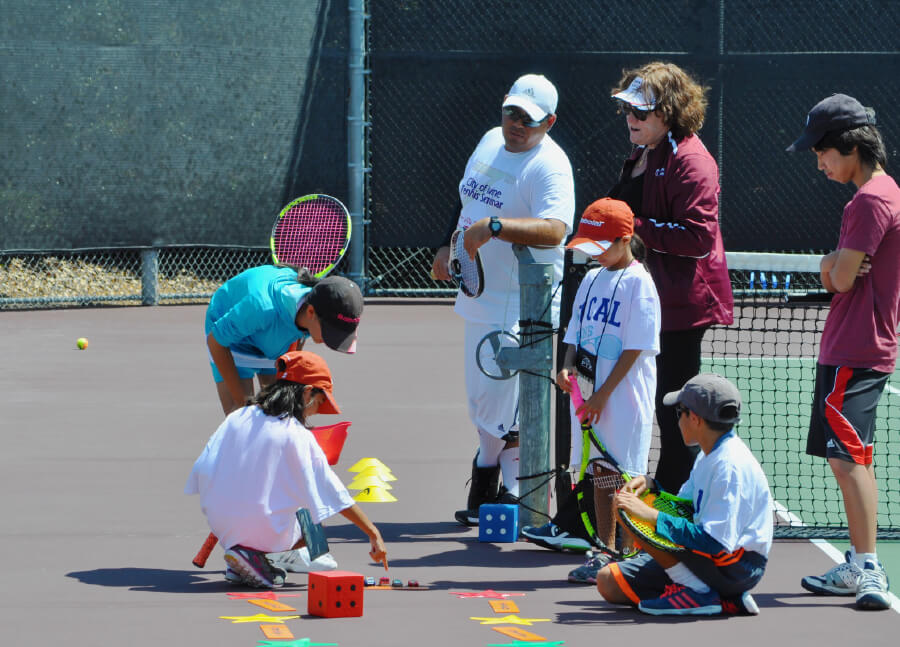
Tennis has traditionally created its grassroots development model using club systems and formal coaching.
These methods may develop high-quality participants but can limit access for communities with fewer facilities or financial resources.
The newest playing forms of racquet sports have placed emphasis on community access through open play hours, social leagues, and coed play.
The United Pickleball Association and similar organizations are helping communities create local tournaments and amateur league-type structures.
Technology, Analytics, and Participation
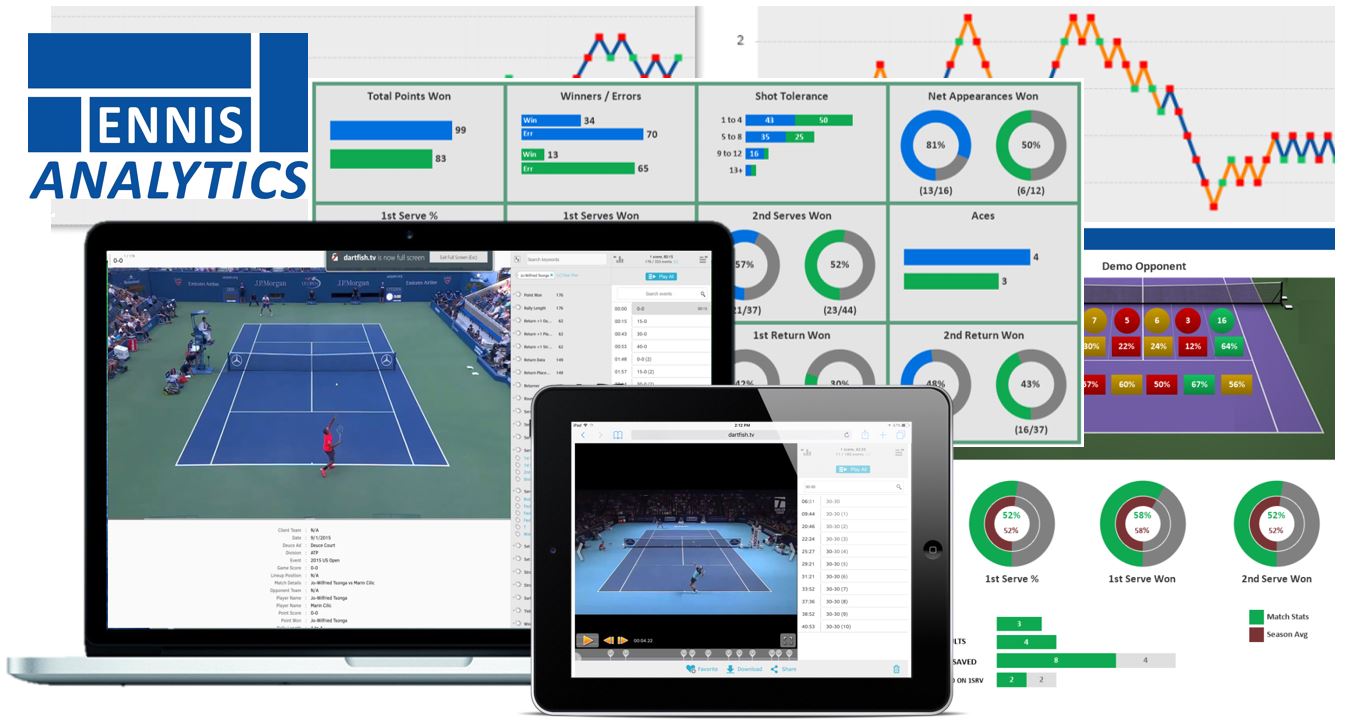
Emerging racquet sports utilize technology to improve accessibility for recreational players.
Digital reservation systems, smart facility management systems, and scoring apps make participation easier and more appealing.
Integrating Technology for the Business of Sport
Companies such as IBM partner with professional tennis associations to utilize real-time analytical systems.
Today, technology supports both competitive excellence and casual participation.
Identifying the “Next” Face of Racket Sports
Racket sports will continue to move forward through coexistence rather than dominance.
Tennis will remain highly visible globally, but future growth will depend on adaptation rather than tradition alone.
Padel and pickleball will continue to thrive due to urban growth, social interaction, and flexible structures.
Squash occupies a unique position, benefiting from compact facilities and evolving governance and competition rules.