
Modern-day sports results do not come down to simply talent anymore. Physical fitness has become the main foundation upon which all successful athletes develop their skill sets, tactical awareness, and consistency over the long and challenging course of their respective seasons.
Without elite conditioning, technically gifted athletes will fall short of being competitive.
Evaluating the Condition of Elite Athletes

The importance of physical standards is often considered when evaluating an athlete for a professional or Olympic application.
The information collected by means of fitness testing creates the basis for determining the process for selecting athletes, managing workloads, and ultimately creating a long-term plan for an athlete’s future.
Star Examples Set the Model
The ability to be physically conditioned, therefore, will ultimately distinguish between short-term achievement and continuing excellence throughout an individual’s career in modern sports.
Athletes who prepare physically have fewer errors when faced with pressure and are able to remain tactically minded during critical components of a given competition.
Investment in Performance and Commercialization

Nike and Adidas invest heavily in performance-based training tools which illustrates how fitness is now seen as an important factor in obtaining results, longevity, and the competitive edge within modern sport.
Performance-Based Training and Sports Science

The evolution of athlete preparation has changed from an “artistic” to a data-driven and measurable process.
Each physical preparation process is now determined by the amount of work completed, fatigue levels, recovery markers, and movement efficiency.
This form of scientific understanding has allowed coaches to create individualized programs that maximize fitness without stressing the individual.
Therefore, each training session is focused more on potential performance gains than it is on the risks associated with excessive training.
Load Management and Reducing Injury Risk
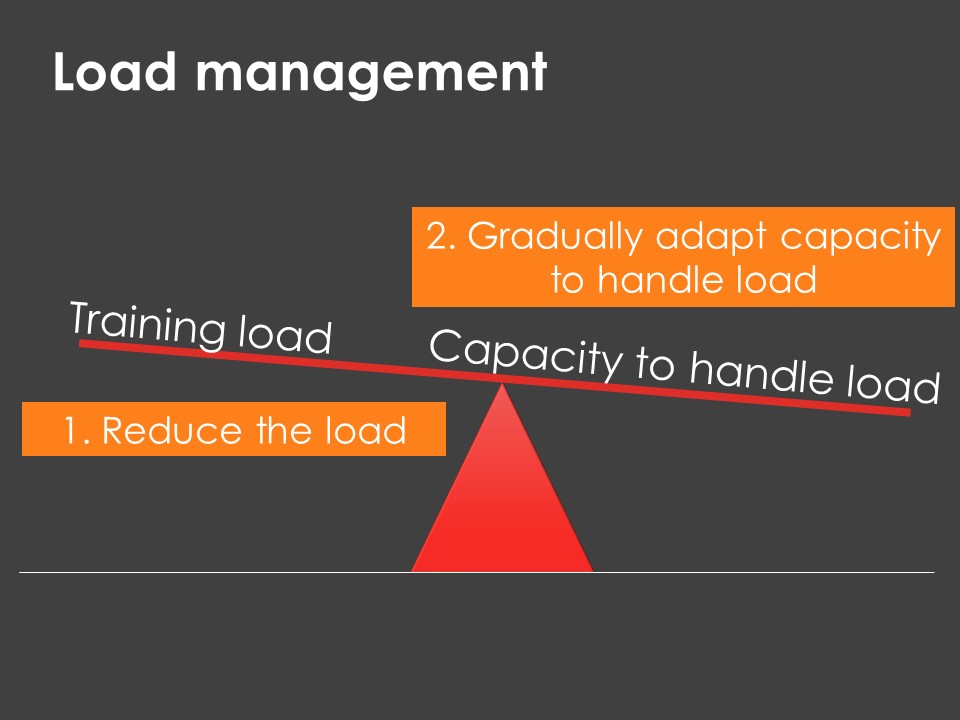
Load management has become a significant focus of modern sports science in protecting athlete availability.
The ability to monitor an athlete’s workload (intensity) and match day demands enables teams (organizations) to maximize injury prevention while ensuring all players meet a minimum physical standard throughout a long season.
A New Performance Paradigm

The use of sports science in elite programs (i.e. NBA) is essential if they want to continue to enable athletes to remain at an elite level of performance.
In modern sporting events, elite athletes must utilize physical preparation based on science in order to achieve and maintain an elite level of fitness.
Endurance and Stamina: The Overarching Factor in Match Day Performance

Endurance continues to play an important role in today’s sporting world as many athletes must maintain their ability to execute high intensity actions during long, congested training or competitive schedules.
Higher levels of endurance enable a player to maintain accurate technical execution, tactical discipline and physical presence throughout the competition effort; even as the physical demands of the competition effort are beginning to impede on the performance of his opponent.
Maintaining Performance Throughout Entire Games
Sports such as football and basketball depend upon one’s ability to move constantly and this requires extensive cardiovascular fitness.
A player will continue to create, run, find and attack with skill until the end of the game when they have built up enough energy to perform at a high level.
This significantly reduces the potential for tactical errors caused by a lack of physical fitness during critical parts of a game.
Elite Athletes Set an Example
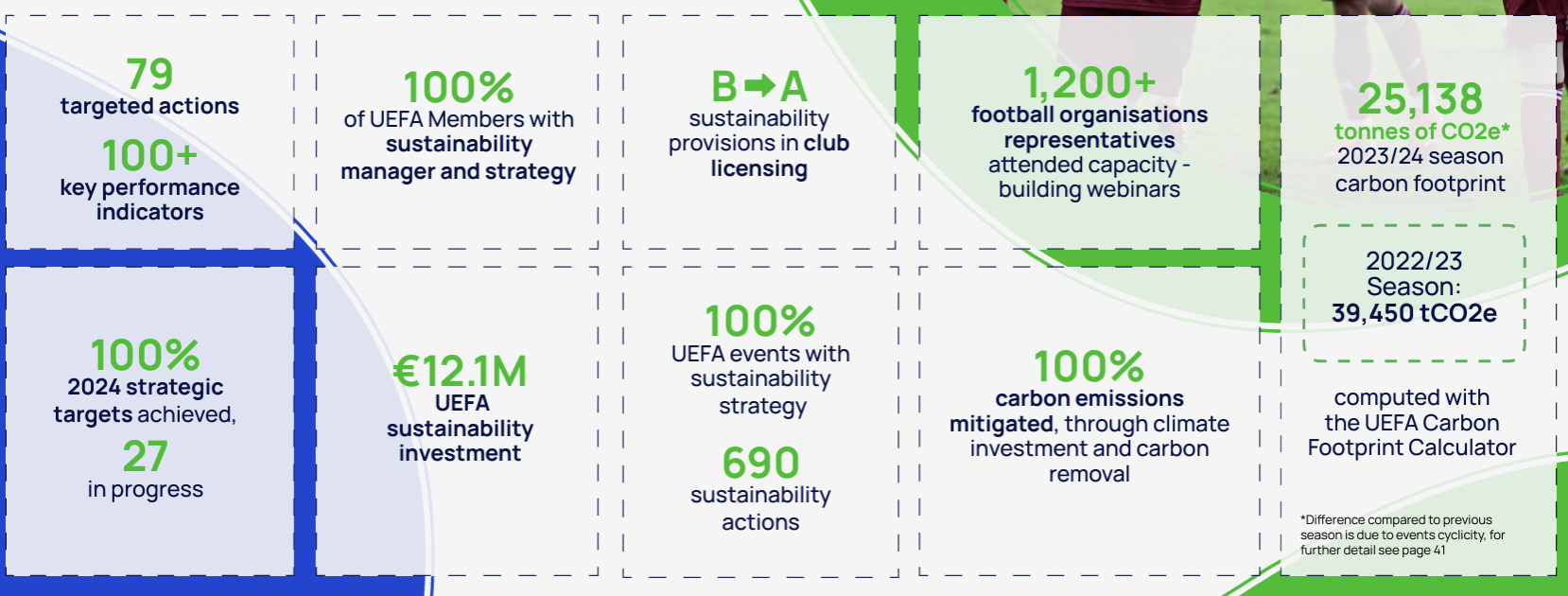
The Union of European Football Associations (UEFA) uses distance covered and intensity as key performance indicators for Elite Competitions.
These indicators illustrate how critical an athlete’s stamina is in relation to performance consistency, selection opportunities at the highest levels of competition and have a direct correlation with how far an athlete runs during a match.
De Bruyne’s ability to maintain an increased level of work output is proof that he can continue to provide proficient technical performances throughout the entire match and not just the initial stages of a match.
Strength Training Will Help Create Power and Protection

Developing strong muscles creates more stable joints that protect athletes when they receive or give contact.
Furthermore, strong muscles facilitate speed and skill efficiency across the rigorous demands of a competitive season.
Functional Strength Equals Better Preparation for Real Competition
Current training programs have shifted from training only to build muscle size to incorporating a range of functional movements that are similar to what an athlete experiences in a real competition.
For example, current training techniques replicate the action of sprinting, jumping, or changing direction and translate into increased strength and performance efficiency and durability during competition.
Global brands such as Nike partner with professional sports teams to design strength systems and programs that meet and exceed athlete and team objectives.
Injury Prevention / Longevity

The amount of strength in the lower body and the core are of utmost importance in decreasing injuries.
The more stable the movement patterns, the less force that will be placed on the knees/hips/back allowing athletes to compete through longer seasons with fewer interruptions to performance.
In modern sports, the core and lower body provide the strength necessary to enable athletes to trust in them at critical times when they need to perform.
This physical robustness is critical to sustained elite level success.
Speed, Agility, and Reaction Time in Elite Competition
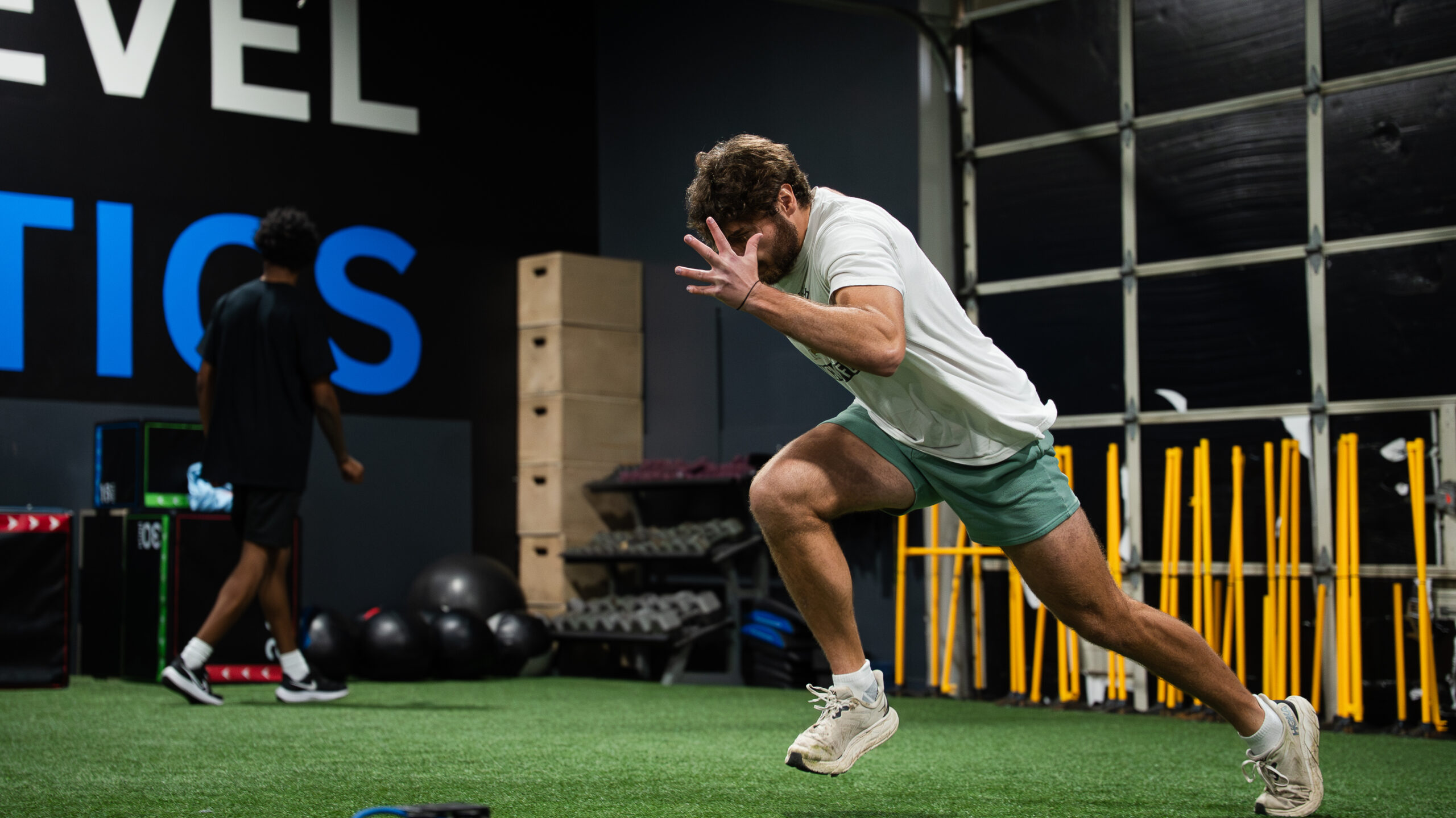
Speed and agility have now become relative attributes in modern sports.
The ability to create a clear space and react rapidly (within a few milliseconds) will often be the difference between winning and losing at the elite levels of the sports.
Explosive Movement and Control
Athletes train for first-step quickness, in order to obtain space before other competitors during contests for possession of space.
The ability to create explosive movement allows athletes to react considerably faster, in both offensive and defensive situations; thereby creating a greater influence on the outcome of a match.
Reaction Speed Under Pressure
By improving their reaction training, athletes develop a heightened awareness of visual and physical cues that they encounter.
They learn to respond to these cues quickly; thereby improving their understanding of critical positioning, timely judgments, and improving execution in unpredictable times during competition.
In the modern day’s sports environment, speed and agility are not merely cosmetic characteristics; they have become performance necessities that will lead to both consistency and adaptability, as well as success given the narrowing working margins of competition.
Recovery, Sleep & Load Management as Performance Foundations

Recovery in today’s sports world has the same amount of importance as training – without proper recovery systems, fitness declines rapidly, increasing athlete injury risk and reducing performance capability as a result of an overloaded competitive calendar.
Sleep as a Performance Tool
The elite athlete programs across the globe, under the guidance of the International Olympic Committee, have created education-based approaches to recovery for this purpose; to ensure time availability for the athlete and the long-term sustainability of their performance.
How Load is Managed Effectively
The total load management approach tracks the intensity of training and game competition to prevent overtraining and burnout, while enabling athletes to maintain optimal performance levels without excessive physical stress that results in physical breakdown.
In professional sports today, intelligent recovery is what defines how long an athlete will be able to endure his/her competitive schedule.
Those athletes who can effectively manage sleep, rest and load, will remain healthy and competitive during the strenuous season and the rigours of the global tournament circuit.
Nutrition / Hydration as Multipliers of Performance

In professional sports today, performance depends heavily on how well athletes provide fuel and hydration to their bodies while training and competing due to the increased pace of the game and the lower amounts of time to recover.
As a result, nutritional support will directly affect Load Management, Recovery, Sleep & other Foundations of Performance.
In today’s athletics world, Recovery is equally important as Training.
An athlete who recovers properly will not experience the loss of conditioning at the same rate as an athlete who does not recover properly, nor will he/she sustain an unnecessary risk of injury due to overtraining, resulting from the increasing number of competitions held per year.
Nutrition & Hydration as Performance Multipliers
The performance of athletes today depends on their ability to fuel and hydrate their bodies throughout the training and competition process, as well as during the recovery process.
The nutritional programs of athletes are developed with the integrated structure of the training phases, recovery time and nutritional sequences in mind.
Body Composition and Efficiency
Athletes use the monitoring of body composition to maintain the optimal strength-to-weight ratio.
Enhanced muscle mass provides an increase in maximal force and also provides additional resistance to injury.
Balance in body fat levels also provides faster speed and stamina, which establishes nutrition as a critical component of performance ability.
Physical Readiness Reinforces Mental Strength

In today’s sports environment, mental strength is closely tied to physical readiness.
Athletes who are physically well conditioned respond better to pressure than athletes who are fatigued, and therefore have the capacity to remain mentally focused, emotionally controlled, and make sound tactical decisions in the heat of battle when they need to perform critically.
Additionally, an athlete’s level of fitness is a determinant of reduced stress response to the demands of competition.
When an athlete’s body is properly conditioned to experience the intensity of competition, their brain remains calm and they are able to maintain a clear mental processing capability, even in the most chaotic moments of the game.
Confidence from Conditioning
This decisiveness is critical in preventing hesitation that frequently occurs when an athlete fears injury, breakdown, or physical exhaustion.
Mind–Body Alignment in Performance

Athletes who can find harmony between their mental and physical capabilities are able to become the ultimate competitive athletes when they combine those abilities with technology & data in the modern era of competition.
Technology, Data, and Performance Monitoring
The incorporation of technology into athletic training has allowed athletes as well as teams to quantify their output in ways that have never been possible.
The advancement of technology has allowed for a technique to be worn on a wrist band to measure an athlete’s output, movement efficiency, recovery time and heart rate, which can be used to quantify an athlete’s training and competitiveness in real time.
The ability for a coach to utilize the data that is able to be gathered from wearables & technology and forgo instinctual or “guesswork” related to the daily workout load of an athlete, ensures that athletes are maximizing their ability to improve from workout to workout while avoiding excessive fatigue and overworking an athlete, which can compromise the ability of that athlete to perform at his or her highest level.
The use of technology to collect the recovery metrics & data similar to WHOOP, gives an athlete the ability to make educated decisions on the appropriate time to begin their recovery process.
This technology gives an athlete a better understanding of the amount of rest they need to adequately prepare for the next practice or competition.
The types of data generated by data-based training systems allows teams to identify the signs of an athlete’s increased workload as well as the signs of the risk of injury.
Endurance, Power, and Technical Repetition Management
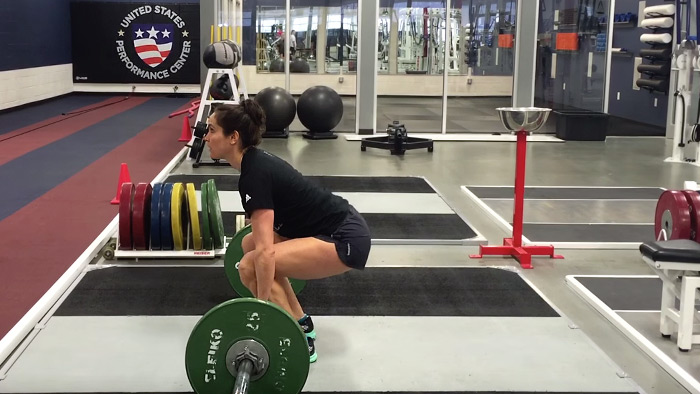
The Athlete has to manage their endurance, power, and technical repetitions individually.
Therefore, accurate planning of an individual athlete’s physical discipline and recovery have become crucial.
Sport Specific Conditioning Models
Organizations such as the ATP Tour have established minimum physical standards based on the requirements of their sports, while organized team sports essentially build their physical programs from requiring attendance and collective impact.
Universal Requirement for Performance
While these organizations are all at different stages in terms of development, fitness is still considered to be one requirement for both reliability and longevity in every sport.
Under modern competitive conditions, athletes who continue to develop and maintain physical conditioning, adaptability, and readiness to be physically prepared over long cycles are rewarded each time through their participation.
Youth Development and the Foundation of Fitness

Youth Development Systems today have prioritized the development of athletes’ fitness, as building the foundation for fitness will provide athletes with capabilities that will develop throughout the learning process of technical skills on longer and longer routes to becoming a professional athlete.
Athletes in their adolescent years who have access to systematic fitness programs develop stronger coordination and balance, and reduced susceptibility to injuries, all of which help them learn technical skills more efficiently and reduce burnout and physical breakdowns they may otherwise have experienced during their several years of competition while developing through several competitive stages.
Academies Raising the Physical Standards
Football clubs such as FC Barcelona through La Masia and professional basketball teams in the NBA have developed a philosophy of promoting physical fitness in addition to skill development.
Their philosophy reflects how fitness creates a unique, functional, flexible athlete who will compete and be successful as an elite-level professional athlete.
Long-Term Athletic Development
The habit of developing early fitness facilitates the development of good habits of recovery awareness and the discipline of movement.
Women’s Sports and Rising Expectations for Fitness
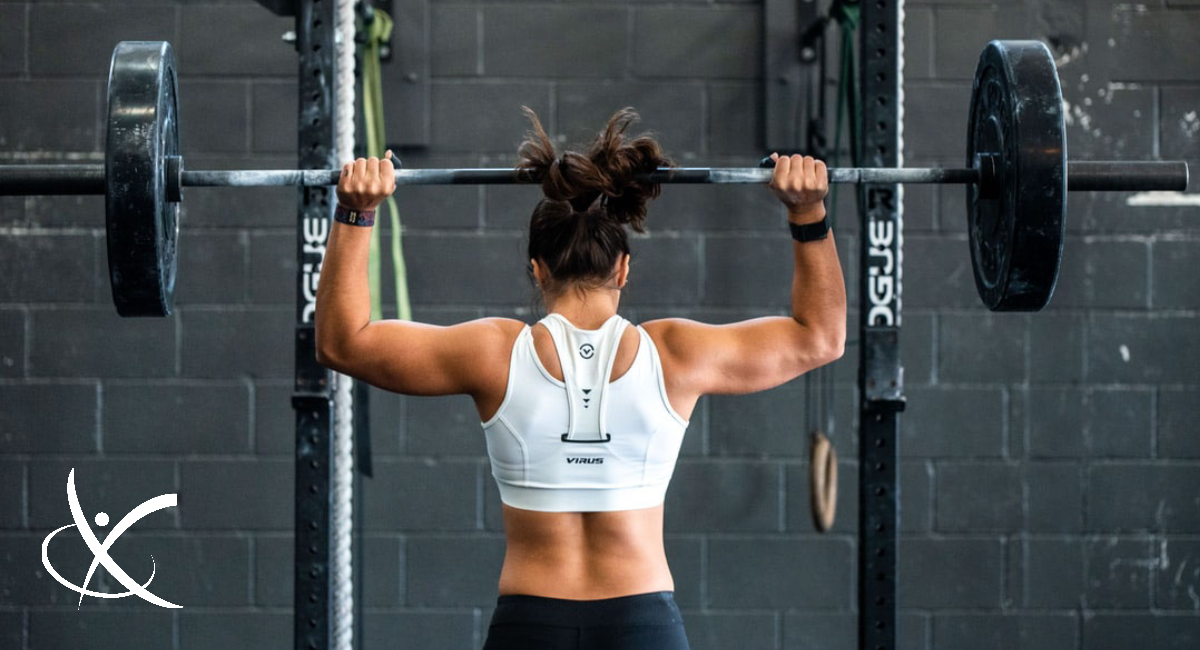
Women’s sport is currently experiencing unprecedented growth and with it has been an explosive increase in the expectations for physical performance in women’s sports.
Increases in the speed of play, the level of physicality, and the increased intensity of competition have all led to the development of significantly enhanced physical conditioning standards, much like those being enforced in elite men’s sport facilities across the world.
Today, today’s professional female athletes have developed routines focused on strength, speed, and recovery.
Increased levels of fitness have created current female-level athletes capable of producing high-performance qualities while minimizing injury rates, and allowing for continued consistent performance to be produced at various levels of the competitive world stage.
Professional Sports Organizations Impacting Change
Organizations like FIFA and WNBA allocate substantial resources into the science of performance; the investment of these organizations clearly establishes that fitness is now considered a cornerstone of growth and commercial viability.
Athletic Role Models Changing the Inequity Environment
Professional female athletes like Serena Williams have eliminated the perception as to what constitutes physical supremacy.
Protein Preparation has established that modern preparation provides today’s female athletes greater confidence, which will allow them to excel compared to others who are less fit.
Aging Athletes Utilizing Fitness to Expand Their Career Path

Methods of fitness in contemporary sports are transforming the capability for modern athletes, particularly older athletes, to compete at the elite level.
Improved approaches to conditioning, recovery systems, and workload management have enabled some older athletes to still compete competitively, well past conventional career timeframes in the majority of sports.
Older athletes will typically rely on methods of protecting their joints, sustaining their speed, and preventing injury through strength maintenance, improving mobility, and recovering more efficiently to make up for the expected decline in explosive physical capabilities associated with aging.
Evaluating Elite Longevity
Successful professional athletes like LeBron James are examples of elite athletes experiencing success because of consistent disciplined conditioning and fitness routines and as a result consistent output for extended periods of time despite exposure to considerable wear and tear and long durations of physical involvement in their chosen sport.
Reduced Volume with Focused Training as the Reason for a Longer Career
Veteran athletes train smarter, not harder than previously; implementing lower volume and a focus on creating the correct conditioning profile ultimately gives rise to the increased likelihood for professional athletes to experience longevity due to their increased understanding as to what constitutes developed and competent training and performance.
Investments in Athlete Development
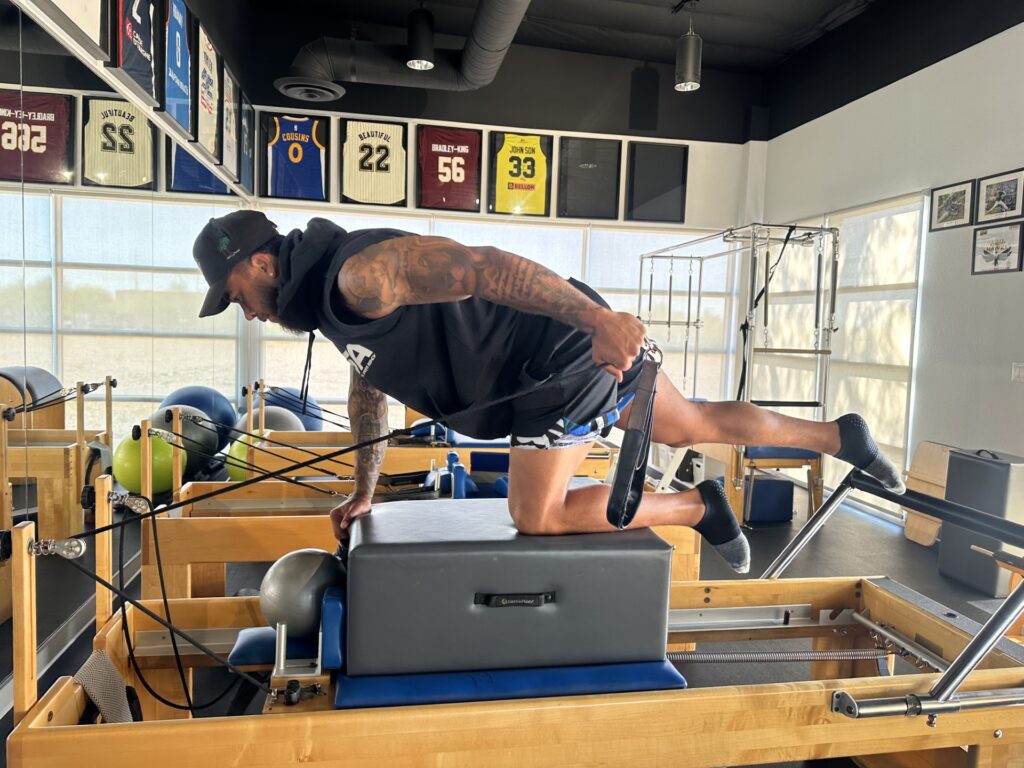
Elite athletes consistently meet and exceed the physical standards required for success and winning medals, and the physical preparation of the athlete directly impacts their ability to be a successful competitor and last the distance in a tournament.
Fitness standards will now have an impact on selection decisions long before the competition takes place.
In today’s world of sports, the global sporting competition will quickly and accurately identify the physical fitness of all athletes competing.
Athletes who continuously and consistently meet the physical standards will remain competitive throughout the tournament; therefore, it is clear that elite physical conditioning is a prerequisite for success on the largest and most competitive sporting events in the world.
Modern-day coaches no longer only emphasize the technical aspects of sport; they now incorporate integrated performance teams that include strength coaches, sports scientists and recovery specialists to enable the combined efforts of each group to create the best possible output from each athlete.
This collaborative approach allows coaches to ensure that the training plans developed by each group will meet all performance demands of competition.
By utilizing fitness data collected over time, coaches can better monitor and evaluate the amount of work an athlete has performed and how much he/she is progressing to peak performance at the right time, not just to continue to train harder throughout the season.
In addition to supporting physical excellence, elite coaching leaders work closely with organizations like the NBA to advocate for and support physical preparation as part of the tactical identity of a team.
Fitness provides the framework for the systems to operate evenly and consistently under both physical and mental pressure.
Performance staff help educate athletes on how to recover effectively, how to eat appropriately, and how to prevent an injury.
When everyone involved in the performance of the athlete, including the athlete, understands and takes responsibility for these areas of the athlete’s performance, the entire squad will maintain sustainable fitness habits as a whole.
The performance culture within modern sports is created by leadership that values long-term success versus immediate results.
Teams with strong performance leadership will compete at a higher level for a longer period of time.
This support and commitment to the value of physical conditioning creates a successful culture of being in optimal physical fitness to succeed.
As the media continues to publicize the ever-increasing importance of fitness in both the amateur and professional sports arenas, it will only continue to fuel the desire of all athletes to be as fit as possible in an attempt to achieve the highest level of performance.
Technologies like high-definition broadcasts and advanced analytic tools are now available for everyone to see.
Because of how quickly these tools reveal to the world a player’s physical decline, their physical output, and their endurance level, all of these tools put more pressure on players to show higher levels of intensity and endurance throughout all competitive seasons.
Today’s fans expect athletes to always be in motion and demonstrate speed and energy.
Criticism is now heaped upon athletes who physically diminish, and in contrast, higher praise is given to athletes who show a commitment to both their physical conditioning and their performance expectations.