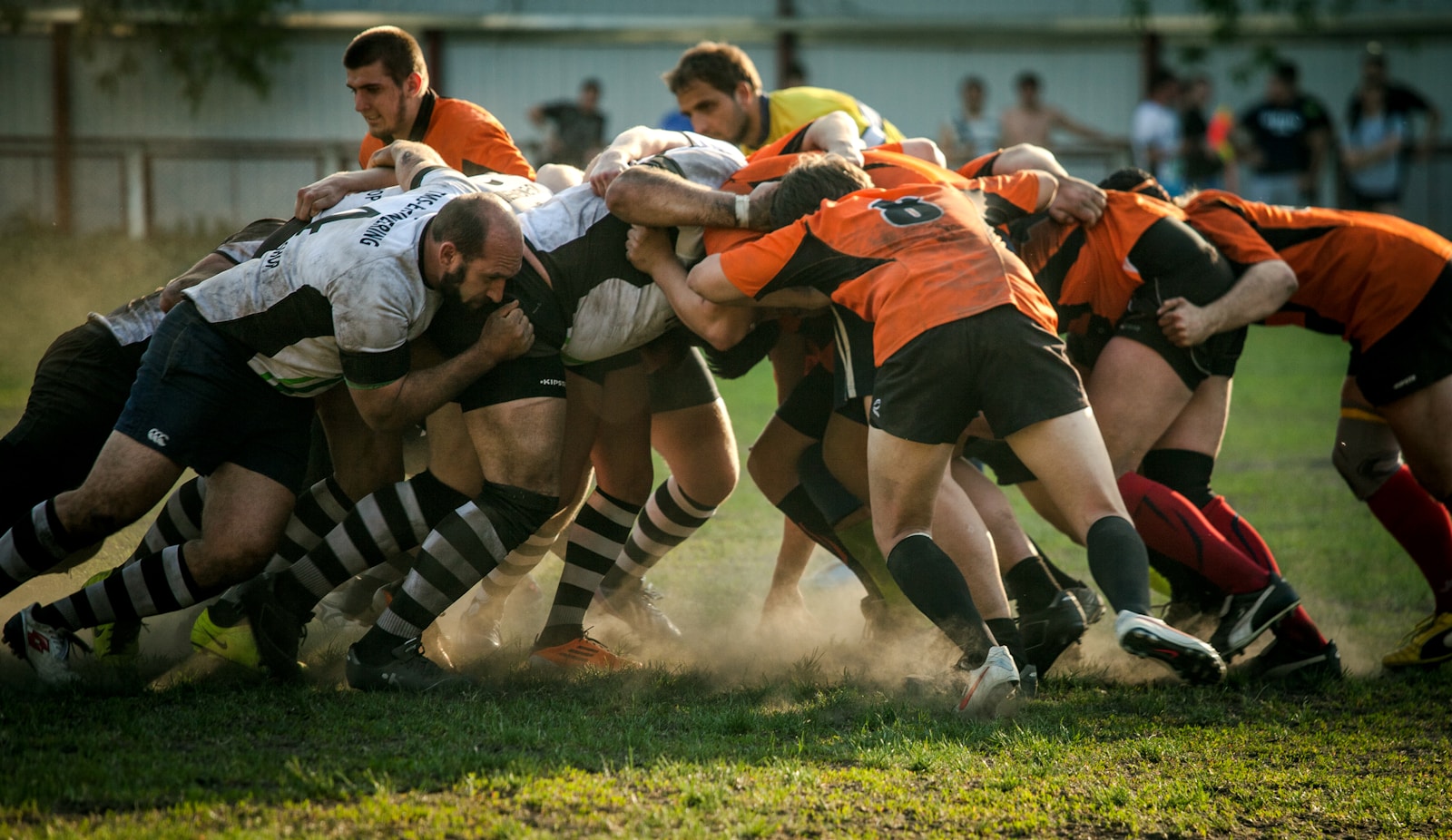

Athletes that compete in multi-day sporting events have significantly greater pressures placed on them than if they were just participating in one match or race.
In addition to multiple performances at peak levels of effort with very little recovery time between them, physical fatigue associated with these events accumulates over time while the athlete’s mental stress level rises much quicker than expected.
In addition, there are many ways athletes cope with these extreme strains in a continually competitive environment.
Extreme Stress on Recovery Between Days of Competition
Multi-day sporting events compress the recovery time available between days of competition.
All athletes are expected to continue performing even though their muscles are still recovering from previous day(s) of competition.
This means that, on day(s) of competition, the athlete is putting tremendous stress on all parts of the body, particularly the joints and tendons, as well as the nervous system.
Wear and Tear on the Body and Breakdown of Muscle Tissue
Competing regularly results in micro tearing of muscle fibres.
Recovery, Cognitive Load, and Decision-Making
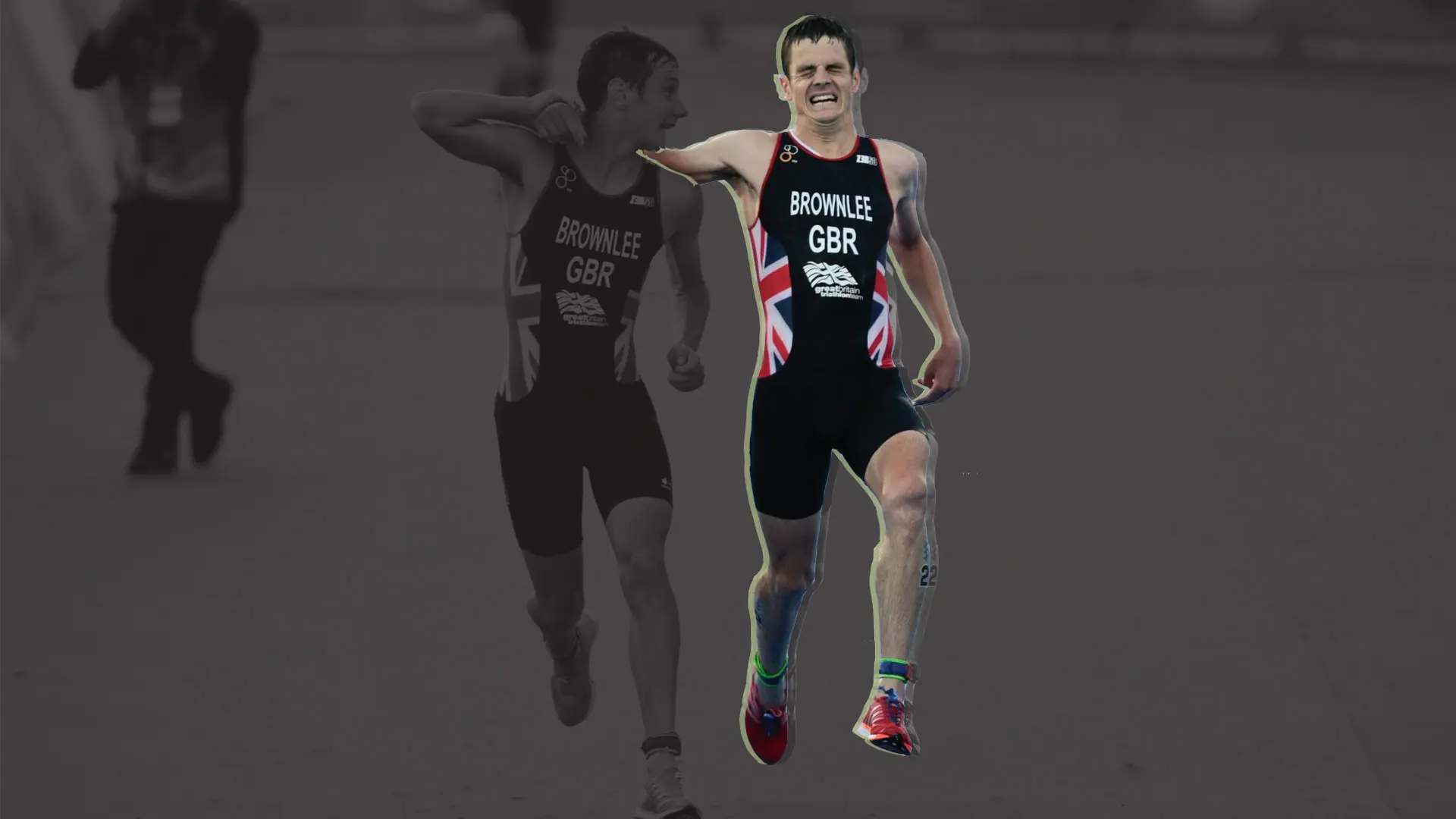
Ways To Recover Under Time Constraint
-
Ice baths can be used after each match or stage to limit swelling.
-
Compression devices maintain blood flow to muscles from short rest times between matches or all stages.
-
Massage therapy eliminates muscle tension whilst improving mobility.
Even though technology is available today that supports the recovery process, cumulative levels of fatigue still occur when competing over several consecutive days.
Cognitive Fatigue and The Reduced Ability To Make Decisions
Mentally fatigued athletes tend to exhibit symptoms earlier than physically fatigued athletes.
During multi-day competitions, the cognitive portion of an athlete’s brain must constantly process pressure, strategy, and emotional stress.
Eventually the brain reaches a point where it cannot continue to maintain the level of mental sharpness.
Loss of Focus During Extended Events
Concentrating over a long period begins to deplete cognitive energy.
Thus, an athlete’s speed of responses decrease, inconsistencies arise in judgments and an increase in risk taking occurs near or toward the end of a tournament.
Psychological Strategies To Support Athletes
-
Visualization techniques allow an athlete to clear the cognitive mind between competitions.
-
Breathing/stress reducing routines allow an athlete to reduce the stress and mental overload.
Logistics, Energy Management, and Injury Risk

Changing Conditions Impact
Each venue requires new adaptation; therefore this continual adaptation creates a greater amount of fatigue prior to a competition taking place.
Athlete’s Logistical Challenges
The schedule of matches being irregular can cause disrupted sleep as well as meal timing.
Travel by plane or by car for long periods of time causes an increase in the difficulty of recovering from competition.
Unfamiliarity with the location generally adds to increased mental strain.
Maintaining Energy Over Multiple Days
The need for energy continues to be great, yet due to the combined effect of stress and fatigue, appetite can quickly decline in large amounts.
When fueling the body inappropriately, performance may become inconsistent.
Common Nutrition Considerations
Because of the inconsistencies due to the nature of travel and the change in daily routines, athletes will have irregular eating patterns.
Due to the lack of consistency with meal timing, poor digestion and supply of energy is common.
Injury Management, Sleep, and Emotional Stability
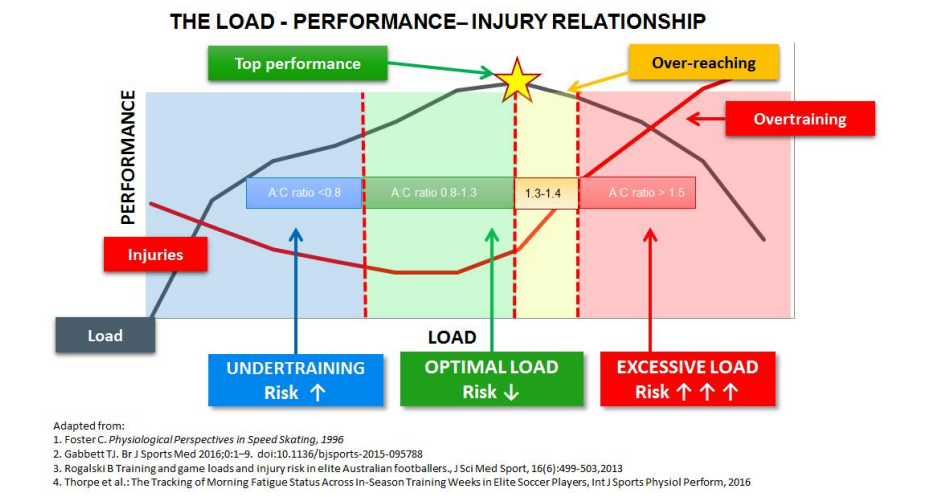
Minor issues can develop into major areas of injury over multiple days.
Fatigue during tournaments decreases body awareness and increases the risk of abnormal movement patterns during stressful times.
Injuries are a result of the accumulated physical load associated with multiple-day competitions, which are managed by medical teams from institutions such as FIFA.
Medical staff use load management systems to monitor the daily intensity of a player’s training and competition loads.
Physiotherapists adapt players’ warm-up routines to limit potential joint injuries.
Players generally limit their non-critical movement to conserve energy.
Sleep Disruption During Multi-Day Tournaments
Cumulative physical load remains the greatest hurdle to overcome for all competitors in multi-day tournaments.
Sleep deprivation has been strongly correlated to decreased strength, reaction times and regulation of emotional responses.
Adapting Tactics to Tournament Duration

With multi-day competitions, boundaries surrounding communication help reduce cognitive overload.
There are a number of controls to help limit distractions, but for multi-day competitions, athletes still face many external distractions that have a huge impact on their mental state.
Most endurance sports events occur within crowded areas for multiple days. As the athlete, they are continually elevating their emotions to match the crowd, and that raises their mental fatigue and tournament fatigue.
Continuous Crowds Produce Emotional Drain
Crowds supporting athletes often lead to emotional pressure, whereas the opposite occurs for athletes in an away situation.
It becomes harder for the athlete to retain an emotional balance as they continue to experience fatigue throughout the days of competition.
Familiarity with competing in large venues decreases the incidence of emotional spikes for the athlete.
Environmental Stress, Warm-Up Adjustments, and Equipment Wear
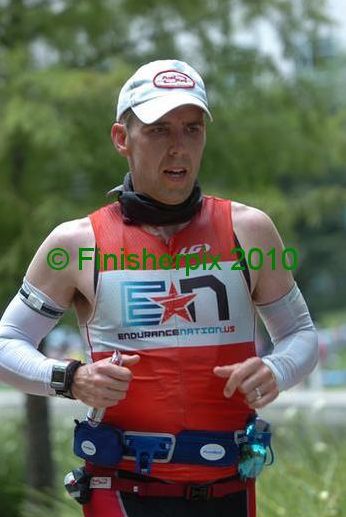
As the heat and humidity in the venue increase, the way that the athlete warms up to begin competition will be modified.
This is to reduce the likelihood of muscle strains and weariness, which are caused by the increase in body temperature during the competition.
Weather variability can contribute to the overall load and difficulty of the athlete during long competitions.
While each individual weather factor has a different impact, together they increase the overall load or difficulty of the athlete in long competition days.
Equipment Wear and the Decline of Performance
Multi-day competitions will have a progressive decline in equipment performance due to overuse and extended time spent in the same position.
When shoes lose their cushioning, tennis rackets lose their ability to hold tension, and protective gear deteriorates, a small change in equipment efficiency may result in an increased risk of injury.
The Necessity for Consistent Equipment Quality
In endurance sports, athletes should have the same level of quality in their equipment every time they compete.
The management of an athlete’s equipment will increase in difficulty as the tournament progresses and may be affected by travel between venues.
Data, Fatigue Monitoring, and Performance Decisions
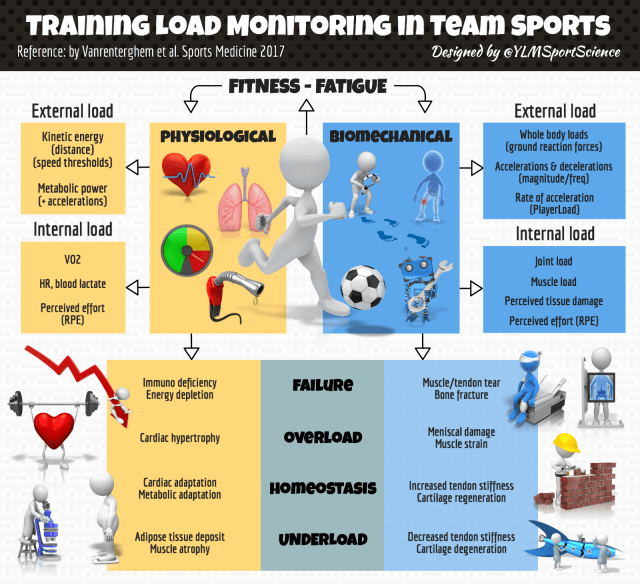
The implementation and management of data allow more intelligent decisions regarding training intensity, recovery focus, and tactical adjustments within long-term tournaments.
Organizations such as Catapult Sports provide load management systems used by elite athletes across the globe.
They utilize data to quantify and highlight fatigue that may not be readily evident to athletes.
The Advantages of Utilizing Data to Make Better Decisions
-
Reduction in training loads at significant periods of critical fatigue.
-
Modification of recovery plans based on objectively measured metrics.
-
Avoidance of emotions when coaching.
Technology does not decrease overall fatigue; however, it assists with managing the long-term effects of fatigue.
Recovery Discrepancies and Competitive Balance
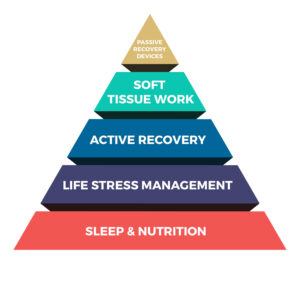
Resource discrepancies in competitive sports continue to influence outcomes.
The ATP Tour and other governing bodies acknowledge that resource discrepancies exist amongst differing levels of players.
Lower-ranking players experience increased travel-related stress and have limited access to medical professionals, both of which directly contribute to the stress of competing in multiple tournaments.
The Effect of Resource Discrepancies on Performance
-
Elite competitors recover more quickly between days of competition, resulting in lower levels of cumulative stress.
-
Greater amounts of cumulative stress are placed upon lower-ranked players.
-
Performance differences expand as tournaments progress.
Disparity related to recovery resources is a significant factor in maintaining fairness throughout extended competitive events.
Long-Term Fatigue, Career Longevity, and Cumulative Stress
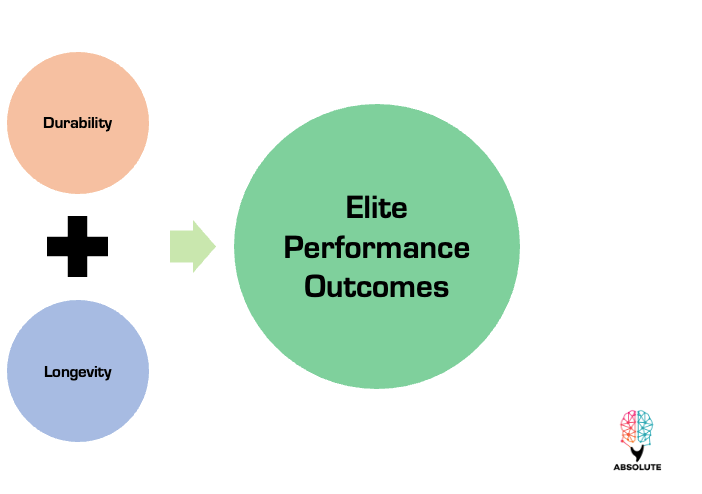
Long-term effects on an athlete’s career result from chronic participation in multi-day events.
The accumulation of physical wear and tear is a gradual process that includes both season-long and tournament workloads.
Preserving Career Longevity
-
Tournament schedules are designed to avoid excessive overload.
-
Rest periods are built into full-season training plans.