

Today’s sports world is increasingly relying on speed due to a highly competitive landscape. At all levels of sport across the globe, athletes need to demonstrate speed through their ability to react quickly, cover large distances rapidly and perform technical skills under the pressure of limited time so that speed becomes a required skill set, not just an added benefit.
As a result of the emergence of new formats developed by various organizations including FIFA, many sports have become much faster paced games due to an increased emphasis on high pressure tactics through the use of rapid transitions from offensive to defensive strategies and vice versa. This has led to increased interest in the repeatability of sprinting efforts for athletes along with their ability to quickly and efficiently change direction.
Speed Endurance and Conditioning Integration
Maintaining Speed Over Game Duration
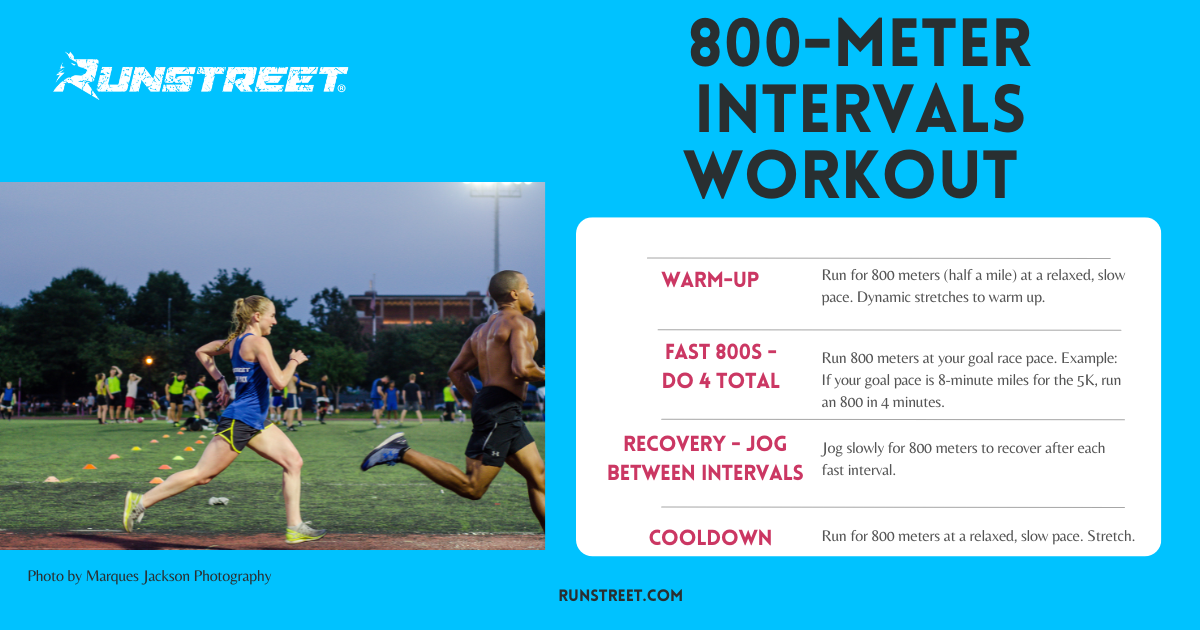
There is an expectation for athletes to maintain their speed for longer periods of time during the course of games. This has caused the need to combine physical and conditioning training alongside of speed and agility training, rather than simply separating these elements out of athletic preparation.
In light of this expanded emphasis on speed and agility, the recruiting and scouting community has also increased its emphasis on speed measurements when evaluating potential draft/class athletes. Teams who endorse wisely developed significant testing to support the ideas of speed in the entire sports industry at every level of sport.
Agility as a Defining Performance Factor

Decision-Making and Directional Control
Agility has been characterized as a defining aspect of an individual athlete’s performance on the field. Agility is viewed as an area that exhibits a stark contrast between high-performance athletes and the common public.
The ability of an athlete to rapidly change their direction when they are at full momentum is one of the most critical attributes for successfully navigating most game format environments, often requiring immediate decisions in order to help determine whether their team or individual athlete achieve victory or failure.
Agility Beyond Straight-Line Speed
Prediction, Reaction, and Pressure
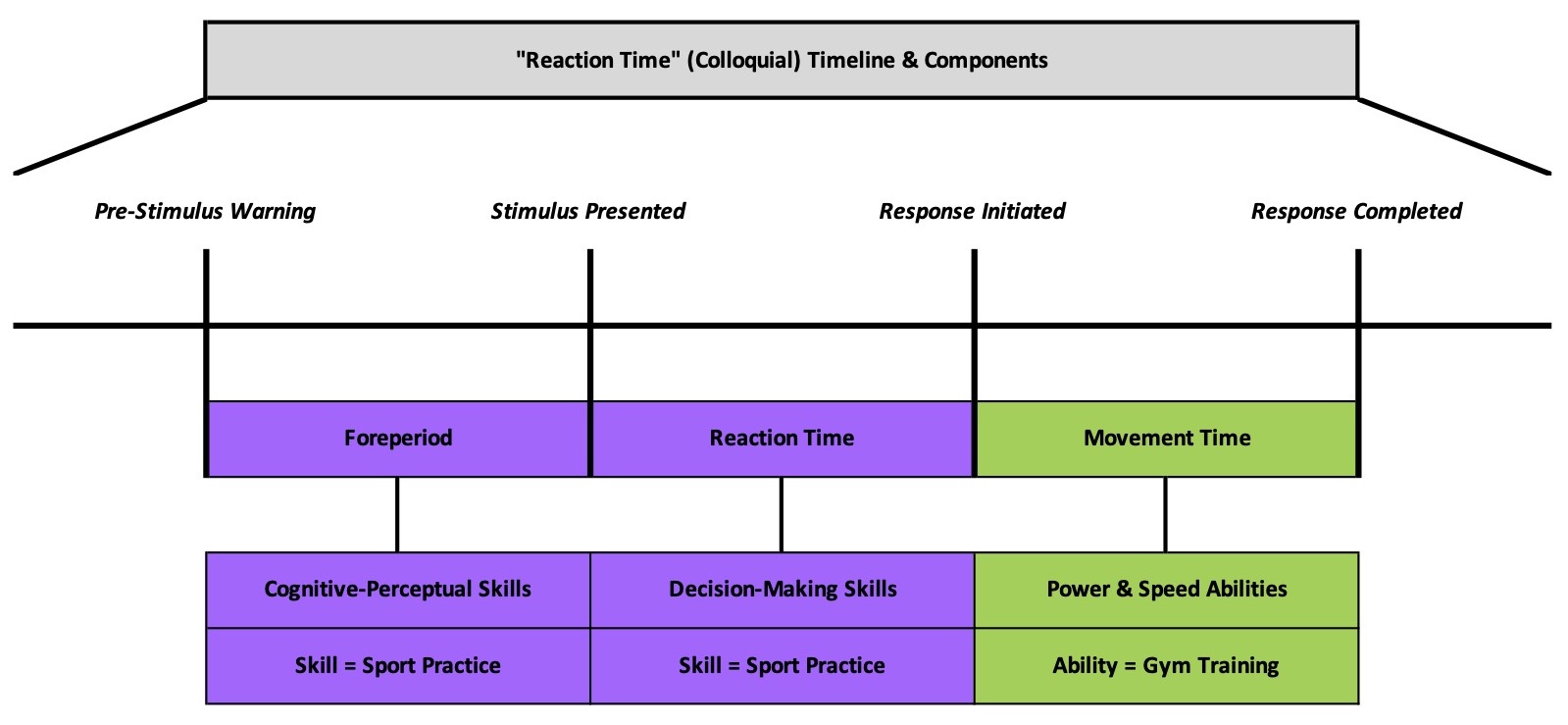
Agility is not limited to just a straight line during a given sprint; to some extent, an athlete’s ability to predict their opponent’s movements and then respond quickly to that prediction is just as critical. Agility training therefore becomes a high priority when implementing a modern program designed to prepare athletes for future successes. Making decisions under extreme pressure.
Basketball, Rugby and Badminton require constant changes in direction. Governing bodies such as the Badminton World Federation have indicated Agility is a major factor in the performance outcome of a match as well as the reduction of injury risk.
Reaction Drills and Perceptual Training

Developing Physical and Mental Awareness
Training has now evolved to include Reaction Drills and Perceptual Training. These two areas of training will help develop a sportsperson’s overall physical reaction and mental awareness relating to his/her sport.
Competitive Advantage of Agility

The Competitive Edge in Elite Sports
Athletes who possess Agility have a distinct advantage in a contested environment. Coaches consider players with the ability to avoid pressure quickly, which is why the focus on Agility training has grown significantly in Speed Development Sports worldwide.
Technology in Speed and Agility Development
Data Accuracy and Immediate Feedback
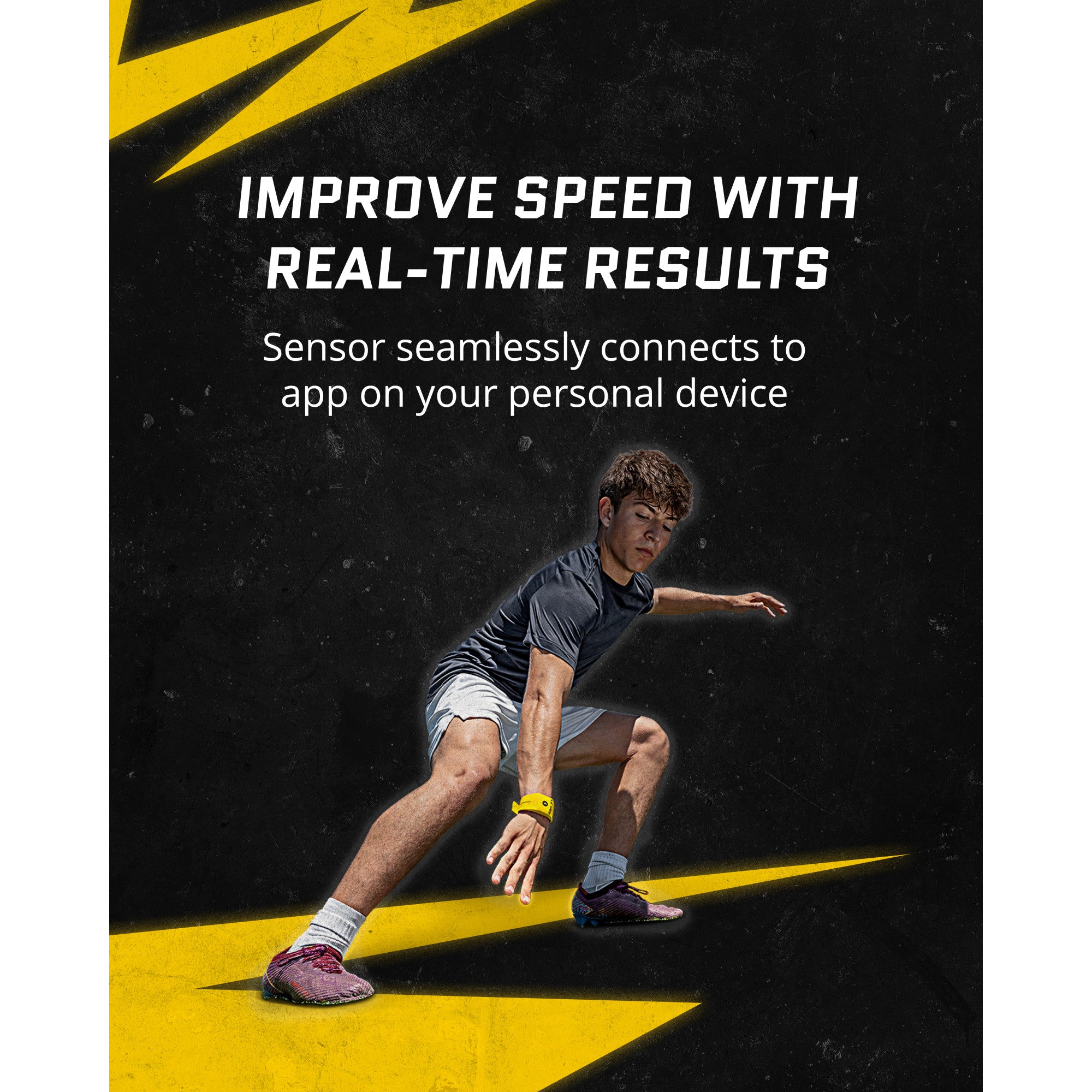
The development of technology has altered the way athletes develop and assess Speed & Agility. Coaches can now use technology to collect data on an athlete’s Acceleration, Deceleration and Movement Patterns with a much greater level of accuracy and detail than what was previously available.
Wearable technology and Timing Gates allow athletes to receive feedback immediately. This enables athletes to evaluate where they lack performance and then subsequently use data from these assessments to monitor their progress throughout their training periods and the competitive season.
Performance Tracking Through Data Collection
Injury Risk and Load Management
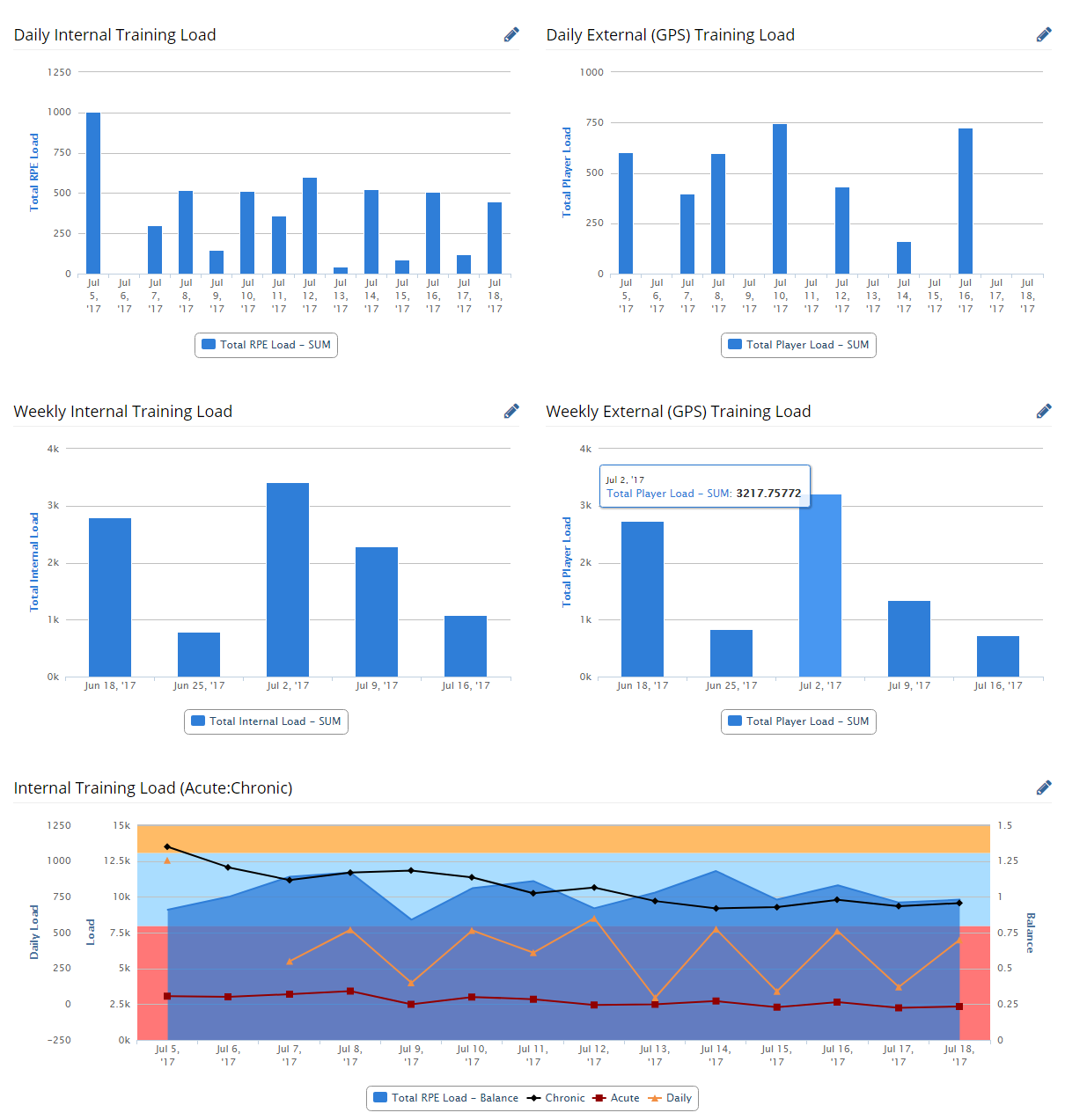
Brands such as Catapult Sports are providing support to elite teams in monitoring the SPRINT LOAD and CHANGE OF DIRECTION STRESS during training. This Data Collection can be used to maintain the optimal training intensity required to ensure the athlete does not incur an increased risk of injury.
Athletes have a clearer benchmark of expected performance outcomes. The ability to identify performance progress both visually and objectively allows the athlete to prepare himself or herself for the demands of competition.
Injury Prevention Through Speed and Agility
Safe Movement and Load Control
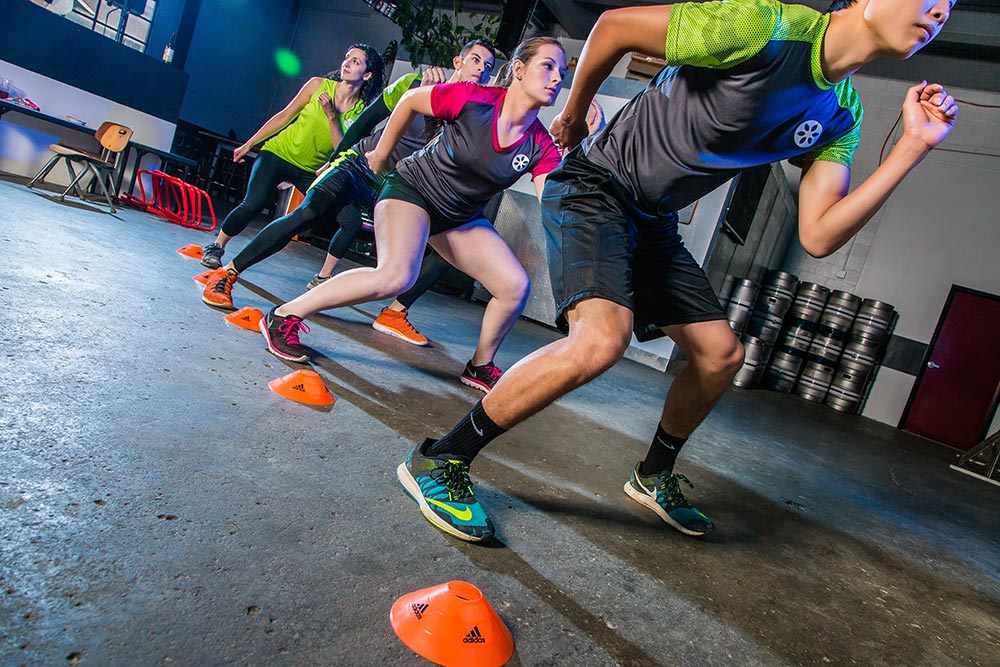
Speed Development and Agility training play a significant role in the prevention of athlete injuries. Improved Movement Efficiency reduces joint stress and enhances Body Control when performing High-Speed movements thereby decreasing the chance of a Non-Contact Injury.
Mobile athletes should be taught to absorb forces safely to allow them to maintain their speed and balance during activity.
Longevity and Career Sustainability
Speed Supporting Long Careers
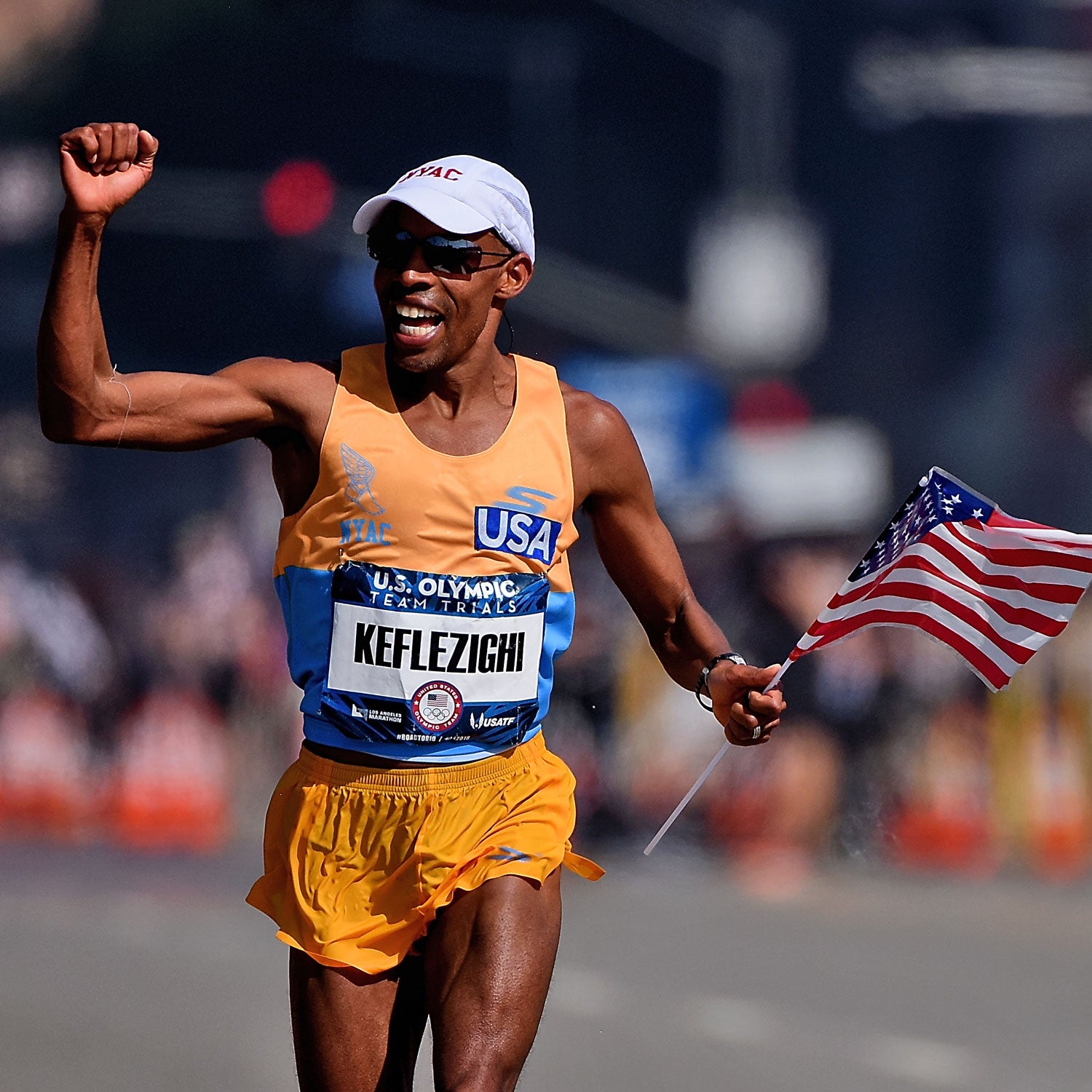
Athletes such as Kylian Mbappé demonstrate how having tremendous speed along with efficient movement will allow for longer careers in many different sports. Durability of strength and mobility supports faster athletes and allows them to remain resilient in training and competition.
Professional Leagues and Speed Demands

Entertainment, Pace, and Conditioning Evolution
Professional Leagues have increased the emphasis on speed and agility due to faster game structures. Sports such as football, basketball, and hockey now reward intelligent movement and rapid transitions.
Changes in leagues such as the NBA highlight how rule adjustments affect conditioning programs. Athletes focus more on movement quality and speed endurance to replicate game pace during training, contributing to long careers such as that of Stephen Curry.
Collaboration and Performance Environments

Trust, Communication, and Global Demands
Global competition schedules and organizations such as World Athletics increase travel demands. Speed and Agility now define reliability, adaptability, and sustained performance while enhancing fan engagement through fast, explosive actions that keep modern audiences connected throughout entire games.
Entertainment Value Associated with Speed
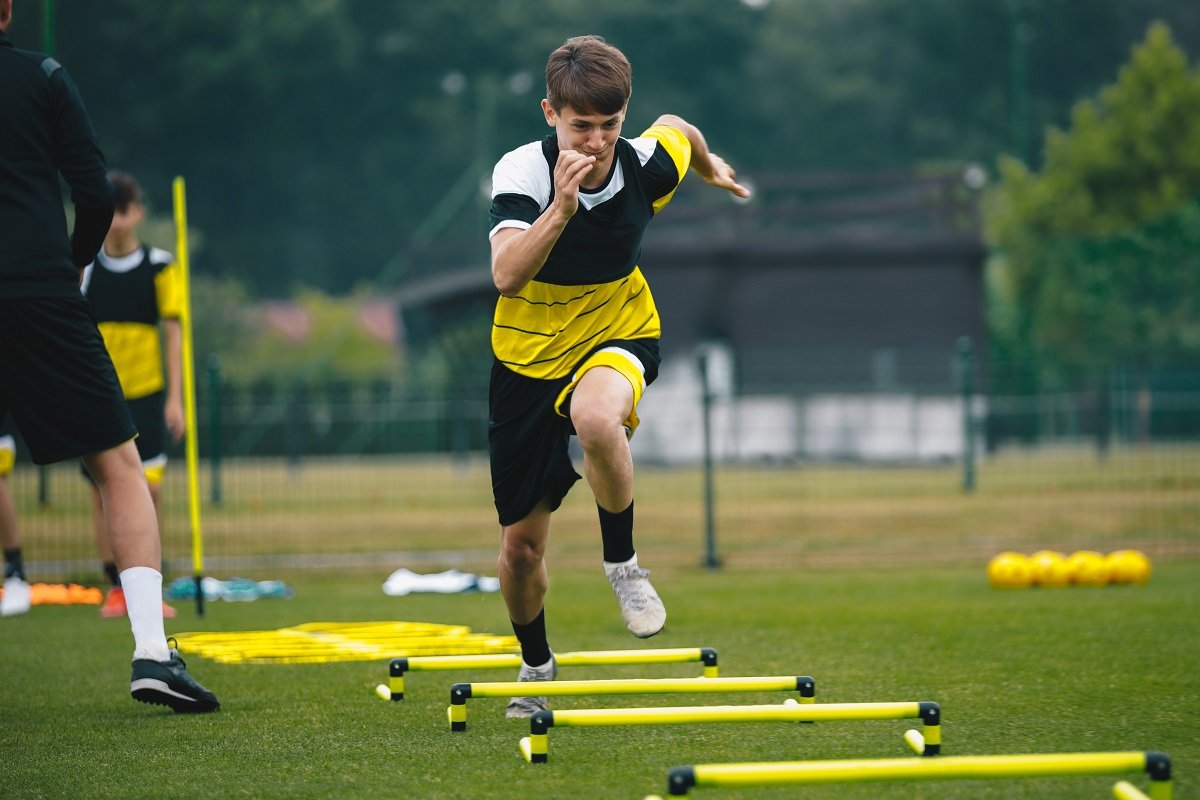
Organizations such as FIFA recognize the improvement of Broadcast Value due to the elevated entertainment value derived from Speed. The increased viewership that results from the number of highlights, replay opportunities and overall increase in viewer appreciation will greatly impact the growth in a league’s international viewership and the retention of their current fans.
Broadcasting organizations continue to benefit from the partnership with organizations that produce Speed/Agility orchestrated Play due to the great appeal Speed/Agility brings to television and through Social Media avenues. A Spectator will always have a moment to share, allowing them to interact with a team or an athlete long after their live competition has occurred.
Gender-Neutral Value of Speed and Agility
The value of every athlete’s speed and agility are gender-neutral across all sports. Speed and agility are equally important in men’s and women’s sports; consequently, they are gender-neutral qualities.
Elite performers always separate from average performers based on their ability to move efficiently, respond quickly, and coordinate their actions, regardless of the athlete’s gender or differences in physiology between both genders.
Speed, Women’s Sport, and Global Standards
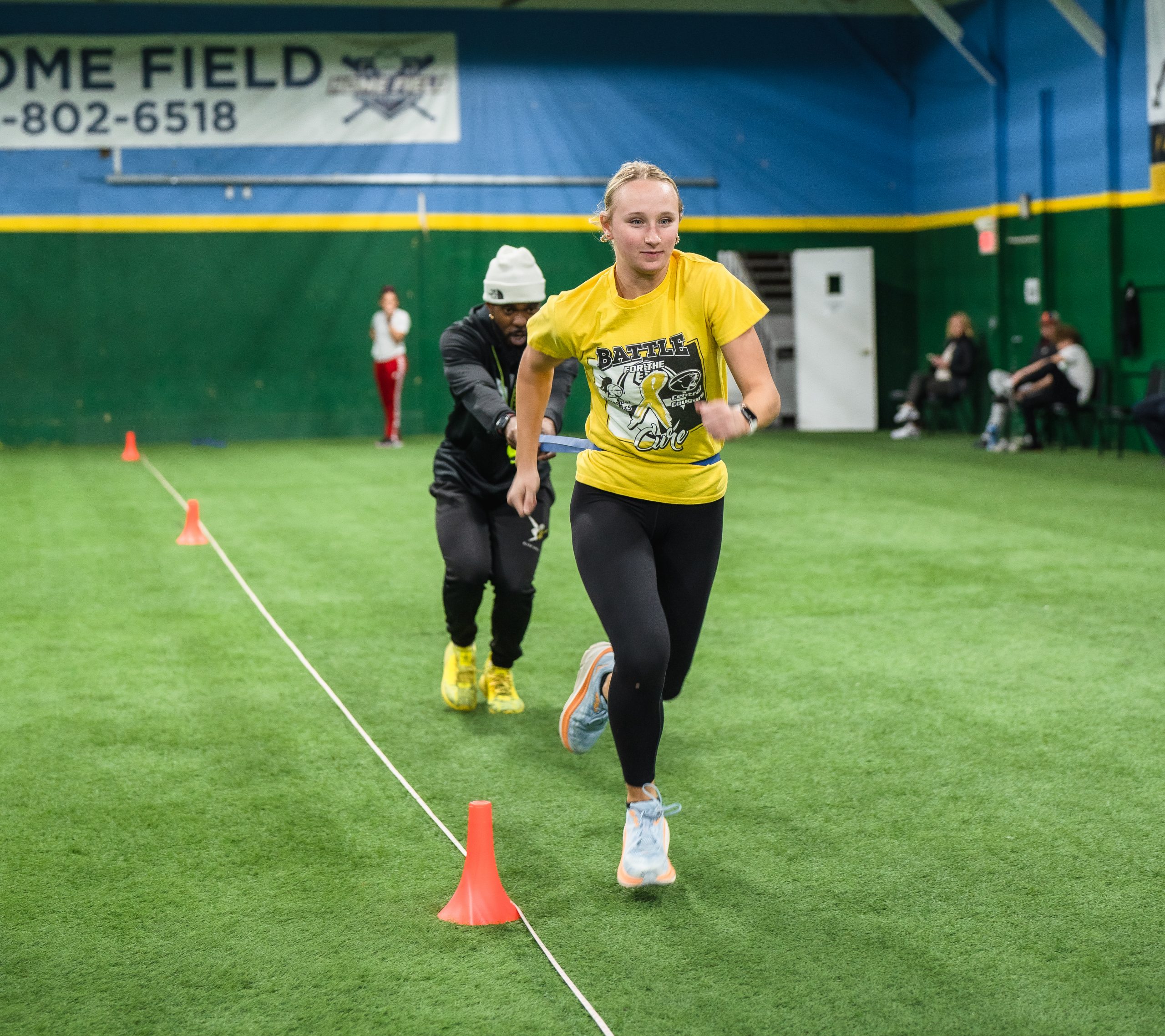
Due to the increase in sporting activity by women, speed increases competitiveness for both parties, as well as increasing the quality of the event to the spectator. Both men’s and women’s sports have improved through speed and agility through increased intensity, without increasing the risk of physical contact.
Global Benchmarks in Speed Development
Multiple benefits exist for using the equity of both genders as a basis for all athletes. Speed development sports are placing greater priority on developing speed efficiently, and thus benefiting all athletes, regardless of gender.
Athletes such as Elaine Thompson-Herah show how to raise global standards by demonstrating the value of refined speed mechanics.
Urbanization and the Shift in Speed Training
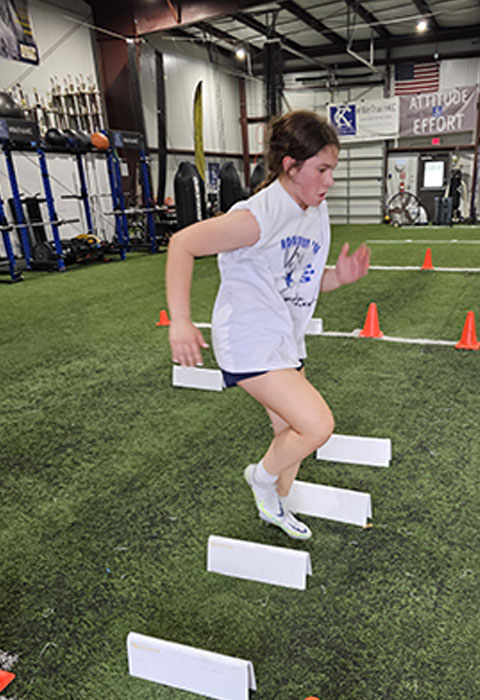
The urbanization of a large population has impacted how athletes train for speed, and has increased the importance of speed and agility. Due to the limitations in space experienced by an increasing population in urban settings, athletes have focused on shorter, more intense training sessions.
The urban environment of many sports has necessitated the development of speed in narrow locations (acceleration). Consequently, the urban setting is an excellent setting for athletes to develop their agility and understand movement efficiency as a primary skill of performance.
Small-Space Training Solutions
Nike has developed training ideas for small spaces that athletes can use to develop their speed.
-
Ladder drills
-
Cone work
-
Short sprints
These training methodologies allow for greater access to speed training for all athletes, regardless of the training facility available to them.
Commercial Value of Speed and Agility
High calibre fast and dynamic athletes are now one of the most sought after asset classes in Commercial Sport. Since fast and dynamic athlete playing styles may be quickly highlighted and easily identifiable through short media snippets and real-time broadcasts, modern sport marketing increasingly aligns with fast-driven performance.
As fast and dynamic actions quickly and clearly create memorable moments, they enable athletes to develop strong personal brands and generate global followings.
Speed as a Branding Tool
Commercial brands such as Adidas frequently align with explosive movement athletes.
Technology, Personalization, and Longevity
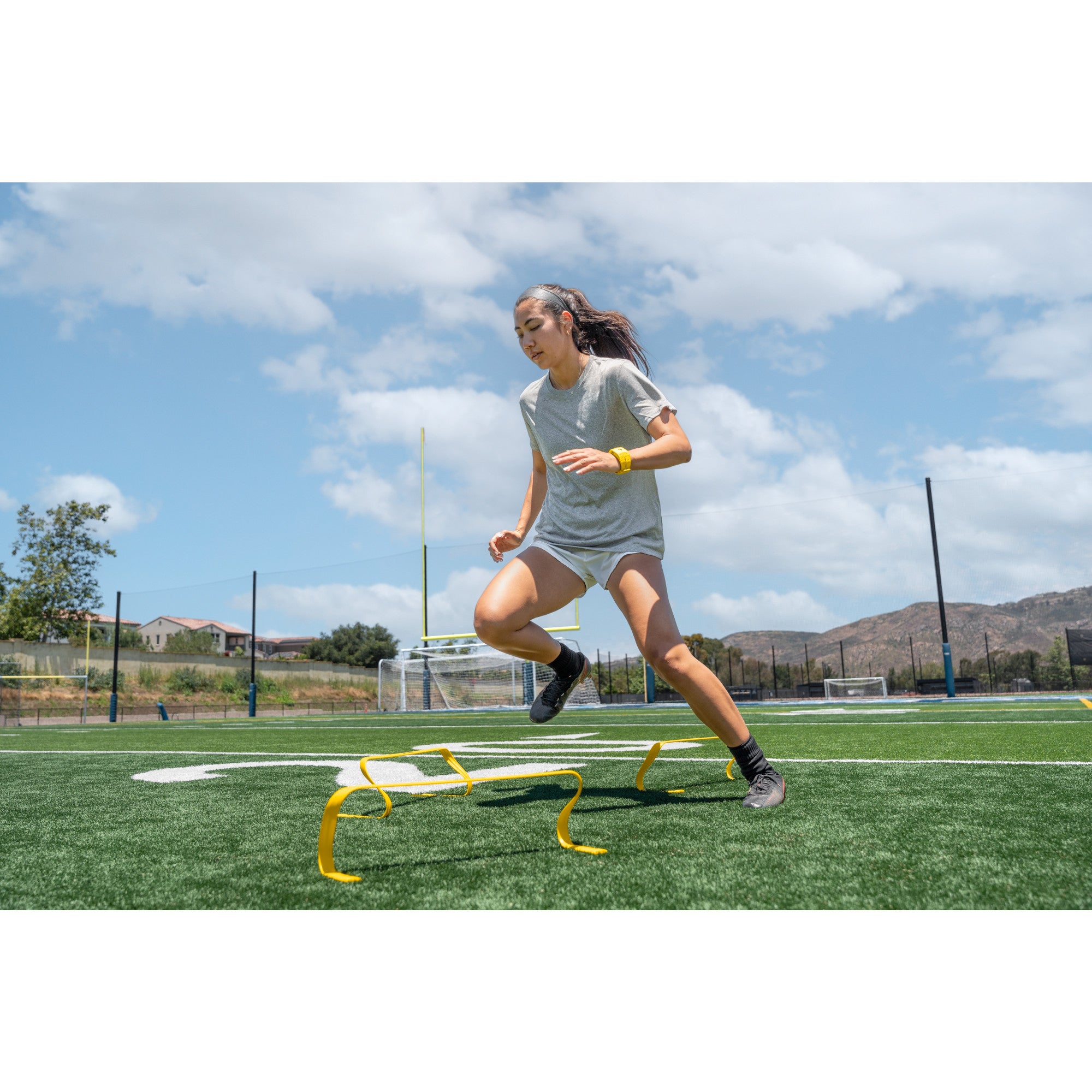
Manufacturers such as Catapult Sports have developed technology platforms that allow athletes to manage training load, change of direction stress, and recovery planning through personal data.
With individualized data, speed and agility training becomes less about volume and more about intelligent preparation.
In Summary

The emphasis on speed and agility has never been greater. Modern sport requires athletes to perform efficiently under constant pressure, with speed, agility, and efficiency now foundational components of performance.
Agile athletes endure longer careers, while speed-only athletes struggle to adapt. The future of performance lies in developing both qualities together through smarter coaching, technology, and evidence-based systems.
Speed and agility now define reliability, commercial value, and longevity in modern athletics, shaping both current and future generations of elite performers.